Gold Price Today: Live Updates and Market Trends for March 2, 2026
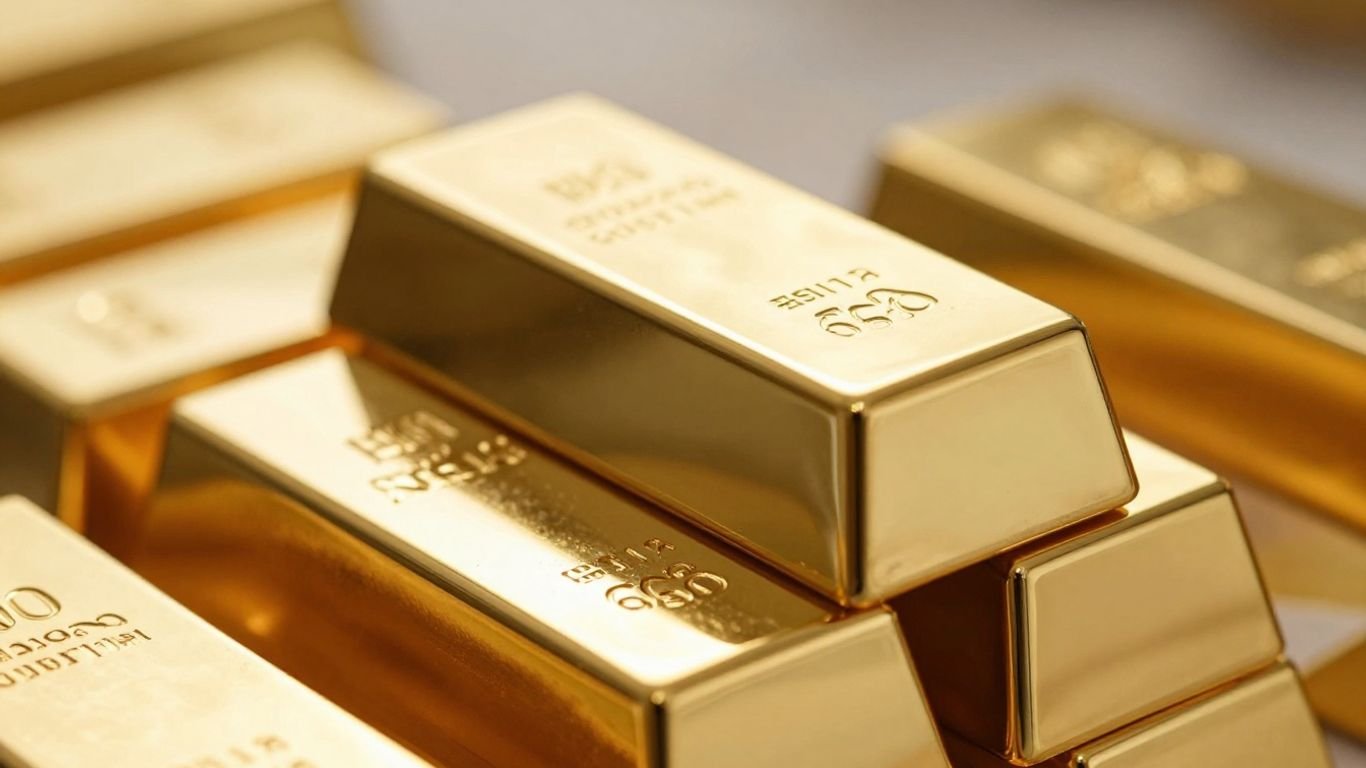
The gold price today is making headlines, and for good reason. It’s been a wild ride for the yellow metal lately, with prices climbing significantly. A lot of this has to do with what’s happening around the world, from tensions in the Middle East to worries about inflation. People are looking for a safe place to put their money, and gold is often seen as that go-to option. We’ll break down what’s moving the market, what it means for investors, and what might happen next with the gold price today.
Key Takeaways
- Gold futures saw a big jump Monday morning, opening at $5,393 per ounce, largely due to escalating tensions in the Middle East following airstrikes.
- The current gold price is around $5,338 per ounce, showing a noticeable increase from both yesterday and significantly from a year ago.
- While stocks can offer higher returns in strong economies, gold acts as a more stable, risk-averse investment during uncertain times.
- The projected trading range for March 2026 shows a wide spectrum, from $5,078 to $8,356, influenced by geopolitical events and economic data.
- Investing in gold today means a gram of 24-karat gold costs about $173.90, reflecting its role as a stabilizing asset amidst current market conditions.
Gold Price Today: A Safe Haven Amidst Global Turmoil
Well, it’s March 2, 2026, and the world stage is looking pretty shaky, as usual. When things get dicey internationally, folks tend to look for something solid, something real, and that’s where gold comes in. It’s been the go-to for centuries when the global economy feels like it’s on thin ice. Today is no different. We’re seeing major geopolitical events really push gold prices higher, making it a safe haven for investors trying to protect their hard-earned money.
Gold Futures Surge Following Middle East Escalation
Things really heated up over the weekend in the Middle East, and the markets are reacting. Gold futures, which are basically contracts to buy gold at a future date, shot up pretty fast. This isn’t just a small blip; it’s a significant move that shows how much investors are worried about instability. When there’s conflict or the threat of it, especially in key regions, people get nervous about oil supplies and global trade. Gold, being a traditional safe asset, benefits from this fear. It’s like a magnet for capital when uncertainty spikes. The price action today reflects a clear demand for tangible assets over the increasingly fragile dollar system. This surge isn’t just about speculation; it’s a direct response to escalating international tensions.
Impact of Geopolitical Events on Gold’s Value
Look, it’s pretty simple when you break it down. Major global events, especially those involving conflict or political upheaval, tend to make gold prices climb. Think about it: when nations are at odds, or when there’s a threat to vital resources like energy, the global financial system gets jittery. This uncertainty drives investors away from riskier assets and towards gold. It’s not just about the immediate news; it’s about the long-term implications for stability and the value of fiat currencies. We’ve seen this pattern play out time and again throughout history. The current situation in the Middle East is just the latest chapter, reinforcing gold’s role as a hedge against chaos. It’s a stark reminder that in a world of unpredictable leadership and shifting alliances, gold remains a constant.
Understanding Spot Gold vs. Futures Prices
It’s important to know there are a couple of ways people talk about gold prices. You have ‘spot gold,’ which is the price for gold that you can buy and take possession of almost immediately. It reflects the current market price. Then you have ‘gold futures.’ These are contracts where you agree to buy or sell gold at a specific price on a future date. Futures prices can sometimes be higher or lower than spot prices, depending on what traders expect to happen with gold prices down the line, including factors like storage costs and interest rates. Today, both spot and futures markets are showing strength, but the futures market often reacts more quickly to anticipated events, like the geopolitical news we’re seeing. Understanding this difference helps make sense of the market movements you see day-to-day. For instance, the current price for an ounce of gold is around $5,338, but futures contracts might be priced slightly differently based on their expiration date.
Market Dynamics Driving Gold’s Ascent
It’s pretty clear that gold isn’t just having a moment; it’s building serious momentum. A lot of factors are lining up, making it look like a solid bet right now. We’re seeing big players, like central banks, really loading up on the stuff. They’re not just buying a little; they’re making significant moves, especially from places like Asia and the Middle East. This isn’t some fly-by-night trend; it’s been building for a while.
Central Bank Demand Bolsters Gold’s Appeal
Central banks have been on a gold buying spree, and it’s not slowing down. Countries are strategically shifting their reserves away from traditional assets and piling into gold. It’s like they’re saying, ‘We need something solid, something real.’ This kind of official backing gives gold a lot of credibility and helps keep prices steady, even when other markets are shaky. It’s a sign that even the big institutions are hedging their bets.
Inflationary Pressures and Real Yield Compression
Let’s talk about inflation. Even though some folks might try to tell you it’s under control, the numbers aren’t always backing that up. We saw some pretty hot inflation data recently, and while that might normally make you think interest rates will stay high, it’s actually pushing real yields down. When you factor in inflation, the actual return you get on your investments shrinks. Gold, on the other hand, tends to hold its value when inflation is a concern, making it attractive. It’s a classic hedge against your money losing purchasing power. This dynamic is a major reason why gold is looking so strong.
Institutional Conviction Deepens in Bullion
It’s not just central banks. Big investment funds and wealthy individuals are also getting more serious about gold. You see money flowing into gold-related investments, like mining stocks and exchange-traded funds. This increased interest from institutions means more money is chasing gold, which naturally pushes prices up. They’re seeing the same trends we are – geopolitical risks, inflation worries, and the general instability in the global financial system. It’s a self-reinforcing cycle where confidence in gold grows, attracting more investment, which in turn boosts confidence even further. This trend suggests gold is becoming a core part of many investment strategies, not just a speculative play. You can see how this institutional conviction is a key driver for gold prices.
Here’s a quick look at what’s driving this:
- Central Bank Accumulation: Historic levels of buying by governments worldwide.
- Retail Demand: Strong interest from individual buyers, especially in Asia.
- Geopolitical Uncertainty: Global tensions are making investors seek safe havens.
- Inflation Hedge: Gold’s traditional role as a store of value during inflationary periods.
The current market environment is creating a perfect storm for gold. With multiple economic and political pressures converging, the metal is acting as a reliable anchor for investors looking to preserve wealth. It’s a stark contrast to the volatility seen in other asset classes.
Navigating Gold’s Price Action
Key Technical Levels and Support Zones
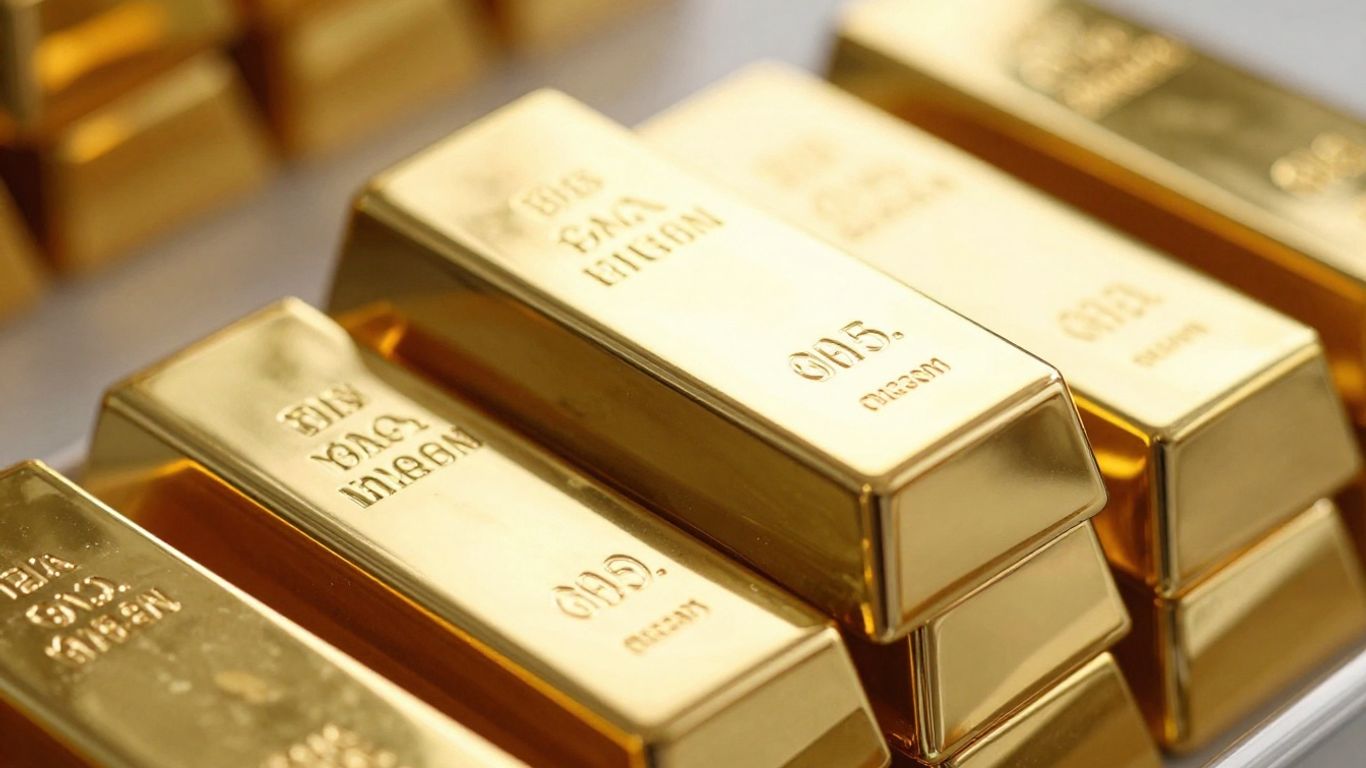
Look, nobody has a crystal ball, but watching the charts can give you a pretty good idea of where things might be headed. Right now, the $5,200 mark is looking like a solid floor. It’s held up well, and that’s a good sign for anyone holding gold. We saw a break above $5,280 recently, and the volume backed that up, which usually means the move has some staying power. The next hurdle to watch is around $5,600. If gold can push past that, we’re looking at a much higher game.
The current market action suggests gold is repricing for a world that’s fundamentally changed. It’s not just a temporary spike; it’s a reaction to ongoing global shifts.
Understanding Spot Gold vs. Futures Prices
It’s easy to get confused between spot gold and futures. Spot price? That’s what you pay if you want gold right now. It’s the immediate market value. Futures prices are for gold you’ll buy or sell later. When futures cost more than spot, that’s called contango – common for things that cost money to store. If futures are cheaper, it’s backwardation. The spot price moves a lot because so many things affect it, so you have to be ready for that.
The Significance of Spot Gold Price Fluctuations
Watching the spot price is like checking the pulse of the gold market. A higher spot price generally means more people want gold. It’s constantly changing, though. You’ll see it jump around based on news, economic reports, or even just general market sentiment. For investors, understanding these ups and downs is key. It’s not always a smooth ride, but that’s part of the game when you’re dealing with a market that reacts to so many different factors. The ability to handle these price swings is what separates a successful gold investor from one who gets shaken out.
Gold’s Performance Against Other Assets
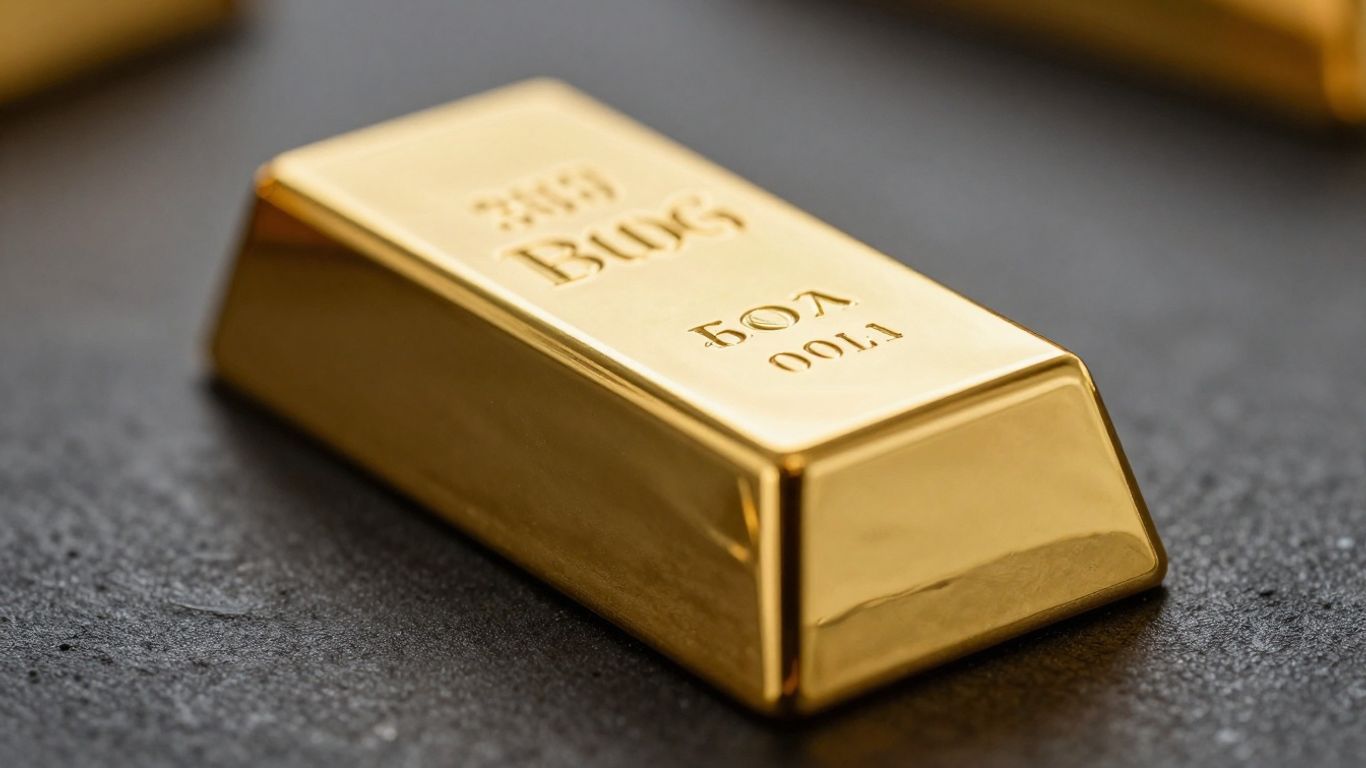
Gold’s Divergence from Industrial Commodities
It’s interesting to see how gold is acting these days compared to other stuff people trade. While things like crude oil and other industrial metals can swing wildly based on manufacturing demand or supply chain hiccups, gold seems to be marching to its own beat. We saw a big jump in commodities back in February, with gold, silver, and platinum all showing solid gains, but gold’s move feels different. It’s less about factories needing more metal and more about what’s happening in the world. Gold is really showing its stripes as a safe place to put your money when things get shaky. It’s not just another commodity; it’s a store of value. This divergence is a clear sign that investors are looking for stability, not just growth tied to economic activity. It’s a good reminder that not all assets are created equal, especially when the global picture gets cloudy. You can see how commodities like oil are influenced by daily news, but gold’s price action is often driven by bigger, longer-term concerns. This is why many folks are looking at gold as a way to protect their wealth. The recent performance of commodities like crude oil refining spreads, while strong, doesn’t quite capture the same sentiment as gold’s steady climb. It’s a subtle but important difference for anyone trying to make sense of the markets today.
Comparing Gold Returns to Stock Market Performance
When you look at gold versus the stock market, it’s a tale of two different worlds. For years, stocks have been the go-to for big returns, and sure, they can deliver. From 1971 to 2024, the stock market averaged about 10.7% annually. That’s pretty good. Gold, over the same stretch, brought in around 7.9% per year. So, if you’re just looking at raw numbers over a long time, stocks might seem like the winner. But here’s the thing: that average doesn’t tell the whole story. Gold really shines when the economy is uncertain, which, let’s be honest, feels like a lot of the time lately. Stocks can be really volatile, and when they take a nosedive, gold often holds its ground or even goes up. It’s more of a steady hand. Think of it less as a get-rich-quick scheme and more as a way to keep what you’ve earned. The stock market can be a rollercoaster, and while it offers thrills, gold offers a smoother ride, especially when you need to protect your capital. It’s about having options and not putting all your eggs in one basket. The current market environment, with its inflation and global worries, really highlights gold’s role as a stabilizing asset. It’s not always about chasing the highest percentage gain; sometimes, it’s about preserving your wealth.
Silver and Platinum’s Mixed Market Signals
Now, let’s talk about gold’s cousins: silver and platinum. They’re precious metals too, but they don’t always play by the same rules as gold. Silver, for instance, can be a bit of a wild child. Its price can jump around a lot, even within a single day. That’s partly because silver is used in a lot of different industries, so its price is more sensitive to what’s happening with manufacturing and global economic health. Platinum and palladium are in a similar boat. While they can be good for diversifying your portfolio, you have to be prepared for more ups and downs compared to gold. Gold tends to be the more stable option when you’re looking for a safe haven. Silver and platinum can offer opportunities, but they come with more risk. It’s like this: gold is the reliable family car, while silver and platinum are more like sports cars – exciting, but you need to handle them with more care. So, while they’re all precious metals, their performance and the reasons behind their price movements can be quite different. It’s important to know these differences when you’re deciding where to put your money. The price of gold today is $5,338 per ounce, showing a steady upward trend, while silver is trading around $90 and platinum at $2,295. These figures highlight the distinct market behaviors of these metals.
The current economic climate, marked by persistent inflation and global instability, has underscored gold’s unique position. Unlike industrial commodities or even equities, gold’s value is increasingly tied to its role as a store of wealth and a hedge against uncertainty, rather than solely its industrial applications or profit-generating potential.
Here’s a quick look at how they stack up:
- Gold: Generally less volatile, often seen as a safe haven. Its price is influenced by geopolitical events and inflation concerns.
- Silver: More volatile, with prices sensitive to industrial demand and broader economic shifts. It can offer higher potential gains but also higher risk.
- Platinum: Similar to silver, it’s used in industry and can experience significant price swings. Its value is tied to specific sectors like automotive and jewelry.
Understanding these differences is key for anyone looking to diversify their holdings. It’s not just about owning precious metals; it’s about understanding what each metal brings to the table in terms of risk and reward. For those seeking stability, gold remains the top choice, but silver and platinum can play a role for investors with a higher risk tolerance. The market for precious metals is complex, and staying informed is your best bet. You can find more information on current precious metals prices and trends here.
The Future Outlook for Gold
Projected Trading Ranges for March 2026
Looking ahead to March 2026, the gold market appears poised for continued strength, though some fluctuations are expected. We’re seeing a solid floor around the $5,200 mark, and the recent move above $5,280 has been confirmed with good volume. The next target many are watching is $5,600. If the current trends hold, especially the geopolitical tensions and central bank buying, hitting $6,000 by the latter half of the year isn’t out of the question. It’s a strong signal for those looking to buy on any dips, with the idea of holding on for that higher target.
Economic Calendar Events Influencing Gold
Several economic events on the horizon could shake things up for gold prices. Keep an eye on inflation reports; the recent Producer Price Index numbers were hotter than expected, and if that trend continues, it usually gives gold a boost. Also, watch the Federal Reserve’s moves. While rate cuts seem pushed back for now, any shift in their stance on interest rates will directly impact gold. Geopolitical developments, as we’ve seen recently, are always a wild card that can send prices soaring.
Long-Term Structural Tailwinds for Gold
There are several big-picture reasons why gold looks good for the long haul. Central banks around the world are buying gold like never before, shifting away from other assets. Plus, demand from everyday buyers, especially in places like China, is growing. The global trade situation is also adding a layer of uncertainty, making gold look like a safer bet. It feels like the world is fundamentally changing, and gold is repricing to fit that new reality. This isn’t just a short-term rally; it’s a structural shift.
- Central Bank Accumulation: Nations are actively increasing their gold reserves.
- Geopolitical Uncertainty: Ongoing global conflicts and tensions drive demand for safe-haven assets.
- Inflationary Pressures: Persistent inflation concerns make gold an attractive hedge.
- Diversification Needs: Investors are seeking assets that perform differently from stocks and bonds.
Investing in Gold Today
The Cost of a Gram of 24 Karat Gold
As of March 2, 2026, the price for a gram of 24-karat gold is hovering around $173.90. Keep in mind, this is the spot price, and when you actually go to buy physical gold, you’ll likely pay a bit more due to dealer markups. It’s not exactly Scrooge McDuck levels of wealth, but it’s a significant price point. This figure reflects a market that’s been shaped by a lot of factors, including what central banks are doing and ongoing global instability. Whether you’re just dipping your toes in with a single gram or looking to build a bigger position, now might be a sensible time to consider adding gold to your holdings. The U.S. government is even looking into using AI to help set reference prices for critical minerals, which could impact the market down the line and secure our supply chains [b40c].
Gold as a Stabilizing Asset in Portfolios
Gold has a long history of acting as a safe place for your money when the economy gets shaky. When inflation is high, or the stock market is doing wild swings, people tend to move their money into gold because it feels more stable. It doesn’t always move in the same direction as stocks or bonds, which can help even out the ups and downs in your overall investment mix. This is especially true if you’re worried about just keeping your capital safe. It’s not about getting rich quick; it’s about having something solid when things get uncertain.
Here are a few ways people typically invest in gold:
- Physical Gold: This includes gold bars (bullion) and gold coins. Bars are usually stamped with their weight and purity, while coins might have added collector value.
- Gold ETFs: These are funds that hold gold assets. You buy shares of the fund, and their value changes with the price of gold. They’re easy to trade.
- Gold Futures: These contracts let you bet on the future price of gold without actually holding the metal.
- Gold Jewelry: While beautiful, jewelry often costs more than its gold content due to design and craftsmanship.
In today’s economic climate, with inflation sticking around and markets feeling unpredictable, gold offers a kind of stability that’s hard to find elsewhere. It’s a way to protect your wealth when other investments are taking a beating.
Strategic Considerations for Gold Investment
When thinking about adding gold to your investments, it’s smart to consider how it fits with everything else you own. Gold doesn’t pay dividends like stocks do, and its price can jump around in the short term. However, its role as a store of value is pretty well-established. While stocks have historically offered higher average returns over long periods, gold shines during times of economic trouble. It’s less about chasing the highest possible return and more about preserving what you have. Many experts suggest that including gold can be a smart move for diversification, especially given the current economic landscape. It’s a way to add a steadying influence to your portfolio, whether you’re buying small amounts or larger quantities.
Wrapping Up: Gold’s Steady Climb
So, that’s the scoop on gold prices today, March 2nd, 2026. It’s been a wild ride, hasn’t it? We saw gold futures open up strong, and the price per ounce is definitely higher than it was yesterday, last month, and even a year ago. It’s clear that with everything going on globally, folks are looking for something solid to put their money into. Gold has always been that go-to when things get shaky, and it seems like that’s still the case. While stocks might do better in good times, gold really shines when there’s uncertainty. It’s not about getting rich quick, but more about keeping what you have safe. For many, it’s a way to just hold value. If you’re thinking about adding some gold to your own investments, now might be a good time to look into it, especially if you’re worried about the economy. Just remember, it’s not always a smooth path, but it’s been a reliable place for your money when you need it most.
Frequently Asked Questions
Why is the price of gold going up so much right now?
The price of gold is rising because of big world events. There’s been fighting in the Middle East, which makes people nervous and look for safer places to put their money. Also, prices for everyday things are going up (inflation), and when that happens, gold often becomes more valuable. Central banks and big investors are also buying more gold, which pushes the price higher.
What’s the difference between spot gold and gold futures?
Spot gold is the price for gold you can get right now, like buying it off the shelf. Gold futures are contracts to buy or sell gold at a set price on a future date. Think of spot gold as buying something today, and futures as agreeing to buy it later.
How much does one gram of pure gold cost today?
As of March 2, 2026, one gram of pure 24-karat gold is worth about $173.90. This price is based on the market price per ounce and can change throughout the day.
Is gold a good investment compared to stocks?
Gold is often seen as a safer place for your money when the economy is uncertain or shaky. Stocks can sometimes make more money when the economy is doing well. But when things get scary, gold tends to hold its value better than stocks. It’s like a safety blanket for your investments.
What does ‘price spread’ mean when trading gold?
The price spread is the small difference between the price you can buy gold for (ask price) and the price you can sell it for (bid price). A smaller spread usually means it’s easier to buy and sell gold quickly, showing that lots of people are interested.
How do world events affect the price of gold?
When big global events happen, like wars or major political changes, people often get worried about their money. They tend to sell riskier things like stocks and buy gold because it’s seen as a safe place to keep their money. This increased demand makes the price of gold go up.


![[Jasmine Crockett]'s face, showing a change in expression.](https://countrybrief.com/wp-content/uploads/2025/09/thumbnail-8-768x432.jpeg)