
Holi 2026: What to Expect from the Festival of Colors This Year
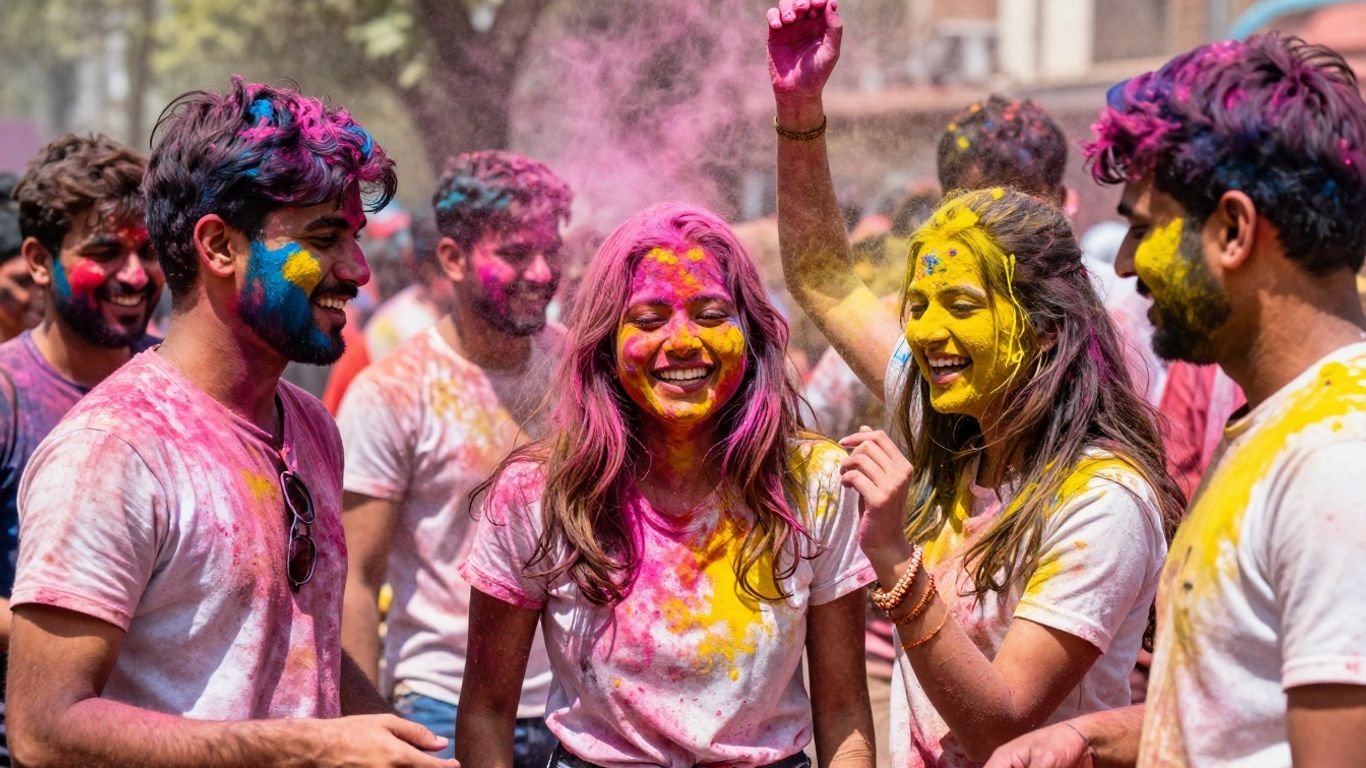
Get ready for Holi 2026! This vibrant festival, also known as the Festival of Colors, is just around the corner. It’s a time for joy, a chance to celebrate spring’s arrival, and a wonderful opportunity to connect with loved ones. But beyond the fun, Holi carries a lot of meaning, reminding us of the triumph of good over evil and the importance of togetherness. We’ll cover the dates, how people usually celebrate, and some tips to keep in mind so everyone has a safe and happy time.
Key Takeaways
- Holi 2026 falls on Wednesday, March 4th, with Holika Dahan on Tuesday, March 3rd, marking the victory of good over evil and the start of spring.
- The festival is a time to strengthen bonds, with people coming together to share colors, sweets, and laughter, breaking down social barriers.
- Celebrations include the Holika Dahan bonfire, symbolizing the burning of negativity, and Rangwali Holi, the main day of playing with colors.
- Prioritizing safety with natural colors, protecting skin and hair with oil, and ensuring eye safety are important for a joyful Holi 2026.
- Beyond the colors, Holi signifies unity, divine love, and the chance to let go of ego and past grievances, making way for new beginnings.
Understanding The Significance Of Holi 2026
The Triumph Of Good Over Evil
Holi, at its core, is a powerful reminder that good always wins in the end. The main story behind it is about Prahlad, a devoted follower of Lord Vishnu, and his wicked uncle Hiranyakashipu. The uncle, full of himself, wanted everyone to worship him. But Prahlad wouldn’t budge. So, Hiranyakashipu got his sister, Holika, who was supposed to be fireproof, to sit on a huge bonfire with Prahlad. Well, guess what? Holika burned up, and Prahlad walked away just fine. It’s a classic tale showing that evil and arrogance just can’t beat true faith and goodness. This is why we light bonfires on Holika Dahan – to burn away all the bad stuff.
A Celebration Of Spring’s Arrival
Beyond the epic battles of good versus evil, Holi also marks a really happy time of year: the arrival of spring. After a long, cold winter, seeing everything start to bloom again is a big deal. It’s like nature itself is waking up and getting ready for brighter days. The festival’s colors kind of mirror this – all the vibrant shades popping up everywhere, just like the flowers and new leaves. It’s a time to shake off the winter blues and welcome the warmth and new beginnings that spring brings. It’s a natural cycle, and Holi celebrates that renewal. You can see this spirit of new beginnings reflected in how people celebrate Holi across India.
Strengthening Bonds And Relationships
One of the best parts of Holi is how it brings people together. It’s a day when old grudges are forgotten, and everyone just wants to have a good time. People visit friends and family, share sweets, and just enjoy each other’s company. The colors are a great equalizer; when everyone’s covered in the same bright powders, social differences seem to fade away. It’s a chance to mend fences and build stronger connections. This sense of unity is really what makes Holi special, turning a fun festival into something more meaningful. It’s a time for forgiveness and starting fresh with everyone you care about.
Key Dates For Holi 2026 Celebrations
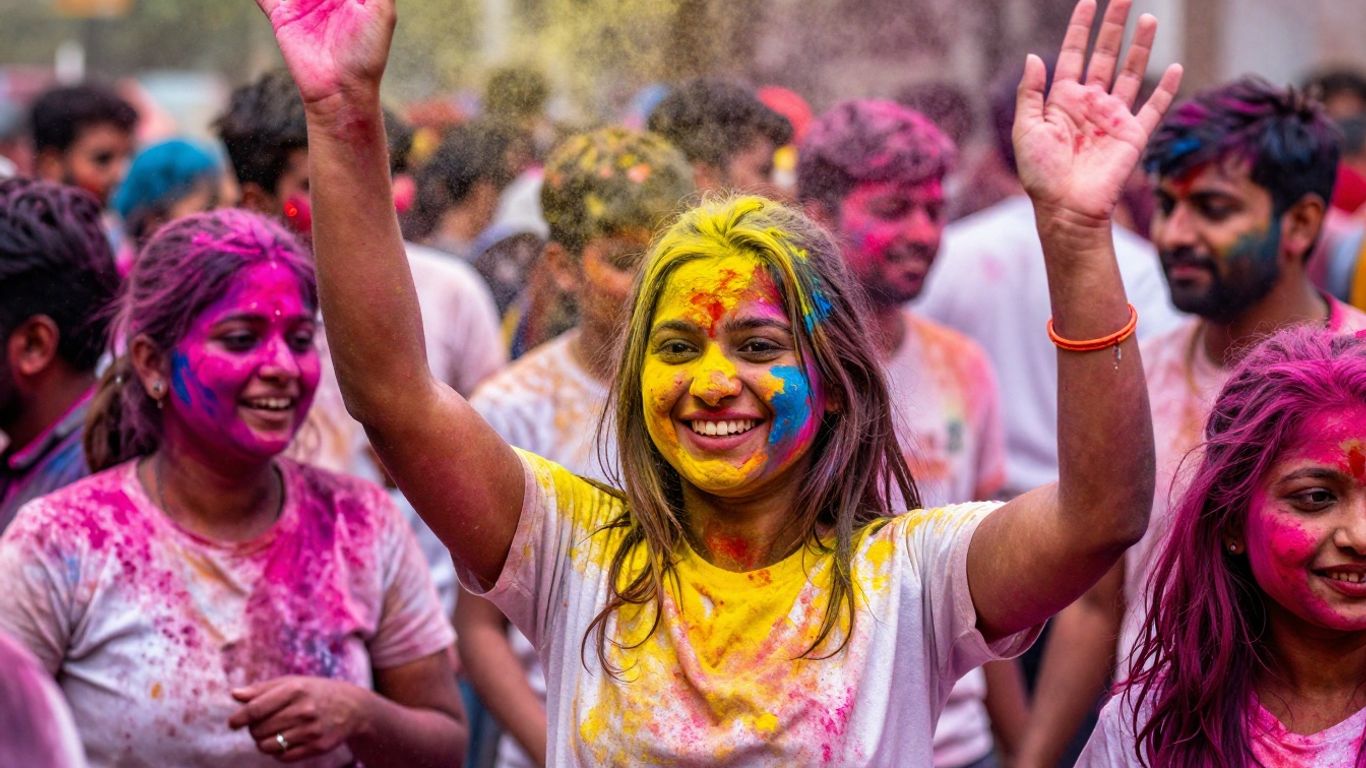
Mark your calendars, folks! Holi 2026 is right around the corner, and knowing the dates is half the battle when it comes to planning your celebrations. It’s not just one day of fun; the festival unfolds over a couple of key dates, each with its own special vibe.
Holika Dahan: The Eve Of Festivities
This is where it all kicks off. Holika Dahan, the ceremonial bonfire, takes place on the evening of Tuesday, March 3, 2026. This isn’t just about lighting a fire; it’s a deeply symbolic ritual. We gather to burn an effigy of Holika, the demoness who tried to harm the devoted Prahlada. It’s a powerful reminder that good always triumphs over evil, no matter how fierce the opposition. Think of it as a cleansing fire, burning away the negativity from the past year before we dive into the vibrant celebrations of the next day. It’s a time for reflection and community, a solemn prelude to the joyous chaos that follows.
Rangwali Holi: The Main Event
Get ready for the explosion of color! Wednesday, March 4, 2026, is the big day – Rangwali Holi, also known as Dhulandi. This is when the streets come alive with people throwing gulal (colored powder) and water at each other. It’s pure, unadulterated fun. Social barriers melt away, and everyone, from kids to elders, joins in the playful revelry. Music fills the air, sweets are shared, and the world is painted in a million hues. It’s a day to let loose, embrace the moment, and celebrate the arrival of spring with gusto.
Regional Variations In Celebration Dates
While March 3rd and 4th are the main dates for Holi 2026, it’s worth noting that some regions have their own unique traditions and timings. For instance, the Braj region, particularly places like Mathura and Vrindavan, is famous for its extended celebrations. They often have events like Lathmar Holi a few days prior and continue with unique festivities like Dauji Ka Huranga a day or two after the main Rangwali Holi. So, if you’re planning a trip to experience Holi in its most traditional forms, do a little extra digging for the specific dates in your chosen locale. It’s these regional nuances that make Holi such a rich and diverse festival across India.
Understanding these dates helps you appreciate the full spectrum of Holi, from its solemn beginnings to its riotous conclusion. It’s a festival that respects tradition while embracing pure, unbridled joy.
Traditional Ways To Celebrate Holi
The Joyful Ritual Of Holika Dahan
Holika Dahan kicks off the festivities on the eve of Holi. It’s a time when communities gather around a large bonfire. This isn’t just about warmth; it’s a symbolic act. People toss items like chickpeas and popcorn into the flames, a tradition that goes back ages. This ritual signifies the burning away of negativity and past wrongs, making way for a fresh start. It’s a powerful reminder that good always triumphs over evil, much like the legend of Prahlad. It’s a chance to reflect on what needs to be purged from our lives before the main event.
Embracing Colors On Rangwali Holi
Rangwali Holi, the main day, is where the real explosion of color happens. Forget your worries and join the fun! People take to the streets with dry powders, known as gulal, and water guns. The air fills with music and the joyous shouts of "Bura na mano, Holi hai!" which means "Don’t mind, it’s Holi!" It’s a day where social barriers melt away, and everyone, regardless of status or age, is united in a vibrant display of happiness. It’s a beautiful sight to see everyone covered in the same bright hues.
Experiencing Braj Holi’s Unique Traditions
The Braj region, particularly Mathura and Vrindavan, offers a special flavor of Holi. This area is deeply connected to the stories of Lord Krishna and Radha. Here, Holi is celebrated as a festival of divine love. One famous tradition is Lathmar Holi in Barsana, where women playfully hit men with sticks while they shield themselves. It’s a reenactment of the playful teasing between Krishna and the Gopis. Another unique celebration is Phoolon Ki Holi in Vrindavan, where flowers are used instead of colored powders for a short period. These regional variations add a rich layer to the overall Holi experience, showing the diverse ways this festival is cherished across India. You can learn more about these unique celebrations at Braj Holi traditions.
Holi is more than just throwing colors; it’s about inner transformation. The bonfire burns away our ego and negative tendencies, while the colors symbolize equality and the oneness of humanity. It’s a spiritual cleansing and a celebration of divine love all rolled into one.
Protecting Yourself During Holi 2026
Holi is a time for pure joy and letting loose, but let’s be real, getting covered in colors can sometimes lead to a few problems if you’re not careful. We’re talking about skin irritation, dry hair, and maybe even some eye trouble. Nobody wants that to ruin the fun, right? So, before you dive headfirst into the color chaos, it’s smart to take a few simple steps to look after yourself. It’s not about being a party pooper; it’s about making sure you can enjoy every moment without any nasty surprises later.
Choosing Safe and Natural Colors
This is probably the most important thing. Those bright, vibrant colors are what Holi is all about, but not all colors are created equal. Many of the powdered colors you find can be loaded with harsh chemicals that are just plain bad for your skin and hair. We’re talking about things that can cause rashes, itching, and even long-term damage. It’s always best to stick with natural or herbal colors whenever possible. These are usually made from things like turmeric, beetroot, flowers, and other plant-based ingredients. They’re much gentler and less likely to cause a reaction. You can often find these at local markets or specialty stores. If you can’t find them, or if you’re unsure about the colors being used, maybe bring your own supply. It’s a small effort that can make a big difference in how you feel during and after the festival. Remember, a little bit of caution goes a long way, and choosing wisely means you can celebrate without worry.
Essential Skin and Hair Protection
Before you even think about stepping out to play with colors, give your skin and hair a good protective coating. Think of it like putting on a shield. The best way to do this is to slather on some oil. Coconut oil or almond oil works wonders. Apply it generously all over your face, arms, legs, and especially your scalp. This creates a barrier that stops the colors from sinking deep into your skin and hair, making them easier to wash off later. It also helps prevent dryness and irritation. Don’t forget your lips and nails either! A good lip balm will keep your lips from getting chapped, and a clear nail polish can stop your nails from getting stained. Wearing full-sleeved cotton clothes is also a smart move. Cotton is breathable, and the extra coverage means less direct contact between the colors and your skin. It’s all about minimizing exposure to those potentially harsh dyes.
Prioritizing Eye Safety and Hydration
Your eyes are super delicate, and getting color in them can be really painful and even dangerous. So, protecting them is a top priority. Wearing sunglasses is a simple yet effective way to keep dry colors and dust particles out. If some color does get into your eyes, try not to rub them. Just gently rinse them with clean water. Avoid throwing water balloons directly at people’s faces, too – they can cause serious injury. Beyond eye safety, staying hydrated is also key, especially since Holi is often celebrated outdoors in the warm March sun. Keep a water bottle handy and sip on water, coconut water, or other refreshing, non-alcoholic drinks throughout the day. Dehydration can sneak up on you and really dampen your spirits. Taking breaks in the shade can also help prevent overheating. Being mindful of these simple things will help you stay comfortable and safe, so you can focus on the fun and festivities of Holi celebrations.
Taking a few precautions before and during Holi can make a world of difference. It’s about being prepared so you can fully immerse yourself in the joy of the festival without worrying about the aftermath. Think of it as part of the tradition – respecting the celebration by taking care of yourself and others.
The Deeper Meaning Behind The Colors
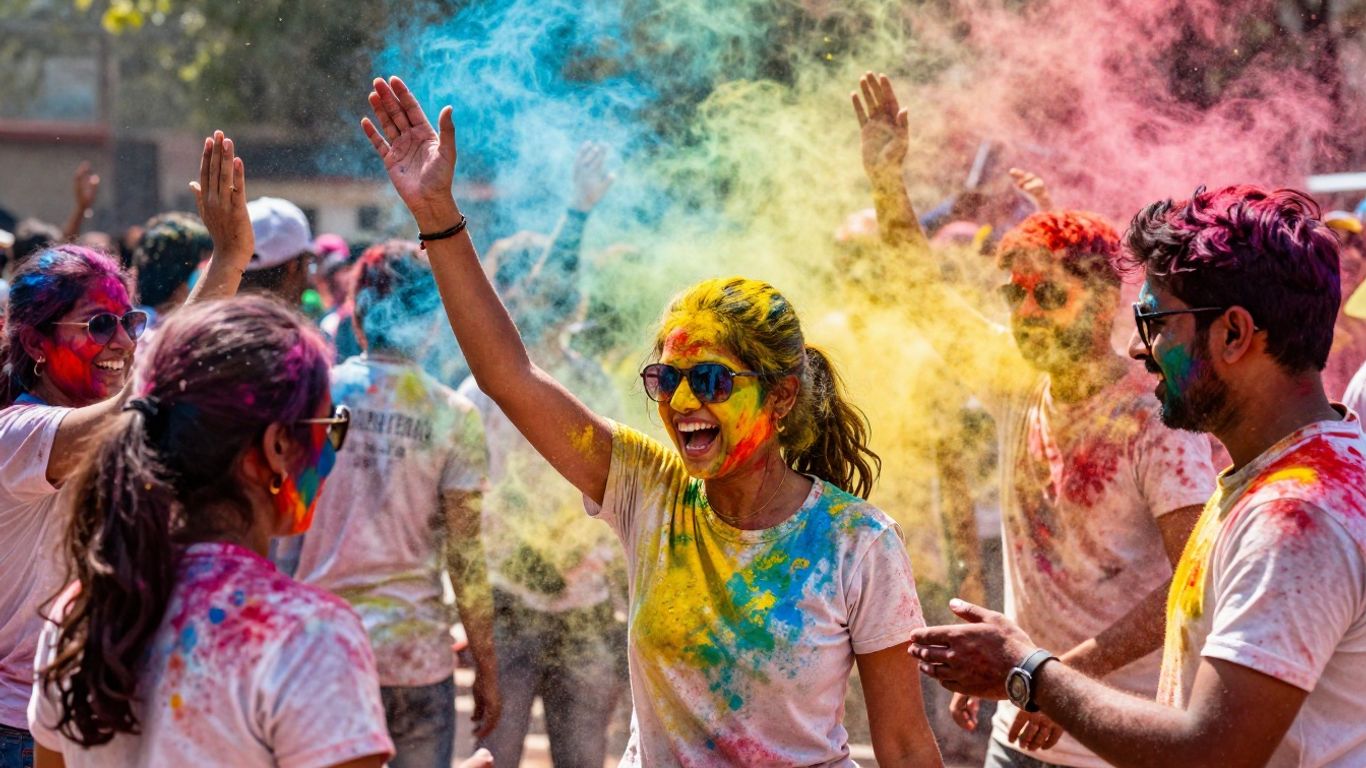
Sure, Holi is a blast with all the colors flying around, but there’s more to it than just a fun mess. It’s really about what those colors represent, and honestly, it’s pretty deep stuff. Think about it – when everyone’s covered in the same vibrant hues, all those differences we usually get hung up on just fade away. Caste, status, age – it all goes out the window for a bit. It’s a powerful reminder that underneath it all, we’re all just people.
Symbolism Of Unity And Equality
This is where the colors really shine, pun intended. When you’re doused in red, blue, and green, you can’t tell who’s who. It’s like a great equalizer. It shows that we’re all part of the same human family, and that’s something worth celebrating. It’s a day where social barriers just don’t matter as much, and we can connect on a more basic level. It’s a chance to see past the superficial and recognize our shared humanity.
Representing Divine Love And Joy
In places like Braj, especially around Mathura and Vrindavan, Holi is all about divine love. The story of Lord Krishna and Radha is a big part of this. Krishna, worried about his dark skin compared to Radha’s fair skin, was told by his mother to just put color on her face. So he did, and it turned into this playful tradition. It symbolizes how love can bridge any gap, and it’s a really sweet way to think about the festival. It’s about that pure, joyful connection, like the playful love between Radha and Krishna. This aspect really highlights the spiritual side of the festival, connecting us to something bigger than ourselves.
Letting Go Of Negativity And Ego
Beyond the fun and games, Holi is also a time for spiritual cleansing. The Holika Dahan bonfire isn’t just for show; it’s meant to symbolize burning away all the bad stuff inside us – anger, jealousy, pride, all that junk. It’s like hitting a reset button. Just like the legend of Prahlad, where devotion triumphed over evil, Holi encourages us to let go of our inner demons. It’s a chance to shed our ego and start fresh, leaving behind old grudges and negativity. It’s about purifying ourselves and making room for positivity and peace. This spiritual aspect is a core part of the Holi tradition.
- Burn away anger: Let go of resentments.
- Shed pride: Recognize humility.
- Release jealousy: Embrace contentment.
- Conquer fear: Stand firm in faith.
Culinary Delights Of The Festival
Savoring Traditional Holi Sweets
Holi just wouldn’t be Holi without the food, right? After a good morning of getting covered head-to-toe in color, everyone’s usually ready for a serious feast. It’s a time when families really come together, sharing dishes that are as much a part of the tradition as the colors themselves. You’ve got your gujiya, which are these sweet, fried dumplings. They’re usually packed with a mix of khoya, which is basically thickened milk, and some nuts. They’re a real treat, and honestly, a staple for the holiday. Then there are the malpua, which are like sweet pancakes, often soaked in syrup. They’re rich and satisfying, perfect for refueling after all that playing.
Refreshing Beverages To Enjoy
When you’re out in the sun, playing with colors, you get thirsty. That’s where thandai comes in. It’s a cold milk drink, and it’s got a really unique flavor. They mix in things like almonds, fennel seeds, and a bit of saffron, sometimes even rose petals. It’s incredibly refreshing and cuts through the sweetness of the desserts. It’s the kind of drink that just hits the spot on a warm spring day. It’s a good way to stay hydrated, too, which is important when you’re out celebrating.
Savory Snacks To Complement The Feast
It’s not all about the sweets, though. You need something savory to balance things out. A popular choice is dahi bhalla. These are soft lentil fritters that are soaked in yogurt and then topped with different chutneys. They’re cool, tangy, and really flavorful. They make a great snack to munch on while you’re chatting with friends and family. It’s all about that mix of sweet, savory, and refreshing flavors that makes the Holi food experience so special. It’s a chance to connect with people over good food, which is always a win.
The food during Holi is more than just sustenance; it’s a communal experience. Sharing these traditional dishes strengthens bonds and creates lasting memories, much like the vibrant colors that temporarily erase social divides.
Wrapping Up Holi 2026
So, there you have it. Holi 2026 is shaping up to be another vibrant celebration. Remember, it’s all about good times and coming together, but don’t forget to be smart about it. Keep those safety tips in mind, especially if you’re out with the kids or older folks. A little common sense goes a long way in making sure everyone has a good time without any unnecessary trouble. Let’s make this year’s Festival of Colors a memorable one for all the right reasons.
Frequently Asked Questions
When is Holi in 2026?
Holi in 2026 will be celebrated on Wednesday, March 4th. The night before, on Tuesday, March 3rd, people will observe Holika Dahan, which is a special bonfire ceremony. This timing is based on the Hindu lunar calendar, falling on the full moon day of the month Phalguna.
What is Holika Dahan?
Holika Dahan is a ritual that happens on the evening before the main Holi celebration. A large bonfire is lit, symbolizing the victory of good over evil. It’s based on the story of Prahlad, a devoted follower, who survived a fire meant to harm him, while evil was destroyed.
Why do people play with colors on Holi?
Playing with colors, known as Rangwali Holi, is a joyous way to celebrate the arrival of spring and forget past differences. The vibrant colors represent unity, equality, and happiness, breaking down social barriers and bringing everyone together in a spirit of fun and forgiveness.
How can I protect my skin and hair during Holi?
To keep your skin and hair safe, it’s a good idea to apply oil like coconut or almond oil before playing with colors. This creates a protective layer. Wearing full-sleeved clothes also helps reduce direct contact with colors. Using natural or herbal colors is also recommended to avoid skin irritation.
What are some traditional foods eaten during Holi?
Holi is a time for delicious treats! People often enjoy Gujiya, a sweet fried pastry filled with khoya and nuts. Thandai, a refreshing spiced milk drink, is very popular, along with sweet pancakes called Malpua and savory Dahi Bhallas.
Are there special ways Holi is celebrated in different parts of India?
Yes, Holi has unique regional celebrations! In Barsana, there’s Lathmar Holi, where women playfully hit men with sticks. Vrindavan has Phoolon Ki Holi, using flower petals, and West Bengal celebrates Basanta Utsav with cultural programs. These variations add to the festival’s rich diversity.




![[Jerome Powell] at a crossroads with a coin.](https://countrybrief.com/wp-content/uploads/2025/10/thumbnail-38-768x432.jpeg)