
How the US can win in Iran

Thinking about how the US and Iran might end up in a conflict is complicated. It’s not just about military might, though that’s a big part of it. There’s a whole lot more to consider, like what other countries are doing, how the Iranian people feel, and what happens after the fighting stops. We need to look at the whole picture to understand what a win for the US could even look like in this situation.
Key Takeaways
- Weakening Iran’s military, especially its missile and drone programs, is a primary goal for the US. This also includes dealing with their navy and air defenses.
- Using economic pressure through sanctions and building strong alliances with countries in the region are key strategies for the US in dealing with Iran.
- Encouraging people inside Iran to speak out and showing the world how the government acts are ways the US might try to influence the situation internally.
- For the US, winning means achieving specific military goals without getting bogged down in a long ground war, focusing instead on air and sea power.
- The US needs to be ready for Iran’s unconventional tactics, like cyberattacks and using proxy groups, while also protecting itself from any direct threats.
Degrading Iran’s Military Might
To truly win against Iran, we need to systematically dismantle their capacity to wage war and threaten us. This isn’t about occupying their country; it’s about taking away their ability to project power and cause trouble.
Crippling Ballistic Missile and Drone Capabilities
Iran’s missile and drone programs are a major headache. They’ve been using these things to stir up trouble across the region. We need to hit their production facilities hard and fast. Think about it, they’ve been building these up for years, and we’ve already sunk a good number of their naval vessels. Going after the places where they make these missiles and drones is the next logical step. It’s not going to take forever, maybe just a couple more weeks of focused effort. Once we’ve done that, we can say we’ve significantly degraded their ability to launch attacks.
Neutralizing Naval Threats and Air Defenses
Their navy isn’t exactly a superpower, but they can still cause problems in places like the Strait of Hormuz. We’ve already seen a lot of their ships end up at the bottom of the sea, which is a good start. We also need to make sure their air defenses are neutralized. This means taking out their radar systems and any anti-aircraft missile sites. If they can’t see us coming or shoot us down, their naval operations become a lot riskier for them.
Targeting Nuclear Infrastructure
This is the big one. Iran’s nuclear ambitions are a constant worry. While we’re busy with their missiles and navy, we absolutely must target any facilities related to their nuclear program. This includes any sites where they might be enriching uranium or developing weapons components. We’ve made progress before, and we need to finish the job. This is about preventing them from ever getting a nuclear weapon, plain and simple. It’s a matter of national security for us and our allies in the region. The complex history of US-Iran relations shows why this is so important.
Leveraging Economic and Diplomatic Pressure
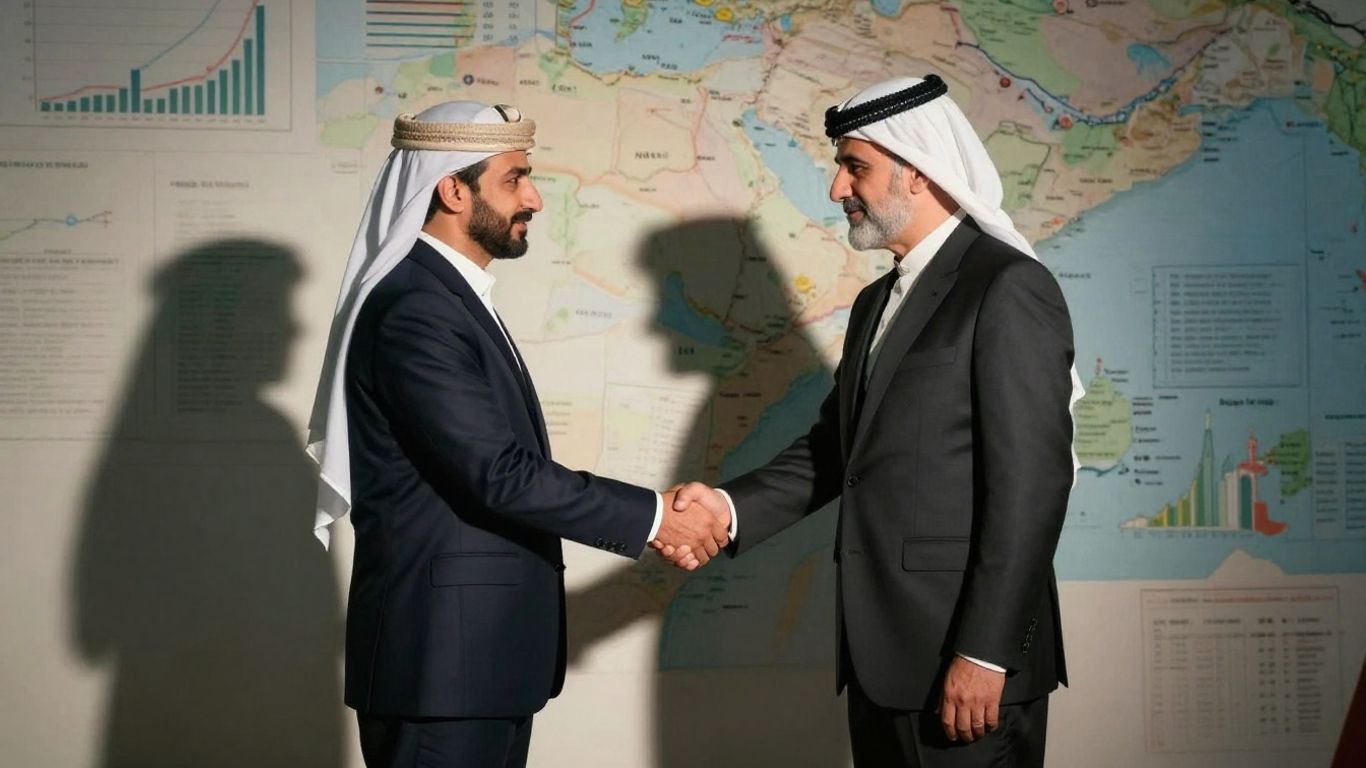
When we talk about dealing with Iran, it’s not just about military might. We’ve got to hit them where it hurts: their wallet and their standing in the world. This means using smart economic pressure and building strong diplomatic ties with our allies. It’s about isolating the regime and making it clear that their bad behavior has consequences.
Imposing Crippling Sanctions
Sanctions are a powerful tool, and we need to use them effectively. The goal isn’t just to punish, but to cripple Iran’s ability to fund its dangerous activities, like developing ballistic missiles and supporting terrorist groups. We’ve seen how sanctions can disrupt their weapons procurement networks and their "shadow fleet." We need to be relentless in cutting off illicit funds that the Iranian regime uses to finance its destabilizing activities and advance its malign objectives. This means making sure our sanctions are airtight and that we’re not letting them off the hook. It’s about squeezing their economy so hard that they can’t afford to play these games anymore. We need to ensure that our partners are on board too, so they can’t just find other places to sell their oil or buy what they need. It’s a coordinated effort to really put the squeeze on.
Securing Regional Alliances
We can’t do this alone. Building and strengthening alliances in the region is absolutely key. Countries like Saudi Arabia, the UAE, and others are on the front lines of Iranian aggression, and they have a vested interest in pushing back. We need to work closely with them, sharing intelligence, coordinating our strategies, and presenting a united front. This isn’t just about military cooperation; it’s about economic partnerships and diplomatic solidarity. When we stand together, we send a clear message to Tehran that its threats won’t work and that its neighbors are united against it. This also helps to stabilize global energy markets, which Iran often tries to disrupt. A stable region means stable oil prices, which is good for everyone, especially us.
Isolating the Regime Internationally
Beyond regional partners, we need to rally the international community. This means working with allies in Europe, Asia, and elsewhere to put diplomatic pressure on Iran. We need to make sure that international bodies are not giving the regime a platform to spread its propaganda or legitimize its actions. This involves consistent condemnation of their human rights abuses, their support for terrorism, and their nuclear ambitions. We should be pushing for stronger international sanctions and making it clear that any country that helps Iran circumvent our measures will face consequences. The more isolated Iran becomes on the world stage, the weaker its position and the less able it is to cause trouble. It’s about building a global consensus against their dangerous path.
Undermining the Regime’s Grip
To truly win in Iran, we can’t just focus on their military might or economic woes. We’ve got to hit them where it hurts: their hold on power. This means actively supporting the people who want a free Iran and making sure the world sees the regime for what it is. It’s about chipping away at their control from the inside out.
Supporting Internal Dissent
Look, the Iranian people have been under the thumb of this regime for way too long. They’ve protested, they’ve suffered, and many are just fed up. We need to find ways to back these brave individuals. This isn’t about sending in troops; it’s about providing the tools and support that allow them to organize and make their voices heard. Think about discreet communication channels, or backing independent media that can bypass state censorship. The goal is to give the Iranian people the means to challenge the mullahs themselves. It’s about empowering them to be the architects of their own future, free from Tehran’s iron fist.
Exposing Regime Brutality
For decades, the ayatollahs have operated in the shadows, committing atrocities and silencing anyone who dares to speak out. We need to shine a bright light on this. Documenting human rights abuses, sharing stories of political prisoners, and broadcasting the regime’s violent crackdown on its own citizens – these are all critical steps. When the world sees the true face of the Islamic Republic, it becomes harder for them to maintain their facade and easier for us to build a coalition against them. We can use all available platforms, from traditional media to social networks, to get the truth out there. It’s about making sure the regime can’t hide its crimes anymore.
Empowering the Iranian People
Ultimately, this is about the future of Iran and its people. While we focus on weakening the regime, we also need to think about what comes next. Supporting groups that advocate for democratic reforms, helping to build civil society, and encouraging a vision of a free and prosperous Iran are all part of the strategy. This isn’t just about tearing down; it’s about building up. We want to see an Iran where its citizens have a say in their government, where they can live without fear, and where they can prosper. It’s a long game, but by supporting the aspirations of the Iranian people, we lay the groundwork for a stable and friendly Iran down the road.
The current regime has proven itself to be a persistent threat, not just to its own people but to regional stability and global security. Weakening its grip internally is a strategic imperative that complements external pressures. By supporting the legitimate aspirations of the Iranian populace for freedom and self-determination, we not only undermine the current leadership but also pave the way for a more positive future for Iran and its neighbors.
Here’s a look at some key areas where the regime’s control is vulnerable:
- Economic Discontent: Widespread frustration over corruption and mismanagement fuels public anger.
- Social Restrictions: The population, especially the youth, chafes under strict social and religious laws.
- Internal Divisions: While presenting a united front, there are underlying power struggles and ideological rifts within the ruling elite.
- Information Control: The regime’s efforts to control information are increasingly challenged by modern communication technologies.
Strategic Military Objectives for US Iran
When we talk about winning in Iran, it’s not about sending boots on the ground into a quagmire. That’s a lesson learned the hard way from places like Iraq. The goal here is to hit them where it hurts, militarily, without getting bogged down.
Avoiding Costly Ground Invasions
Look, Iran is a huge place, and the terrain is rough. Trying to occupy it with hundreds of thousands of troops? That’s a recipe for disaster, a long, drawn-out mess that bleeds us dry. We’re not looking to get into another insurgency. The strategy needs to focus on precision strikes and crippling their ability to wage war, not on a full-scale occupation. We can achieve our aims through other means, like air and sea power, which are far more efficient and less risky. The idea is to degrade their military might, not to become their new landlords.
Utilizing Air and Sea Power
This is where the real muscle comes in. Air and sea power offer the flexibility and reach needed to dismantle Iran’s military infrastructure from a distance. Think targeted strikes on missile sites, drone facilities, and naval assets. We’ve seen how effective this can be, with many of their naval vessels already resting on the seabed. It’s about degrading their offensive capabilities without putting our own troops in harm’s way. This approach allows us to achieve significant military objectives while minimizing our own exposure and costs. It’s about smart power, not just brute force.
Defining Clear End Goals
Before any operation kicks off, we need to know exactly what victory looks like. Is it crippling their nuclear program? Neutralizing their ballistic missile threat? Disrupting their proxy networks? Having these clear objectives means we know when we’ve won and can avoid the trap of mission creep. It prevents us from getting stuck in a prolonged conflict with no exit strategy. A decisive victory means achieving specific, measurable military aims and then being able to disengage. This avoids the costly nation-building exercises that have plagued recent conflicts and allows us to declare success and move on. It’s about achieving our objectives and leaving, not getting stuck in a protracted engagement. We need to be smart about this, focusing on what truly matters for US national security.
The focus must remain on degrading Iran’s capacity to threaten its neighbors and the international community. This means targeting their advanced weaponry and their ability to project power, not getting drawn into a protracted ground war that serves no strategic purpose for America.
Countering Asymmetric Threats
When we talk about dealing with Iran, we can’t just think about big, flashy military stuff. Iran’s been playing a different game for a long time, and it’s all about the sneaky, indirect attacks. They’re masters at using proxies, messing with our computer systems, and spreading lies. We need a solid plan to fight back on these fronts, or we’re leaving ourselves wide open.
Combating Cyber Warfare and Misinformation
Iran has shown it’s not afraid to use cyberattacks. Remember back in 2012-2014 when they hit U.S. financial places? Or more recently, the surge in attacks against Israel after some strikes there? They see cyber as a way to hit back without starting a full-blown war. This could mean anything from messing with websites to trying to mess with our power grids or communication lines. We need to be ready to defend our own systems and maybe even hit them back in the digital space. It’s a constant battle, and frankly, we need to be better at it.
Disrupting Proxy Networks
This is a big one. Iran has built up a whole network of groups – Hezbollah, Hamas, militias in Iraq and Syria, the Houthis in Yemen. They fund them, train them, and use them to project power and cause trouble. These groups can launch attacks, disrupt shipping, and generally make life difficult for us and our allies. We’ve seen them try to assassinate people and cause chaos. Our strategy has to include ways to weaken these proxies, cut off their funding, and make it harder for Iran to use them as its own private army. It’s not easy, because these groups are spread out, but ignoring them is a mistake.
Protecting the Homeland from Attacks
Even with all the focus on the Middle East, we can’t forget about threats right here at home. Iran has shown it’s willing to go after Americans, even trying to assassinate former officials. They also have the ability to stir up trouble through lone wolf attackers, people who are hard to track. We need to work closely with our own security agencies, like the FBI and DHS, to stay ahead of any plots. This means better intelligence, stronger security at potential targets, and being ready for anything, even if it seems unlikely. It’s about being prepared for the worst, even when we hope for the best.
Dealing with Iran means understanding their playbook. They don’t always play by the rules of conventional warfare. We have to be smart and tough on all fronts, not just the ones that look good on TV. Cyber, proxies, and homeland security are just as important as any missile or aircraft carrier.
Achieving a Favorable End to Conflict

Defining US Victory Conditions
Winning against Iran isn’t just about military wins on the battlefield; it’s about setting clear goals beforehand and sticking to them. We need to know exactly what "victory" looks like. Is it crippling their nuclear program? Is it dismantling their ballistic missile network? Or is it about seeing a fundamental change in how the Iranian regime behaves? The United States must define its victory conditions in unambiguous terms before any major operation begins. This means identifying specific military capabilities to degrade, such as their drone and missile production facilities, and setting benchmarks for success. It also involves understanding the desired political outcome, whether that’s a change in regime behavior or something more profound. Without these clear markers, the conflict risks dragging on, becoming a costly quagmire with no defined end. We’ve seen how this plays out in the past; we need a better strategy this time.
Ensuring Regime Accountability
Accountability for Iran’s actions is a must. This means not just degrading their military might but also making sure they face consequences for their aggression and support for terrorism. This could involve a combination of targeted sanctions that hit the regime’s inner circle, international legal actions, and ensuring that any future agreements with Iran include strict verification mechanisms. We need to hold them responsible for destabilizing the region and threatening our allies. This isn’t about punishment for its own sake, but about creating a deterrent for future bad behavior. It’s about making sure that the cost of their actions is something they cannot ignore.
Preventing Future Aggression
Ultimately, the goal is to create a future where Iran is not a threat to its neighbors or to American interests. This involves more than just a temporary setback for the regime. It means implementing long-term strategies that prevent them from rebuilding their offensive capabilities. This could include robust regional alliances that act as a collective security shield, continuous monitoring of their nuclear activities, and maintaining economic pressure that limits their resources for aggression. We need to build a regional security architecture that Iran cannot easily undermine. This is about long-term stability, not just short-term wins. It’s about making sure that the sacrifices made in any conflict are not in vain and that we don’t have to fight the same battles again down the road. A key part of this is degrading their ability to project power through proxy networks.
Here’s a breakdown of key elements for preventing future aggression:
- Robust Regional Alliances: Strengthening partnerships with countries like Israel, Saudi Arabia, and the UAE to create a united front against Iranian expansionism.
- Continuous Intelligence Gathering: Maintaining vigilant oversight of Iran’s nuclear program and missile development through advanced surveillance and intelligence sharing.
- Economic Deterrence: Implementing and enforcing strict sanctions that limit the regime’s financial capacity to fund its military and proxy operations.
- Cyber Defense: Bolstering our own cyber defenses and those of our allies to counter Iranian cyber warfare and misinformation campaigns.
The focus must be on creating lasting security conditions, not just achieving a temporary cessation of hostilities. This requires a multi-faceted approach that combines military strength with sustained diplomatic and economic pressure, all guided by clearly defined objectives and a commitment to holding the regime accountable for its actions.
The Path Forward
Look, this whole situation with Iran has been a mess for too long. We’ve seen them cause trouble, fund terrorists, and mess with global stability. The actions taken have really put a dent in their ability to do that. Their military capabilities are shot, their leaders are feeling the heat, and frankly, they’re weaker than they’ve been in years. Now, the real work begins. It’s not just about military might; it’s about making sure Iran can’t just go back to its old ways. We need to keep the pressure on, support the Iranian people who want a better future, and make sure any deal we strike actually sticks. This isn’t over until Iran is no longer a threat to us, our allies, or the world. We’ve made progress, but we can’t afford to get complacent now. It’s time to finish the job and secure a stable future for the region.
Frequently Asked Questions
What are the main ways the US could weaken Iran’s military?
The US could focus on damaging Iran’s missile and drone programs, which are key tools for projecting power. It could also work to neutralize Iran’s naval threats and air defenses, making its military less capable of defending itself or attacking others. Additionally, targeting Iran’s nuclear facilities would be a major step in reducing its long-term military threat.
How can economic and diplomatic pressure be used against Iran?
The US can put strong pressure on Iran by imposing strict economic sanctions that hurt its ability to fund its military and government. Building strong alliances with countries in the region can create a united front against Iran. Making Iran a pariah on the world stage, diplomatically speaking, can also isolate the regime and limit its international influence.
What does it mean to undermine the Iranian regime’s control?
This involves supporting people inside Iran who want change and showing the world the harsh actions of the Iranian government. By empowering the Iranian people and highlighting their struggles, the goal is to weaken the regime’s hold on power from within.
What are the US military’s main goals in Iran, and how can they be achieved?
A key goal is to avoid a large, costly ground invasion, given Iran’s size and difficult terrain. Instead, the US would likely rely on air and sea power to achieve its objectives. It’s important to have clear goals for what ‘victory’ would look like, so the US knows when to end its involvement.
How can the US deal with Iran’s unconventional warfare tactics?
Iran often uses tactics like cyberattacks and spreading false information. The US needs ways to fight back against these digital threats and misinformation campaigns. Disrupting Iran’s network of allied groups, often called proxy networks, is also crucial. Finally, protecting the US homeland from potential attacks is a top priority.
What would a successful outcome look like for the US in a conflict with Iran?
A successful outcome means the US achieves its main goals, like weakening Iran’s military capabilities and nuclear program, without getting bogged down in a long war. It also means holding the Iranian regime accountable for its actions and ensuring Iran cannot threaten the US or its allies in the future. The ultimate aim is a more stable region.