How to Fire Every Judge with Autopen
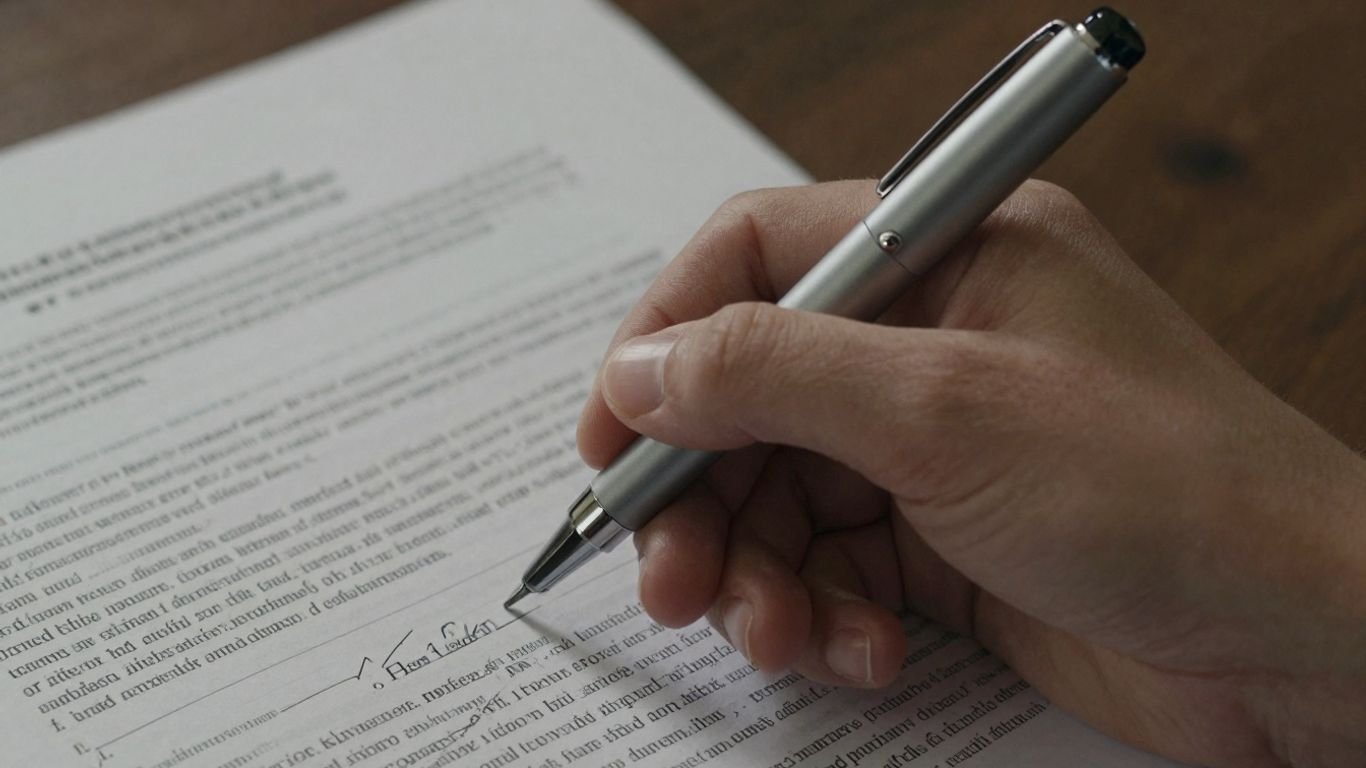
So, there’s this whole debate going on about whether a president’s signature on official documents, like pardons or executive orders, has to be done by hand. Some people, like former President Trump, are saying that if an autopen – basically a machine that copies a signature – was used, then those documents aren’t valid. This idea is being used to challenge a lot of things, and it brings up some interesting questions about presidential power and how we trust the government. We’re going to look at the arguments, what’s happened before, and what it all means for the future, especially when it comes to SCOTUS and any Federal Judge that was signed into a bench with an autopen.
Key Takeaways
- The use of an autopen for presidential signatures on documents like pardons is being challenged as a way to question the validity of executive actions.
- Past presidents have used autopens, and legal opinions from the Justice Department have supported their use for signing bills into law.
- The Constitution doesn’t explicitly state that a president must sign every document by hand, leading to arguments about the necessity of a personal signature.
- Arguments against the autopen often stem from a desire to invalidate predecessor’s decisions, but legal scholars generally agree that pardons, once granted, cannot be reversed.
- The debate over autopen signatures raises questions about presidential authority, technological use in governance, and the ultimate role of SCOTUS and Federal Judges in interpreting these issues.
Challenging Judicial Legitimacy Through Signature Scrutiny
The Autopen Argument: A Tool to Question Authority
So, the big talk lately is about whether presidential signatures on official documents actually matter. It sounds a bit silly, right? Like, who cares if a signature is stamped or signed by hand? But some folks are digging into this, claiming that if a president uses something called an ‘autopen’ – basically a machine that copies a signature – then the document isn’t legit. This whole autopen debate is really about questioning the authority of the current administration and the decisions made. It’s a way to say, ‘Hold on a minute, was this even properly done?’
Think about it. If a signature is supposed to be the president’s personal mark of approval, and it’s just a machine doing the work, does that really count? It raises questions about whether the president was even aware of what was being signed. It’s like getting a letter from your boss that looks like their signature, but you know they were on vacation. Did they really approve this?
- The core idea: A signature is meant to be a personal act. Using a machine bypasses that personal touch.
- The implication: If the signature isn’t personal, the document might not have the president’s true consent.
- The goal: To create legal challenges and sow doubt about the validity of executive actions.
This whole argument about signatures feels like a legal loophole being exploited. It’s less about the actual signature and more about finding any technicality to undermine actions you don’t like.
Undermining Predecessor’s Decisions
This autopen thing really comes into play when people want to challenge what a previous president did. For instance, if President Biden issued pardons using an autopen, someone like Donald Trump might argue those pardons are invalid. It’s a strategy to try and undo decisions made by the other side. It’s not just about the signature itself, but about using that signature – or lack thereof – to attack the legitimacy of past actions. It’s a pretty sharp tactic, if you ask me, and it’s definitely making waves in legal circles. The Justice Department has had to deal with similar issues before, like when identical copies of President Trump’s signature appeared online [dcc9].
The Heritage Foundation’s Role in Legal Strategy
It seems like groups like The Heritage Foundation are really pushing this autopen argument. They’re looking for ways to poke holes in the legal standing of executive actions they disagree with. It’s not just random people making noise; there’s a coordinated effort here to use these kinds of technicalities to challenge presidential authority. They’re essentially building a case, piece by piece, to argue that certain presidential acts weren’t done correctly. This kind of strategic legal thinking can have a big impact on how laws and executive orders are viewed and enforced down the line.
Historical Precedents and Presidential Powers
Autopen Use by Past Presidents
Look, presidents have been using fancy signature machines for ages. It’s not some newfangled trick. Think about it, back in the day, presidents like Abraham Lincoln didn’t always sign every single document themselves. Sometimes, their secretaries or other officials would handle it, using a signature that looked like the president’s. We’ve seen evidence of this with Lincoln’s pardons – some of the signatures just don’t quite match his known handwriting.
It turns out, this practice wasn’t just a 19th-century thing. Presidents like JFK and even George W. Bush have used similar devices. The Justice Department even put out a memo back in 2005 saying a president doesn’t have to physically sign a bill for it to become law; they can have someone else do it, or use a machine like an autopen. It makes sense, right? Presidents are busy people, and sometimes they’re not even in the office when something needs signing.
The Pardon Power: A Core Presidential Authority
The Constitution gives the President the power to grant pardons. It’s a pretty big deal, a core part of the job. But here’s the kicker: the Constitution doesn’t actually say how a pardon has to be signed. It doesn’t mention anything about a personal, handwritten signature. Some legal folks even argue that a pardon could technically be granted orally.
The important thing is the President’s decision to pardon someone. Once that decision is made and the pardon is issued, it’s pretty much final. You can’t just take it back. Courts have said this for a long time, going back to 1869. Trying to argue that a pardon can be undone because of how it was signed is a shaky legal argument, and frankly, it could come back to bite you if a future president decided to do the same thing to your actions.
Constitutional Ambiguity on Signature Requirements
This whole autopen debate really highlights a gap in the Constitution. When it comes to signing bills into law, Article I, Section 7 is pretty clear: the President approves, and then he signs it. But for things like pardons, the language is different. Article II, Section 2, Clause 1 just says the President has the power to grant pardons.
There’s no mention of a signature, let alone a specific method for signing. This lack of detail is where the arguments come in. If the Constitution doesn’t specify a handwritten signature for pardons, then using an autopen, or having a subordinate sign, seems perfectly fine based on historical practice and legal opinions. It’s a bit of a gray area, and that’s why people are trying to make a big deal out of it now.
The Constitution is silent on the exact method of signing presidential documents like pardons. Historical practice and legal interpretations suggest flexibility in how these acts are executed, focusing on the President’s intent rather than the physical act of signing.
Here’s a quick look at how signatures on official documents have been handled:
- Historical Practice: Presidents have often relied on staff or mechanical devices to affix signatures to official documents, especially for large numbers of pardons or when the President was unavailable.
- Legal Opinions: Justice Department memos have supported the use of autopens or delegated signing authority, stating that a personal signature isn’t always required for a document to be legally valid.
- Constitutional Text: The Constitution outlines the President’s power to pardon but does not mandate a specific signing method, leaving room for interpretation and established practice.
It’s interesting to see how these historical precedents and the actual words in the Constitution play into current legal arguments. It’s not as simple as just saying ‘autopen equals fake.’ There’s a lot more to it.
The Legal Battle Over Executive Actions

Arguments for Autopen Invalidity
So, the big question is whether using an autopen to sign official documents, like executive orders or pardons, actually makes them invalid. Some folks, particularly those aligned with a certain political viewpoint, are pushing this idea hard. They argue that the Constitution, or at least the spirit of it, requires a president’s personal, hand-written signature.
It’s like saying a painting isn’t real art unless the artist personally brushed every stroke, no matter how many paintings they need to produce. This line of thinking suggests that any document signed by a machine, even if it’s the president’s own signature replicated, is somehow less legitimate. It’s a way to challenge the authority of actions taken by a president, especially if those actions are unpopular with the challenger.
Judicial Interpretation of Presidential Signatures
Courts have had to look at this stuff before, though maybe not exactly with autopens in the modern sense. The general idea is that presidential actions need to be official. But what counts as official? Historically, presidents have used various methods to get documents signed, especially when they’re swamped with work.
Think about it: a president might be on a plane, or recovering from an injury, or just has a mountain of paperwork. Does the whole country grind to a halt because they can’t physically sign something? The courts have generally said no, as long as there’s a clear process and intent behind the signature. They look at whether the president directed the action and if the signature, however it’s applied, represents that direction. It’s a balancing act between tradition and the practical needs of running a country.
SCOTUS and Federal Judges: The Ultimate Arbiters
Ultimately, when these arguments get serious, they end up in front of judges, and if it’s a big enough deal, the Supreme Court. These are the folks who get to decide what the law really means. They’ll look at the Constitution, past rulings, and the specific facts of the case. The autopen argument, while catchy, faces an uphill battle.
The Supreme Court has already said that presidential powers, like granting pardons, are pretty broad. Trying to invalidate those actions based on the method of signing, rather than the substance of the decision itself, is a tough legal sell. It’s more likely that judges will focus on whether the president intended to approve the action, not whether their hand physically held the pen. The real power lies with the courts to interpret these signature requirements in the context of modern governance.
The idea that a machine signature invalidates an executive action is a novel legal theory. It suggests a president’s ability to govern could be crippled by a technicality, ignoring the practical realities of the office and the established legal precedents that allow for efficient execution of presidential duties. This approach seems more about political obstruction than genuine legal concern.
Examining the Autopen’s Practical Implications
When Presidents Cannot Sign By Hand
Look, sometimes a president just can’t physically sign something. Maybe they’re traveling, maybe they’ve got a bum wrist, who knows? That’s where the autopen comes in handy. It’s not some fancy new gadget; presidents have been using these things for ages. Think about it: if a president is out of the country and a pardon needs to be signed right now to stop some injustice, are we supposed to just let it slide because the president’s hand is busy shaking hands with foreign leaders? That seems pretty silly.
Ensuring Timeliness of Critical Decisions
This whole autopen debate gets pretty heated, but let’s be real. Government moves fast, or at least it’s supposed to. When you’ve got urgent decisions piling up – pardons, executive orders, you name it – waiting for a president to personally ink every single document can cause major delays. The autopen is a tool that lets the executive branch keep functioning, even when the president isn’t sitting at their desk with a pen in hand. It’s about making sure important stuff gets done without unnecessary bottlenecks.
The Autopen as a Mechanism for Efficiency
Honestly, it just makes sense to use tools that make things more efficient. Presidents deal with a mountain of paperwork. Using an autopen for certain documents, especially those that are routine or don’t require deep personal deliberation, can save a ton of time. This isn’t about shirking responsibility; it’s about smart delegation and using technology to handle the load. The real question isn’t if a president uses an autopen, but whether the actions taken are legitimate and serve the country’s best interests.
The Constitution doesn’t explicitly say a president has to sign every single piece of paper by hand. Legal minds have gone back and forth on this, but the general idea is that the power of the presidency isn’t tied to the physical act of signing. It’s about the authority behind the signature, whatever form it takes.
Here’s a quick look at how it plays out:
- Routine Correspondence: Sending thank-you notes or acknowledging constituent letters. These are often handled with automated signatures.
- Pardons and Commutations: In urgent situations, an autopen can ensure timely action, preventing potential miscarriages of justice.
- Executive Orders: While major policy shifts usually involve direct presidential input, routine administrative orders can benefit from efficient signing processes.
It’s not about avoiding work; it’s about working smarter.
The Future of Presidential Signatures and Judicial Review
Delegation of Authority in the Modern Era
So, what does all this autopen talk mean for the future? It’s a messy question, really. We’ve seen how presidents, going way back, have used different methods to get things done. Sometimes it’s a personal signature, other times it’s a trusted aide, and now, it’s machines. The idea that a machine signature automatically invalidates a presidential action, like a pardon, is a pretty bold claim. It seems like a way to challenge decisions you don’t like, rather than a genuine concern about the process itself. The Constitution doesn’t exactly spell out every single detail of how a president signs things, leaving room for interpretation. And frankly, some of these arguments feel like they’re trying to find loopholes.
The Role of Technology in Governance
Technology is changing everything, and the presidency isn’t immune. Using an autopen isn’t some newfangled trick; it’s been around for a while as a practical tool. Think about it: what happens when a president is traveling, or has a schedule packed tighter than a sardine can? They can’t always be at their desk to sign every single document by hand. The autopen, or similar technologies, allow the executive branch to keep functioning. It’s about efficiency, especially when critical decisions need to be made quickly. Trying to argue that this makes an action void seems to ignore the practical realities of running a country in the 21st century.
Preserving the Integrity of SCOTUS and Federal Judges
Ultimately, these kinds of challenges end up in the courts. The Supreme Court and federal judges are the ones who have to sort out these arguments about signatures and legitimacy. They’ll have to look at historical practices, constitutional intent, and the practical needs of the executive branch. It’s a tough job, trying to balance tradition with the demands of modern governance.
The real question is whether the courts will get bogged down in signature technicalities or focus on the substance of presidential actions. If every autopen signature becomes grounds for a legal battle, it could paralyze the government. We need a clear understanding of what constitutes a valid presidential act, one that doesn’t rely on outdated notions of how signatures must be applied.
The push to invalidate presidential actions based on signature methods feels less about constitutional purity and more about political obstruction. It’s a tactic to sow doubt and create chaos, hoping the courts will buy into a narrow, impractical interpretation of executive authority. This approach risks undermining the very stability the legal system is meant to uphold.
Wrapping It Up
Look, the whole autopen thing is a bit of a mess, isn’t it? It seems like a lot of noise about whether a signature was put on by hand or by a machine. The courts have pretty much said it doesn’t matter for things like pardons, and presidents have used these devices for ages. Trying to use this as a way to just toss out decisions made by a previous administration feels like a stretch, and frankly, it’s not a solid legal argument. We’ve got bigger things to worry about than how a signature got onto a piece of paper. Let’s focus on what actually matters for the country, not these kinds of technicalities.
Frequently Asked Questions
What is an autopen and why are people talking about it?
An autopen is a machine that can copy a signature. People are talking about it because some politicians claim that if a president uses an autopen instead of signing something by hand, then that document isn’t real or legal. This idea is being used to question decisions made by past presidents.
Can a president really use an autopen to sign official documents?
Yes, presidents have used autopens for a long time to sign many kinds of papers. It’s a way to get things done quickly, especially when a president has many documents to sign or is not available to sign them personally. The government has said in the past that this is a legal way for presidents to sign things.
Does using an autopen make a presidential order or pardon invalid?
Most legal experts believe that using an autopen does not make a presidential order or pardon invalid. The Constitution doesn’t say a president must sign every document by hand. The important thing is that the president approved the action, not necessarily how the signature got there.
Have past presidents used autopens?
Absolutely. Presidents like Barack Obama, George W. Bush, and even earlier ones like Abraham Lincoln (or his staff on his behalf) have used autopens or similar tools to sign documents. It’s a long-standing practice for efficiency.
Why would someone try to say autopen signatures are illegal?
Sometimes, people try to challenge decisions made by a president they disagree with. By claiming that an autopen signature isn’t valid, they hope to get those decisions thrown out in court. It’s a legal strategy to question the authority behind the signature.
What happens if a president can’t sign something by hand?
That’s a good question! If a president is sick, injured, or traveling, an autopen can ensure important actions, like issuing a pardon to prevent a wrongful execution, can still happen on time. It makes sure the president’s power isn’t stopped just because they can’t physically hold a pen.
![European leaders meeting, [Donald Trump] on screen](https://countrybrief.com/wp-content/uploads/2025/11/thumbnail-74-768x432.jpeg)