ICE Shootings Spark Outrage: Two U.S. Citizens Killed in Minneapolis Raids
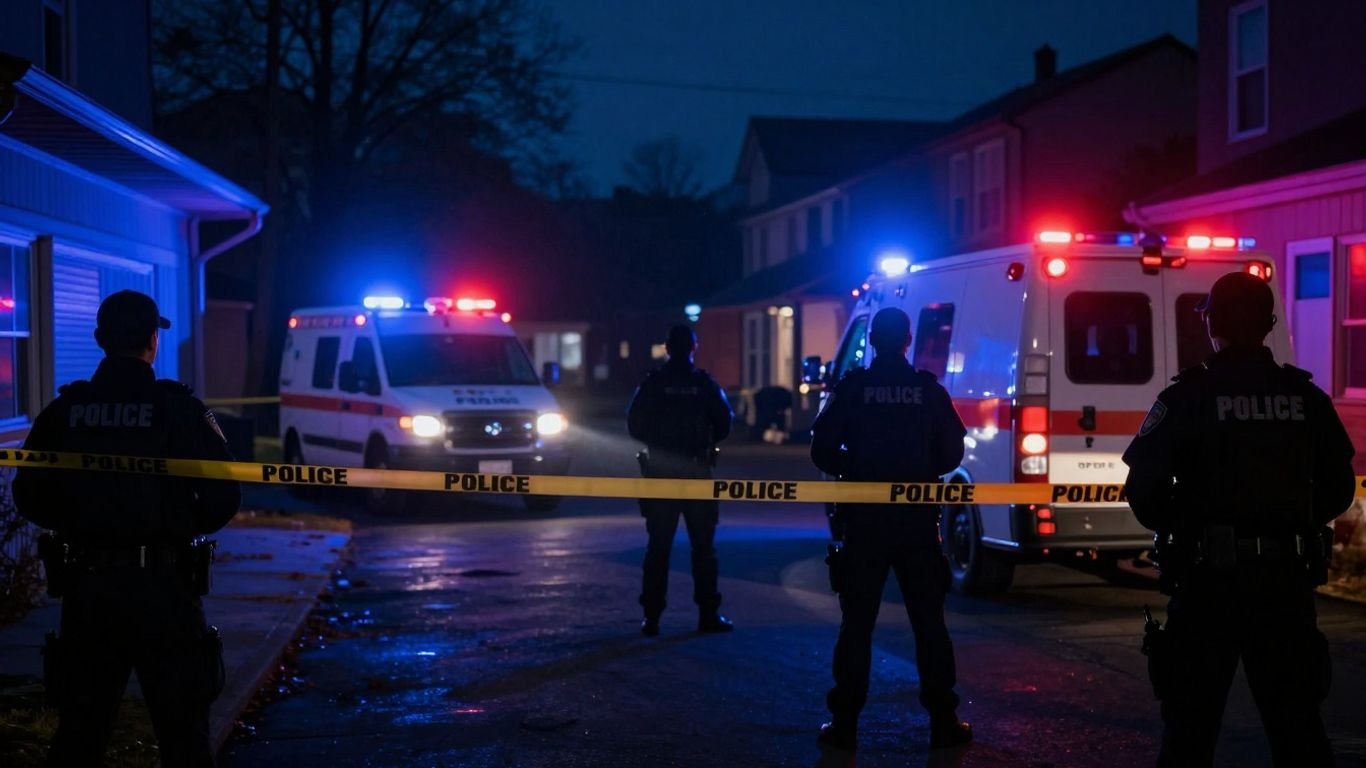
U.S. Immigration and Customs Enforcement (ICE) agents have fatally shot two U.S. citizens during separate enforcement actions in Minneapolis this month. These incidents occurred amidst President Donald Trump’s intensified immigration policies, raising serious questions about the use of force by federal agents and the targeting of American citizens.
The events have ignited a firestorm of controversy, with civil rights advocates and local officials demanding accountability and a thorough investigation into the circumstances surrounding the deaths.
Key Takeaways
- Two U.S. citizens were killed by ICE agents in Minneapolis.
- The shootings occurred during immigration enforcement actions.
- The incidents are part of a broader, hardline immigration strategy.
- Questions are being raised about ICE’s use of force and potential prosecution of agents.
Escalating Tensions Amidst Immigration Crackdown
The fatal encounters underscore the volatile nature of President Trump’s aggressive immigration agenda. Critics argue that the increased enforcement activities, often carried out by heavily armed agents, create an environment ripe for tragic misjudgments and excessive force. The fact that the individuals killed were U.S. citizens, not undocumented immigrants, has amplified public concern and led to calls for greater oversight of ICE operations.
Calls for Accountability and Investigation
Following the shootings, there have been widespread demands for transparency and justice. Civil liberties organizations are urging for independent investigations into the actions of the ICE agents involved. Discussions have also surfaced regarding the legal ramifications for agents who use deadly force, including whether they can be prosecuted for their actions, particularly when U.S. citizens are the victims.
The Minneapolis incidents serve as a stark reminder of the profound impact of immigration policy on communities and the critical need for robust checks and balances on law enforcement powers.