Iran’s Political Scene: What’s Happening?
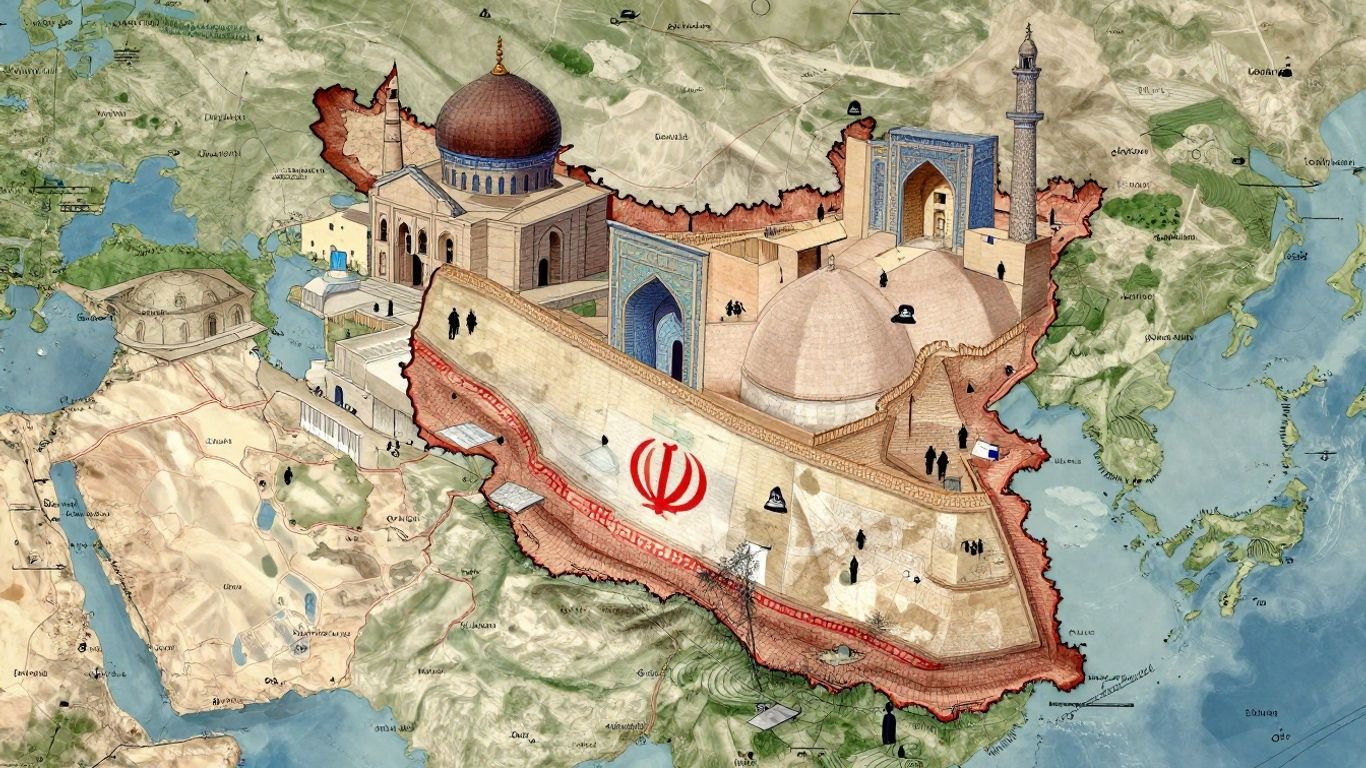
Things are really up in the air in Iran right now. The country’s top leader is gone, and honestly, nobody seems to know for sure what happens next. It feels like a big moment, and everyone’s watching to see how Iran politics plays out.
Key Takeaways
- The death of the Supreme Leader has created a huge power gap, and the process to pick a successor is already underway, though it’s happening behind closed doors.
- While the government is trying to show things are stable, the recent strikes have weakened Iran’s leadership and military command.
- Internal power struggles are likely, especially concerning the role of the Revolutionary Guards and potential candidates like Mojtaba Khamenei.
- The region is on edge, with worries about further conflict and how Iran might react, potentially drawing in other groups.
- It’s unclear if the current system can survive these pressures, and the future of Iran politics remains very uncertain, with external intervention having its limits.
The Unraveling Of Iran’s Leadership
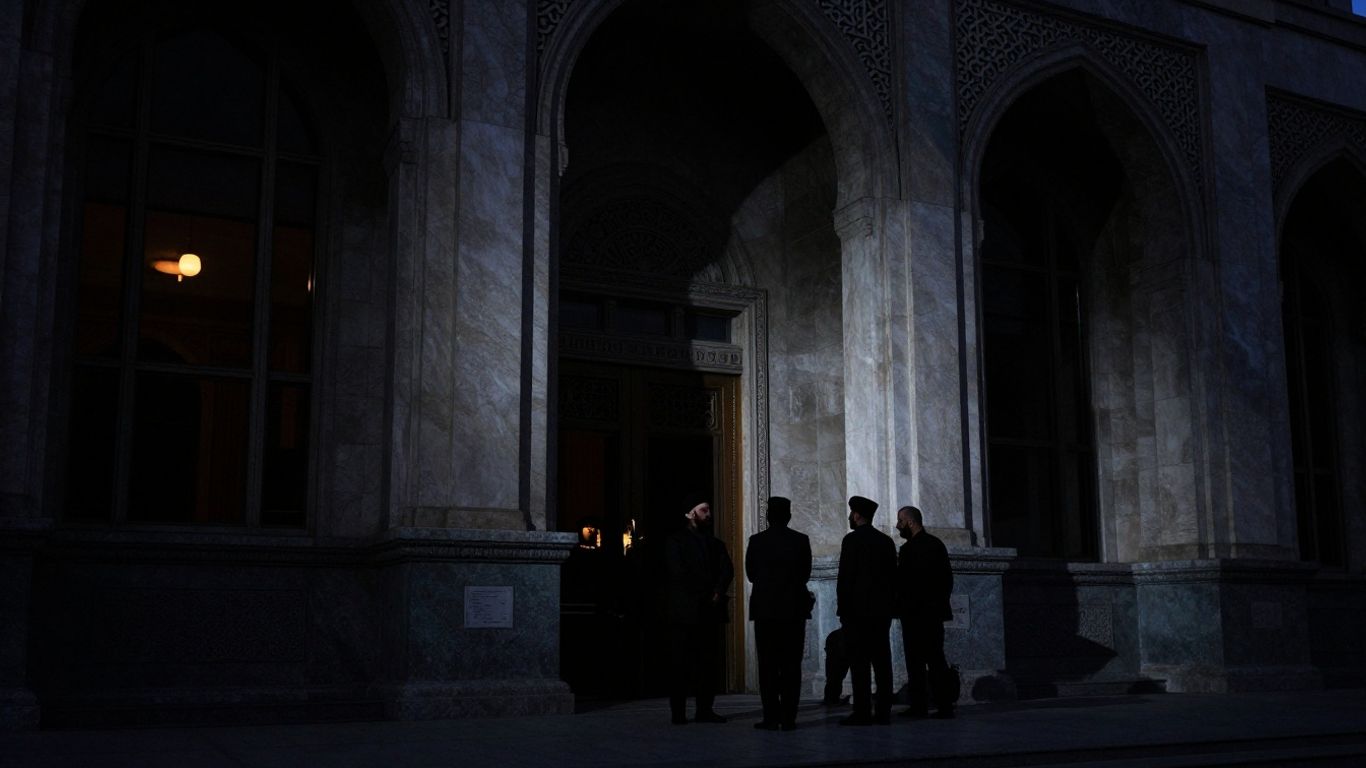
Well, it looks like the top dog in Iran, Ayatollah Ali Khamenei, is gone. This is a pretty big deal, leaving a massive hole in how the country is run. For 37 years, he was basically in charge of everything – the laws, the military, you name it. His word was final.
A Power Vacuum Left By The Supreme Leader
Khamenei’s death, thanks to those recent US and Israeli strikes, has thrown Iran into a real mess. It’s probably the most unstable it’s been since the revolution back in ’79. People in some cities were actually celebrating, which tells you something about how he was viewed. It’s like a door has opened that years of protests couldn’t budge.
Succession Plans Under Scrutiny
So, who’s next? That’s the million-dollar question. The constitution has a plan, sort of. A temporary three-person council is supposed to take over – the president, the head of the judiciary, and someone from the Guardian Council. But honestly, with the strikes still happening and all the chaos, who knows if that plan will actually work out. It’s all up in the air right now.
The Role Of The Revolutionary Guards
Now, the Islamic Revolutionary Guard Corps (IRGC) is a big player here. They’re basically the military arm of the regime. Their loyalty is key to whether this whole system stays standing. Some reports say a bunch of their top commanders got wiped out in the strikes, which could really shake things up internally. It makes you wonder if they’ll stick together or if this whole thing starts to fall apart from the inside.
Internal Power Dynamics And Succession
Mojtaba Khamenei’s Potential Ascent
The death of the Supreme Leader, Ayatollah Ali Khamenei, has thrown the spotlight onto who might fill his very large shoes. While the official process involves the Assembly of Experts, whispers about potential successors have been circulating for years. One name that keeps popping up is Mojtaba Khamenei, the Supreme Leader’s son. He’s reportedly been building influence behind the scenes, and some believe he’s being groomed for the top job. It’s not a done deal, though. The whole system is pretty opaque, and you never know what kind of deals are being cut in those closed-door meetings. The idea of a hereditary succession in Iran is a real possibility, but it’s far from guaranteed.
Shifting Balances Within The IRGC
The Islamic Revolutionary Guard Corps (IRGC) is a massive player in Iran’s power structure. With the Supreme Leader gone, their role becomes even more critical. Recent strikes have reportedly taken out some key IRGC commanders, which could shake things up internally. This might create openings for new leaders to emerge within the Guard, or it could lead to infighting. The IRGC’s loyalty is to the regime, and their internal stability directly impacts the government’s ability to stay in power. It’s a complex web, and any shift in the IRGC’s leadership could have big consequences for the entire country. We’re talking about a major shift in the internal power struggles within Iran’s regime.
The Assembly Of Experts’ Crucial Role
This 88-member group of clerics is constitutionally tasked with selecting the next Supreme Leader. Sounds straightforward, right? Well, not exactly. This assembly is known to be pretty divided, with different factions vying for influence. The selection process is done behind closed doors, and there’s a lot of political maneuvering involved. They have to approve candidates, and that vetting process is controlled by bodies that are themselves deeply connected to the current leadership. So, while they have the official power, the real decisions might be made elsewhere. It’s a system designed to maintain continuity, not necessarily to bring in fresh ideas or real change.
The Regime’s Grip On Power
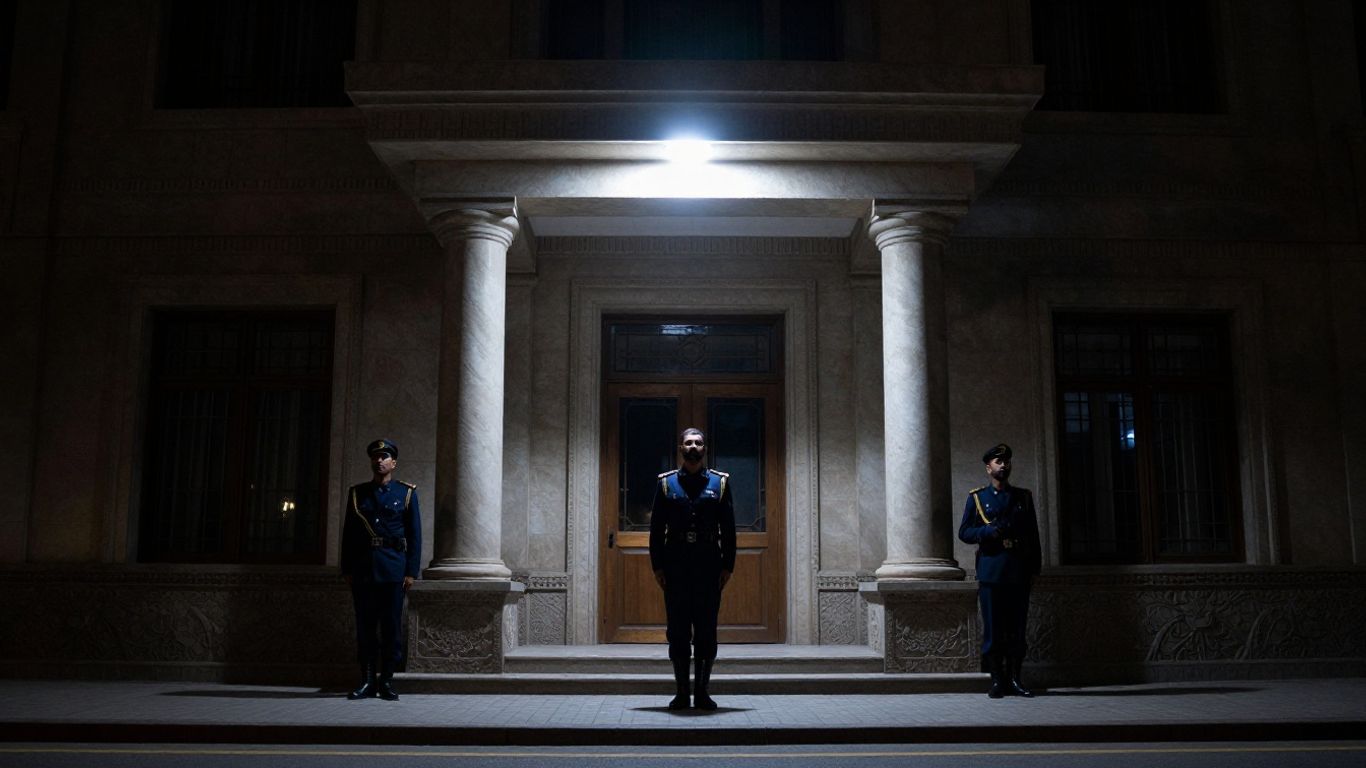
Institutional Continuity Amidst Crisis
The death of the Supreme Leader has certainly shaken things up, no doubt about it. It feels like the rug’s been pulled out from under the whole operation. But here’s the thing: the system itself is built to keep going, even when the top guy is gone. Think of it like a big, old machine. You can replace a part, even a really important one, and the machine might sputter for a bit, but it’s designed to keep chugging along. That’s what we’re seeing with Iran’s government right now. They’ve got structures in place, layers of bureaucracy, and a whole lot of people whose jobs depend on keeping things running. It’s not a one-man show, even if it looks like it from the outside. The real question is how well those existing structures can handle the pressure cooker they’re in.
The Military’s Loyalty To The Theocracy
When things get tough, you always look to the military, right? In Iran, that means the Islamic Revolutionary Guard Corps (IRGC). These guys are deeply tied to the current system. Their fortunes, their power, their very existence – it’s all wrapped up with the survival of the theocracy. They’re not just soldiers; they’re a political force, and they’ve got a lot to lose if the regime falls. So, it’s pretty safe to say they’re going to do whatever it takes to protect it. They’re the guardians, and that means defending against anyone who tries to mess with the status quo, whether they’re coming from inside or outside the country. It’s a matter of self-preservation, plain and simple.
Suppression Of Dissent And Protests
Let’s be honest, the regime isn’t exactly known for its tolerance. When people start protesting, especially after something as big as the Supreme Leader’s death, the government’s first instinct is to clamp down. They’ve got a history of dealing with dissent pretty harshly, and you can bet they’re not going to let things get out of hand now. The IRGC and other security forces are there to maintain order, and that often means silencing opposition. It’s a way to show strength and control when things feel uncertain. They want to make sure everyone knows who’s in charge, and they’re not afraid to use force to do it. It’s a tough stance, but it’s what they’ve always done.
The regime’s survival hinges on its ability to maintain control through its established institutions and security forces. While the loss of a central leader creates instability, the deep integration of the military and the state apparatus means a collapse is not a foregone conclusion. Their primary objective is self-preservation, which translates to defending the current order at all costs.
Regional Implications Of The Strikes
The recent strikes have really shaken things up across the Middle East, and frankly, it’s a mess. Iran, despite losing some top brass, isn’t just going to sit there. They’ve shown they can still hit back, and that’s got everyone on edge. This isn’t just about Iran anymore; it’s about how far this conflict spreads and who gets dragged in.
Escalation And Proxy Warfare
Iran’s playbook seems to be about making the whole region pay if they’re attacked. They’re using everything from drones to missiles, and not just directly. They’ve got allies, or proxies as some call them, scattered across the Middle East. Think Hezbollah in Lebanon, or other groups in Syria and Iraq. When Iran gets hit, these groups often stir up trouble too. It’s a way to stretch the enemy thin and make them fight on multiple fronts. This whole strategy is designed to make any further attacks on Iran incredibly costly for everyone involved.
- Missile Barrages: Iran has launched large numbers of missiles and drones.
- Proxy Actions: Allies like Hezbollah have also fired rockets into Israel.
- Strait of Hormuz Threat: Iran has hinted at disrupting oil shipments through this vital waterway.
The goal here is to create a wider conflict, making it harder for the US and Israel to focus solely on Iran. It’s a dangerous game, but it’s how they’ve always operated when cornered.
Tehran’s Leverage In Wider Conflict
If this conflict keeps expanding, Iran might actually gain some ground, believe it or not. If their allies start joining the fray in a big way, it puts more pressure on the US and Israel. They might be forced to negotiate or at least back off from demanding total surrender. It’s a classic move: make the cost of fighting you so high that the other side wants to talk. This is especially true when you consider how much of the world’s oil passes through the Strait of Hormuz. Any disruption there sends shockwaves through the global economy, and that’s something Western governments can’t ignore. The US and Israel are trying to manage this, but the US and Israeli military operation against Iran has definitely complicated things.
The Threat Of Systemic Breakdown
On the flip side, all this pressure could actually cause Iran’s own system to crack. If the military and security forces start to fracture, or if they stop following orders from the top – especially with the Supreme Leader gone – then all the official plans for succession go out the window. Things could just fall apart on the ground. It’s a real possibility that the regime’s grip could weaken significantly, leading to widespread chaos. This is what happens when you push a country too hard, especially one already dealing with internal divisions and a leadership vacuum. The coming days will show if the Iranian military can stay united under such intense strain.
The Future Of Iran Politics
Will The Regime Survive?
It’s the million-dollar question, isn’t it? With the Supreme Leader gone and the country under fire, a lot of folks are wondering if this is the beginning of the end for the current Iranian government. The regime has been around for a while, and it’s got deep roots, especially with the Revolutionary Guards. They’re not exactly known for giving up power easily. They’ve weathered storms before, and they’ve got systems in place to keep things running, even without their top guy. It’s not like it’s a one-man show, even though the Supreme Leader was the big boss. The institutions are still there, and the military seems pretty loyal to keeping the theocracy in charge. So, while things are definitely shaky, don’t expect a sudden flip to democracy overnight. It’s more likely to get complicated, maybe a bit more flexible, but still firmly in the hands of the same crowd.
The Unpredictability Of Iran Politics
Honestly, trying to predict what happens next in Iran feels like a fool’s errand. The whole succession plan is a mess. We heard whispers about Khamenei’s son, Mojtaba, but with key commanders getting wiped out in the recent strikes, who knows if that’s still on the table? Remember back in ’89 when Khamenei himself wasn’t even a frontrunner? Anything can happen. The Assembly of Experts, the group that picks the next leader, is apparently pretty divided. Expect a lot of backroom deals and compromises. Some say they’ll pick a new leader in days, others think they’ll wait until the dust settles from all this fighting. It makes sense, right? Naming someone now just paints a target on their back. The whole situation is a powder keg, and who knows what spark will set it off.
The Limits Of External Intervention
Everyone’s looking to the outside, wondering if other countries will step in and force a change. President Trump has been pretty vocal, encouraging people to rise up. But let’s be real, how does that actually happen? You can’t just have people storming the palace without some serious muscle behind them. And who’s going to provide that? The US isn’t exactly eager to send in ground troops, even if they’ve hinted at it. Plus, any outside interference could just make things worse, potentially drawing in more regional players and escalating the whole conflict. It’s a delicate balance, and pushing too hard could backfire spectacularly. Iran’s got a history of lashing out when cornered, and that’s not something anyone wants to see.
Here’s a quick look at some of the key players and their potential roles:
- Mojtaba Khamenei: Son of the late Supreme Leader. His path to leadership was once considered likely, but recent events may have complicated his chances.
- Revolutionary Guards (IRGC): A powerful military force deeply integrated into the regime. Their loyalty and cohesion are critical to the government’s survival.
- Assembly of Experts: An 88-member clerical body responsible for selecting the Supreme Leader. Internal divisions could lead to a prolonged and contentious process.
The regime’s survival hinges on its ability to maintain internal control amidst external pressure and potential internal dissent. The military’s continued loyalty is paramount, but the ongoing conflict and leadership vacuum create unprecedented uncertainty.
Navigating The Crisis
Iran’s Vulnerability Exposed
Right now, it feels like Iran is teetering on the edge. With the Supreme Leader gone and the leadership shaken up, the country’s vulnerabilities are laid bare for everyone to see. Strikes on Tehran’s territory and continued attacks back and forth have really pushed Iran into a rough spot. Few believed the regime could be shaken this much by targeted military action. It’s hard to ignore the fact that several top commanders are out, command centers battered, and the decision-making process more frantic than ever. Ordinary Iranians are seeing both turmoil and celebrations in major cities, which tells you something is different this time around. For some more context on previous Iranian responses, see this summary of recent missile attacks targeting Israel and others.
The Capacity For Retaliation
Despite these blows, Iran’s response has been swift and not just symbolic. It’s clear the nation can still launch hundreds of missiles if pressed, tapping into asymmetric tactics and regional proxies. There’s also talk of possible disruption in the Strait of Hormuz — a move that would shake world energy markets. Still, the real power isn’t just in firepower but in the willingness to keep going despite mounting losses. Below is a table breaking down recent regional moves:
| Move | Impact |
|---|---|
| Missile launches | Retaliatory, signals strength |
| Proxy group actions | Expands pressure to Israel/US interests |
| Threats to shipping | Pressure on global oil market |
Testing Political Resolve
This is where things could get dicey. On one hand, Tehran is desperately trying to hold its fragmented system together. On the other, foreign powers like the US and Israel keep tightening the screws. There’s internal pressure too: new protests could spring up in the chaos, and if the security forces start to crack, it’s anybody’s guess what comes next.
- The regime has to show stability to rally support.
- Regional allies are watching for a chance to push their own agendas.
- Western leaders must decide how hard to press without pushing Iran over the edge.
At the end of the day, it’s not just about missiles or street protests—it’s about whether the people running Iran can stand firm while everything around them changes. If any group blinks, the whole system could unravel overnight.
What’s Next for Iran?
Look, nobody really knows what’s going to happen next in Iran. The big boss is gone, and the military took a serious hit. There’s talk about who might step up, maybe Khamenei’s son, but honestly, it’s all up in the air. The whole system is built to keep things going, so don’t expect a sudden change to freedom and democracy. The military guys, especially the Revolutionary Guard, are pretty much tied to the regime surviving. They’ll fight to keep it going because if it falls, they fall too. It’s a mess, and the fighting could spread. We’ll just have to wait and see if the government can keep control with all this pressure, or if people start protesting in big numbers again. It’s going to be a tense few days, that’s for sure.
Frequently Asked Questions
What happened to Iran’s Supreme Leader?
Iran’s top leader, Ayatollah Ali Khamenei, was killed in recent air strikes. He was the most important figure in the country, holding ultimate power over all government branches for many years.
Who will take over after the Supreme Leader’s death?
Iran’s constitution has a plan for this. A temporary council is now in charge. The selection of a new permanent leader will be made by a group of religious leaders called the Assembly of Experts, but this process can be complicated and take time.
Could Iran’s government collapse?
While the leader’s death is a huge event, the government has many established parts, like the Revolutionary Guard, that are designed to keep things running. It’s unlikely the whole system will fall apart easily, but the coming days are uncertain.
What does this mean for the region?
There’s a risk that fighting could spread. Iran might try to get its allies in other countries to join in. This could lead to bigger conflicts in the Middle East.
Can Iran fight back?
Even with the loss of some top commanders, Iran has shown it can still strike back. The country still has military forces and the will to use them, which makes the situation more dangerous.
Is regime change likely in Iran?
It’s hard to say. While some people hope for a change, Iran’s government has strong control. Military action alone hasn’t always worked to change governments, and there’s no clear alternative ready to take over.