Market Crash Could Trigger Recession in 2026, Analysts Warn
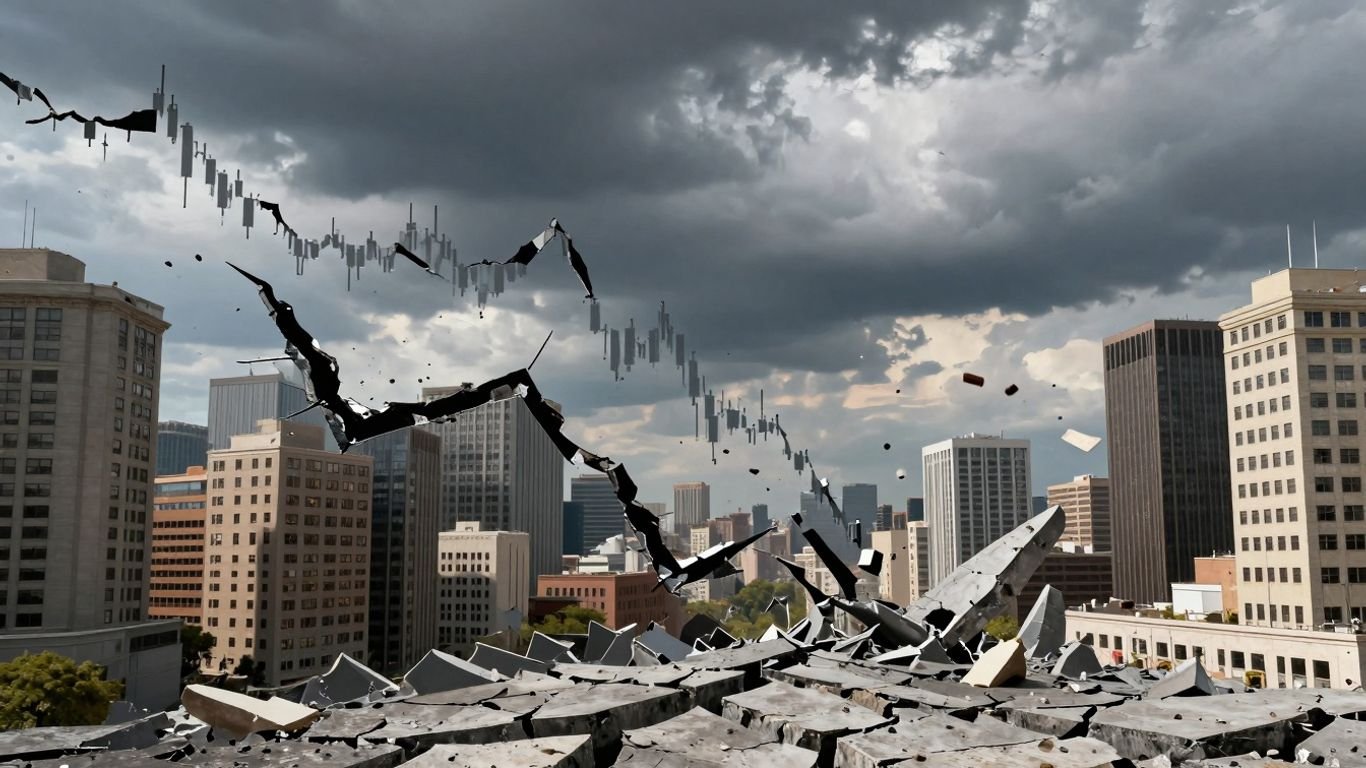
As 2026 approaches, a significant shift in economic risk is anticipated. Instead of a recession leading to a market downturn, experts are increasingly concerned that a sharp decline in the stock market could be the catalyst for a broader economic recession. This inversion of the typical cause-and-effect relationship signals a potentially volatile year ahead for both investors and the global economy.
Key Takeaways
- The traditional economic model where recession precedes market crash is being challenged.
- A market crash is now seen as a more likely trigger for a recession.
- The "Friendliest Fed" environment may coincide with the narrowest market rallies.
Shifting Economic Dynamics
Analysts are pointing to a confluence of factors that could lead to this inverted risk scenario. The Federal Reserve’s accommodative stance, often termed the "Friendliest Fed," might be meeting a market characterized by narrow rallies. This suggests that while the central bank may be supportive, the underlying breadth and strength of market gains could be limited, making it more susceptible to a sudden shock.
The Risk of a Cascade
The concern is that a significant market correction, triggered by any number of factors such as geopolitical instability, unexpected inflation spikes, or corporate earnings disappointments, could rapidly erode consumer and business confidence. This loss of confidence could then lead to reduced spending, investment freezes, and ultimately, a full-blown recession. The speed at which such a cascade could occur is a primary worry.
What to Watch For
Investors and policymakers will need to closely monitor not only macroeconomic indicators but also the internal health of the stock market. Signs of weakening breadth in market rallies, increasing volatility, and a disconnect between market performance and economic fundamentals could serve as early warnings. The coming year presents a complex challenge, requiring a nuanced understanding of how market forces and economic realities might interact in unprecedented ways.