
Market Watch: Are Cheap Hedges the Key if Santa Claus Rally Fails?
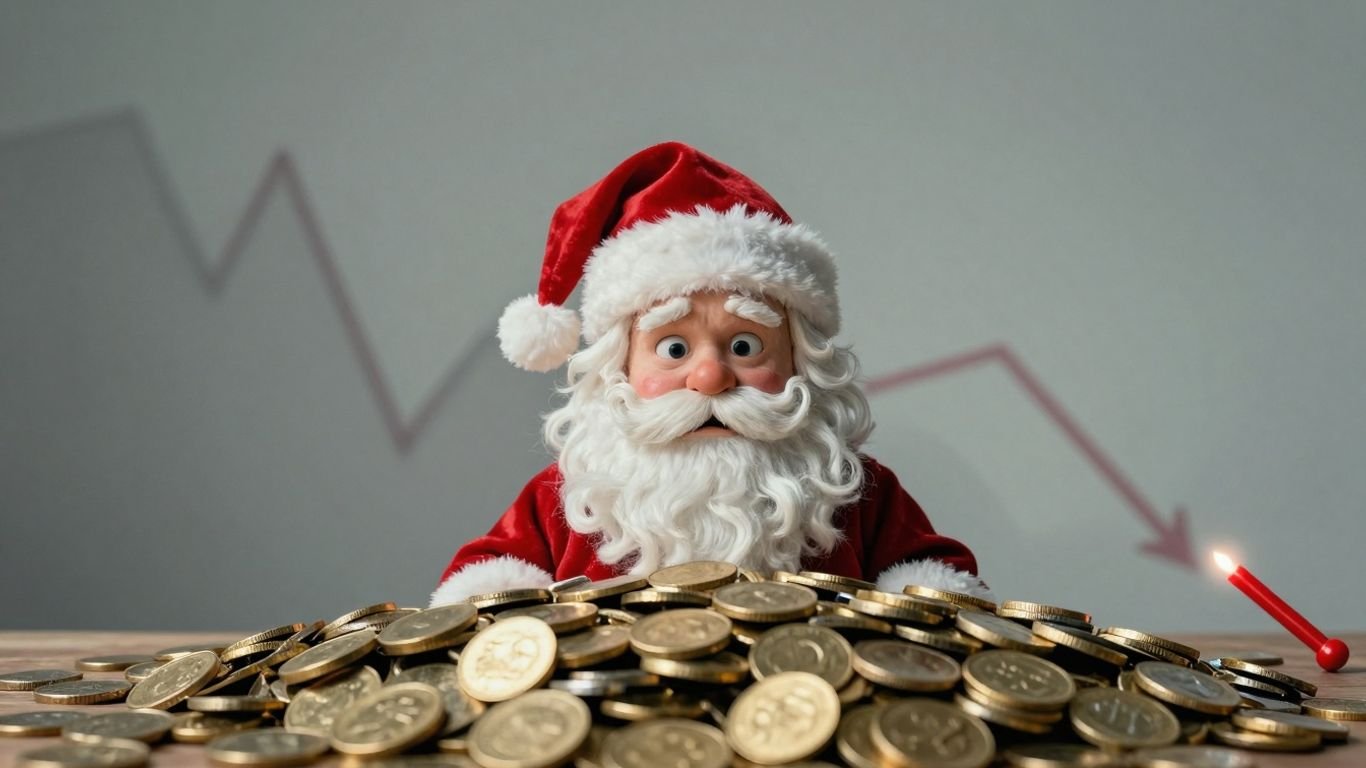
As the year winds down, market strategists are evaluating potential hedging strategies, particularly if the anticipated "Santa Claus rally" fails to materialize. One prominent analysis suggests that certain assets could serve as cost-effective hedges against equity market downturns, offering protection when tail risk protection is typically expensive.
Key Takeaways
- Certain assets are identified as potentially cheap hedges against equity market volatility.
- These hedges could be particularly valuable if the traditional year-end rally does not occur.
- The cost of tail protection is often high during periods of uncertainty.
The Search for Affordable Protection
Market participants are constantly seeking ways to mitigate risk without incurring excessive costs. This is especially true as the end of the year approaches, a period often characterized by holiday-related market movements. When the expected positive sentiment, often referred to as the "Santa Claus rally," doesn’t materialize, investors may find themselves exposed to unexpected downside.
Strategic Hedging in Uncertain Times
The analysis points to specific instruments that can act as proxy hedges for equities. These are designed to offer protection against significant market drops, a scenario where the cost of traditional tail risk protection can become prohibitively expensive. By identifying these more affordable alternatives, investors can potentially safeguard their portfolios against adverse market conditions without a substantial upfront investment.
Implications for Portfolio Management
Understanding these hedging opportunities is crucial for effective portfolio management, especially in the current economic climate. The ability to secure protection at a lower cost provides a more efficient way to manage risk, allowing investors to remain positioned for potential upside while being prepared for downside scenarios. This strategic approach can be particularly beneficial in navigating the uncertainties of the year-end trading period and beyond.
![European leaders meeting, [Donald Trump] on screen](https://countrybrief.com/wp-content/uploads/2025/11/thumbnail-74-768x432.jpeg)


![[Alan Shearer] scores a record-breaking goal in a stadium.](https://countrybrief.com/wp-content/uploads/2026/02/thumbnail-10-768x432.jpeg)