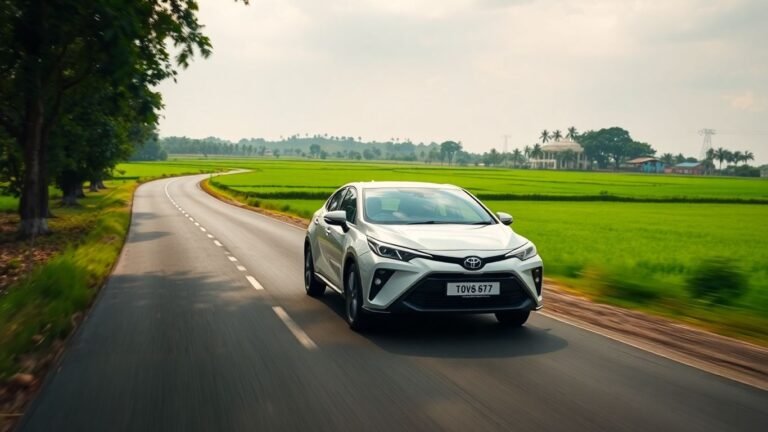
Navigating the Consumer EV Market Shifts: What Buyers and Automakers Need to Know in 2026
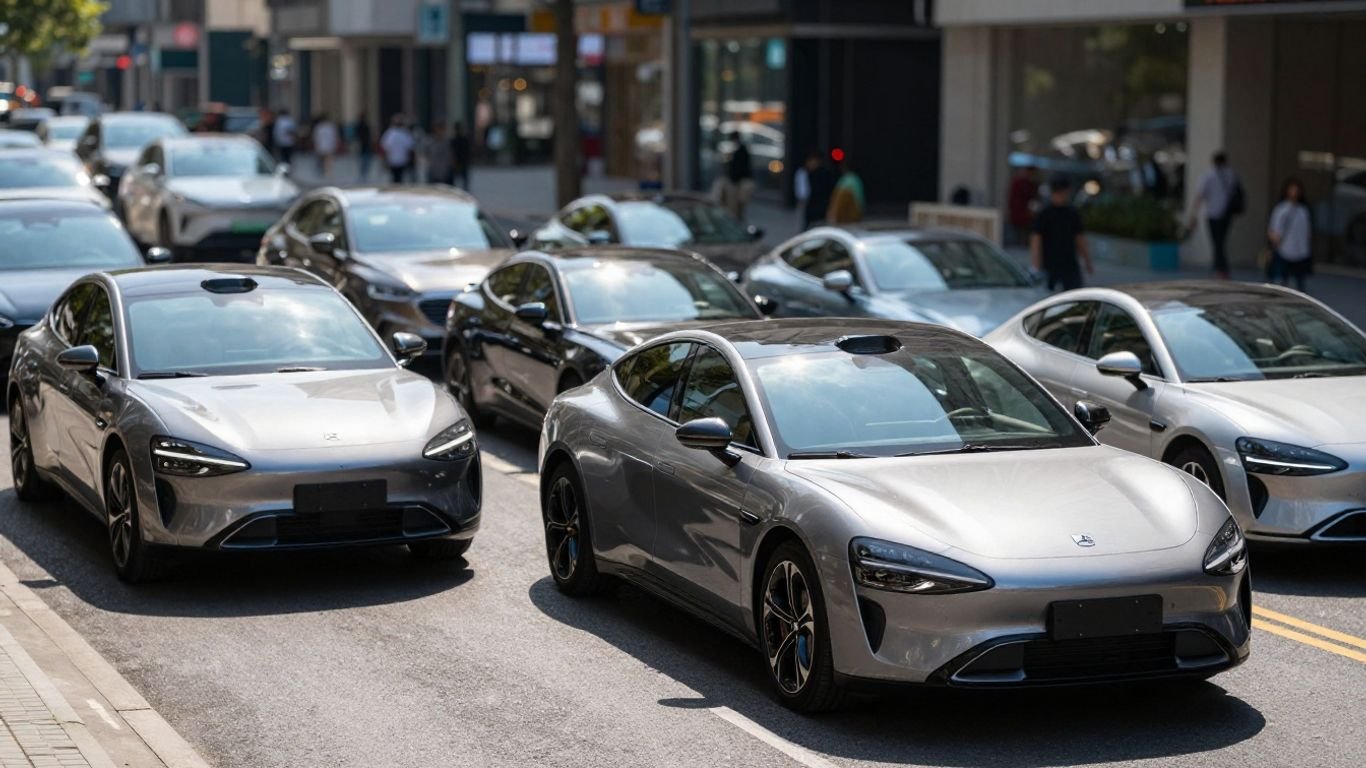
Buying a car in 2026 is going to be a bit different than you might expect. Prices are still pretty high, and those government deals for electric cars? They’re mostly gone. This means automakers are rethinking what they build, and who they’re building it for. It’s a tricky time for shoppers, especially if you’re not looking to spend a fortune. We’re seeing some big consumer EV market shifts, and it’s worth knowing what’s going on before you head to the dealership.
Key Takeaways
- The dream of an affordable electric car is fading for many. With government incentives disappearing and prices remaining high, the under-$40,000 EV segment is shrinking, making new electric cars out of reach for a lot of people.
- Automakers are changing course. Instead of pushing hard for EVs, many are putting more money and effort into hybrid and gas-powered vehicles because they see a clearer path to sales and profits right now.
- The car market is splitting. Wealthier buyers have more choices, including premium EVs, while the middle class is finding it harder to afford new cars, leading more people to consider used or certified pre-owned options.
- Hybrid vehicles are looking like the sensible choice for many in 2026. They offer a good balance of fuel savings and familiarity, with automakers increasing their hybrid lineups to meet this demand.
- Uncertainty from trade policies and tariffs could make car prices, especially for EVs, even more unpredictable. This means shoppers might face sticker shock depending on how global trade rules change.
The Shifting Sands of the Consumer EV Market
Affordability Becomes The Great Divider
Look, nobody’s denying that electric cars are a thing now. They’re out there, and some people really like them. But let’s be real, for most folks, buying a new car these days is a stretch. Prices are just plain high, and that’s before you even think about interest rates. It feels like the whole market is splitting into two groups: those who can afford the fancy new stuff, and everyone else. The days of a decent car being easily within reach for the average working family are fading fast. It’s not just about wanting an EV anymore; it’s about whether you can even afford a reliable set of wheels at all. The under-$40,000 segment, where most people used to find their ride, is practically a ghost town for new vehicles. This whole situation is pushing a lot of people to just keep their old cars running longer, which makes sense if you ask me. It’s a tough time to be a car buyer if you’re not already well-off. We’re seeing a real divide open up, and it’s not pretty.
Incentives Vanish, Automakers Reassess
Remember all those government handouts for buying electric? Yeah, those are mostly gone now. And what happens when the free money dries up? Automakers start to sweat. They’ve been pouring billions into EV development, but with the tax credits disappearing, they’re having to rethink their whole game plan. It’s like they woke up one morning and realized they might have bet the farm on something not everyone can afford. So, what are they doing? They’re pulling back on some of the EV stuff and putting more money into hybrids and even good old-fashioned gas engines. It’s a smart move, honestly. You can’t force people to buy something they can’t afford, no matter how green it is. This shift means we’re probably going to see fewer EV deals and a lot more focus on vehicles that make financial sense for more people right now. It’s a bit of a course correction, and frankly, it’s about time. The market is telling them something, and they’re finally listening. It’s a tough pill to swallow for some, but business is business.
The Rise of the Premium-Leaning Market
So, what’s left when the average buyer gets priced out? You end up with a market that leans heavily towards the folks with more cash. The people who can still afford the sticker price, the higher loan payments, and maybe even the charging setup – they’re the ones who get the most choices. It’s becoming a market for the well-off, plain and simple. Automakers are noticing this, and they’re adjusting their strategies. Instead of trying to make a cheap EV for everyone, they’re focusing on the higher-end models where the profit margins are better and the buyers are still there. This leaves a big gap for the middle class, who are finding themselves squeezed out of the new car market altogether. They’re looking at used cars, certified pre-owned options, or just trying to keep their current vehicle running as long as possible. It’s a sign of the times, really. The economic realities are shaping what kind of cars are available and who can actually buy them. It’s not the EV utopia some folks were dreaming about, that’s for sure. The whole situation is a bit of a mess, and it’s hard to see how it gets fixed quickly. We’re seeing a lot of uncertainty in the auto industry, and it’s impacting everyone. The European Union is looking at a big media deal, which might shake things up a bit over there, but here at home, it’s all about who can afford what. EU antitrust approval
Navigating the New Affordability Crisis
Let’s be honest, buying a car in 2026 is shaping up to be a real challenge for most folks. It feels like just yesterday we were talking about all these fancy electric cars, but now, the price tags are just out of reach for a lot of us. New cars are still hovering around that $50,000 mark, which is a tough pill to swallow when you look at what you’re actually getting. And don’t even get me started on financing – the costs have shot up, making those monthly payments a serious headache. It’s not about wanting a basic car anymore; it’s about whether you can even get access to one.
New and Used Cars Remain Out of Reach
It seems like no matter where you look, prices are just staying high. Even with consumer confidence taking a bit of a dip, car dealers aren’t exactly slashing prices. The average price for a new car is still sitting pretty near $50,000. And for those thinking a used car is the easy way out? Think again. Used car prices have also stayed stubbornly high. It’s gotten to the point where many people who would have bought a new car last year are now stuck looking at used options, or worse, just trying to keep their old clunkers running.
The Disappearing Under-$40,000 Segment
Remember when you could actually find a decent new car for under $40,000? Those days seem to be fading fast. While there are still some cars in that price range on dealer lots, they aren’t exactly flying off the shelves. The problem is, the buyers who used to snap those up can’t afford them anymore. It’s a tough spot to be in when the market seems to be pushing everything towards the pricier end, leaving a big chunk of potential buyers out in the cold. This shift is partly due to the complex supply chains and the need for advanced manufacturing, like the kind ASML is working on to improve chip production [f27a].
Holding Onto What You Have Becomes A Strategy
With new and even used cars being so expensive, a lot of people are just deciding to hold onto their current vehicles for longer. It makes sense, right? Why take on a massive car payment when your current ride still gets you from point A to point B? This is becoming a common strategy, especially for those in the middle class who are feeling the squeeze. It’s a practical approach when the market isn’t offering affordable options.
The reality is, the car market has split. If you’ve got the money, you’ve got choices. If you don’t, you’re pretty much out of luck. It’s a stark reminder of how economic shifts directly impact everyday decisions like buying a car.
Here’s a quick look at how things are stacking up:
- High Prices: New and used cars are expensive, with average new car prices near $50,000.
- Limited Affordable Options: The segment of new cars under $40,000 is shrinking.
- Shift to Used/Older Cars: Many buyers are opting for used vehicles or keeping their current cars longer.
- Financing Costs: Borrowing money for a car is more expensive than it used to be.
Automakers Pivot Away From Electric Dreams
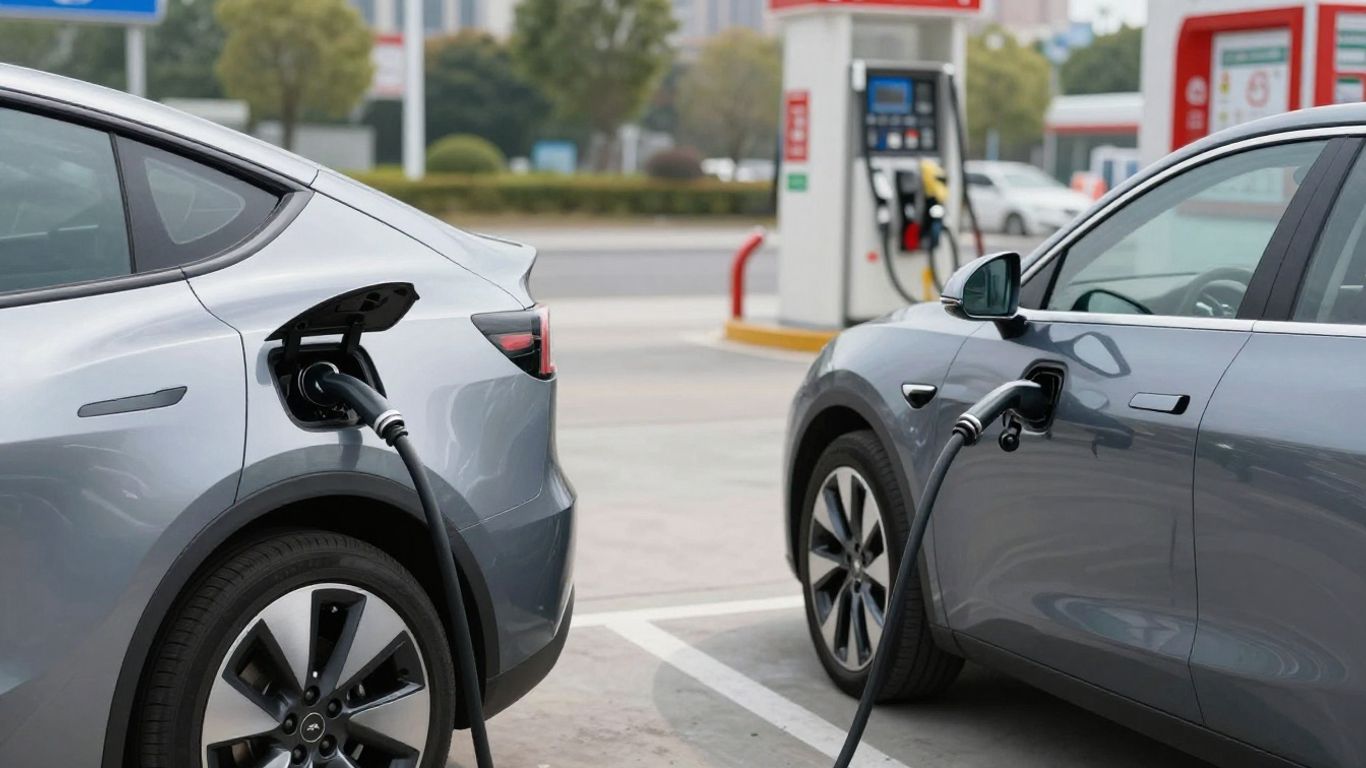
It’s becoming pretty clear that the big push for all-electric vehicles (EVs) is hitting a speed bump, or maybe more like a brick wall. Remember all the hype? Well, reality is setting in, and car companies are starting to rethink their electric-only future. It turns out, making EVs is expensive, and folks aren’t exactly lining up to buy them at the current prices, especially now that government handouts are drying up.
Federal Tax Credits Gone, Production Slows
The federal tax credits that made EVs seem a bit more affordable? Poof. Gone. This means the sticker price is back to being the main event, and for a lot of people, that’s just too much. Automakers are noticing fewer people signing up for electric models. So, what do they do? They slow down production. It’s simple economics, really. Why build cars nobody’s buying? We’re seeing billions of dollars being shifted around as companies like Ford reassess their EV plans. It’s a tough pill to swallow for those who bet big on electric, but the market is talking, and it’s not shouting "EVs!"
Billions Redirected to Hybrids and Gas
Instead of pouring all their money into electric dreams, car manufacturers are wisely redirecting those funds. Think hybrids and even good old gasoline-powered cars. Hybrids, in particular, are looking like a sweet spot. They offer better fuel economy than traditional gas cars without the range anxiety or high cost of EVs. Automakers are expanding their hybrid lineups because that’s where the demand is right now. It’s a more practical approach for the average driver who still needs a reliable car without breaking the bank.
Fewer EV Deals on the Horizon
Get ready for fewer special offers on electric vehicles. With the government incentives gone and sales slowing, those attractive lease deals and low-interest financing options are likely to disappear. Automakers are going to focus on selling what people actually want and can afford. This means the market is going to look a lot different for EV buyers in 2026. You might find yourself holding onto your current car a bit longer, or looking at more traditional options that just make financial sense.
The K-Shaped Economy’s Impact on Car Buyers
It’s no secret that the economy’s been a bit of a mixed bag lately. We’re seeing a real split, often called a ‘K-shaped’ recovery, where some folks are doing great, and others are really feeling the pinch. This division is hitting the car market hard in 2026.
Wealthier Buyers Enjoy More Choice
If you’ve got a healthy bank account and good credit, the car market right now is pretty much your oyster. Automakers are still churning out plenty of new models, including those fancy electric ones, and financing options are generally available. You’ll find a good selection of premium vehicles, and the deals, while not as wild as they used to be, are still there if you know where to look. For the well-off, buying a car remains a relatively smooth process. It’s almost like the economic downturn didn’t happen for this group.
The Squeezed Middle Class Excluded
But for the average Joe or Jane trying to make ends meet? It’s a different story. The prices for new cars are just out of reach for many. Even with interest rates starting to ease a little, the monthly payments are still too high for a lot of families. It feels like the market is leaving a big chunk of people behind. You might have had your eye on a new sedan or a small electric car, but now it’s just not in the cards. It’s tough when you see all these options but can’t actually afford them.
Used and Certified Pre-Owned Gain Traction
So, what’s the solution for most folks? You’re going to see a lot more people turning to the used car market. Certified Pre-Owned (CPO) vehicles are becoming a really popular choice. They offer a bit more peace of mind than a regular used car, often coming with some sort of warranty, but at a lower price point than a brand-new model. It’s a smart move for people who need reliable transportation without breaking the bank.
Here’s a look at how the market is splitting:
- High-Income Buyers: Have access to new vehicles, including premium and electric models. Financing is generally available, and they face fewer affordability hurdles.
- Middle/Lower-Income Buyers: Are increasingly priced out of the new car market. They are looking at used or CPO vehicles, or delaying purchases altogether.
- Automakers: Are shifting focus towards higher-margin vehicles and those segments where demand is still strong, often meaning more premium and hybrid options.
The reality is, the car market in 2026 isn’t for everyone. It’s becoming a place where only those with significant financial flexibility can truly participate in the new car segment. For everyone else, it’s about making do with what’s available and affordable, which often means looking at pre-owned options.
It’s a bit of a bummer, honestly. You want to see everyone able to get a decent car, but that’s just not the way things are shaking out right now. People are getting creative, though, and that’s something. The used car market is definitely where the action is for most of us.
Hybrid Vehicles: The Pragmatic Choice for 2026
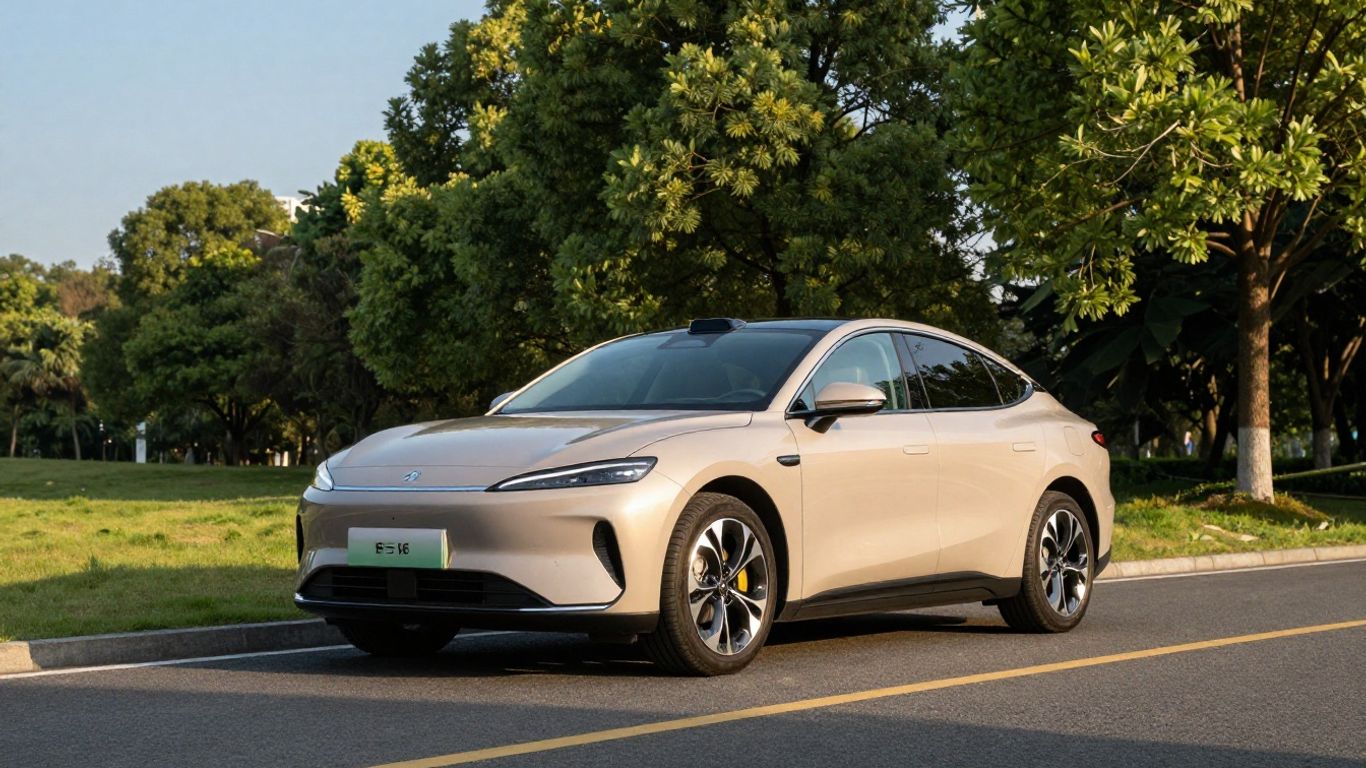
Look, nobody’s saying electric cars are going away forever. But let’s be real about what’s happening in 2026. With those federal tax credits gone and automakers scrambling to adjust, the hybrid is looking like the sensible pick for a lot of folks. It’s not the flashy future some promised, but it’s what makes sense right now.
Better Total Cost of Ownership
When you crunch the numbers, hybrids are starting to look pretty good. Sure, they might cost a bit more upfront than a plain old gas car, maybe 5-10% more. But that initial hit gets paid back pretty quickly. The fuel savings add up, and these things tend to hold their value better than you might think. We’re talking about saving money over the life of the car, especially if you drive a decent amount. It’s not just about the sticker price; it’s about what it costs to keep it running.
Incremental Consumer Familiarity
People are getting used to hybrids. They’re not some weird new thing anymore. Most drivers understand how they work – you fill ’em up with gas, and they just sort of… do their thing, saving you trips to the pump. There’s no range anxiety, no hunting for charging stations that might not even work. It’s a familiar experience, just with better gas mileage. This comfort level is a big deal when you’re spending a lot of money on a new vehicle.
Automakers Expand Hybrid Offerings
Because of all this, car companies are really leaning into hybrids. You’re seeing way more hybrid models hitting the market, and some are even ditching their purely gas options to focus on them. It’s a smart move for them because they can sell cars people actually want and can afford right now. This means more choices for buyers, which is always a good thing. It’s a practical response to what the market is actually demanding, not just what some think it should be demanding. It’s good to see them paying attention to consumer demand.
The shift towards hybrids isn’t a step backward; it’s a realistic adjustment to economic realities and consumer needs. It bridges the gap between traditional vehicles and the still-developing electric infrastructure, offering a practical solution for many households.
Policy and Geopolitics Reshape The Market
Things are getting complicated out there, and it’s not just about what folks want to buy. The government’s actions, or lack thereof, and what’s happening on the world stage are really messing with car prices and availability. It feels like every time we turn around, there’s a new tariff or a trade deal that nobody quite understands, and it all trickles down to our wallets.
Tariffs and Trade Agreements Create Uncertainty
Remember all those promises about bringing manufacturing back home? Well, the reality is a lot messier. Trade agreements, or the lack of them, can really throw a wrench in the works. We’re seeing new tariffs pop up, especially on parts and even whole vehicles. This isn’t just some abstract economic theory; it means the cost to build cars goes up. Automakers are scrambling to figure out how to deal with this, and guess who ends up paying? We do. It makes planning ahead almost impossible, whether you’re a buyer or someone trying to run a car company.
Production Costs Could Rise, Especially for EVs
Electric vehicles, in particular, seem to be caught in the crossfire. The push for EVs was supposed to be the future, but now, with all these policy shifts, their production costs are looking shaky. Raw materials, often sourced from places with their own political headaches, are subject to new taxes and trade rules. This makes it harder for companies to keep EV prices down, even as they’re trying to push them onto consumers. It’s a real head-scratcher when you consider the push for green energy.
Pricing Becomes Unpredictable
So, what does all this mean for the sticker price? Basically, expect the unexpected. The cost of vehicles, especially EVs, could swing wildly depending on what happens in Washington or overseas. It’s tough for consumers trying to budget for a new car when the price could jump significantly due to a trade dispute or a new import tax. This uncertainty is a big reason why many people are holding onto their current cars longer. It’s a tough environment for automakers to plan and even tougher for regular folks trying to buy a reliable set of wheels. We’re seeing a market where stability is hard to come by, and that affects everyone from the factory floor to the dealership lot.
So, What’s the Bottom Line for 2026?
Look, buying a car in 2026 isn’t going to be like it was a few years ago. Forget those big government handouts for electric cars – they’re mostly gone. Automakers are already shifting gears, putting more focus on gas and hybrid models because, let’s face it, a lot of people just can’t afford the sticker price on a new EV right now. Prices are still high, and while interest rates might ease up a bit, it’s mostly the folks with good credit and deeper pockets who will find the best deals. For everyone else, it means being smart, knowing your budget inside and out, and maybe looking at used or certified pre-owned options. The market is definitely changing, and it’s not making things easier for the average buyer. It’s a good time to be practical and maybe hold onto what you have if you can.
Frequently Asked Questions
Why are cars so expensive in 2026?
Cars are expensive because prices have stayed high since the pandemic. Plus, the government stopped giving out special discounts (tax credits) for electric cars. This means both new and used cars are harder for many people to afford.
Are electric cars still a good option in 2026?
Electric cars are still around, but they might be harder to find at lower prices. Without government help, car companies are making fewer of them and focusing more on hybrid cars. This means there might be fewer deals on electric cars.
What are hybrid cars and why are they popular now?
Hybrid cars use both gas and electricity. They are popular because they save money on gas and aren’t as expensive as some electric cars. Car companies are making more of them because they are a good middle ground for many drivers.
How does the economy affect car buying in 2026?
The economy is split, meaning richer people can still buy nice cars, but others are finding it tough. If you don’t have a lot of money, it’s harder to buy a new car. Many people are looking at used cars or keeping the cars they already have.
Will car prices go down in 2026?
It’s unlikely that prices will drop a lot. While interest rates might go down a little, making loans cheaper, the overall cost of cars is expected to stay high. Some new rules about trade and where cars are made could even make prices go up.
What’s the best strategy for buying a car in 2026?
It’s smart to know exactly how much you can spend and check your credit score. Be ready to look at different options, like new, used, or certified pre-owned cars. Also, consider hybrid cars, as they might offer a better mix of cost and efficiency.