New EU members could face ‘probation’ period
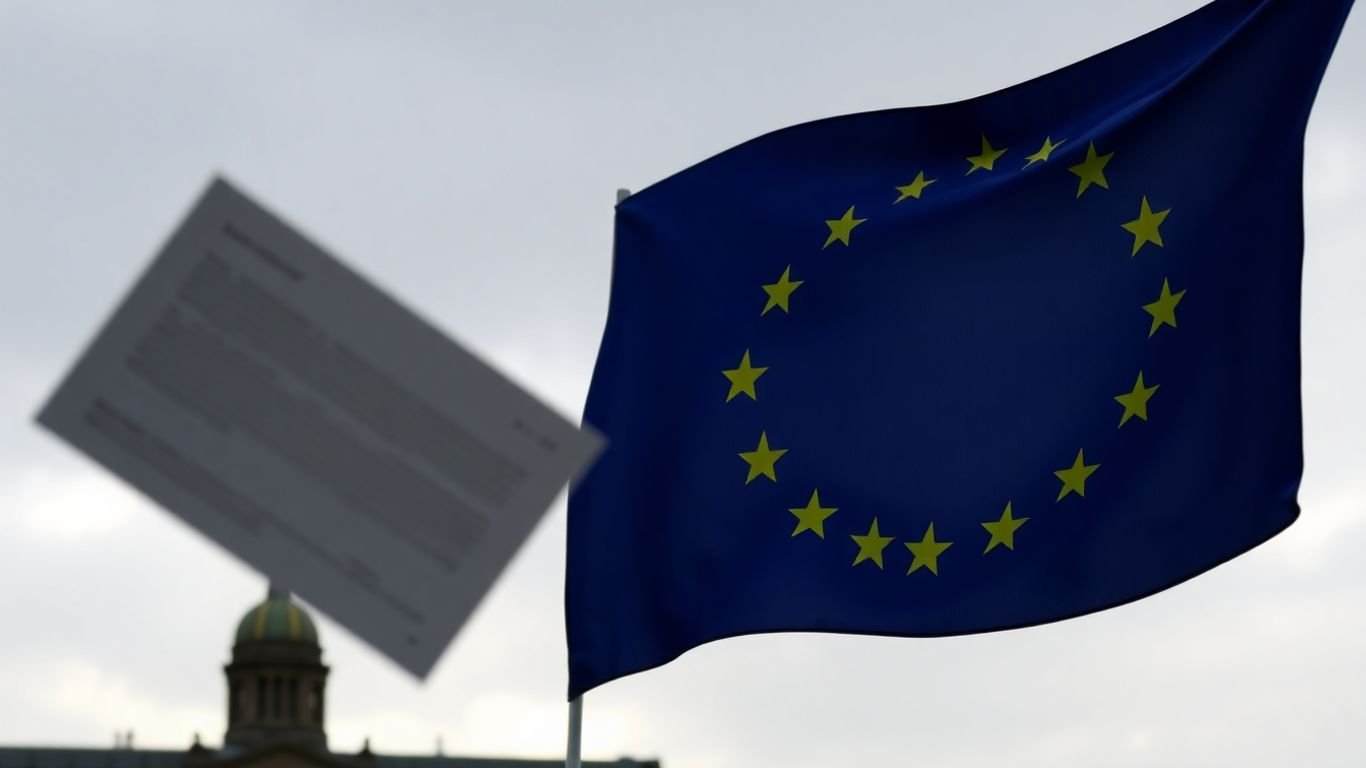
So, the EU is thinking about letting new countries join, but with a catch. It sounds like they might put these new members on a sort of ‘probation’ for a while. This idea comes up because some folks are worried that after joining, new countries might not stick to the EU’s core values, like democracy and a free press. It’s like they want to make sure everyone plays by the rules before they’re fully in. This whole thing is being discussed because of what’s happening in the world and the desire to bring more countries into the EU fold, but they’re also being really careful about it.
Key Takeaways
- New EU members might face a “probation period” after joining, with potential expulsion if they don’t uphold EU values.
- This proposal aims to prevent “Trojan horses” and protect the rule of law and media freedom within the bloc.
- The EU is considering stricter requirements for aspiring members, including stronger guarantees and safeguards against democratic backsliding.
- Enlargement is seen as a geopolitical necessity, especially in response to Russian aggression and to integrate Western Balkan nations.
- While Montenegro is making good progress, Ukraine’s accession talks are currently blocked, highlighting the complex challenges of EU expansion.
New EU Members Face Scrutiny
Probationary Period for Aspiring Nations
The European Union is kicking around some new ideas about how to handle countries wanting to join the club. Apparently, some folks in Brussels are worried about letting just anyone in without a proper look-see. The talk is about a "probationary period" for new members, kind of like a trial run. This isn’t set in stone yet, but the idea is that countries would have to prove they’re serious about sticking to EU rules and values for a few years after joining. It’s a reaction to past experiences, you know, where things didn’t quite go as planned. The EU wants to make sure new members don’t become problems down the road. It’s all still pretty early days, but it shows a shift in how they’re thinking about expansion. They’re looking at things like transition periods and safeguard mechanisms to make sure everything stays on the up and up. It’s a bit of a departure from the old way of doing things, that’s for sure.
Safeguards Against Democratic Backsliding
This whole "probation" idea really comes down to preventing what some are calling "democratic backsliding." Basically, they don’t want countries joining and then, a few years later, starting to ignore the rules on things like the rule of law, media freedom, or judicial independence. Think about it like this:
- Rule of Law: Making sure courts are fair and independent.
- Media Freedom: Allowing journalists to report without fear.
- Human Rights: Protecting basic freedoms for everyone.
If a country starts to slip on these, the EU wants a way to step in. It’s about protecting the integrity of the bloc itself. They learned some lessons from how things have played out with existing members, and now they’re trying to build in stronger protections for the future. It’s a way to avoid bringing in members who might later cause headaches or undermine the EU’s core principles. The goal is to make sure that once a country is in, it stays committed to the standards everyone agreed upon. It’s a tough balancing act, for sure.
The EU is trying to figure out how to grow without weakening itself. It’s a complex puzzle with a lot of moving parts, and they’re not taking any chances this time around.
Lessons Learned From Past Enlargements
It seems like the EU has been doing some serious soul-searching about its past expansion efforts. There’s a feeling that maybe they were a bit too eager to let countries in without fully considering the long-term consequences. The experiences with some countries, where democratic standards have wavered after accession, have clearly made an impact. It’s like they’re saying, "We need to be smarter about this going forward." They’re looking at how to build stronger guarantees into future accession treaties. This means new members would have to commit to irreversible reforms and maintain their progress in key areas. It’s not about punishing anyone, but about making sure the EU remains a stable and values-driven union. They want to avoid any surprises, and this "probationary" concept is one way they’re exploring to achieve that. It’s a sign that the EU is maturing and learning from its history, trying to build a more resilient future for itself and its potential members. The European People’s Party, for instance, is looking closely at membership applications with these new considerations in mind.
Concerns Over Undermining EU Values
Fear of ‘Trojan Horses’ Entering the Bloc
There’s a real worry that letting new countries in too quickly could bring in nations that don’t actually share our core European values. Think of it like inviting someone into your house without really knowing them – you wouldn’t want them messing things up, right? Some officials are worried about bringing in "Trojan horses," countries that might seem okay at first but could cause problems down the line, maybe even working against the EU’s interests. It’s not about being unwelcoming, it’s about being sensible.
Protecting Rule of Law and Media Freedom
This is a big one. The EU stands for certain principles, like everyone following the law and having free press. We’ve seen in the past how some countries, even after joining, have started to chip away at these things. It’s like letting someone into a club and then having them immediately try to change all the rules to suit themselves. We need to make sure that any new members are fully committed to these basic standards, not just paying lip service to them. It’s about keeping the whole club strong and fair for everyone.
Preventing Alignment With Hostile Powers
Another concern is that some new members might still have strong ties to countries that aren’t exactly friends with the EU. We don’t want to bring in countries that could end up being influenced by, or even siding with, powers that are actively trying to weaken us. It’s a matter of security and making sure the EU acts as a united front. We can’t afford to have new members looking over their shoulder at external influences that could compromise our collective strength and decision-making.
The idea of a "probationary period" for new members isn’t about punishing anyone. It’s about making sure that when a country joins, it’s fully on board with the EU’s way of doing things, and that this commitment is solid and lasting. It’s a practical step to protect what we’ve built.
Here’s a look at some of the key areas of concern:
- Rule of Law: Ensuring new members respect judicial independence and fight corruption effectively.
- Media Freedom: Guaranteeing that independent journalism can operate without undue pressure or government interference.
- Democratic Institutions: Confirming that governmental structures are robust and accountable to their citizens.
- Foreign Policy Alignment: Making sure new members support the EU’s common foreign and security policies, especially concerning hostile states.
Stricter Requirements for New Entrants
Enhanced Guarantees for Commitments
Look, nobody’s saying this is going to be easy. Bringing new countries into the European Union is a big deal, and frankly, we’ve learned some lessons the hard way. The idea now is to make sure that when a country signs up, they actually mean it. We’re talking about putting stronger safeguards into those accession treaties. It’s not just about ticking boxes during negotiations; it’s about making sure they stick to the promises on things like the rule of law and basic freedoms. Future membership deals will need to have ironclad guarantees against backsliding. It’s about making sure the progress they show isn’t just for show, but something that sticks, even when the spotlight moves on.
Potential for Expulsion Over Violations
This is where things get serious. If a new member state starts to drift away from the core values of the EU – you know, democracy, human rights, that sort of thing – after they’ve joined, there needs to be a consequence. We’re not just talking about a slap on the wrist. The talk is about a potential "probationary period" for new members. If they mess up, if they start undermining the very principles they agreed to uphold, then yes, the possibility of expulsion is on the table. It’s a tough stance, but after seeing some countries push the boundaries, it seems necessary to protect the bloc. It’s about making sure the EU remains a club of nations that respect the same fundamental rules [c763].
Addressing Concerns of Discrimination
Now, some folks are already crying foul, saying this new approach could be discriminatory. They worry that countries like Ukraine or Moldova might feel unfairly targeted. It’s a valid concern, I guess, but the focus here isn’t on picking on anyone. It’s about setting a clear, high bar for everyone wanting to join. The goal is to ensure that all members, old and new, uphold the same standards. We need to make sure that the process is fair, but also that it doesn’t weaken the union. It’s a balancing act, for sure, trying to expand while keeping the core intact. The EU needs to be prepared to welcome new members, but those members also need to be ready to fully commit to the bloc’s values.
The Geopolitical Imperative of Enlargement
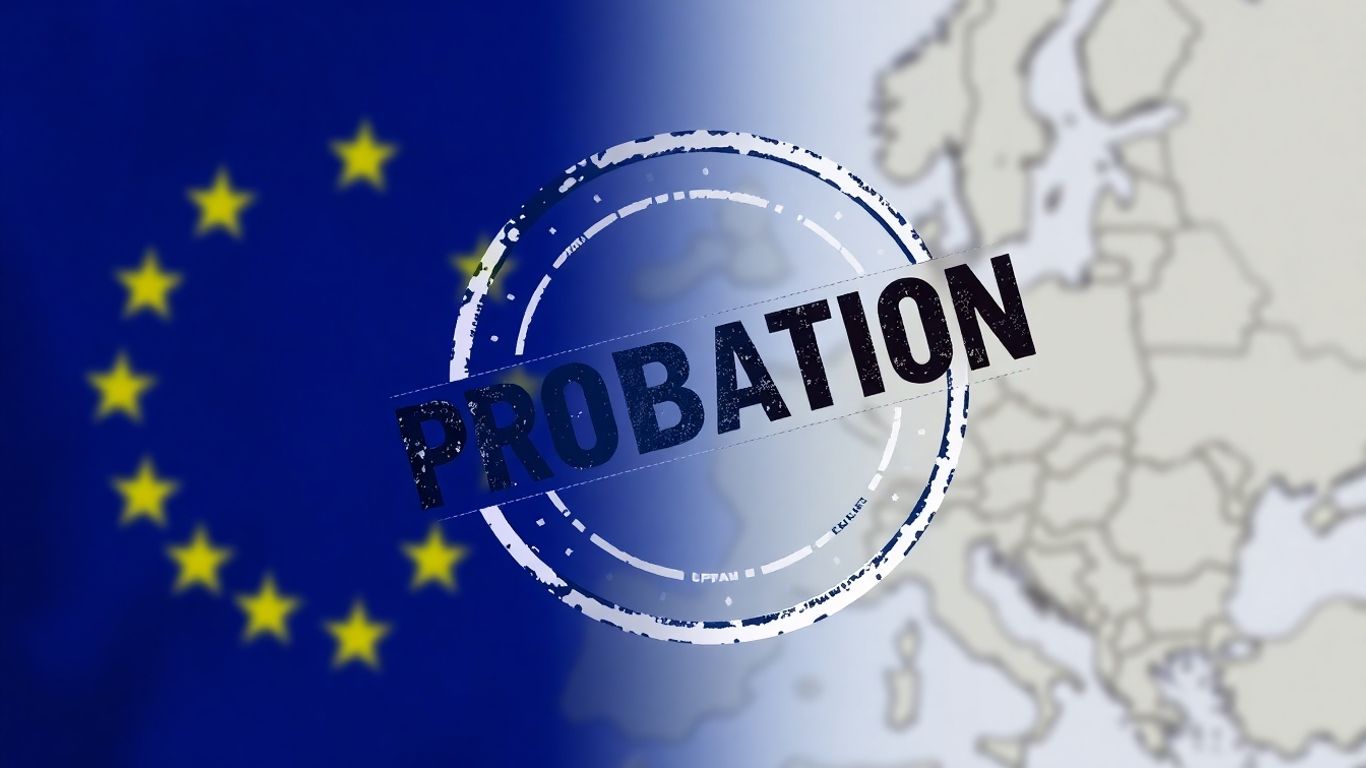
The European Union is facing a stark reality: enlargement isn’t just about expanding borders; it’s about securing our future in a rapidly changing world. Russia’s aggressive actions have made it clear that leaving our neighbors in a geopolitical vacuum is a dangerous game. We need to integrate countries on our eastern and southeastern flanks, not out of charity, but out of necessity. Failing to do so means ceding influence to hostile powers and losing credibility on the global stage. It’s a matter of strategic self-preservation.
Responding to Russian Aggression
Let’s be blunt: the ongoing conflict in Ukraine has thrown a spotlight on the vulnerabilities of a Europe that hasn’t fully consolidated. Allowing instability to fester on our doorstep is an invitation for further trouble. Bringing in new members, especially those directly threatened by Russian expansionism, is a way to build a stronger, more unified front. It sends a clear message that the EU is not a passive observer but an active player in its own defense. This isn’t just about solidarity; it’s about strategic depth and collective security. The EU must act decisively to counter Russian influence in Eastern Europe.
Integrating Western Balkan Nations
The Western Balkans have been waiting in the wings for too long. Their continued instability is a drain on European resources and a potential breeding ground for external interference. Bringing these nations into the fold, with clear expectations and robust safeguards, is a pragmatic step. It’s about extending the zone of peace and prosperity that the EU represents. However, this integration must be done carefully, ensuring that new members are genuinely committed to our values and not just seeking economic benefits.
Maintaining EU Credibility on the World Stage
If the EU talks a big game about democracy and stability but fails to act when opportunities arise, who will take us seriously? The current enlargement process is a test of our resolve. We’ve seen how inaction can embolden adversaries and demoralize allies. Montenegro, for instance, is pushing hard for membership, and their progress highlights the potential benefits of a proactive approach.
- Montenegro’s reform efforts are on track.
- The EU needs to show it’s a credible partner.
- Failure to enlarge risks losing influence to rivals.
The geopolitical landscape demands that the EU expand its reach. Hesitation now will only lead to greater costs down the line, both in terms of security and influence. We cannot afford to be seen as a bloc that talks but doesn’t act when it truly matters.
We need to ensure that any new members are fully aligned with our core principles. This isn’t about punishing anyone; it’s about protecting the integrity of the Union and making sure that any expansion strengthens, rather than weakens, our collective position.
Candidate Country Progress and Challenges
Montenegro’s Reform Efforts Praised
Montenegro is really making strides, and honestly, it’s good to see. They’ve been working hard on reforms, and the European Commission has taken notice. It seems like they’re on track to meet the requirements, which is more than you can say for some others. They’re even talking about joining by 2028, aiming for ’28 by 28′ – a pretty ambitious goal, but maybe achievable if they keep this up. It’s a sign that the EU enlargement process, while slow, can actually work when countries put in the effort. The EU’s latest reports highlight this progress, showing that a merit-based approach is key to bringing new members into the fold.
Ukraine’s Accession Talks Blocked
Now, Ukraine’s situation is a whole different story. Despite everything they’ve been through, and the systemic reforms they’ve apparently made, getting accession talks started is proving to be a real headache. Hungary, for whatever reason, is putting up a roadblock. It’s frustrating because you’d think in times like these, unity would be the priority. But nope, Budapest is holding things up, and it makes you wonder what’s really going on behind the scenes. This isn’t just about Ukraine; it’s about the EU’s credibility on the world stage. If they can’t even get talks going with a country fighting for its survival, what does that say about them?
Moldova’s Path to Membership
Moldova is another one that’s been bundled in with Ukraine, and frankly, it feels a bit artificial. Commissioner Kos herself admitted it. They’ve got a lot of work to do on reforms, and it’s not going to be a quick process. The EU is getting more cautious, and rightly so. They don’t want any surprises down the line. It’s a tough balancing act – wanting to expand but also needing to make sure new members are solid and won’t cause problems later. The EU’s annual report on candidate countries lays out the situation pretty clearly: there’s progress, but also a long road ahead for countries like Moldova.
The EU is looking at new ways to handle enlargement, possibly including a "probation" period for new members. This is partly because of worries about countries backsliding on democratic values after they join, kind of like what’s been seen with Hungary. They want to make sure new members stick to the rules on things like the rule of law and media freedom, and they’re thinking about stronger safeguards in future accession treaties to prevent problems down the road.
Future of EU Membership Criteria
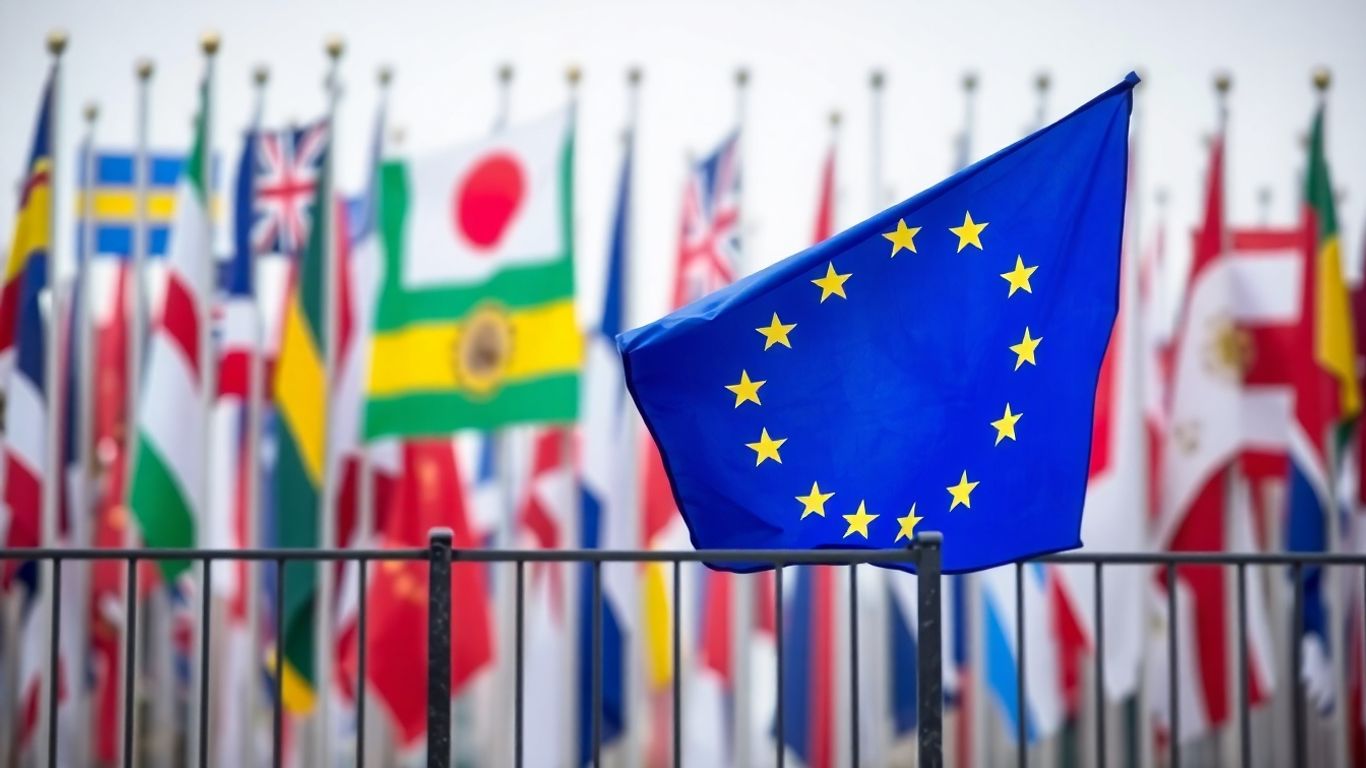
It’s becoming clear that the European Union is rethinking how it handles new countries wanting to join. The old way of just opening the doors seems to be a thing of the past. With all the talk about a "probationary period" for aspiring nations, it’s obvious the EU wants to make sure anyone coming in actually sticks to the rules. This isn’t just about ticking boxes; it’s about protecting the bloc’s core values and making sure new members don’t become problems down the line. The EU accession process is definitely getting a serious overhaul.
Reforming Accession Treaties
The EU is looking at changing the actual treaties that govern how countries join. The idea is to build in stronger safeguards from the start. This means future membership requirements will likely be much tougher than what we’ve seen before. We’re talking about needing guarantees that reforms, especially in areas like the rule of law, are permanent and can’t be easily undone. It’s a response to concerns that some countries might join and then start rolling back progress, like what’s been observed with Hungary.
Ensuring Irreversible Reforms
One of the big focuses is making sure that any progress made by countries seeking EU membership is irreversible. This isn’t just about passing laws; it’s about embedding those changes so deeply that they can’t be easily dismantled. Think of it like building a house on a solid foundation versus one on sand. The EU wants to avoid situations where a country joins and then, a few years later, starts acting in ways that undermine the bloc’s principles. This is a key part of the future EU enlargement strategy.
Balancing Expansion With Stability
Ultimately, the EU has to balance its desire to grow with the need to maintain stability. Nobody wants a bigger EU that’s weaker or more divided. The discussions around stricter conditions and even potential expulsion for violations show a real concern about the bloc’s internal cohesion. It’s a tough balancing act, trying to welcome new members while also protecting the interests of the existing ones and the Union as a whole. The conditions for joining the EU are clearly becoming more stringent.
The EU is grappling with how to manage future EU enlargement effectively. The goal is to prevent new members from becoming liabilities, particularly concerning democratic backsliding or alignment with hostile powers. This means the European Union membership requirements are likely to become significantly more demanding, with a focus on verifiable and lasting reforms.
Here’s a look at what might be expected:
- Stricter Vetting: Expect more rigorous checks on candidate countries’ commitment to democratic principles, judicial independence, and media freedom.
- Phased Integration: A "probationary" or transition period could become standard, allowing the EU to monitor new members closely before granting full rights.
- Clearer Exit Clauses: While controversial, the possibility of suspending rights or even expelling members for serious, persistent violations is being discussed.
- Alignment with Foreign Policy: Candidates may face increased pressure to align with the EU’s common foreign and security policy from an earlier stage. This is a crucial step for progress.
So, What’s the Bottom Line?
Look, the EU is thinking about putting new members on some kind of trial run. They’re worried about countries joining and then going off the rails, maybe even cozying up to Russia, which is a whole other mess. It sounds like they learned a lesson from Hungary, and now they want some guarantees. It’s not a done deal yet, these ideas are still being kicked around, but it shows they’re getting serious about who they let in. We’ll have to wait and see how this whole thing plays out, but it’s definitely a big shift in how they’re approaching expansion.
Frequently Asked Questions
What is the idea of a ‘probation period’ for new EU members?
Imagine a new student joining a club. This ‘probation period’ is like that, but for countries wanting to join the EU. It means they might be watched closely for a few years after joining to make sure they are following all the club’s rules, like respecting democracy and fairness. If they don’t stick to the rules, they could even be asked to leave.
Why is the EU thinking about this ‘probation’ idea now?
The EU is looking to welcome more countries, especially with everything going on in the world, like the situation in Ukraine. They learned from past experiences that sometimes countries change their behavior after joining. This ‘probation’ is a way to prevent new members from going against the EU’s core values, like being democratic, after they’ve already become members.
What happens if a new member country breaks the rules?
If a country repeatedly breaks the important rules of the EU, such as those about democracy, fair courts, and free news, they could face consequences. This might start with losing some benefits, and in serious cases, they could even be expelled from the EU, similar to how a student might be removed from a club for serious rule-breaking.
Are countries like Ukraine and Moldova being treated differently?
Ukraine and Moldova are eager to join the EU, and the EU wants them to succeed. However, the EU is also being extra careful to ensure all members follow the rules. While they are working towards membership, the EU is considering stronger checks and balances for all new potential members to make sure they are truly ready and committed to EU values.
Could this ‘probation’ idea lead to unfairness or a ‘two-tier’ EU?
Some people worry that this could create a system where some members are treated as second-class citizens. However, the EU officials say the goal isn’t to be unfair, but to make sure everyone plays by the same important rules. The idea is to strengthen the EU for everyone, ensuring that all members uphold democratic values and the rule of law.
What are the benefits for countries joining the EU?
Joining the EU offers many advantages. Countries get to be part of a large economic and political group, which can lead to more trade, better cooperation on important issues, and a stronger voice on the world stage. It also means committing to shared values like democracy, human rights, and the rule of law, which benefits everyone in the long run.