Nigeria Joins BRICS? What It Means!
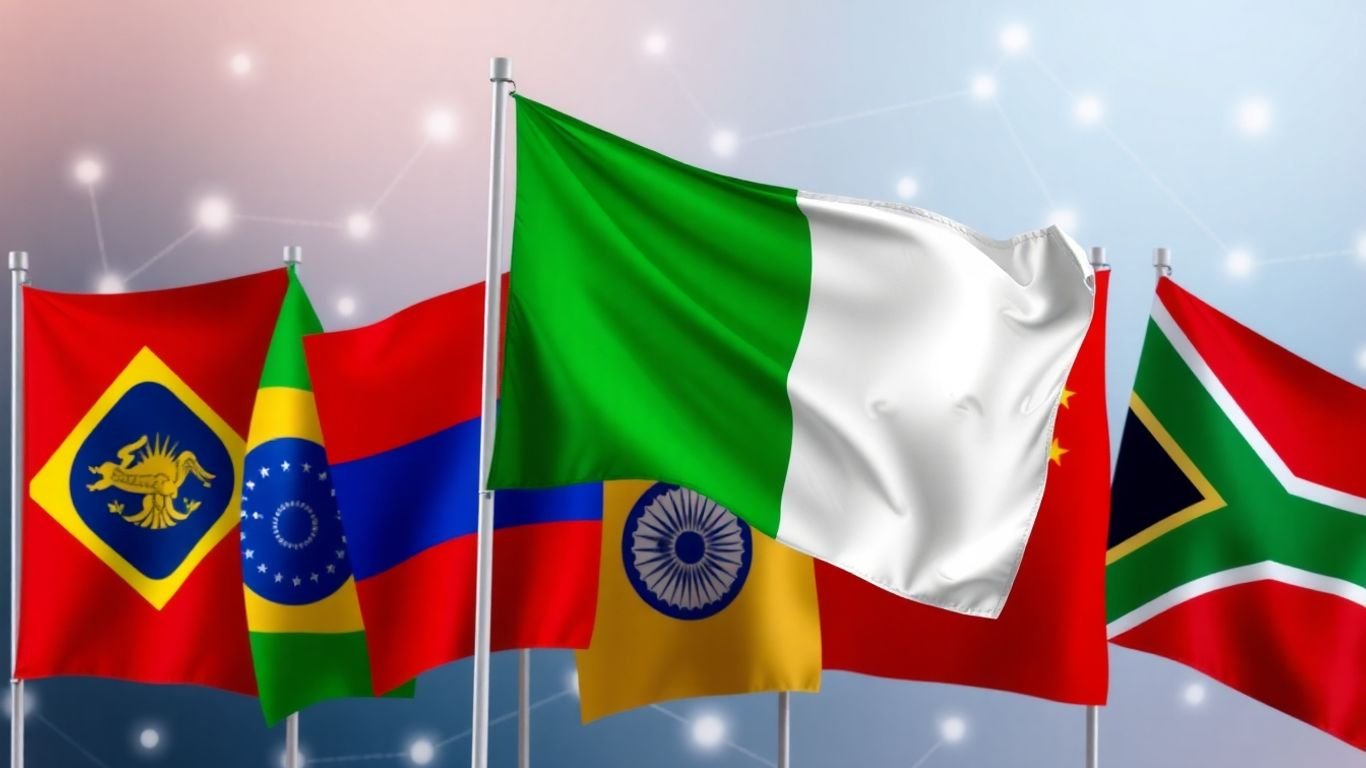
So, Nigeria’s jumped into the BRICS group as a partner country. It’s a big deal, apparently. This group, BRICS nations, is made up of big developing economies, and Nigeria is now one of them. It’s got folks talking about what this means for Nigeria’s economy and its place in the world. Let’s break down this whole BRICS NATIONS Nigeria situation.
Key Takeaways
- Nigeria has joined the BRICS bloc as a partner country, an alliance of major developing economies aiming to create an alternative to Western-dominated financial systems.
- This partnership could boost Nigeria’s economy by attracting investment, opening up export markets for its resources, and potentially providing access to funding for development projects through the New Development Bank.
- Nigeria’s move into BRICS reflects a larger global shift where emerging markets are gaining influence, challenging the traditional economic order and the dominance of the US dollar in international trade.
- As a partner country, Nigeria can participate in BRICS events and contribute to policy discussions, but it does not have the same decision-making power as full member nations.
- While BRICS offers potential benefits, Nigeria must balance its new relationships with existing ties to Western countries and focus on domestic economic growth to fully capitalize on this partnership.
Understanding Nigeria’s New Role in BRICS
So, Nigeria’s stepping into the BRICS arena as a partner country. What does that actually mean? It’s not quite the same as being a full member, but it’s a pretty big deal. Think of it as getting a special pass to join the club, opening doors to new connections and opportunities. This move is part of a larger trend we’re seeing globally, where countries are looking for different ways to work together outside the usual channels. Nigeria’s inclusion is a clear sign of the growing influence of emerging markets, especially on the African continent. It’s all about finding new pathways for cooperation and influence in a world that’s constantly changing.
What is the Significance of Nigeria Joining BRICS as a Partner Country?
Nigeria joining BRICS as a partner country is quite significant. It signals a desire to engage more deeply with a bloc that’s actively trying to reshape the global economic landscape. This partnership is built on what BRICS calls "convergent interests," meaning both Nigeria and the bloc see eye-to-eye on many important issues. It’s a move that aligns Nigeria with a group of nations focused on promoting economic cooperation and trade, often as an alternative to established Western-led institutions. This partnership could really boost Nigeria’s standing on the world stage.
Nigeria’s Partner Status Explained
Let’s break down what this partner status actually entails. While not a full member like South Africa, Egypt, or Ethiopia, Nigeria’s position as a partner country is still quite advantageous. It allows for closer ties and engagement with the BRICS member states. This means Nigeria can participate in discussions and initiatives, and importantly, gain access to the bloc’s financial resources, particularly through the New Development Bank. It’s a strategic step that allows Nigeria to benefit from BRICS without the full commitments of membership, offering a flexible approach to international engagement.
The BRICS Bloc: An Alternative to the G7
BRICS itself is an interesting group. It started as an acronym for Brazil, Russia, India, China, and South Africa, and it was formed with the idea of being an alternative to the G7, which is seen as a more exclusive club. The goal of BRICS is to promote peace, cooperation, and development, aiming for a more equitable world. For a country like Nigeria, which wants to be a major player in global politics, BRICS offers a dynamic and innovative platform. It’s a group that seems to prioritize the interests of developing and emerging economies, making it an attractive option for nations looking to diversify their international relationships.
- Focus on Emerging Economies: BRICS actively seeks to give a stronger voice to developing nations.
- Economic Cooperation: The bloc emphasizes trade, investment, and financial collaboration among its members and partners.
- Multipolar World Order: BRICS advocates for a global system with multiple centers of power, challenging existing structures.
Nigeria’s strategic alignment with BRICS as a partner country reflects a broader global shift. It’s about seeking new avenues for economic growth and diplomatic influence in a world where traditional power structures are being re-evaluated. This move highlights the increasing importance of emerging markets and their collective impact on international relations.
Economic Implications for Nigeria and BRICS Nations
So, Nigeria joining BRICS as a partner country? It’s a pretty big deal for the economy, both here and for the bloc itself. We’re talking about a potential shake-up in how business gets done.
Boosting Nigeria’s Economy Through BRICS Partnerships
The economic impact of Nigeria joining BRICS as a partner country could be substantial, opening doors that were previously a bit shut. Think about it: closer ties with major players like China and India could mean more money flowing into key Nigerian industries. We’re talking about sectors like oil and gas, but also agriculture, which is a huge part of our economy. These partnerships often come with specific development plans, and for Nigeria, that could mean much-needed help with things like building better roads and a more reliable power grid. It’s not just about getting cash; it’s about building things that last.
Attracting Investment and Developmental Initiatives
Nigeria has a lot to offer, and BRICS nations are looking for places to invest. Countries like China and India have investors actively seeking opportunities abroad. Nigeria can use events like the BRICS annual summits to really show off what we have to offer. This isn’t just about attracting foreign capital; it’s about getting developmental initiatives that can help us grow. The New Development Bank, for instance, has already funded billions in projects since it started. Nigeria could tap into that for infrastructure and other big projects.
Expanding Export Opportunities for Nigerian Resources
Nigeria wants to move beyond just selling oil, right? We’ve got agricultural products, crafts, and more. Getting these goods into BRICS markets could be a game-changer. It’s about finding new buyers and getting better deals. This partnership could help Nigeria negotiate trade agreements that actually open up these markets, especially for our farm produce and processed goods. It’s a chance to diversify our economy and make sure we’re not just relying on one thing.
The global economic landscape is changing, and Nigeria’s involvement with BRICS is a clear sign of that. It’s about finding new ways to trade and grow outside the old systems. This could mean better access to markets and more investment, but it also means Nigeria needs to keep its own economy strong and stable to really benefit. It’s a balancing act, for sure.
Here’s a quick look at what Nigeria might gain:
- Increased foreign direct investment.
- Access to new export markets for non-oil goods.
- Potential for infrastructure development funding.
- Opportunities for technology transfer in new industries.
It’s a complex situation, and success will depend on how well Nigeria plays its cards. But the potential for economic growth and a stronger global standing is definitely there. This move could really help Nigeria build its economic future.
Shifting Global Economic Power Dynamics
The world economy isn’t what it used to be, and Nigeria joining BRICS as a partner country really highlights that. We’re seeing a big change, where countries that weren’t considered major players before are now stepping up and getting more say. It’s not just about economics anymore; it’s about who influences global decisions and how.
The Growing Influence of Emerging Markets
For a long time, a few big economies pretty much called the shots. But that’s changing. Countries like China and India, which are part of BRICS, have grown a lot, and now others are looking to them. Nigeria, being the most populous country in Africa, brings a lot of weight to this shift. It’s like the global power structure is spreading out, not just staying in one place. This means more voices are being heard, and different perspectives are coming into play.
- More countries are gaining international clout. Since the Cold War ended, the number of nations with significant global influence has grown quite a bit.
- Economic partnerships are becoming key. Instead of just relying on old alliances, countries are forming new economic groups to get things done.
- Africa’s role is expanding. Nigeria’s involvement shows that African nations are becoming more important in global economic discussions.
Nigeria’s Inclusion in the Global Economic Order
Nigeria’s partnership with BRICS isn’t just a small event; it’s part of a bigger picture. It shows that the global economic system is becoming more diverse. Think about it: Nigeria has a huge population and a significant economy, especially with its oil resources. By working with BRICS nations, Nigeria can push for its own development goals and get better deals on the world stage. It’s about making sure Nigeria isn’t just a bystander but an active participant in shaping how the global economy works.
The way countries interact economically is changing. We’re moving away from a system where just a few nations dominated everything. Now, it’s more about cooperation between different groups of countries, each with their own strengths and interests. This makes the global economic landscape more complex but also potentially more balanced.
Challenging Dollar Dominance in International Trade
One of the big topics in international finance is the US dollar’s role. Right now, most global trade happens in dollars. BRICS countries have talked about using their own currencies more for trade. For Nigeria, this could mean easier trade with countries like China and India, potentially using the Naira or other local currencies. While it’s a slow process, and the dollar is still very important, this push by BRICS is a sign that countries are looking for alternatives and want more flexibility in how they conduct business internationally. This move could eventually lead to a more multi-currency global trading system.
Nigeria’s Strategic Diplomatic and Economic Alignment
Nigeria’s move to join BRICS as a partner country isn’t just about economics; it’s a smart play in how the nation wants to position itself on the world stage. For a long time, Nigeria has followed a path of non-alignment, trying to stay friendly with everyone. Now, some are calling it multi-alignment, which basically means getting the best out of relationships with old friends like the US and Europe, while also seeing the advantages of working with countries like China and Russia through groups like BRICS. It’s about not putting all your eggs in one basket, especially when the global picture is changing so fast.
Non-Alignment and Multi-Alignment Strategies
Nigeria’s foreign policy has historically leaned towards non-alignment, a strategy that aims to maintain independence from major power blocs. This approach allows the country to engage with various international partners without being tied to a single ideology or alliance. The current shift towards what’s being termed ‘multi-alignment’ reflects a pragmatic recognition that in today’s complex world, benefiting from diverse relationships is key. This means Nigeria can continue its strong ties with Western nations while simultaneously deepening its engagement with emerging economies within the BRICS framework. It’s a balancing act, for sure, but one that could open up more avenues for growth and influence. This development is crucial for strengthening international partnerships aimed at economic renewal and national rebranding under the "Renewed Hope" administration [56cd].
Leveraging BRICS for National Development Objectives
BRICS offers Nigeria a platform to pursue its national development goals more effectively. Unlike the G7, which is often seen as an exclusive club, BRICS is more open to emerging economies. This provides Nigeria with opportunities to:
- Access new markets: Particularly for its agricultural and processed goods, moving beyond its traditional reliance on oil.
- Secure investment: Attracting capital for infrastructure projects and industrial development from BRICS member states.
- Gain technological know-how: Collaborating with countries advanced in areas like digital technology and renewable energy.
The global economic landscape is shifting, with emerging markets playing a larger role. Nigeria’s participation in BRICS is a strategic move to align with this trend and ensure its voice is heard in shaping future global economic governance.
Balancing Western Relationships with BRICS Engagement
It’s important to understand that Nigeria’s involvement with BRICS doesn’t mean abandoning its long-standing relationships with Western countries. Many BRICS partners, including Egypt, the UAE, and Ethiopia, still maintain strong ties with Western nations, often receiving aid or participating in security partnerships. Nigeria’s strategy is likely to mirror this, seeking to maintain a balanced approach. This means continuing to work with the US, Europe, and other Western allies on issues of mutual interest, while also exploring the economic and diplomatic benefits that BRICS provides. It’s about maximizing opportunities from all sides, rather than choosing one over the other. This approach acknowledges that global influence is no longer concentrated in just one or two centers of power.
The Role of the New Development Bank
Accessing Financial Resources Through BRICS
So, Nigeria’s new status as a partner country in BRICS brings with it a pretty significant perk: access to the New Development Bank (NDB). This bank, set up by the BRICS nations back in 2015, is all about getting money for big projects, especially those focused on infrastructure and sustainable development. Think of it as a different kind of financial institution, aiming to offer an alternative to the usual Western-backed ones like the World Bank. For Nigeria, which has been running budget deficits and needs cash for everything from roads to factories, this could be a really important source of funding. The NDB can lend money in local currencies, which is a huge deal because it means Nigeria doesn’t have to scramble for foreign exchange just to pay back loans. This can help keep the naira stable and actually boost the economy. It’s a smart move, really, as the bank itself raises funds in member countries’ local currencies too.
Funding Infrastructure and Development Projects
What does this mean on the ground? Well, it means potential funding for all sorts of things Nigeria desperately needs. We’re talking about better roads, more reliable electricity, improved transportation networks, and investments in sectors like manufacturing and agriculture. The NDB’s focus on sustainable development also aligns with global goals, so projects could include renewable energy or water management. It’s not just about getting money; it’s about getting money for projects that can genuinely transform the country. The bank’s establishment was partly a response to developing countries feeling a bit constrained by traditional institutions, sometimes hesitant to criticize major Western powers for fear of losing funding. The NDB offers a different avenue, potentially with fewer strings attached.
The New Development Bank’s Impact on Partner Countries
When Nigeria joins forces with the NDB, it’s not just about getting a loan. It’s about becoming part of a network that’s trying to shift how global finance works. The bank’s approach of lending in local currencies is a big part of that. It helps countries avoid currency risks and promotes more stable economic growth. Plus, the NDB raises its funds in these local currencies, creating a virtuous cycle. For Nigeria, this partnership could mean better access to capital for its development goals, helping to diversify the economy away from just oil. It’s a chance to build up industries and create jobs, all while working with a financial institution that’s part of a growing bloc of nations looking to reshape the global economic order. It’s a real-world example of how economic alliances can influence national development and global trade patterns, offering a chance to attract investment into vital sectors like energy and agriculture, and potentially addressing infrastructure challenges. You can find more information about the New Development Bank and its mission.
Nigeria’s Potential in Frontier Industries
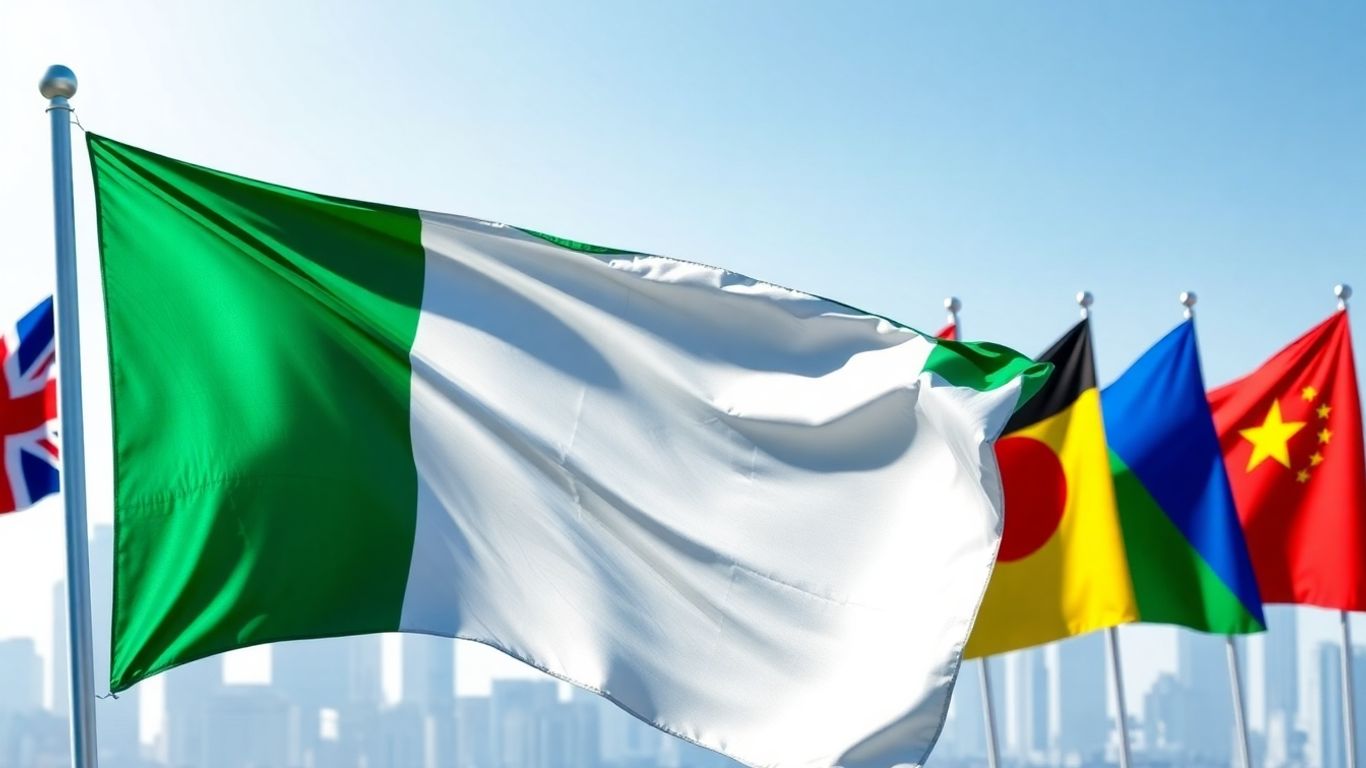
Nigeria joining BRICS isn’t just about oil and gas deals, though that’s a big part of it. It’s also about looking ahead, way ahead, into what’s next in technology and industry. Think about things like AI, advanced manufacturing, and green energy. These are the areas where the global economy is heading, and Nigeria wants a seat at that table.
Building Capabilities in Advanced Technologies
Some BRICS members, like China and India, are already pretty far along in developing cutting-edge technologies. Nigeria can use this partnership to learn from them and build its own skills. It’s not just about buying technology; it’s about understanding it and being able to create it. This could mean:
- Training programs for Nigerian engineers and scientists in fields like big data and robotics.
- Collaborative research projects with institutions in other BRICS nations.
- Setting up innovation hubs and tech parks to encourage local development.
The goal is to move beyond just being a consumer of technology to becoming a producer. This is a long game, for sure, but the potential payoff is huge for the country’s future economic health.
Technology Transfer and Favorable Terms
When Nigeria partners with countries that are leaders in these new industries, there’s a real chance to get technology on better terms than if it went it alone. Instead of just paying top dollar, Nigeria might be able to negotiate deals that include:
- Knowledge sharing and training components.
- Joint ventures that allow Nigerian companies to gain ownership and operational experience.
- Access to intellectual property for local adaptation and development.
This kind of partnership is key to making sure Nigeria benefits fully from these technological advancements, rather than just being on the sidelines. It’s about getting a fair shake in the global tech race. For instance, Nigeria has been working to strengthen global partnerships to foster economic development, and this fits right into that strategy strengthening global partnerships.
Diversifying the Economy Beyond Hydrocarbons
We all know Nigeria’s economy has been heavily reliant on oil for a long time. While oil will remain important, relying on just one thing is risky. BRICS offers a chance to really push diversification. By developing capabilities in these new, frontier industries, Nigeria can create new jobs, new export markets, and a more stable economy overall. It’s about building a future that isn’t solely dependent on the price of crude oil. This means looking at sectors like:
- Renewable energy solutions.
- Digital services and software development.
- Advanced agricultural technology.
The shift towards frontier industries is not just a trend; it’s the next phase of global economic evolution. For Nigeria, engaging with BRICS in these areas presents a strategic opportunity to leapfrog traditional development stages and secure a more robust and varied economic future. It’s about building resilience and creating new avenues for growth that can benefit all Nigerians.
This move into new tech sectors is a big step, and it shows Nigeria is serious about its long-term economic strategy. It’s about being ready for whatever the future economy looks like.
Navigating Geopolitical Competition and Global Governance
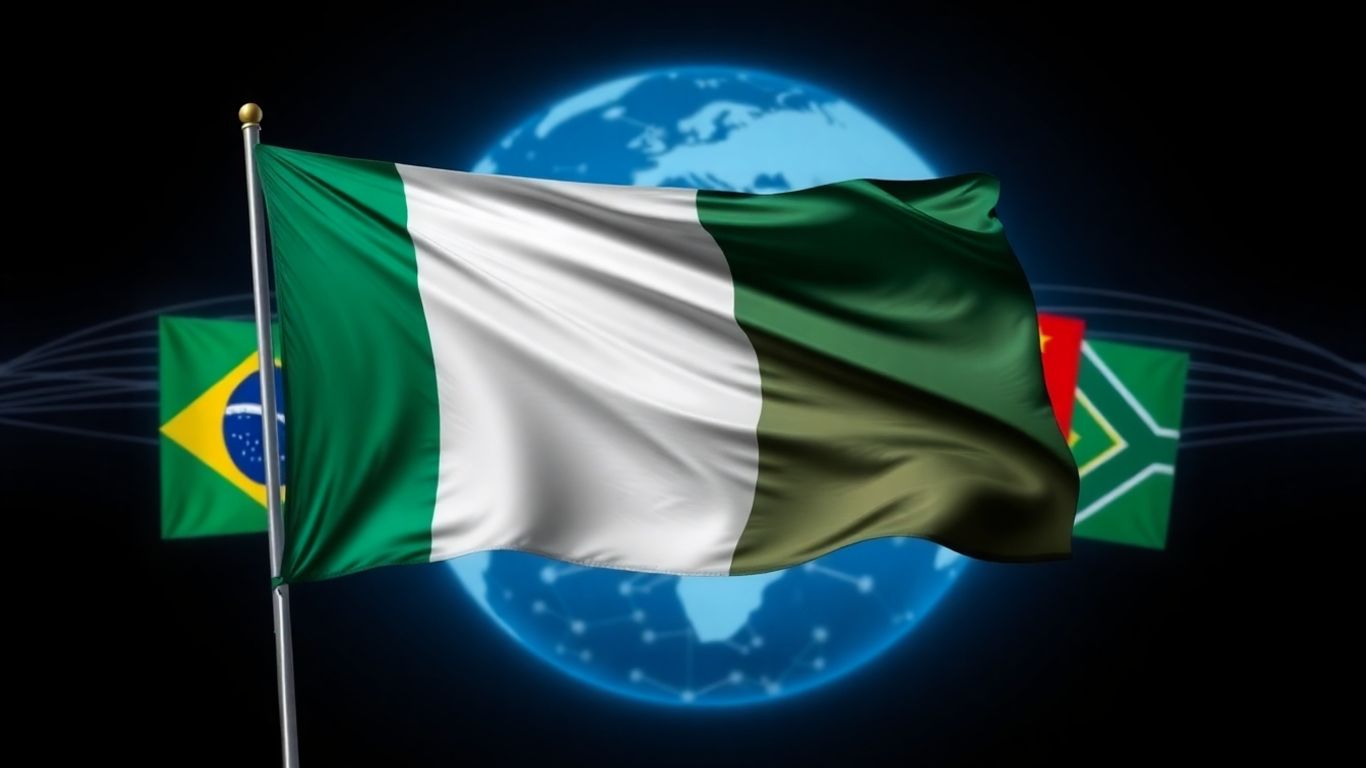
The world stage is getting crowded, and not just with more countries trying to get a word in. It’s more about who holds the real sway. We’re seeing a big shift, with more nations stepping up to have a bigger say in how things are run globally. Nigeria joining BRICS as a partner country fits right into this picture. It’s not just about economics anymore; it’s about finding a place and a voice in a world that’s constantly changing.
BRICS as an Alternative Framework for Cooperation
Think of BRICS not as an ‘anti-West’ club, but more as a group of nations looking for different ways to work together, especially where they feel their interests aren’t fully met by existing setups. A big part of this is building alternative payment systems. The goal is to make it easier for member countries to trade with each other, even if their relationships with Western nations are complicated. This is about creating financial tools that bypass potential sanctions, allowing trade to flow more freely among partners. It’s a smart move for countries wanting more control over their economic interactions.
The Evolving Landscape of Global Influence
It’s pretty clear that the old ways of global power, where just a few countries called all the shots, are fading. The number of nations with real international clout has grown a lot since the Cold War ended. Nigeria’s partnership with BRICS is a sign of this. It’s part of a larger trend where emerging powers are trying to reshape the global order. They’re doing this through strategic economic partnerships, not necessarily through military might. This is happening at a time when global risks are actually higher than during the Cold War, which makes these economic alliances even more important for stability.
Middle Powers Reshaping International Relations
We’re seeing a rise in what you might call ‘middle powers’ – countries that aren’t superpowers but have growing influence. They’re starting to shape global events through smart investments and building connections. Nigeria, being Africa’s most populous country, brings a lot of weight to this new dynamic. This expanding network of alliances challenges the traditional Western-led international system. It’s a move away from the post-Cold War era where one country seemed to dominate. Now, global power is spreading out, and countries like Nigeria are creating new avenues for international cooperation. This partnership could give Nigeria more leverage to achieve its own development goals while also contributing to a broader restructuring of how the global economy is managed. It’s a real-world example of how economic blocs influence national development and global trade patterns.
The global economy is transitioning into new areas like big data, AI, and advanced manufacturing. Countries like China, India, and Brazil are already ahead in these fields. Nigeria can use its BRICS partnership to build its own skills in these frontier industries and get technology on better terms. This is key for diversifying the economy away from just oil.
Here’s a look at how some countries are positioned:
- China: Advanced in AI, robotics, and 5G.
- India: Strong in big data, software, and renewable energy.
- Brazil: Developing in areas like biotechnology and drone technology.
- Nigeria: Potential to grow in areas like fintech and agricultural technology.
Nigeria’s inclusion in BRICS is a strategic move that could help it gain access to new markets and technologies. It’s about finding a balance, maintaining relationships with Western partners while also building stronger ties within this emerging bloc. This approach allows Nigeria to pursue its national development objectives effectively. The country’s climate governance, for instance, could benefit from the collaborative frameworks offered by partnerships like these, leading to more coordinated international climate messaging and action.
So, What’s Next for Nigeria and BRICS?
Alright, so Nigeria is now a partner country in BRICS. It’s a pretty big deal, opening doors for new trade and maybe even some financial help through their New Development Bank. It’s not full membership, mind you, but it’s a step. This move shows Nigeria wants to play on a bigger stage, working with countries like China and India while still keeping ties with the West. It’s all about finding that balance, you know? Whether this partnership truly shakes up global economics or just adds another layer to international relations remains to be seen. But one thing’s for sure: Nigeria is making its presence felt in this changing world order.
Frequently Asked Questions
What is BRICS and why did Nigeria join as a partner country?
BRICS is a group of big developing countries—Brazil, Russia, India, China, and South Africa—that work together to build stronger economies and have more say in world affairs. Nigeria joined as a partner country to get closer to these major economies, improve trade, and have a bigger voice in global decisions.
Does being a BRICS partner mean Nigeria is a full member?
No, Nigeria is not a full member yet. As a partner country, Nigeria can join meetings, share ideas, and take part in some BRICS activities, but it does not have the same rights as full members, like voting on new members or hosting big events.
How could joining BRICS help Nigeria’s economy?
Being part of BRICS can help Nigeria attract more investment from big countries like China and India. It also gives Nigeria a chance to get funding for big projects, like building roads or improving electricity. Plus, Nigeria can find new places to sell its oil, farm goods, and other products.
Will Nigeria’s relationship with Western countries change because of BRICS?
Nigeria joining BRICS does not mean it will stop working with Western countries. Nigeria wants to keep its old friends, like the US and Europe, while also making new friends in BRICS. This way, Nigeria can get the best opportunities from both sides.
What is the New Development Bank and how can it help Nigeria?
The New Development Bank is a bank set up by BRICS to help member and partner countries pay for big projects, like building roads, schools, or hospitals. Nigeria can apply for loans from this bank to help grow its economy and improve life for its people.
How can Nigeria benefit from advanced technology through BRICS?
BRICS countries like China and India are leaders in new technologies such as artificial intelligence and clean energy. By working with them, Nigeria can learn new skills, get better technology, and grow industries beyond just oil, helping the country become stronger and more modern.



One Comment