Oil Prices Poised to Skyrocket to $200 Per Barrel Amidst Middle East Conflict
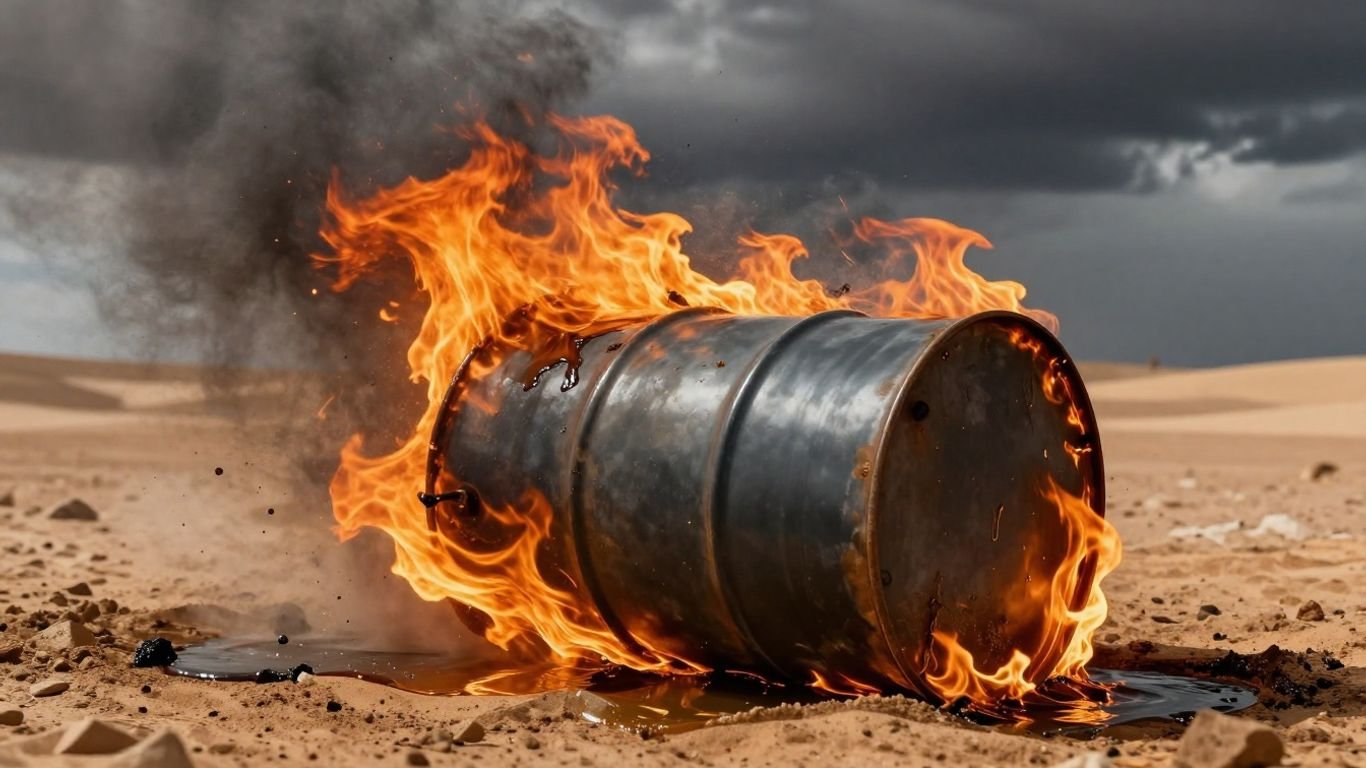
Analysts at Macquarie Group have issued a stark warning: the ongoing conflict in the Middle East, if extended through the second quarter, could propel oil prices to an unprecedented $200 per barrel. This projection highlights the significant vulnerability of global energy markets to geopolitical instability in the region.
Key Takeaways
- Extended Middle East conflict could push oil prices to $200 per barrel.
- The second quarter is a critical period for potential price surges.
- Geopolitical tensions remain a primary driver of oil market volatility.
The Threat of Prolonged Conflict
Macquarie Group’s research indicates a direct correlation between the duration of the Middle East conflict and the potential for record-high oil prices. Should hostilities persist beyond the immediate term and into the entirety of the second quarter, the supply chain disruptions and heightened risk premiums associated with the region could trigger a dramatic escalation in crude oil costs. This scenario would have far-reaching implications for the global economy, impacting inflation, transportation costs, and consumer spending.
Market Volatility and Supply Concerns
The Middle East remains a pivotal region for global oil production, and any significant disruption there sends ripples throughout the international market. The current geopolitical climate has already introduced a degree of volatility, but a prolonged conflict would amplify these concerns. Traders and analysts will be closely monitoring developments, with supply security becoming an increasingly dominant factor in price determination. The potential for further escalation or the involvement of other regional players adds layers of uncertainty to the outlook.
Economic Ramifications
A surge to $200 per barrel would represent a significant shock to the global economy. Such a price point could trigger widespread inflation, as energy costs are a fundamental component of most economic activities. Businesses, particularly those in transportation and manufacturing, would face substantially higher operating expenses. Consumers could see a sharp increase in fuel prices at the pump, leading to reduced discretionary spending and potentially slowing economic growth. Governments might also face pressure to intervene through strategic reserve releases or other policy measures to mitigate the impact.