Poland to shut down last Russian consulate
So, Poland is closing down the last Russian consulate it has. This comes after some serious accusations that Russia was behind an attempt to blow up a train line that connects Poland to Ukraine. Prime Minister Donald Tusk called it a sabotage attempt, and now the government is taking action. It’s a pretty big deal, especially considering the ongoing situation in the region. Let’s break down what’s happening.
Key Takeaways
- Poland is shutting down its final Russian consulate in Gdańsk.
- This move is a direct response to an alleged Russia-backed sabotage attempt on a rail line vital for Ukraine.
- While the consulate is closing, Poland will maintain broader diplomatic relations with Russia.
- Russia has accused Poland of ‘Russophobia’ and plans reciprocal measures, likely reducing Poland’s diplomatic presence in Russia.
- The incident is seen as part of a larger pattern of Russian efforts to destabilize Europe and undermine support for Ukraine.
Poland’s Firm Stance Against Russian Aggression
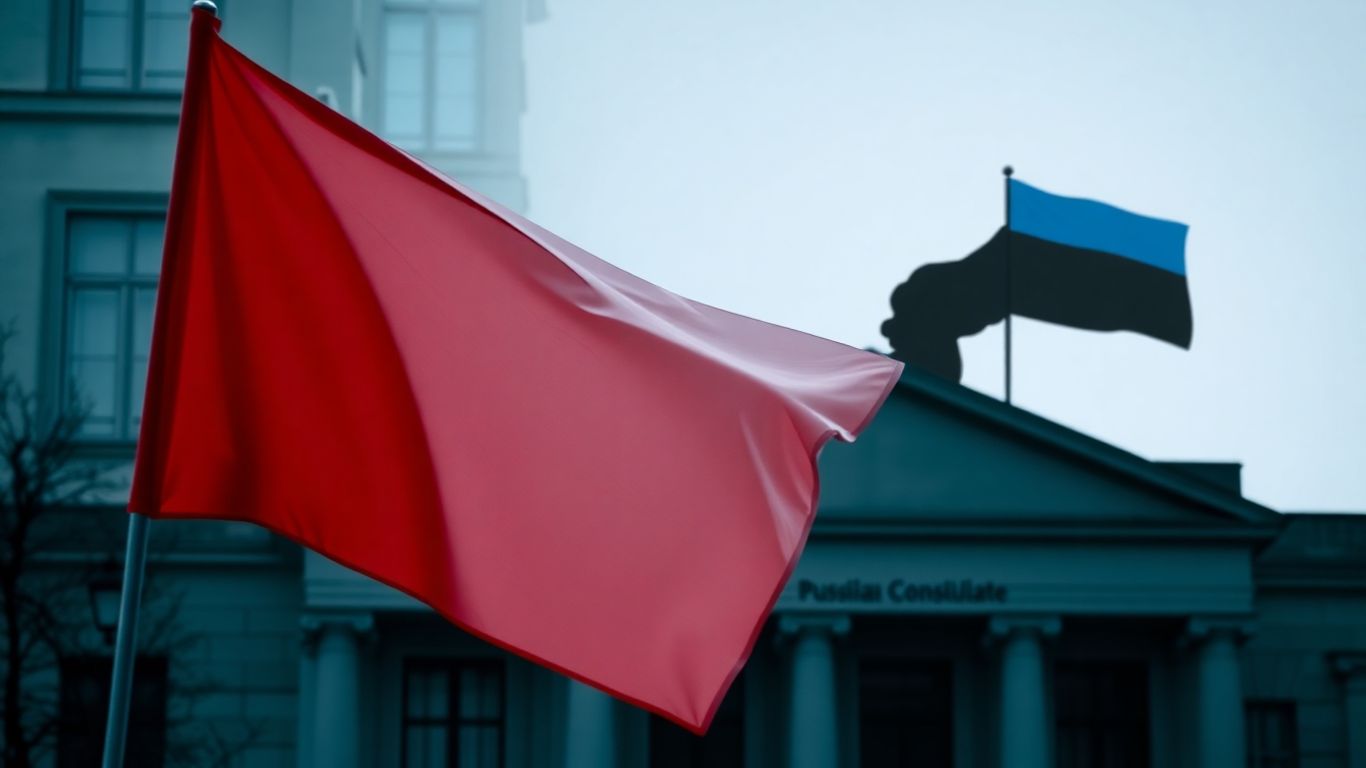
Things have really escalated lately, and it’s clear Poland isn’t going to just sit back and take it. After that whole mess with the rail line being sabotaged, the government has had enough. It’s not just some random act; they’re pointing the finger straight at Moscow for this, calling it an "act of state terrorism." Honestly, it feels like a direct attack on our ability to support our allies, especially Ukraine. This whole situation really highlights the shaky Eastern Europe political climate we’re dealing with.
Warsaw Responds to Moscow-Backed Sabotage
This recent sabotage on the rail line heading towards Ukraine wasn’t just some minor incident. It was a deliberate attempt to disrupt vital supply routes, and Poland is making it crystal clear that this kind of aggression won’t be tolerated. The government has stated that the perpetrators were working with Russian security services. It’s a bold move, but it shows that Poland foreign policy is shifting towards a more assertive stance.
Consulate Closure as Retaliation
So, what’s the big move? Poland is shutting down the last Russian consulate in Gdańsk. This isn’t just a symbolic gesture; it’s a direct consequence of Russia’s hostile actions. The Foreign Minister said it plainly: if Russia keeps up these kinds of attacks, their diplomatic presence here will shrink. It’s a tough message, but sometimes you have to be direct. This is a significant step in the ongoing deterioration of Poland Russia relations.
Maintaining Diplomatic Ties, Not Relations
Now, before anyone jumps to conclusions, Poland isn’t cutting off all diplomatic ties. The embassy in Warsaw will remain open. The Foreign Minister mentioned that other countries don’t sever all ties when acts of sabotage happen. It’s about drawing a line and showing that while we’ll keep the channels open, there will be consequences for hostile actions. It’s a delicate balance, but it shows a pragmatic approach to Poland diplomatic ties Russia in these tense times.
The Gdańsk Consulate Shutdown
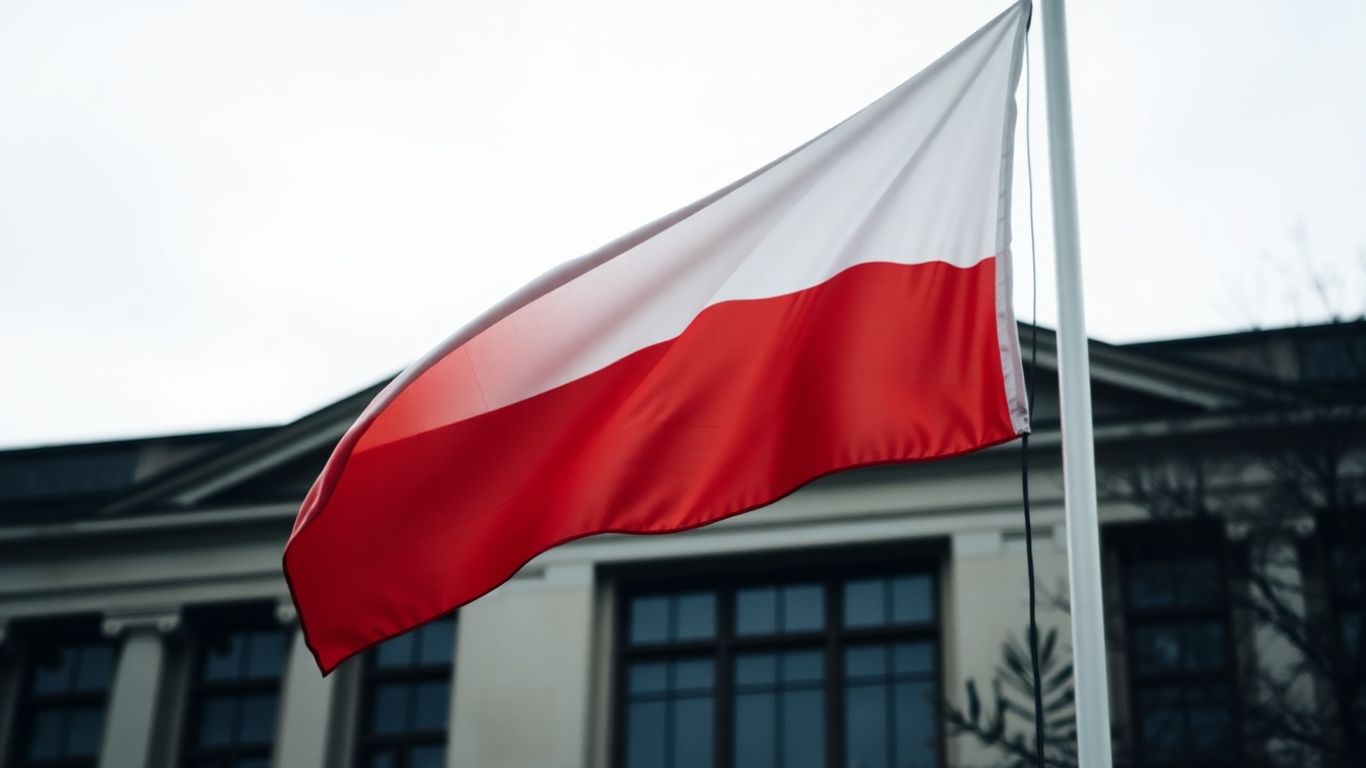
Final Russian Diplomatic Outpost Closes
So, the last Russian consulate in Poland, the one in Gdańsk, is getting the boot. This isn’t just some random decision; it’s a direct response to some serious trouble. We’re talking about a sabotage attempt on a key railway line, and Polish authorities are pointing the finger squarely at Moscow. It’s like, "You mess with our infrastructure, we shut down your operations." This Russian consulate closure marks a significant escalation in Poland’s stance against Russian aggression. It’s a clear message that this kind of behavior won’t be tolerated. The consulate is supposed to wrap things up by December 23rd. After that, the only Russian diplomatic presence left in Poland will be their embassy in Warsaw, and who knows how long that will last.
EU Travel Restrictions Sought
But Poland isn’t stopping at just closing the consulate. They’re also pushing for something bigger: getting the whole European Union to restrict travel for Russian diplomats. Think about it – if Russian diplomats can’t just waltz around the Schengen Area, it makes it a lot harder for them to do whatever sneaky stuff they might be planning. It’s a smart move, really. It’s about limiting their ability to operate and gather intel across Europe. This isn’t just about Poland anymore; it’s about coordinated action to push back against Russian interference.
Precedent Set by Earlier Closures
This whole Gdańsk consulate closure isn’t exactly out of the blue. Poland has already shut down Russian consulates in Kraków and Poznań. Those closures happened after previous incidents where Russia was suspected of sabotage. So, this is more like the final nail in the coffin for Russian consular operations in Poland, at least for now. It shows a pattern of Poland taking a firm line. It’s a consistent response to what they see as ongoing hostile actions from Russia. The situation is getting pretty tense, and these diplomatic moves reflect that.
The Polish government views these actions as part of a broader pattern of Russian destabilization efforts. Shutting down the last consulate and seeking EU-wide travel restrictions are seen as necessary steps to protect national security and deter further aggression.
Unprecedented Sabotage on Polish Rails
This past weekend, Poland experienced a brazen act of sabotage targeting a critical railway line. The incident, which occurred near Mika on the route connecting Warsaw to eastern Poland and onward to Ukraine, saw explosive devices damage the tracks. Thankfully, a sharp-eyed train driver spotted the disruption before a passenger train could hit it, averting a potential disaster. This wasn’t just a random act; Polish authorities are pointing the finger squarely at Moscow. Prime Minister Donald Tusk declared it an "unprecedented act of sabotage," and Foreign Minister Radosław Sikorski went further, calling it "an act of state terrorism" orchestrated by Russia. The clear intention, he stated, was to cause casualties.
Rail Line to Ukraine Targeted
The targeted rail line is a vital artery for logistics, especially for supplies heading towards Ukraine. Its disruption is a clear signal of Russia’s intent to interfere with support for our Eastern neighbor. The damage, while significant enough to halt traffic, was not catastrophic, thanks to the quick thinking of railway personnel. This incident highlights the ongoing threats we face from hostile actors seeking to destabilize the region. It’s a stark reminder that the conflict in Ukraine isn’t confined to its borders.
Suspected Russian Operatives Identified
Polish security services have been working around the clock. Prime Minister Tusk announced that two Ukrainian nationals, believed to be working with Russian intelligence services, have been identified as the perpetrators. These individuals reportedly entered Poland from Belarus and fled back shortly after planting the explosives. While these two are believed to be the direct actors, Polish authorities are actively pursuing those who commissioned the attack. The security services have stated they are "on the trail of the principals" and have already made arrests in connection with the incident. The goal is to dismantle the entire network, not just apprehend the foot soldiers. We need to get to the bottom of who is pulling the strings behind these operations.
Act of State Terrorism Declared
Calling this an "act of state terrorism" is not hyperbole; it reflects the gravity of the situation. This wasn’t just vandalism; it was a calculated attempt to disrupt vital infrastructure and potentially harm innocent people. The Polish government is taking this extremely seriously. The closure of the last Russian consulate in Gdańsk is a direct consequence, signaling that Poland will not tolerate such aggression. This move sends a clear message to Moscow that its hostile actions have tangible repercussions. We must stand firm against these provocations and protect our national interests and security. The sabotage attack within Poland is a serious escalation.
Here’s what we know so far:
- Target: A key railway line connecting Warsaw to eastern Poland and Ukraine.
- Method: Explosive devices planted on the tracks.
- Perpetrators: Two Ukrainian nationals identified, allegedly working for Russian intelligence.
- Outcome: Track damage, no casualties due to early detection.
- Polish Response: Closure of the Russian consulate in Gdańsk, declaration of "state terrorism."
The long winter nights ahead present a prime opportunity for Russia to increase its disruptive activities. We must be vigilant and prepared to counter any further attempts to destabilize our country and undermine support for Ukraine. Operation Horizon, deploying 10,000 soldiers to protect critical infrastructure, is a necessary step in this ongoing struggle.
Russia’s Reaction and Reciprocal Measures
So, Poland shuts down the last Russian consulate in Gdańsk. What’s Moscow’s response? Predictably, they’re crying foul and promising to hit back. The Kremlin’s official line is that Poland is just being "Russophobic," a convenient excuse to sever ties and avoid responsibility. It’s a classic deflection tactic, really. They’re accusing Poland of wanting to reduce diplomatic relations to zero, which, frankly, is a bit rich coming from a regime that’s been actively destabilizing Europe.
Kremlin Accuses Poland of Russophobia
Russian officials, like Foreign Ministry spokesperson Maria Zakharova, have been quick to label Poland’s actions as "Russophobia." This is their go-to narrative whenever they face consequences for their aggressive behavior. They claim Poland is simply trying to eliminate any possibility of consular or diplomatic relations, ignoring the fact that their own actions, like the recent sabotage on Polish rails, are the direct cause of this breakdown. It’s a way to paint themselves as the victim while continuing their destabilization efforts.
Moscow Vows Diplomatic Reduction
As expected, Russia isn’t taking this lying down. They’ve stated they will retaliate by reducing Poland’s diplomatic and consular presence within Russia. This tit-for-tat approach is something we’ve seen before. It’s a way to escalate tensions and make things difficult for Polish citizens and businesses operating in Russia. This move signals a further deterioration of already strained relations between the two nations. It’s not just about consulates; it’s about sending a clear message that aggression will be met with countermeasures, impacting everything from visa processing to broader diplomatic engagement.
Deterioration of Russia-Poland Relations
The relationship between Russia and Poland has hit a new low. The consulate closure and Moscow’s promised reciprocal measures are just the latest chapter in a long history of mistrust and conflict. This isn’t just a diplomatic spat; it’s a symptom of a much larger problem: Russia’s ongoing campaign to undermine European security and sow discord. The targeting of infrastructure, like the rail line to Ukraine, is a clear indication that Moscow is willing to take extreme measures. It’s a stark reminder of the threats facing the European Union Russia relations and the need for vigilance.
The escalating actions by Russia, including sabotage and aggressive rhetoric, are pushing European nations to reassess their diplomatic and security postures. Poland’s decisive action, while met with predictable Russian bluster, highlights a growing resolve among Eastern European states to counter Moscow’s destabilizing influence. The implications for future diplomatic exchanges and security cooperation across the continent are significant, demanding a unified and firm response.
Broader Implications for European Security
This whole consulate shutdown thing, it’s not just about Poland and Russia. It’s a sign of what’s really going on across Europe, especially on NATO’s eastern side. You’ve got Russia playing these games, trying to poke and prod, seeing how far they can push things. It’s like they’re testing our defenses, trying to make us nervous.
NATO’s Eastern Flank Under Pressure
Think about it. We’re seeing more than just diplomatic spats. There are actual sabotage attempts, like that train line incident. Then you have the pressure at the borders, and all sorts of cyber stuff. It’s all connected, part of a bigger plan to destabilize things. Poland is basically saying enough is enough, and they’re drawing a line.
Russia’s Campaign to Undermine Support for Ukraine
It’s pretty clear what Moscow is trying to do. They want to make everyone in Europe doubt supporting Ukraine. By causing trouble, they hope to create fear and division. It’s a classic tactic, really. Make people scared, make them argue, and then they won’t focus on helping Ukraine.
Increased Vigilance Against Hybrid Warfare
This whole situation means we all need to be more aware. It’s not just about tanks and soldiers anymore. Russia is using all sorts of methods – sabotage, misinformation, economic pressure. It’s what they call hybrid warfare, and it’s designed to weaken us from the inside out. We need to be smart about it and not fall for their tricks.
The days of assuming peace and stability are over. We’re seeing a deliberate effort to disrupt and destabilize, and it requires a serious, coordinated response from all free nations. Ignoring these threats is not an option.
- Sabotage Incidents: Increased frequency and sophistication of attacks on infrastructure. Examples include the recent rail line bombing and suspected arson attempts.
- Information Warfare: Amplification of disinformation campaigns aimed at sowing discord and undermining public trust in governments and institutions.
- Border Provocations: Heightened activity and pressure at eastern European borders, potentially linked to destabilization efforts.
- Cyber Operations: Ongoing threats and attacks targeting critical systems and sensitive data.
Protecting Critical Infrastructure
Because of all this, Poland is stepping up its game. They’ve got this thing called Operation Horizon, bringing in more troops to guard important places. It’s about making sure our power grids, communication networks, and transport links are safe from any funny business. It’s a necessary step to keep the country running and show we won’t be intimidated.
Protecting Critical Infrastructure
Operation Horizon Deploys Troops
After the recent sabotage on Polish rails, it’s clear we can’t just sit back and hope for the best. The government’s rolling out "Operation Horizon," and honestly, it’s about time. We’re talking about putting 10,000 soldiers on the ground to guard our vital infrastructure. This isn’t some drill; this is a serious response to what looks like a coordinated effort to destabilize things. The goal is simple: make sure our power grids, our communication lines, and especially our transportation networks are safe from any further interference. It’s a big undertaking, but frankly, the security of our nation and our citizens comes first.
Counteracting Diversionary Tactics
These attacks, like the one on the rail line near Mika, aren’t random. They’re designed to distract, to cause chaos, and to test our resolve. We’ve seen this pattern before, not just here but across Europe. Russia’s playbook seems to involve creating incidents that force us to divert resources and attention, all while they pursue their larger objectives. We need to be smarter and more vigilant than ever. Identifying these diversionary tactics is key. It means looking beyond the immediate incident and understanding the bigger picture. Are they trying to disrupt supply chains? Are they trying to sow public fear? Understanding their motives helps us protect ourselves more effectively. It’s a constant game of cat and mouse, and we can’t afford to lose.
Securing Poland’s Borders
Protecting our infrastructure doesn’t stop at our internal networks. It extends to our borders, especially with the current geopolitical climate. Increased checks are expected, and frankly, they’re necessary. We need to be sure about who and what is crossing into Poland. This is about more than just preventing illegal crossings; it’s about stopping potential operatives or materials that could be used for further sabotage. The Polish army is stepping up its presence, and that’s a good thing. It sends a clear message that we are serious about our security. We’ve seen how interconnected these threats can be, from cyber-attacks to physical sabotage, and securing our borders is a vital part of a larger defense strategy. It’s a tough job, but our soldiers are up to it. We’re also looking at ways to improve our response times and coordination with our allies, because this isn’t just a Polish problem, it’s a European one. The recent destruction of a major Ukraine power plant, the 750Ka, really drives home how vulnerable these systems are and why we need to be proactive. We need to ensure our energy security isn’t compromised.
Here’s a quick look at what Operation Horizon entails:
- Deployment: 10,000 soldiers assigned to protect critical sites.
- Focus Areas: Power plants, communication hubs, major transportation routes (rail, road).
- Objective: Deter and respond to sabotage, diversionary tactics, and hybrid warfare.
- Coordination: Working closely with intelligence agencies and international partners.
The current situation demands a robust and visible security presence. We must show that Poland is a secure nation, capable of defending its interests and its people against external threats. This operation is a clear signal of that commitment.
What This Means Going Forward
So, Poland is shutting down the last Russian consulate. It’s a pretty clear message after that whole sabotage thing on the train tracks. They’re not cutting all ties, mind you, the embassy in Warsaw is still open. But it shows Poland isn’t messing around when it comes to national security. It’s a bold move, and honestly, it feels like a necessary one given everything that’s been going on. We’ll have to see how Russia responds, but for now, it’s a big step for Poland in standing up for itself.
Frequently Asked Questions
Why is Poland closing the last Russian consulate?
Poland is closing its final Russian consulate in Gdańsk as a strong response to a recent attempt to damage a crucial railway line connecting Warsaw to Ukraine. Polish officials believe Russia was behind this act of sabotage, which they consider a form of state terrorism.
What happened to the railway line?
A bomb exploded on a railway track near the town of Mika, on a line important for moving goods to Ukraine. Luckily, no one was hurt because a train driver spotted the damage and reported it. This incident is seen as a deliberate act to disrupt important connections.
Who is blamed for the railway incident?
Poland’s Prime Minister Donald Tusk stated that two Ukrainian citizens, working with Russian secret services, were responsible for the sabotage. These individuals reportedly fled to Belarus shortly after the incident.
Will Poland completely cut off diplomatic ties with Russia?
No, Poland’s Foreign Minister has clarified that while the consulate is closing, Poland will not break off all diplomatic relations. The Russian embassy in Warsaw will remain open, meaning some level of official communication will continue.
What does Russia say about this?
Russia has reacted negatively, calling Poland’s actions ‘Russophobia’ and a sign of the poor state of relations between the two countries. Moscow has also stated that it will reduce Poland’s diplomatic and consular presence in Russia in return.
Are there other security measures being taken?
Yes, Poland is increasing its security efforts. The army is deploying 10,000 soldiers to protect important infrastructure across the country. This is part of a plan called ‘Operation Horizon’ to prevent further sabotage and enhance safety for citizens.