
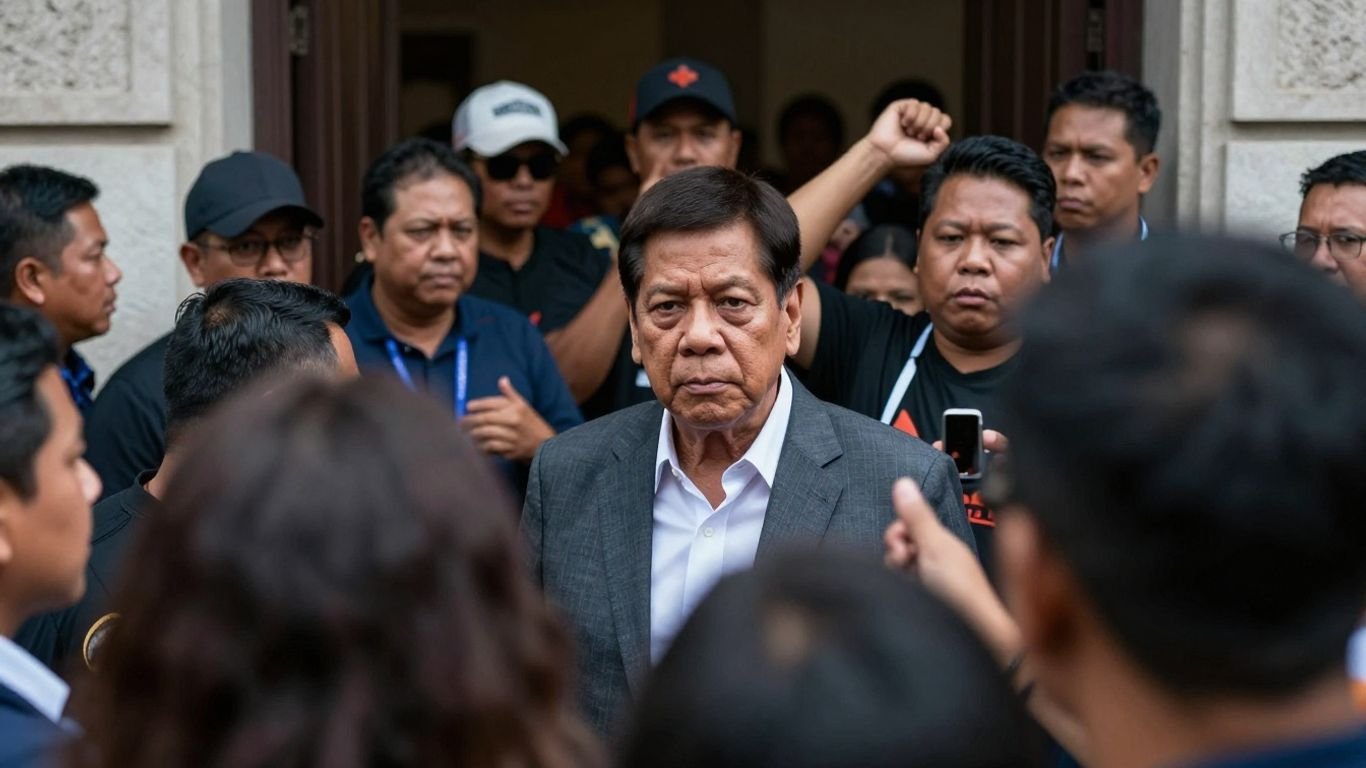
Protests Erupt as ICC Hearings Begin for Former Philippine President Duterte
The start of International Criminal Court (ICC) hearings for former Philippine President Rodrigo Duterte has ignited widespread protests across the Philippines, drawing significant attention to accountability for his controversial drug war. Demonstrators both supporting and opposing Duterte gathered outside key locations as the international proceedings began.
Key Takeaways
- ICC hearings focus on Duterte’s alleged crimes during his anti-drug campaign.
- Protests have surged, with divisions between supporters and critics.
- The current Philippine government has expressed strong opposition to ICC involvement.
ICC Investigates Duterte’s Drug War
The ICC opened its hearings to investigate claims of human rights abuses and extrajudicial killings linked to Duterte’s war on drugs, initiated during his term from 2016 to 2022. According to rights organizations, thousands were killed, many allegedly without due process. Duterte and his allies have consistently denied wrongdoing, calling the campaign a legitimate effort to curb crime.
Widespread Public Reaction
Demonstrations broke out in several major cities, including Manila, with large gatherings outside government buildings and the ICC office in The Hague.
- Supporters argue that Duterte’s policies improved public safety, urging the ICC to respect Philippine sovereignty.
- Critics and victims’ families demand justice for those killed, carrying placards and staging silent vigils.
Authorities increased security in anticipation of unrest, while human rights advocates called for calm amid rising tensions.
Political and Legal Ramifications
The hearings have placed the current administration in a delicate position, as the government officially withdrew from the ICC in 2019. President Ferdinand Marcos Jr. has reiterated that the nation’s justice system is capable of handling these cases domestically. However, opposition lawmakers and international observers argue that an independent probe is vital for accountability.
Legal experts note that the ICC remains empowered to pursue cases related to alleged crimes that occurred while the Philippines was still a member. The outcome of these hearings could set a precedent for international legal intervention in future human rights violations in the region.
What Comes Next
The ICC proceedings are expected to last several months, with testimonies from victims, witnesses, and expert analysts. The court’s decisions could lead to indictments, travel restrictions, or arrest warrants depending on the evidence presented. Philippine civil society groups have vowed to continue their advocacy regardless of the tribunal’s outcome, emphasizing that the quest for justice extends beyond the courtroom.

![[Donald Trump] sues [Hillary Clinton] over Russiagate lawsuit.](https://countrybrief.com/wp-content/uploads/2025/11/thumbnail-132-768x432.jpeg)