
Restarting US nuclear tests could take years
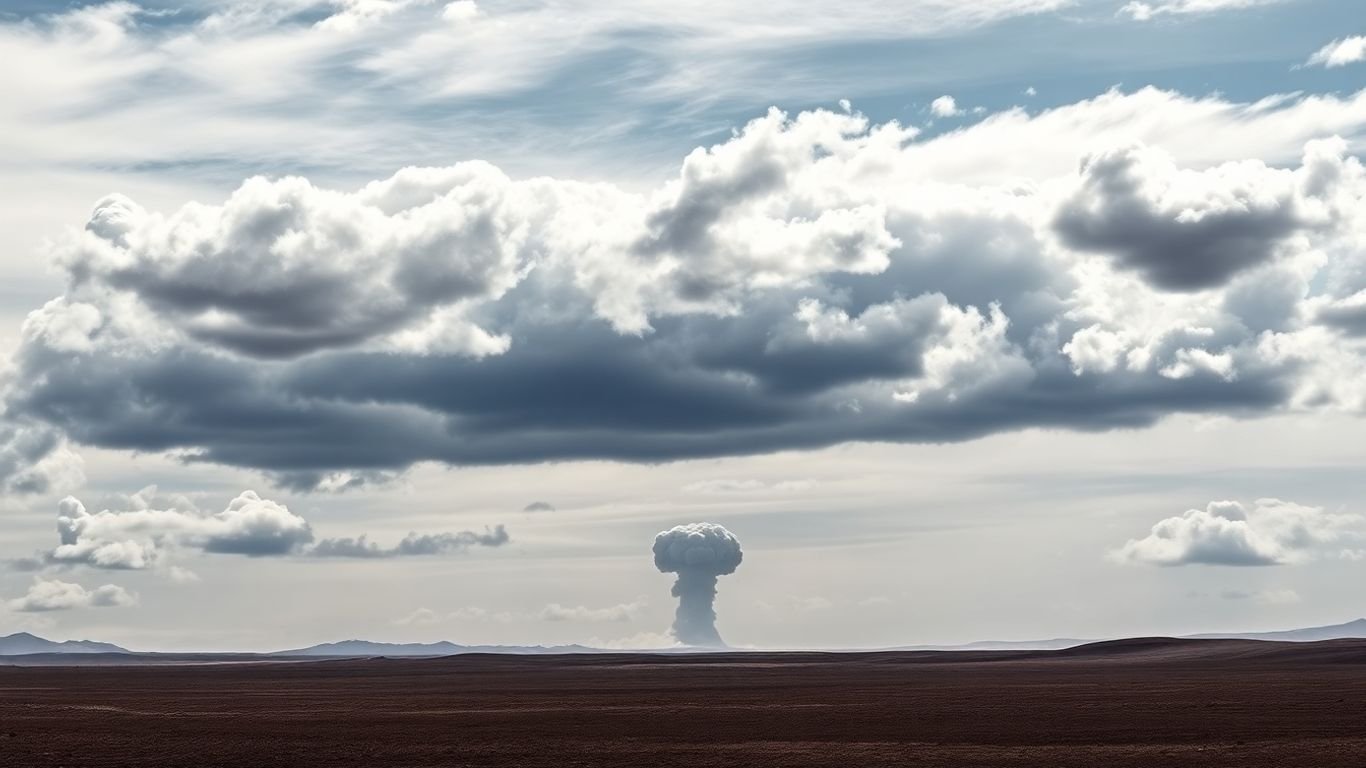
So, the big news is that President Trump wants the USA to start testing nuclear weapons again. It’s been a long time since the last test, way back in 1992. This idea has definitely stirred up a lot of talk, both here in the USA and around the world. People are wondering what this means for safety and for all the agreements we have in place.
Key Takeaways
- Restarting USA nuclear weapons testing is a complex process that would take years and cost a lot of money, with the Nevada site needing extensive preparation.
- The USA hasn’t conducted a nuclear test since 1992, when President George H.W. Bush initiated a moratorium, marking a global shift away from such explosive testing.
- Resuming USA nuclear tests could create international tension, potentially escalating situations with Russia and China and risking the nuclear non-proliferation treaty.
- Many experts question the technical or military need for the USA to resume testing, suggesting it might give adversaries like China an advantage.
- There’s significant political pushback within the USA, with some in Congress aiming to block funding and representatives from Nevada opposing the idea.
Challenges In Restarting USA Nuclear Testing
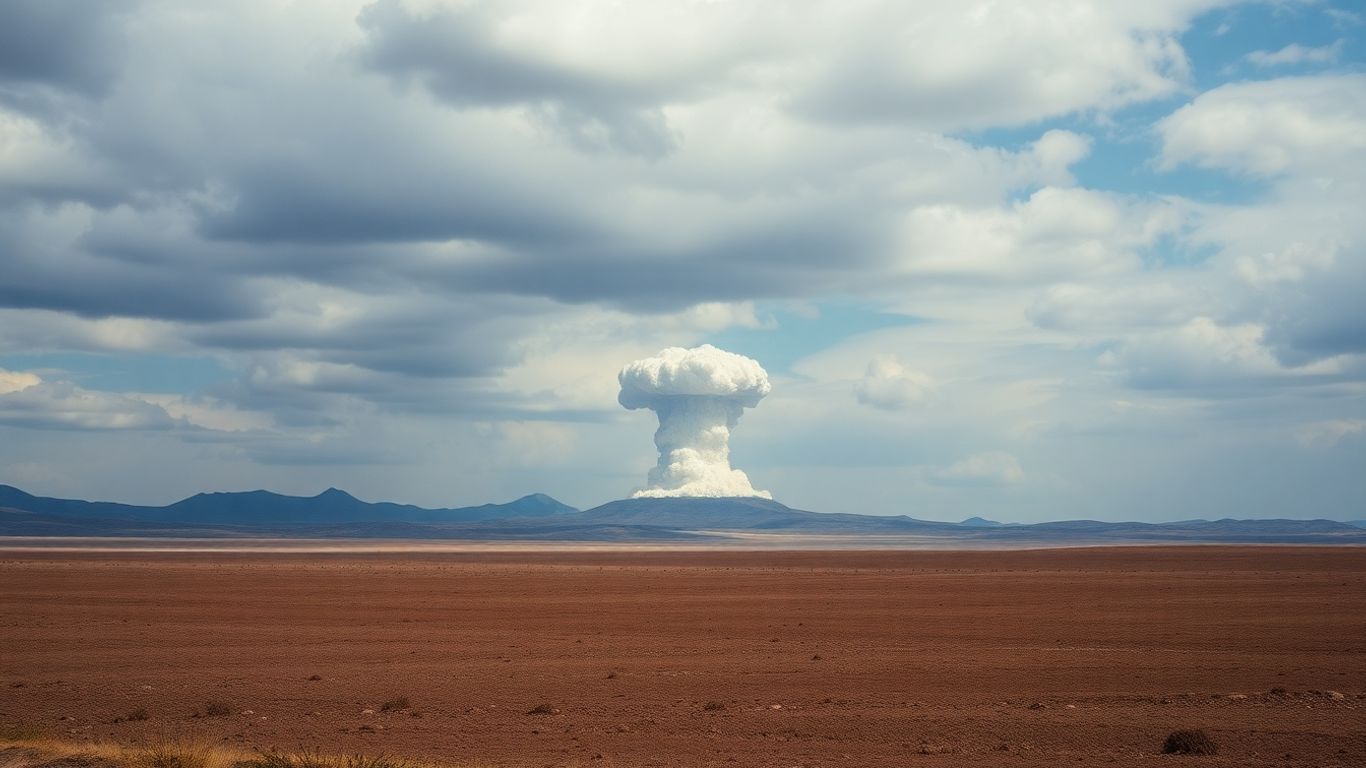
Thinking about the U.S. jumping back into nuclear weapons testing after all these years? It’s not as simple as flipping a switch. There are some pretty big hurdles to clear before any "boom" happens.
Extensive Preparation Required For Nevada Site
The main place for this kind of thing in the U.S. is the Nevada Test Site, way out near Las Vegas. It’s been quiet for a while, and getting it ready again isn’t a weekend project. We’re talking about making sure the underground facilities are safe and sound, which means a lot of checks and maybe some repairs. It’s not like you can just show up and start digging.
Significant Financial Investment Needed
This isn’t cheap. Estimates suggest it would take hundreds of millions of dollars just to get the Nevada site back in shape for testing. That’s a serious chunk of change, and it needs to be approved and allocated, which always takes time and political wrangling.
Years-Long Process For Site Readiness
Forget "immediately." Experts say it would take at least two to three years, maybe more, to get the Nevada Test Site fully prepared and certified for underground nuclear testing. This involves a lot of planning, safety assessments, and actual work on the ground. It’s a methodical process, not something you can rush.
Restarting nuclear weapons testing isn’t a quick decision. It involves significant time, money, and careful preparation to ensure safety and readiness at the designated site. The infrastructure has been dormant for decades, requiring substantial effort to bring it back online.
Historical Context Of USA Nuclear Testing
Last USA Nuclear Test Conducted In 1992
The United States hasn’t detonated a nuclear device in over three decades. The last time this happened was on September 23, 1992, at an underground facility in Nevada. This test, codenamed ‘Divider,’ was the 1,054th nuclear weapons test conducted by the U.S. The Nevada Test Site, located about 65 miles north of Las Vegas, remains under government operation. While some believe the site could be reactivated for testing, experts suggest it would take at least 36 months to get it ready for underground nuclear tests. The U.S. first entered the nuclear age with the Trinity test in July 1945, marking the dawn of nuclear weapons. The first detonation was a significant moment in history.
Moratorium Initiated By President George H.W. Bush
Following the end of the Cold War, President George H.W. Bush initiated a moratorium on nuclear testing in 1992. This decision effectively halted U.S. explosive testing. This move was part of a broader global trend away from such activities. The Comprehensive Nuclear-Test-Ban Treaty (CTBT) was later passed by the United Nations in 1996, aiming to ban all nuclear test explosions. However, the treaty has not been ratified by all nations, and its effectiveness relies on international cooperation and verification.
Global Shift Away From Explosive Testing
For decades, the U.S. conducted numerous nuclear tests, with many spectacular atmospheric tests occurring in the late 1940s and 1950s. These events, often producing iconic mushroom clouds, symbolized the immense power and threat of nuclear weapons. The Partial Test Ban Treaty in 1963, signed by the U.S. and the Soviet Union, ended atmospheric testing, though underground testing continued. France and China also continued atmospheric testing for some time after. By the 1990s, a strong international movement pushed for a complete halt to all explosive testing, leading to the U.S. moratorium and the subsequent CTBT. Today, North Korea is the only country known to have conducted nuclear tests in the 21st century, with its last test in 2017.
International Implications Of USA Testing Resumption
Thinking about the US starting up nuclear tests again brings up some pretty big questions on the world stage. It’s not just about what happens in Nevada; it ripples out and affects how other countries see us and how they act. This move could seriously shake up global stability and arms control efforts.
Potential For Escalation With Russia And China
If the US were to resume nuclear testing, it’s highly likely that Russia and China would see it as a green light to do the same. They might argue that they need to keep pace or respond to perceived threats. This could easily lead to a tit-for-tat escalation, where each country feels compelled to test more, potentially developing new or more advanced weapons. It’s a dangerous cycle that could increase tensions significantly.
Risk To The Nuclear Non-Proliferation Treaty
The Comprehensive Nuclear-Test-Ban Treaty (CTBT), signed by the US and many other nations, aims to stop all nuclear explosions. Resuming testing would put the US in direct violation of this treaty, undermining its authority and the entire non-proliferation regime. Other countries that have adhered to the ban might question why they should continue to do so if a major power breaks ranks. This could make it harder to prevent new countries from developing nuclear weapons.
Concerns Over A New Nuclear Arms Race
Many experts worry that restarting tests would kick off a new arms race. The US hasn’t tested since 1992, and while our arsenal is considered effective, other nations like China have been steadily developing theirs. If the US starts testing to maintain an edge, it could push Russia and China to accelerate their own programs, leading to a buildup of more weapons and potentially more destabilizing technologies. It’s a scenario that could make the world a lot less safe.
The idea of restarting nuclear tests is complex. While proponents might argue it’s necessary for national security or to keep up with rivals, the potential downsides are substantial. It could unravel decades of arms control work and lead to a more dangerous international environment. The long-term consequences need serious consideration.
Here’s a look at how testing might play out:
- Initial US Test: The US conducts a test, citing the need to modernize its arsenal or respond to others.
- Russian/Chinese Response: Russia and China, citing the US action, announce their own resumption of testing, possibly to counter perceived threats or advance their programs.
- Treaty Erosion: Other nations begin to question the value of the CTBT and other arms control agreements, leading to a weakening of the global non-proliferation framework.
- Increased Tensions: Diplomatic relations become more strained, and the risk of miscalculation or accidental conflict rises.
Expert Opinions On USA Testing Needs
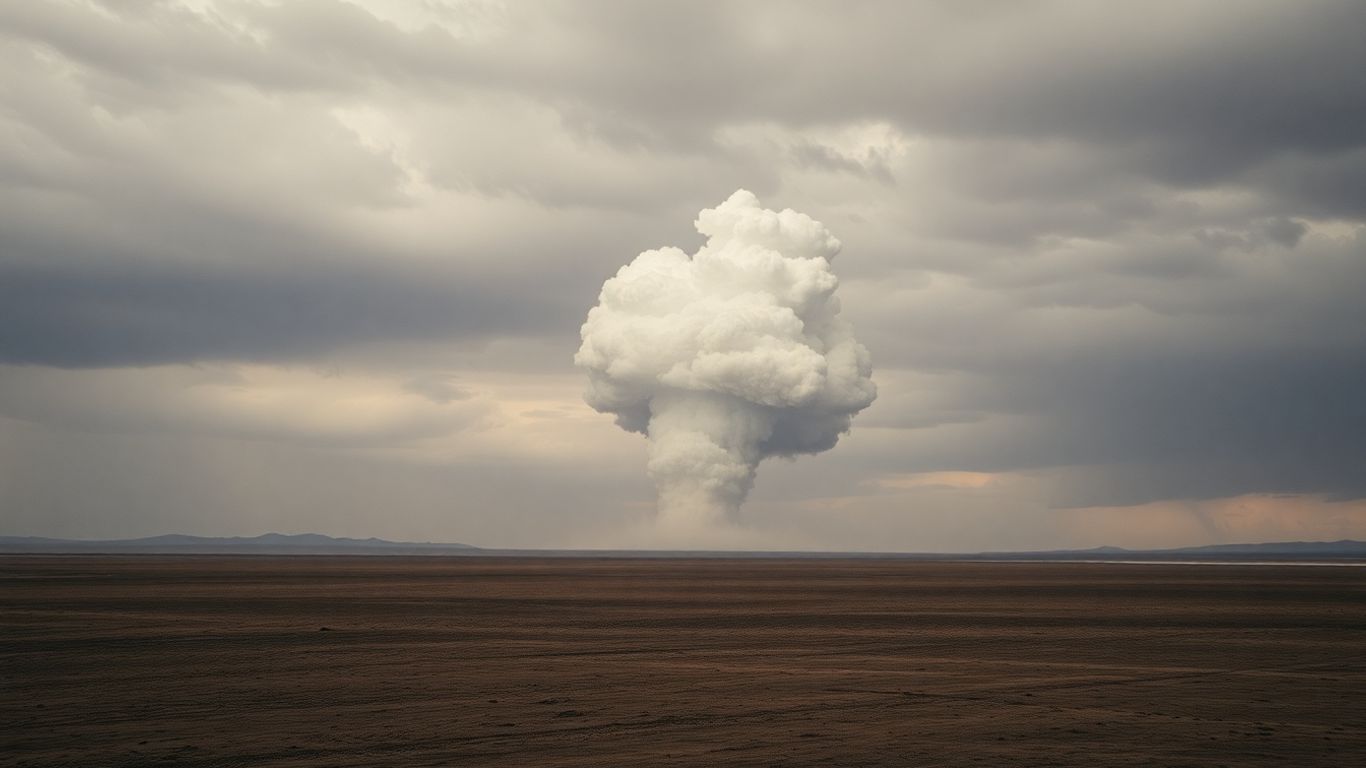
So, the idea of the U.S. jumping back into nuclear testing is definitely stirring up a lot of talk, and not all of it is positive. When you ask the folks who really know their stuff, like former officials from the Nuclear Regulatory Commission or arms control groups, you hear some pretty strong opinions. Many of them seem to think this whole idea is a bit premature, to say the least.
Doubts About Technical Or Military Justification
Lots of experts are scratching their heads, wondering if there’s even a real need to start testing again. They point out that the U.S. has a massive stockpile of nuclear weapons already, and for decades, the government itself has said this arsenal is safe and works just fine without new tests. It makes you wonder what’s really driving this push. Is it a genuine military requirement, or something else?
Concerns About Providing License To Adversaries
There’s a big worry that if the U.S. starts testing, it could give other countries, like China, a green light to do the same. Some analysts believe that China, with its less developed nuclear program compared to the U.S., could actually benefit the most. Restarting tests might help them refine their weapons designs, which isn’t exactly what anyone wants to see. It’s like handing them an excuse to catch up.
Arguments For Maintaining Current Arsenal Effectiveness
On the flip side, some argue that even if the current arsenal is considered effective, testing is a way to make absolutely sure. They say that with other nations reportedly developing new weapons or testing, the U.S. needs to keep its own capabilities sharp and verified. It’s a "peace through strength" kind of argument, suggesting that a demonstrably capable arsenal is the best deterrent. However, this viewpoint often clashes with the idea that the U.S. already has all the data it needs.
The push to resume nuclear testing raises complex questions about necessity, international relations, and the very treaties designed to prevent such actions. Many experts suggest the current justifications are weak and the potential downsides, including encouraging adversaries, are significant.
Here’s a quick look at some of the numbers often discussed:
- U.S. Nuclear Tests Conducted: 1,054 (last in 1992)
- China Nuclear Tests Conducted: 47 (last unknown, but not since 2016)
- Russia Nuclear Tests Conducted: Over 700 (last unknown, but not since 1990)
It’s a complicated situation, and figuring out the right path forward isn’t going to be simple.
USA’s Role In Global Nuclear Landscape
So, where does the United States stand when it comes to the big picture of nuclear weapons? It’s a complicated picture, for sure. The US currently possesses one of the largest nuclear arsenals in the world, a fact that shapes international relations and arms control talks.
When we look at the numbers, it’s clear the US is a major player. While exact figures are kept under wraps, estimates put the US stockpile at around 5,225 warheads. That’s a lot of firepower, though Russia is thought to have a slightly larger number, around 5,580. China, meanwhile, is rapidly expanding its arsenal, with projections suggesting they could have over 1,000 weapons by 2030. This growth is definitely something that gets people talking.
Here’s a rough look at estimated nuclear warhead counts:
- United States: ~5,225
- Russia: ~5,580
- China: ~600 (and growing)
- France: ~290
- United Kingdom: ~225
This whole situation impacts international agreements, like the Comprehensive Nuclear-Test-Ban Treaty, which the US signed but hasn’t ratified. The treaty aims to stop all nuclear explosions, a goal that’s been a cornerstone of efforts to prevent the spread of nuclear weapons since the Partial Test Ban Treaty was established in 1963. It’s a delicate balance, and any move by one nation can have ripple effects across the globe.
The ongoing discussions about nuclear testing and arsenal sizes aren’t just abstract policy debates. They touch on real-world security concerns and the long-term stability of global peace. Maintaining a credible deterrent is one thing, but doing so in a way that doesn’t spark a new arms race is another challenge entirely.
This complex web of arsenals and treaties means the US has a significant role to play in shaping the future of nuclear arms control. It’s a responsibility that comes with a lot of international scrutiny and a need for careful consideration of every step taken.
Legislative And Political Responses In USA
The idea of the U.S. jumping back into nuclear testing has definitely stirred up some strong feelings in Washington, and not everyone’s on board. It’s not just a simple decision; it’s got folks in Congress scratching their heads and raising alarms.
Congressional Efforts To Block Funding
There’s been a noticeable pushback from some members of Congress who are looking to shut down any potential funding for restarting nuclear tests. They’re worried about the cost, the international implications, and whether it’s even necessary. Think of it like trying to get a big project approved, but a significant chunk of the committee is saying ‘no way’ right from the start. They’re introducing amendments and trying to attach riders to spending bills that would specifically prevent money from being allocated to prepare for or conduct any new tests. It’s a pretty direct way to try and put the brakes on the whole idea.
Opposition From Nevada Representatives
It’s no surprise that the representatives from Nevada, where the primary testing site is located, are particularly vocal in their opposition. This isn’t just an abstract policy debate for them; it’s about their constituents and the potential environmental and safety concerns for their state. They’ve been pretty clear that they don’t want their home state to become the site of renewed nuclear testing. They often point to the historical impact of testing on the region and argue that the risks outweigh any perceived benefits.
Debate Over Presidential Authority
Beyond the specific funding battles and state-level opposition, there’s also a broader discussion happening about how much authority the President really has in this area. Can a President unilaterally decide to restart nuclear testing, or does it require more input from Congress? This question touches on the balance of power between the executive and legislative branches, especially when it comes to matters of national security and international treaties. It’s a complex legal and political argument that could have long-term consequences for how such decisions are made in the future.
The push to resume nuclear testing, while framed by some as a necessary response to global developments, faces significant hurdles within the U.S. political system. Lawmakers are weighing the potential risks against perceived needs, creating a complex legislative landscape.
Here’s a look at some of the key points of contention:
- Funding Hurdles: Specific appropriations bills are often targeted to prevent funds from being used for test site preparation or actual testing activities.
- Treaty Obligations: Concerns are frequently raised about how resuming tests would align with or potentially violate existing international agreements, like the Comprehensive Nuclear-Test-Ban Treaty.
- Technical Justification: Many experts and lawmakers question the current technical or military necessity for resuming tests, given the existing state of the U.S. nuclear arsenal.
- International Signaling: The political message sent by resuming tests is a major point of debate, with worries about escalating tensions with other nuclear powers.
So, What’s the Bottom Line?
Look, the idea of restarting US nuclear tests is a big deal, and it’s not something that can just happen overnight. Experts are saying it would take years and a whole lot of money to get the Nevada site ready again. Plus, there are serious questions about whether we even need to do this right now, and concerns that it could actually make things more dangerous by encouraging other countries to test too. It’s a complicated issue with a lot of moving parts, and it’s clear that jumping back into nuclear testing isn’t as simple as flipping a switch.
Frequently Asked Questions
Why is the US thinking about testing nuclear weapons again?
The idea of testing nuclear weapons again comes up because some leaders feel that other countries like Russia and China are developing their own nuclear capabilities. The goal is to make sure the US nuclear weapons are still working well and are as powerful as others, to keep the country safe.
When was the last time the US tested a nuclear weapon?
The United States last tested a nuclear bomb way back in 1992. This was after a long period of testing during the Cold War. Since then, the US has chosen not to test, even though other countries have continued their own programs.
Is it easy to start testing nuclear weapons again?
No, it’s not easy at all. The place in Nevada where the US used to test needs a lot of work to get ready. Experts say it would cost a lot of money and take at least a couple of years just to make the site safe and ready for new tests.
Could testing nuclear weapons again cause problems with other countries?
Yes, many experts worry that if the US starts testing again, it could make other countries, especially Russia and China, feel like they should test too. This could lead to a new arms race and make the world a more dangerous place. It might also hurt agreements that try to stop the spread of nuclear weapons.
Does the US actually need to test nuclear weapons to keep them working?
Some experts believe the US doesn’t really need to test nuclear weapons right now. They think the current weapons are still safe and effective. They also worry that testing might help other countries improve their own weapons, which could be risky.
What does the rest of the world think about the US testing nuclear weapons?
Many countries are concerned about the US resuming nuclear tests. They worry it could break important international agreements designed to prevent nuclear weapons from spreading. Allies of the US have also expressed worries, and some politicians in the US are trying to stop any plans to test.
![European leaders meeting, [Donald Trump] on screen](https://countrybrief.com/wp-content/uploads/2025/11/thumbnail-74-768x432.jpeg)


One Comment