
Salary Man (Japan)

In Japan, the term ‘Salary Man’ brings to mind a very specific image: a man in a dark suit, always heading to or from work. This isn’t just a job title; it’s a whole way of life that has shaped Japanese society for decades. We’re going to take a look at what being a salaryman really means, from the long hours and company loyalty to the pressures and how things are starting to change.
Key Takeaways
- The salaryman is a traditional figure in Japan, representing a white-collar worker deeply committed to their company, often prioritizing work above personal life.
- A typical salaryman’s day involves long working hours, mandatory after-work socializing with colleagues, and a strenuous commute.
- Company loyalty is a cornerstone of the salaryman role, with career progression traditionally based on seniority rather than individual merit.
- The demanding salaryman lifestyle can lead to serious health issues, including ‘karoshi’ (death from overwork), and carries social stigma for those who deviate from the path.
- Modern Japan is seeing shifts in the salaryman model, with younger generations seeking better work-life balance, increased female participation, and companies adapting their structures.
The Salaryman Identity In Japan
Defining The Salaryman
The term “salaryman” in Japan refers to a specific type of male employee, typically working for larger corporations. These individuals are often recognizable by their uniform – a dark suit, white shirt, and tie. It’s more than just a job; it’s a whole way of life. From the moment they graduate university, salarymen are often expected to dedicate their entire careers to a single company. This commitment is usually reciprocated with a promise of lifelong employment, creating a sort of paternalistic relationship between the worker and the firm. The company becomes the center of their social universe, shaping their daily routines and long-term aspirations.
A Traditional Career Path
For decades, becoming a salaryman was seen as the most stable and respectable career path for young men in Japan. The system was built on loyalty and seniority. You joined a company, and you stayed. Promotions weren’t necessarily based on merit alone, but often on how long you’d been there. This created a predictable trajectory, where individuals could see their future laid out before them, climbing the corporate ladder step by step. It was a path that many parents encouraged their children to follow, seeing it as a ticket to a secure middle-class life. This traditional route is still a significant part of the Japanese economic landscape, though it’s starting to see some changes.
Societal Expectations And Stigma
While the salaryman role has historically been held in high regard, it also comes with its own set of societal expectations and, sometimes, a bit of a stigma. There’s an unspoken pressure to conform, to put the company first, and to maintain a certain professional image. For those who deviate from this path, or who don’t enter the corporate world, there can be a sense of falling short. Some might even face judgment for not pursuing what’s considered the ‘ideal’ career. This pressure can be intense, influencing educational choices and life decisions from a young age. It’s a complex social dynamic that shapes individual choices and the broader economic outlook.
The salaryman identity is deeply intertwined with the concept of group harmony and collective responsibility within Japanese society. Individual desires often take a backseat to the needs and goals of the company and the team.
Here’s a look at some common characteristics associated with the traditional salaryman:
- Unwavering Company Loyalty: Dedication to the employer above personal interests.
- Long Working Hours: Often staying late to show commitment, regardless of actual workload.
- Social Obligations: Participating in after-work gatherings with colleagues and superiors.
- Seniority-Based Advancement: Promotions often tied to years of service rather than performance.
- Company as Social Center: Work colleagues often form the primary social circle.
A Day In The Life Of A Salaryman
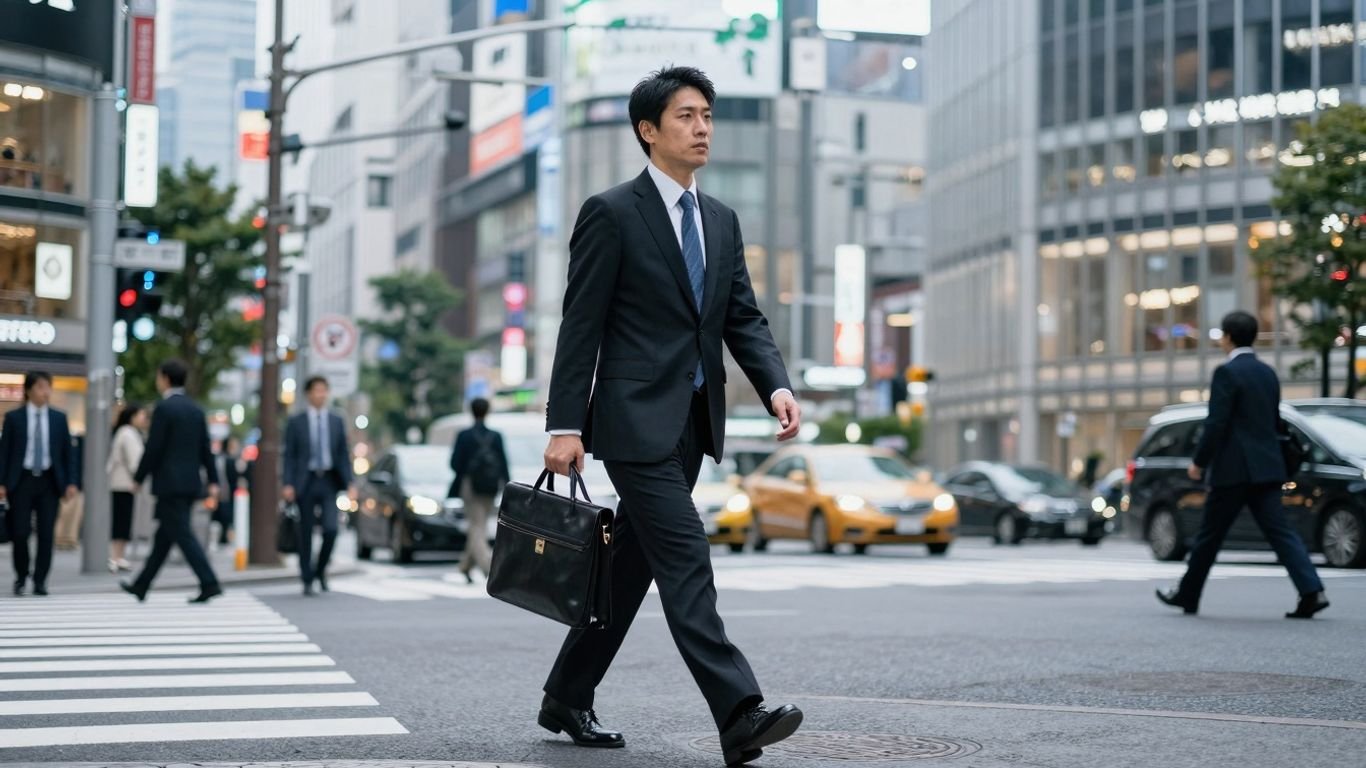
The daily routine of a salaryman is a well-trodden path, often starting long before the sun fully rises and ending well after dark. It’s a life deeply intertwined with the demands of the corporate world, where punctuality and dedication are paramount. The typical life of a Japanese office worker is characterized by a structured, often grueling, schedule.
The Grueling Work Schedule
Most salarymen begin their day with an early commute, often packed into crowded trains. Once at the office, the day is typically filled with meetings, tasks, and a constant stream of work. Lunch breaks are usually short, and many opt to eat at their desks to maximize productivity. Leaving the office before your superiors is generally frowned upon, leading to very late finishes. This intense schedule can stretch for 12 hours or more on a regular basis.
After-Hours Social Obligations
Work doesn’t always end when the clock strikes five. A significant part of the salaryman’s life involves after-hours social events, known as nomikai. These gatherings, often held at local izakayas (Japanese pubs), are seen as crucial for building camaraderie and strengthening business relationships. While they can be a chance to unwind, they are often expected, adding more hours to an already long day. Refusing these invitations can sometimes be perceived negatively by colleagues and superiors.
Commuting In Japan
Getting to and from work is an experience in itself. Japan’s public transportation system is renowned for its efficiency, but during peak hours, trains can be incredibly crowded. The daily commute is a shared experience for millions, a sea of suits and briefcases moving in unison. For many, this journey is a significant chunk of their day, often spent catching up on emails or simply trying to find a moment of quiet before the workday truly begins. It’s a testament to the dedication involved in the life of a Japanese office worker.
The rhythm of the salaryman’s day is dictated by the needs of the company. From the early morning train to late-night drinks, personal time often takes a backseat to professional obligations. This dedication is a cornerstone of the traditional Japanese work ethic.
Work Culture And Company Loyalty In Japan
Unwavering Commitment To The Employer
In Japan, the concept of unwavering commitment to one’s employer is deeply ingrained in the traditional Japanese corporate culture. It’s not just about showing up and doing your job; it’s about a dedication that often extends far beyond the official working hours.
This loyalty is built on a foundation of mutual expectation: the company provides stability and a career path, and in return, the employee offers their utmost dedication. This can manifest in various ways, from staying late to help colleagues finish tasks to actively participating in company events. It’s a mindset where the company’s success is seen as intrinsically linked to the individual’s own. This dedication is often seen as a sign of maturity and professionalism, a key part of the overall Japanese business etiquette.
Seniority And Promotion Structures
When it comes to climbing the ladder, seniority has historically played a huge role in Japanese companies. Younger employees are generally expected to show deference to their older, more experienced colleagues. Promotions often depend on how long you’ve been with the company, rather than solely on merit or performance. This creates a predictable, albeit sometimes slow, career progression. It’s a system that values experience and loyalty, aiming to maintain harmony within the workplace. While some companies are starting to introduce performance-based evaluations, the seniority system remains a significant factor for many.
Here’s a general idea of how promotions might look:
- Entry Level: Fresh out of school, starting at the bottom.
- Mid-Level: Several years of service, gaining experience and responsibility.
- Senior Level: Decades of service, often in management or specialized roles.
- Executive Level: Top positions, usually held by those with extensive company tenure.
The Company As A Social Hub
For many salarymen, their company isn’t just a place of work; it’s a significant part of their social life. After-hours gatherings, known as ‘nomikai,’ are common. These aren’t just about unwinding with a drink; they’re opportunities to build camaraderie, strengthen relationships with colleagues and superiors, and sometimes even discuss work-related matters in a more relaxed setting. This social aspect is so important that skipping these events can sometimes be seen as a lack of commitment. It’s a way to solidify the bonds that help the team function smoothly during the demanding work week. This can make achieving a good work life balance Japan quite challenging.
The expectation to participate in after-work social events, while fostering team spirit, can blur the lines between professional and personal life, making it difficult for individuals to disconnect and recharge. This cultural norm, deeply embedded in Japanese workplaces, contributes to the long hours often associated with the salaryman lifestyle.
The Dark Side Of The Salaryman Lifestyle
It’s not all suits and company loyalty, is it? The salaryman life, while often portrayed as stable and respectable, comes with a hefty price tag. We’re talking about the kind of sacrifices that can really wear a person down, both mentally and physically. It’s a path that demands an almost total devotion to the company, often leaving little room for anything else.
Karoshi: Death From Overwork
This is probably the most extreme consequence of the salaryman grind. Karoshi, or “death from overwork,” isn’t just a myth; it’s a recognized phenomenon in Japan. It refers to deaths caused by stress and exhaustion from excessive working hours. We’re talking about heart attacks, strokes, and suicides directly linked to the job. While the government has put measures in place to limit overtime, the pressure to keep working, especially at larger companies, remains intense. It’s a grim reminder of how far some individuals push themselves.
Mental And Physical Health Toll
Even if you don’t reach the point of karōshi, the daily grind takes a serious toll. Long hours, constant pressure, and the expectation to always be available can lead to chronic stress, burnout, and depression. Sleep deprivation is common, and finding time for exercise or healthy meals becomes a luxury. Many salarymen find themselves constantly fatigued, with their personal lives taking a backseat. It’s a recipe for long-term health problems, both in the mind and body.
Derogatory Terms And Perceptions
It’s not just the physical and mental strain; there’s a social stigma attached too. Sometimes, salarymen are referred to with less-than-flattering terms, like “corporate livestock” (shachiku) or “company dog.” These labels highlight a perception that they’ve lost their individuality and are merely cogs in a corporate machine. This can be particularly tough for younger generations who might question the value of such a life, especially when compared to the promise of a stable career.
- Constant Pressure: The need to perform and meet targets is relentless.
- Lack of Personal Time: Family, hobbies, and personal relationships often suffer.
- Social Isolation: After-work obligations can limit opportunities for other social connections.
- Health Risks: Increased likelihood of stress-related illnesses and burnout.
The relentless pursuit of company success, often at the expense of personal well-being, creates a cycle of exhaustion that’s hard to break. It’s a lifestyle that demands immense dedication but offers little in return for the individual’s health.
Evolving Salaryman Roles In Japan
Shifting Aspirations Of Younger Generations
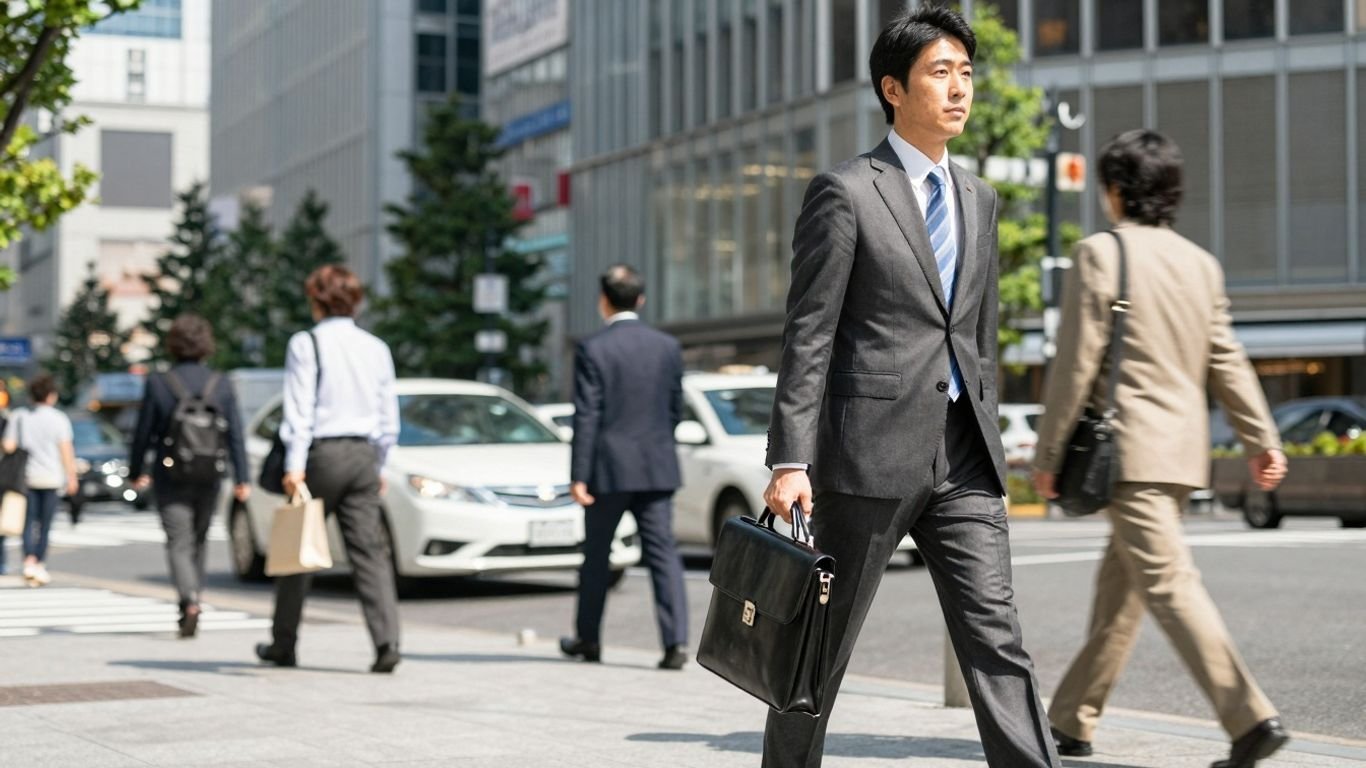
The traditional image of the salaryman, once the bedrock of Japanese corporate life, is definitely seeing some changes, especially with the younger crowd. Many folks just out of college aren’t as drawn to the idea of dedicating their entire lives to one company anymore. They’re looking for more flexibility, a better work-life balance, and opportunities to explore different career paths. It’s not uncommon now for them to switch jobs if they feel it’s a better fit for their personal growth or even to start their own businesses. This shift means companies are having to rethink how they attract and keep talent.
Increased Female Participation In The Workforce
Another big change is the growing presence of women in the workforce. Historically, the salaryman role was almost exclusively male. However, with Japan’s aging population and a need for more workers, companies are increasingly opening their doors and offering more support for female employees. This includes better parental leave policies and more flexible work arrangements, which are beneficial for everyone, not just women. It’s a slow but steady move towards a more inclusive work environment.
Company Adaptations To Modern Needs
Companies themselves are starting to catch on. To stay competitive and attract the best people, many are adapting their old ways. We’re seeing more options like remote work, shorter workweeks in some sectors, and a greater focus on individual employee well-being. The old model of lifetime employment and unquestioning loyalty is being challenged by a more modern approach that values individual contributions and personal life. It’s a complex transition, but it seems like the Japanese workplace is slowly but surely moving towards a more balanced future. This evolution is key for companies to thrive in the modern economy, and you can see these changes reflected in how businesses operate today, even in areas like company advertising.
The rigid structure of the past is giving way to a more adaptable system. Companies are realizing that to keep up, they need to listen to what employees want, not just expect them to conform to outdated norms. It’s about finding a middle ground where both the company and its people can succeed.
Here’s a quick look at some of the shifts:
- Career Paths: Less emphasis on linear, lifelong careers; more openness to job changes and entrepreneurship.
- Work Arrangements: Introduction of remote work, flexible hours, and compressed workweeks.
- Company Culture: Moving away from mandatory after-hours social events towards respecting personal time.
- Inclusivity: Greater efforts to support and integrate women and diverse backgrounds into all levels of the workforce.
This isn’t to say the salaryman is gone entirely. Many still exist, particularly in older, more traditional industries. But the landscape is definitely changing, and the definition of a successful career in Japan is broadening.
Cultural Depictions Of The Salaryman
Media Portrayals In Japan
The image of the salaryman is pretty much everywhere in Japanese media. You see them in movies, TV shows, and even anime. They’re often shown in their signature dark suits, looking a bit tired but always heading to work. Sometimes they’re the heroes of the story, dedicated to their company, and other times they’re portrayed as a bit lost, stuck in a routine. It’s a complex picture, really. Shows like “Japanese Salaryman NEO” and films like “Mr. Salaryman” really lean into this. They explore the daily grind, the after-work drinks, and the pressure to succeed. It’s a reflection of how deeply ingrained this role is in Japanese society, almost like a national character.
The Salaryman In Popular Culture
Beyond just movies and TV, the salaryman pops up in all sorts of places. Think about manga, video games, and even advertising. They represent a certain kind of stability and, let’s be honest, a bit of a stereotype. You’ll often see them depicted as diligent, perhaps a little unimaginative, but always reliable. This image is so strong that it’s become a shorthand for a certain lifestyle. It’s interesting how this figure, who is supposed to be so ordinary, has become such an icon. It makes you wonder if it’s a celebration of their hard work or a subtle critique of their conformity. The whole concept is tied to the idea of a “run-it-hot” economy, where people are expected to pour everything into their jobs [baa3].
Uniformity And Professional Appearance
One of the most striking things about the salaryman is the uniform look. Dark suits, white shirts, conservative ties – it’s a look that screams professionalism, or at least, conformity. This visual consistency isn’t just about looking neat; it’s a symbol of belonging to the corporate world. It helps create a sense of unity within a company and presents a unified front to the outside. It’s like they’re all part of the same team, playing by the same rules. This uniformity extends beyond just clothing; it often reflects a shared mindset and a dedication to the company’s goals. It’s a powerful visual that has become synonymous with the Japanese corporate identity.
The salaryman’s appearance is more than just fashion; it’s a statement of belonging and a commitment to the corporate structure. It’s a visual representation of the collective over the individual, a common theme in Japanese business culture.
The Salaryman Today and Tomorrow
So, that’s the salaryman for you. It’s a picture of dedication, sure, but also one that comes with a lot of pressure. For a long time, this was just how things were done in Japan, with people joining a company after school and staying put for their whole careers. But things are starting to shift. Younger folks are looking for a bit more balance, and companies are realizing they need to change to keep up. It’s not quite the same world as it was decades ago, and it’ll be interesting to see how this whole salaryman idea evolves even further.
Frequently Asked Questions
What exactly is a “salaryman” in Japan?
A salaryman is basically a term for a male office worker in Japan. Think of someone who wears a suit and tie every day and works for a big company. They are known for being very dedicated to their jobs, often putting work before almost everything else.
What’s a typical day like for a salaryman?
It’s usually pretty packed! They often have long workdays, sometimes more than 12 hours. After a long commute, they might have meetings, work at their desk, and then often stay late because it’s not polite to leave before your boss. Evenings might involve going out with coworkers.
Why are salarymen so loyal to their companies?
Traditionally, companies offered a ‘job for life.’ This meant if you were loyal and worked hard, you’d have a job until retirement. The company also became a big part of their social life, so it felt like a whole world, not just a workplace.
Are there any downsides to being a salaryman?
Yes, definitely. The long hours can be really tough on their health, both physical and mental. Sadly, some people even die from working too much, which is called ‘karoshi.’ Also, some people use not-so-nice nicknames for them because they can seem like they lack their own personality.
Is the salaryman role changing in Japan?
It is! Younger people today often want more free time and a better balance between work and life. They might switch jobs more often or even start their own businesses. Companies are starting to offer more flexible work options to keep up.
How are salarymen shown in movies or TV shows?
They are often shown as dedicated workers, sometimes a bit robotic in their suits. Media can portray them as the backbone of Japanese business, but sometimes also as people who are a bit lost without their company. They are a common character in Japanese stories.