Saudi Arabia Warns Iran of Retaliation Over Attacks, Favors Diplomacy
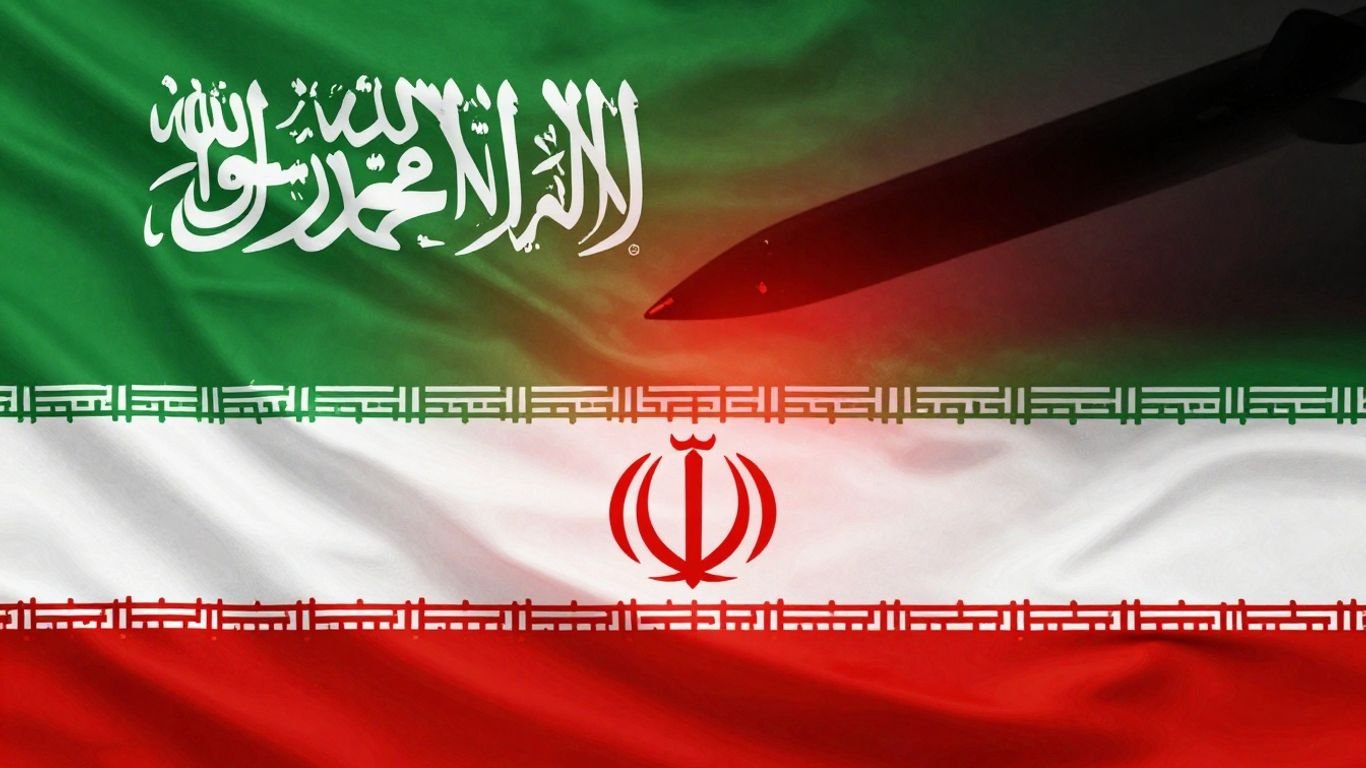
Saudi Arabia has communicated to Iran its preference for a diplomatic resolution to the ongoing conflict with the United States. However, the kingdom has also issued a stern warning: continued attacks on Saudi Arabia and its vital energy sector could compel Riyadh to retaliate in kind, according to four sources familiar with the matter.
Key Takeaways
- Saudi Arabia prefers diplomatic solutions but warns of retaliation if attacks persist.
- The warning comes amid heightened tensions between Iran and the United States.
- Attacks on Saudi energy infrastructure are a specific point of concern for Riyadh.
Diplomatic Overture Amidst Rising Tensions
Sources indicate that Saudi Arabia has conveyed a clear message to Tehran, emphasizing a desire for a peaceful settlement to the complex geopolitical situation involving Iran and the United States. This diplomatic overture suggests a strategic approach by Riyadh to de-escalate regional tensions through dialogue.
The Threat of Retaliation
Despite the preference for diplomacy, the message from Saudi Arabia carries a significant undertone of warning. The kingdom has made it clear that sustained attacks targeting its territory and, particularly, its crucial energy sector, will not be tolerated indefinitely. Such actions, the sources suggest, could push Saudi Arabia to abandon its non-retaliatory stance and respond forcefully.
Focus on Energy Sector Security
The explicit mention of the kingdom’s energy sector highlights its strategic importance and vulnerability. Attacks on these facilities have the potential to disrupt global oil supplies and significantly impact the Saudi economy. Riyadh’s warning underscores its determination to protect these critical assets and maintain stability in the global energy market.
The implications of this exchange are significant, as it signals a potential shift in Saudi Arabia’s response strategy should diplomatic efforts fail and provocations continue. The situation remains fluid, with the international community closely watching the developments between these regional powers.