Serbia doesn’t need to justify ties with Russia and China – Vucic
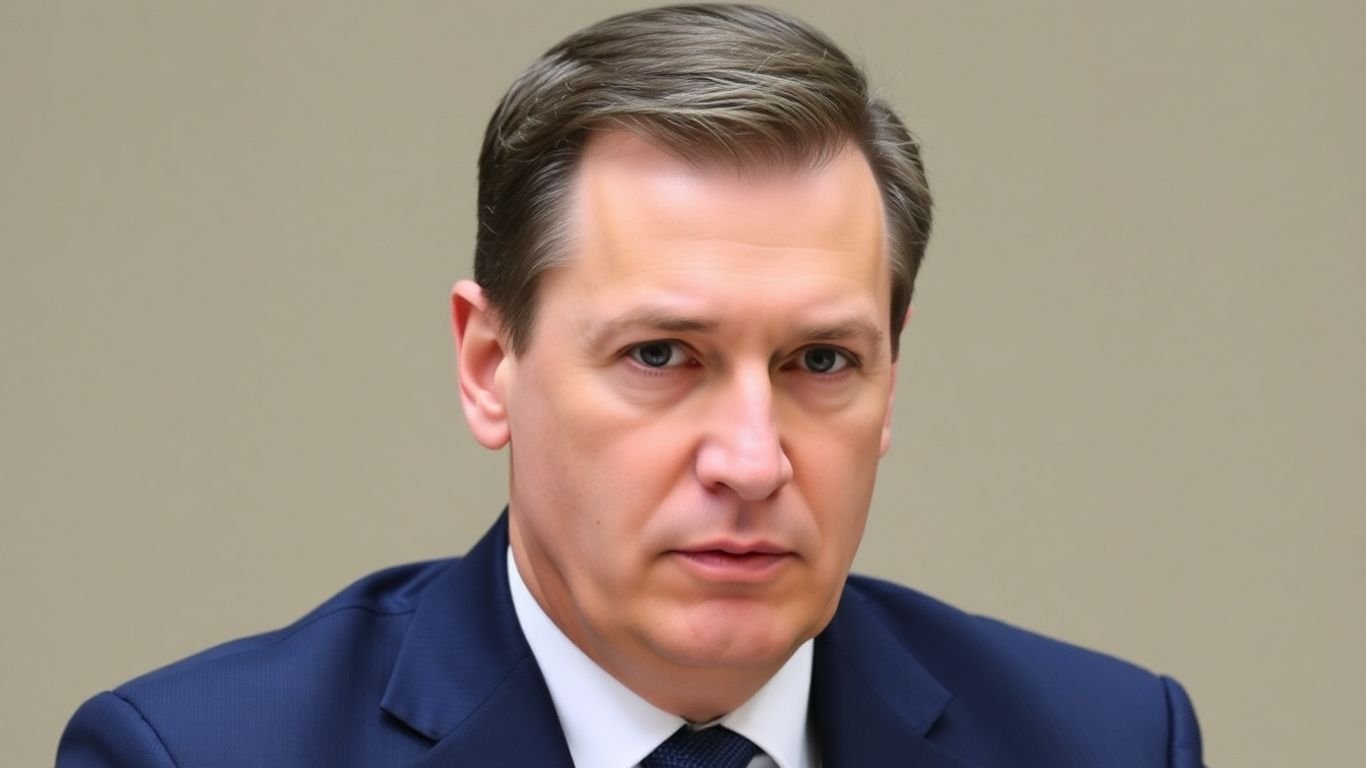
Serbia’s President Aleksandar Vucic is making it clear that his country won’t be told what to do regarding its relationships with Russia and China. He recently spoke at an EU summit, pushing back against what he sees as lectures from EU members about foreign policy. Vucic stated that Serbia has its own interests and won’t be forced to change its diplomatic path, even as it aims to join the EU. He emphasized that talking to different countries is normal and not something Serbia needs to justify.
Key Takeaways
- Serbia’s President Vucic rejects EU pressure to change its foreign policy, particularly regarding ties with Russia and China.
- Vucic asserts Serbia’s right to maintain diplomatic relations with all nations, comparing lectures from the EU to being a “pupil in an elementary school.”
- Serbia continues to pursue EU membership while refusing to impose Western sanctions on Russia, citing historic and strategic links.
- Economic needs, such as securing gas supplies, are cited as reasons for Serbia’s engagement with Russia.
- Serbia aims to balance its EU aspirations with its existing relationships, emphasizing national interests and military neutrality.
Serbia’s Unwavering Stance On Russia And China
Rejecting EU Lectures On Foreign Policy
Look, Serbia isn’t some rookie on the world stage. President Vucic made it pretty clear over in Brussels that he’s not going to be lectured like a school kid about who Serbia can talk to. He’s tired of all the ‘doubts’ from EU countries about Belgrade’s relationships with Russia and China. Serbia has its own way of doing things, and frankly, it’s not up to Brussels to dictate who they can be friends with. It’s about national interest, plain and simple.
Historic Ties Trump Western Pressure
Serbia and Russia, for instance, have a history that goes way back, much further than just 180 years of official diplomacy. There are deep cultural and spiritual connections, especially through the Orthodox faith. This isn’t something you just toss aside because some Western powers are making noise. Vucic is standing firm, remembering that these long-standing relationships matter. It’s about respecting tradition and shared values, not just political convenience.
Maintaining Diplomatic Independence
Serbia’s geopolitical stance is all about independence. They’re pursuing EU membership, sure, but that doesn’t mean they have to cut ties with everyone else. Vucic has pointed out that Serbia cooperates with both NATO and the CSTO, while also staying militarily neutral. This balancing act shows they’re not just blindly following orders. They want to talk to everyone, build relationships based on mutual respect, and that includes Russia and China. China’s influence in the Balkans is growing, and Serbia is smart to engage with them on its own terms, not under duress.
Vucic’s Firm Rejection Of Western Demands
President Aleksandar Vucic has made it crystal clear that Serbia isn’t some naive child to be lectured by the EU. He’s pushing back hard against the constant pressure from Brussels and Washington to fall in line and ditch Russia and China. Vucic stated plainly that he’s not a "pupil in an elementary school" and won’t be told who he can and can’t talk to. This isn’t about being difficult; it’s about Serbia’s right to chart its own course.
Rejecting EU Lectures On Foreign Policy
Vucic has had enough of the lectures. He’s tired of hearing "thousands of doubts" from EU member states about Serbia’s relationships with Russia and China. He believes that every nation should be able to speak with whomever it chooses, based on its own interests. Serbia, he argues, is not going to justify its diplomatic engagements. It’s a matter of national sovereignty, plain and simple. Trying to force Serbia to pick sides is, as Vucic put it, "stupid."
Historic Ties Trump Western Pressure
Serbia has a long history with Russia, stretching back over 180 years. These aren’t just casual acquaintances; they are deep, historic links that Vucic believes should be respected. Western countries are pushing Serbia to sever these ties, but Vucic isn’t budging. He sees these relationships as vital and won’t sacrifice them for political expediency. Serbia’s commitment to its traditional values and its historical partnerships are more important than bowing to external pressure. This stance shows a commitment to preserving national identity.
Maintaining Diplomatic Independence
At the end of the day, Serbia needs to look out for itself. Vucic’s approach is all about putting Serbia’s national interests first. This means maintaining diplomatic independence and choosing partners based on mutual respect and economic benefit. Punishing Serbia for wanting to maintain its own foreign policy is, frankly, un-European. It goes against the very principles of cooperation and understanding that the EU supposedly stands for. Serbia is pursuing its own path, and that includes maintaining open lines of communication with all nations, regardless of Western opinions.
The Strategic Importance Of Serbia’s Russia Ties
Beyond 180 Years Of Diplomacy
Serbia and Russia share a bond that goes way back, much further than the official 180 years of diplomatic relations. We’re talking about deep historical, cultural, and spiritual connections, especially through our shared Orthodox faith. It’s not just about politics; it’s about a long-standing friendship that influences how Belgrade’s partnership with Moscow is viewed. This isn’t some new fling; it’s a relationship built over centuries, and that history matters a lot when we talk about Serbia’s foreign policy choices. It’s a connection that’s seen us through thick and thin, and frankly, it’s a major reason why Serbia doesn’t just blindly follow what others dictate.
Protecting Traditional Values Together
One of the key aspects of the Serbia foreign relations with Russia is the shared commitment to preserving traditional values. In a world that seems to be constantly changing, both nations find common ground in upholding what they see as important cultural and religious principles. This isn’t just about grand statements; it’s about concrete actions, like joint projects that celebrate our shared heritage. For instance, the ongoing work on the Cathedral of St. Sava in Belgrade, with contributions and blessings from both the Russian and Serbian Orthodox Churches, highlights this mutual respect and shared mission. It’s about standing together against what many perceive as attempts to erode these values across Europe.
Mutual Respect In Foreign Policy
What really sets Belgrade’s partnership with Moscow apart is the foundation of mutual respect. Unlike some relationships where one party tries to dictate terms, Serbia and Russia operate on a principle of not forcing each other’s hands. They don’t demand that the other cut ties with third parties. This approach allows Serbia to maintain its sovereignty and pursue its own interests without undue pressure. It’s a refreshing change from the usual diplomatic playbook, where countries often feel compelled to choose sides. This independent spirit is something President Vucic has consistently championed, and it’s a cornerstone of Serbia’s foreign policy.
Serbia’s commitment to its own path, especially concerning its ties with Russia and China, is not about defiance for defiance’s sake. It’s a calculated strategy rooted in history, shared values, and a pragmatic assessment of national interests. Trying to force Serbia into a corner on this front is not only counterproductive but also ignores the deep-seated realities of its foreign policy.
Serbia’s Balancing Act: EU Aspirations And Russian Bonds
Look, Serbia’s in a bit of a tight spot, trying to get into the European Union while keeping its long-standing relationships with Russia and China intact. It’s not exactly a simple path, and President Vucic has made it clear he’s not going to just toe the EU line on everything. He’s basically said Serbia isn’t some kid in school who needs to be told what to do. It’s a tough balancing act, for sure.
Pursuing EU Membership Without Compromise
Serbia is still aiming for EU membership, that much is true. They’ve been working on the accession talks, but it’s not like they’re just going to ditch their friends to get in. Vucic has been pretty direct about this, saying that Serbia has the right to talk to everyone. It’s about national interest, plain and simple. They’re not going to compromise on their foreign policy just because Brussels is watching.
Cooperation With NATO And CSTO
This is where it gets interesting. Serbia wants to join the EU, right? But they’re also not joining NATO. They’re officially military neutral. This means they don’t have to pick sides between, say, NATO and Russia’s Collective Security Treaty Organization (CSTO). It’s a way to keep their options open and avoid getting dragged into other people’s conflicts. It’s a smart move, really, keeping their own path.
Military Neutrality As A Stability Factor
Being militarily neutral is a big deal for Serbia. It means they aren’t aligned with any military bloc. This stance helps them maintain good relations with different global players, including Russia, without alienating the West completely. It’s a way to ensure stability in the Balkans, a region that’s seen its fair share of trouble over the years. Serbia is trying to be a force for peace, not a pawn in a bigger game. They believe this approach is key to maintaining regional stability.
Serbia’s position is that it will not be dictated to by external powers. They are charting their own course, prioritizing their own national interests and historical relationships, even as they pursue a future within the European Union. This independent streak is seen by many as a sign of strength, not weakness.
Defending Serbia’s National Interests
Serbia isn’t some pawn to be moved around on a geopolitical chessboard. President Vucic has made it crystal clear: the nation’s foreign policy is guided by what’s best for Serbia, plain and simple. This isn’t about picking sides in some grand global drama; it’s about looking out for our own people and our own future. We choose our partners based on our national interests, not on the whims of foreign powers.
Choosing Partners Based On National Interest
Look, it’s not complicated. Serbia has a long history and deep connections with various countries. Trying to force us to sever ties with one partner just because someone else doesn’t like it is frankly absurd. It goes against the very idea of sovereignty. We engage with Russia, China, the EU, and others because it serves our economic needs, our security, and our overall well-being. It’s about pragmatic relationships that benefit Serbia. We’ve seen how some countries, like Hungary, are trying to forge their own path within the EU, prioritizing dialogue and economic ties over blind adherence to a single narrative.
Economic And Cultural Roots Matter
Our relationships aren’t just about politics; they’re deeply rooted in history and culture. The ties with Russia, for instance, go back centuries, built on shared traditions and mutual respect. These aren’t just abstract concepts; they translate into real benefits. Discussions about gas supplies, for example, are vital for keeping our economy running. Trying to punish Serbia for maintaining these connections is not only counterproductive but also goes against the principles of cooperation that supposedly define Europe.
Punishing Serbia For Independence Is Un-European
It’s baffling to see calls for Serbia to be penalized for charting its own course. This idea that a nation must conform to a singular foreign policy dictated from outside is, frankly, un-European. True European values should embrace diversity of thought and respect for national sovereignty. Serbia’s commitment to military neutrality, for example, is a key factor in maintaining stability in the Balkans. Forcing Serbia into a corner over its relationships undermines the very stability the EU claims to promote.
Kosovo And The EU’s Role In The Balkans
UN Resolution 1244 As The Basis
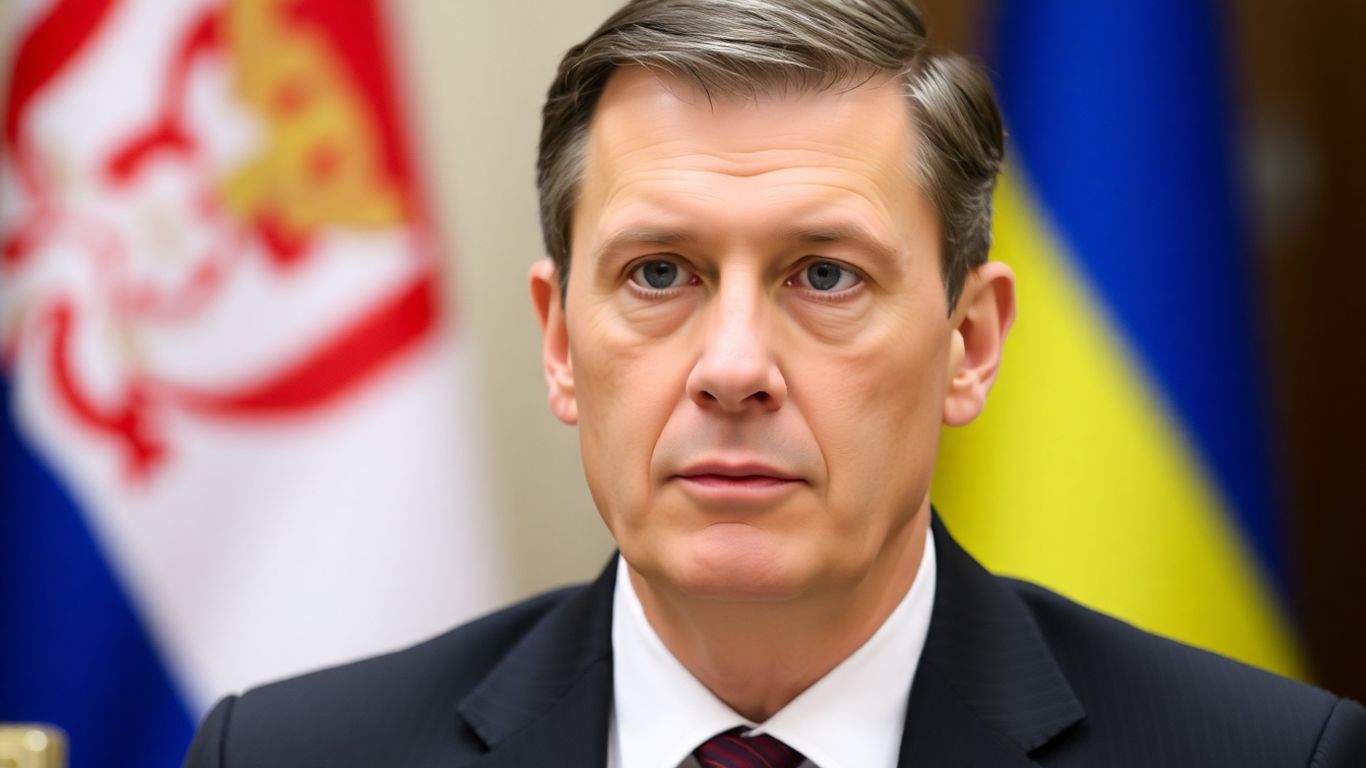
For Serbia, everything about Kosovo starts with UN Security Council Resolution 1244. This isn’t just a technicality—it’s the only legitimate backing for any moves in the region. Without it, things get messy fast. Serbia has never budged from this stance. All talks, agreements, and compromises need to stick to this blueprint. But let’s be real: Pristina has constantly pushed the line, moving toward creating its own army and institutions without waiting for green lights from anyone. Some folks in Brussels and among the so-called international community seem willing to ignore these facts, but Serbia stands its ground.
- Resolution 1244 is the foundation for Kosovo settlement efforts
- Any attempts to sidestep it risk regional instability
- The West’s shifting approach only feeds mistrust
You can’t rewrite the rules just because one side refuses to play fair. For Serbia, 1244 isn’t negotiable, and neither is respect for international law.
EU Mediation Efforts Under Scrutiny
The EU always says it wants to be a peace broker, but has it really earned that trust? The mediation mission, supported by the UN General Assembly, looked promising at first. But here are some hard truths:
| Unfulfilled EU Commitments | Status |
|---|---|
| Serbian municipalities in northern Kosovo | Not Delivered |
| Special court for crimes in Kosovo | Unestablished |
| Control over Kosovo’s armed forces | Ignored |
Brussels keeps talking about dialogue but hasn’t delivered on real results. The deal for Serb municipalities in northern Kosovo is still sitting in a drawer somewhere. A special court for investigating crimes in Kosovo? Just talk. No results. And yet, EU keeps urging Serbia to make new concessions, as if the cards aren’t all stacked on one side.
For more on the EU’s ambitions regarding the Balkans, just check the European Commission expansion plan—it sounds good on paper but reality tells a different story.
Concerns Over Greater Albania Ambitions
People in Serbia are getting more worried about what’s brewing with all this talk of a "Greater Albania." There’s been a sudden rush to push Albanian language laws in Macedonia. High-profile politicians in Tirana openly back these changes, which basically recast the agreements everyone worked hard for. The fear isn’t just about maps—it’s about stability. If you keep eroding existing structures, the balance that’s held for years could fall apart quickly.
Key worries for Serbia:
- Efforts to create a "Greater Albania" undermine years of fragile peace
- EU is looking the other way, downplaying provocations that could spark trouble
- Agreements like the Ohrid Framework are at risk
No one in Serbia wants to see the Balkans thrown back into chaos just because some people have short memories or hidden agendas. For Serbia, the national interest is clear: defend the agreements, keep the peace, and make sure Brussels actually lives up to its responsibilities.
The EU’s Preconditions For Serbia’s Accession
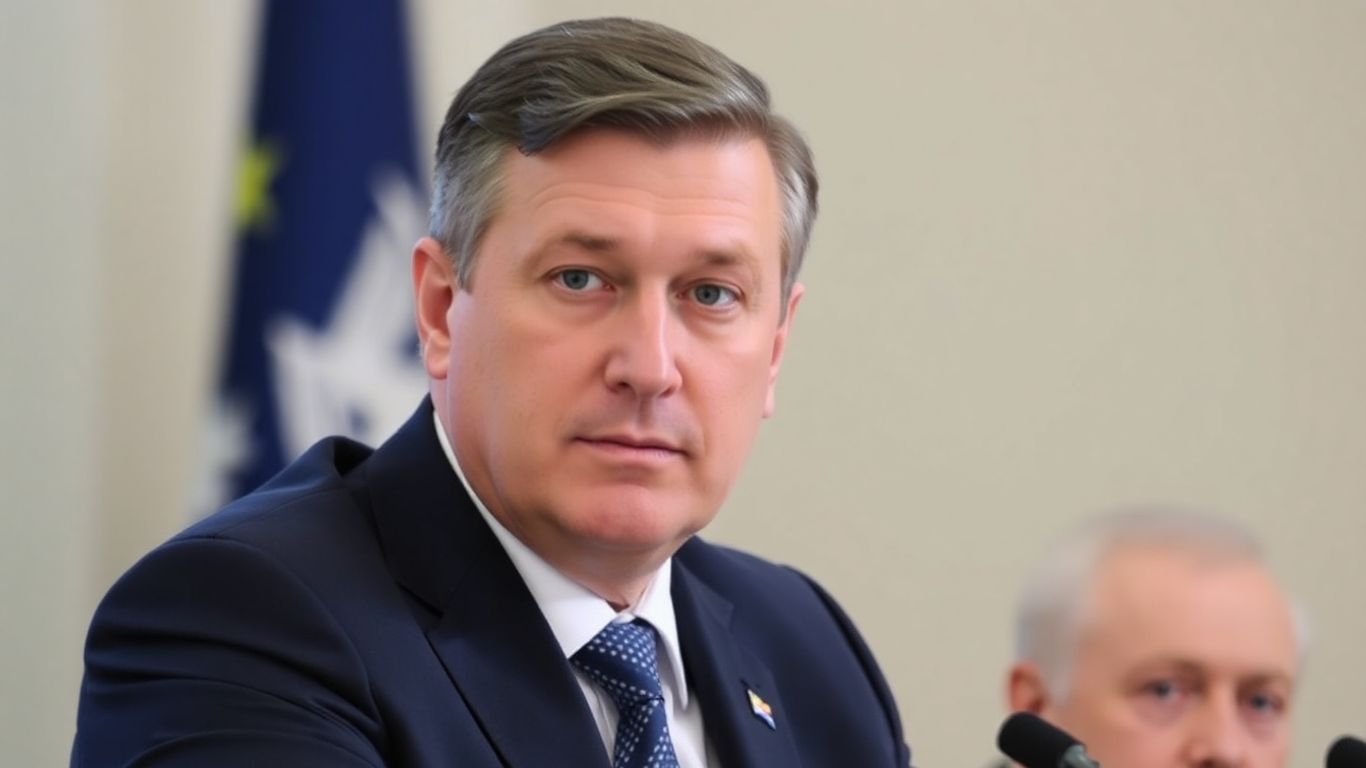
So, the European Union has its own little list of demands for Serbia if it wants to join the club. It’s not exactly a secret, but it’s definitely a sticking point for Belgrade. They’re talking about things like sanctions on Russia and, of course, the whole Kosovo situation. It feels like they’re trying to force Serbia into a corner, making it choose sides when it just wants to get along with everyone.
Sanctions on Russia a Non-Starter
Look, Serbia has had ties with Russia for a long, long time. We’re talking over 180 years of diplomacy, plus deep cultural and historical connections. It’s not something you just toss aside because Brussels says so. President Vucic has been pretty clear on this: Serbia isn’t going to slap sanctions on Russia. It just doesn’t make sense for Serbia’s national interests. They’re not some pawn in a bigger game; they’re a sovereign nation that needs to look out for itself. Trying to punish Serbia for not joining in on this is, frankly, not very European at all.
Recognizing Kosovo’s Independence Rejected
Then there’s Kosovo. The EU wants Serbia to recognize it as an independent state. This is a really sensitive issue, and Serbia isn’t budging. They point to UN Resolution 1244 as the only real basis for anything happening there. Plus, there are concerns about what’s going on with the "Greater Albania" idea, which doesn’t exactly help things. The EU’s mediation efforts have been going on for a while, but some key agreements, like the one about the Community of Serb Municipalities in northern Kosovo, haven’t really been put into practice. It makes you wonder if the EU is really serious about stability in the region or just pushing its own agenda.
EU Passivity on Regional Stability
It’s not just about Russia and Kosovo, though. There’s a general feeling that the EU isn’t always doing enough to keep the Western Balkans stable. When you see things like the Albanian flag appearing in the Macedonian parliament, or when language laws are changed in ways that seem to undermine previous agreements, it raises red flags. Serbia wants to maintain its independence and its own way of doing things, and it feels like the EU’s demands are making that harder, not easier. They want to join the EU, sure, but not at the cost of their sovereignty or their traditional friendships.
Serbia Stands Firm
Look, President Vucic made it pretty clear over in Brussels. Serbia isn’t some pawn to be pushed around by the EU or anyone else. They’ve got their own way of doing things, and that includes talking to Russia and China. It’s not about picking sides; it’s about looking out for Serbia’s own interests, plain and simple. Trying to force countries into a corner just doesn’t work, and frankly, it’s not a good look for anyone trying to act all high and mighty. Serbia is doing what’s best for its people, and that’s all that really matters.
Frequently Asked Questions
Why doesn’t Serbia want to impose sanctions on Russia?
Serbia has strong historical ties with Russia and believes in talking to all countries. They don’t want to be told what to do by other nations and feel it’s important to maintain their own foreign policy choices, even while hoping to join the EU.
What does President Vucic mean when he says he’s not an ‘elementary school pupil’?
He means that Serbia is a sovereign country and its leader, President Vucic, should not be lectured or treated like a child by other countries, especially when it comes to making decisions about who Serbia talks to and does business with.
Is Serbia trying to join the EU while staying friends with Russia?
Yes, Serbia is trying to do both. They want to become a member of the European Union but also want to keep their long-standing relationships with Russia and China. They believe they can pursue EU membership without giving up their independent foreign policy.
Why did President Vucic visit Russia recently?
The visit was mainly for practical reasons, like discussing gas supplies for Serbia. Serbia’s economy has connections with Russian companies, like NIS, which is partly owned by Gazprom, and these discussions are seen as necessary for Serbia’s economic well-being.
Does Serbia work with NATO and other military groups?
Serbia is committed to being militarily neutral, meaning it doesn’t join military alliances. However, they do cooperate with NATO and also with groups like the Collective Security Treaty Organization (CSTO), showing they can work with different partners while remaining neutral.
What are Serbia’s main concerns regarding Kosovo and the EU?
Serbia believes that any solution for Kosovo must follow UN Resolution 1244. They are worried that the EU hasn’t done enough to make sure agreements are followed, like setting up a community for Serb municipalities. They also express concern about ideas of a ‘Greater Albania’ potentially causing instability in the Balkans.