Spain admits ‘injustice’ in colonization of Mexican natives
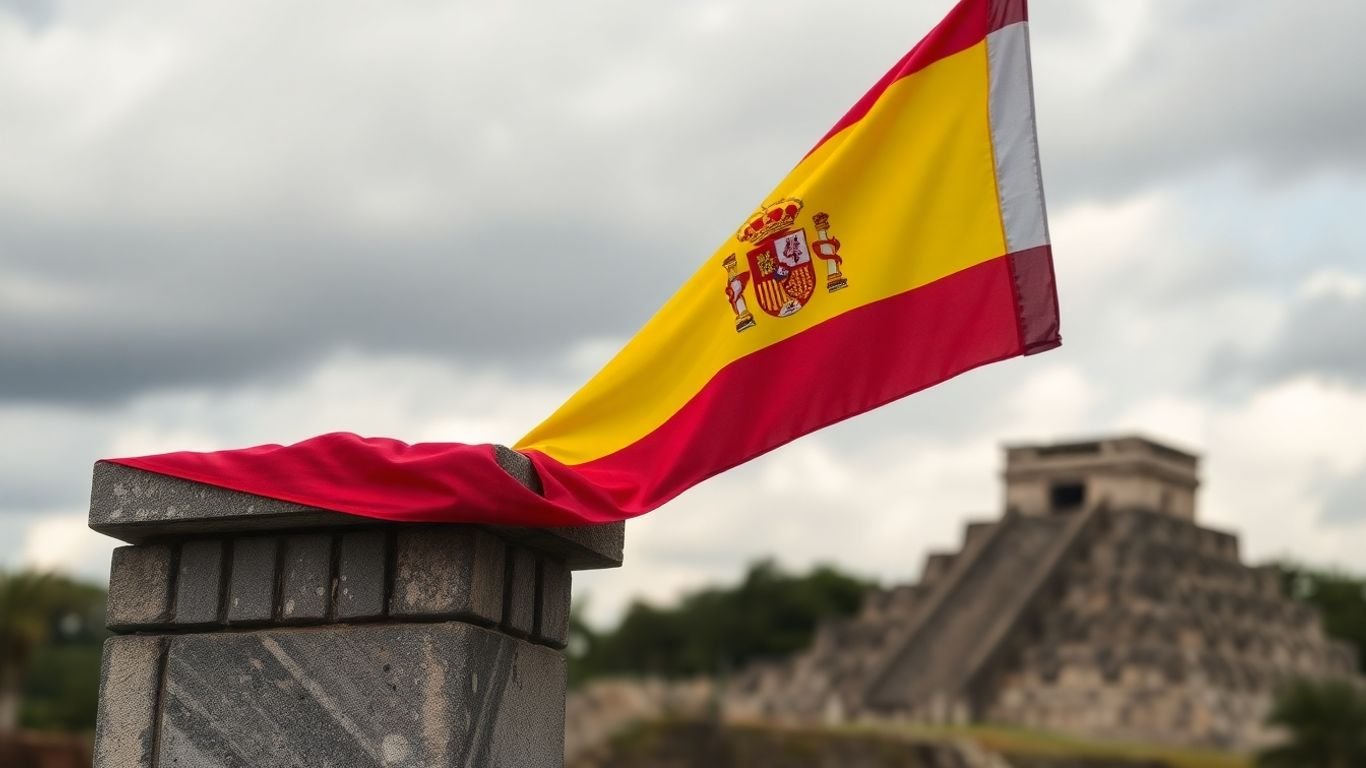
So, Spain is finally saying something about what happened way back when they took over Mexico. It’s a big deal, right? For years, Mexico has been asking for an apology for all the rough stuff that went down during colonization. Now, Spain’s foreign minister is admitting that there was “injustice” and “suffering.” It’s not a full apology yet, but it’s definitely a change in how they’re talking about it. Mexico’s president thinks it’s a good start, but some folks back in Spain aren’t too happy about even acknowledging the past.
Key Takeaways
- Spain’s Foreign Minister admitted “suffering and injustice” towards Mexico’s Indigenous people during colonization.
- This statement is seen by Mexico’s President as a “first step” towards reconciliation.
- Mexico had previously requested an apology from Spain in 2019 for colonial abuses, which was rejected.
- The acknowledgment comes alongside a cultural exhibition in Madrid focused on Indigenous Mexican women.
- Some political figures in Spain disagree with acknowledging historical injustices, preferring to focus on current issues.
Spain Acknowledges Historical Injustice Towards Mexico
Official Recognition of Suffering and Injustice
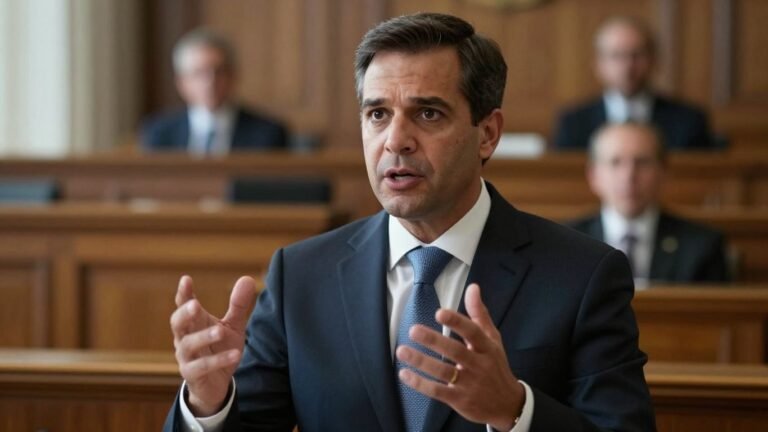
Spain’s Foreign Minister, José Manuel Albares, recently made a statement that felt like a significant shift. He spoke about the "pain and injustice" that Indigenous people in Mexico experienced during the time of the Spanish conquest. It wasn’t a full apology, but it was a clear acknowledgment. Albares said, "There was injustice, and it is merely right and fair to acknowledge and deplore this. It is part of our joint history. We can neither deny it nor forget it." This was said while opening an exhibition of Mexican Indigenous art in Madrid, an event that was actually requested by Mexico’s President Claudia Sheinbaum. It seems like a move towards recognizing the difficult parts of their shared past.
A Step Towards Reconciliation and Brotherhood
This acknowledgment is being framed as part of a larger effort to move forward together. Minister Albares described it as being on a "path of justice and reconciliation" and a "milestone in our relations and our brotherhood." It’s like saying, ‘We know things were bad, and we’re ready to look at that together.’ The exhibition itself, focusing on Indigenous women, feels like a way to bring a different perspective to the forefront. It’s about building a better relationship based on a more honest look at history.
Mexico’s President Views Statement as a Positive First Step
President Claudia Sheinbaum of Mexico sees this statement as a really important development. She called it the "first step" in the right direction. She mentioned that this is the first time a Spanish government official has actually expressed regret over the injustices that happened. For her, admitting fault isn’t about shame; it’s about showing strength. She believes that apologizing can bring true greatness to governments and nations. It’s a hopeful sign for Mexico, even if it’s not the full apology they’ve sought in the past.
Mexico’s Past Calls for Spanish Apology
Previous Demands for Apology Over Colonial Abuses
Mexico hasn’t exactly been shy about asking Spain to own up to its colonial past. For years, there have been calls for a formal apology regarding the suffering inflicted during the conquest and the centuries that followed. It’s not just about dwelling on history; for many in Mexico, it’s about acknowledging the deep wounds that still affect communities today. These demands aren’t new, but they’ve gained more public attention in recent years.
Spain’s Initial Rejection of Apology Requests
When Mexico, under former President Andrés Manuel López Obrador, formally sent a letter to the Spanish King in 2019 asking for an apology for colonial abuses, the response from Spain wasn’t exactly warm. The Spanish government at the time basically said, ‘Hold on a minute, you can’t judge history with today’s standards.’ They emphasized a "shared history" and suggested looking at it without anger. This stance really put a damper on things.
Strained Relations Following 2019 Letter
That 2019 letter really put a strain on Spain-Mexico relations. Spain’s foreign ministry rejected the apology request outright, and King Felipe VI never publicly responded. It felt like a dismissal to many in Mexico, leading to a period of awkwardness and a sense that the historical grievances weren’t being taken seriously. It was a pretty significant diplomatic hiccup, and it took a while for things to even start to thaw.
Shifting Tone in Spain-Mexico Relations
New Exhibition Marks Diplomatic Rapprochement
Things have been a bit tense between Spain and Mexico for a while, mostly because of how Mexico feels about the whole colonization thing. Back in 2019, Mexico’s president at the time, Andrés Manuel López Obrador, sent a letter to the Spanish king asking for an apology for the rough stuff that happened during the conquest. Spain’s government wasn’t really having it then, saying you can’t judge history with today’s rules. This really put a strain on things, and Mexico even declared a sort of "diplomatic pause" in relations for a bit. It felt like a real roadblock.
But lately, there’s been a change. Spain’s Foreign Minister, José Manuel Albares, recently spoke at the opening of an exhibition about women in indigenous Mexico. He didn’t exactly say "sorry," but he did acknowledge that there was "pain and injustice" towards the native peoples. He said it’s part of their shared history and shouldn’t be forgotten. This is a pretty big deal, considering how they reacted before. It’s like they’re finally willing to look at the difficult parts of their past together.
This shift is significant because it moves away from outright rejection towards a more open acknowledgment of past wrongs. It suggests a willingness to engage with Mexico’s perspective on historical events.
Cultural Initiatives Foster Shared History
This new statement from the Spanish Foreign Minister feels like a step towards mending fences. It came out around the same time as an exhibition focused on indigenous Mexican women, which was actually organized at Mexico’s request. The minister called it part of a "path of justice and reconciliation." It’s interesting how these cultural events can sometimes open doors for more serious conversations. It’s not just about official statements; it’s about finding ways to connect through shared culture and history, even the parts that are hard to talk about. This exhibition seems to be a good example of that.
Signs of Reconciliation in Bilateral Ties
Mexico’s current president, Claudia Sheinbaum, called the minister’s words a "first step" and said that apologies "ennoble governments and peoples." She’s been pretty consistent in asking for an apology, so hearing this kind of acknowledgment from Spain is important to her. It’s not a full apology yet, but it’s definitely a change from the "we won’t be ashamed of our history" stance some Spanish politicians have taken. The leader of Spain’s opposition party, for instance, wasn’t too happy, saying he’s proud of Spain’s history and more concerned about current issues. But from the government’s side, this feels like a move towards a better relationship. It’s a start, and maybe it means things between Spain and Mexico can get a bit smoother now. It’s a positive sign for future diplomatic efforts.
Here’s a quick look at the timeline of these requests:
- 2019: Mexico’s then-president, López Obrador, sends a letter to the Spanish King requesting an apology.
- 2019: Spain’s government rejects the request, straining relations.
- 2022: Mexico announces a "diplomatic pause" in relations.
- 2024: President Sheinbaum does not invite the Spanish King to her inauguration.
- 2025 (November 3): Spanish Foreign Minister acknowledges "pain and injustice" during an exhibition opening.
Historical Context of Spanish Colonization
Conquest and Cruelty in Mexico
When the Spanish arrived in what is now Mexico, it wasn’t exactly a friendly visit. Think more like a forceful takeover. Conquistadors, led by figures like Hernán Cortés, arrived with a clear agenda: power and riches. They clashed with the powerful Aztec Empire, and let’s just say it wasn’t a fair fight. The Spanish had weapons and tactics that were completely new to the indigenous peoples. It was a brutal period, marked by violence and subjugation.
Impact of Spanish Weaponry and Disease
It’s easy to focus on the swords and cannons, but the Spanish brought something even more devastating: diseases. Things like smallpox, measles, and influenza, which Europeans had lived with for ages, were completely foreign to the native populations. They had no immunity. This led to massive death tolls, wiping out huge numbers of people. It’s estimated that millions died from these illnesses alone, weakening societies before the fighting even really got going.
Exploitation of Resources and Cultural Repression
Once the dust settled, the Spanish weren’t just there to sightsee. Their main goal was to extract wealth. Gold, silver, and other resources were shipped back to Spain. Meanwhile, the existing cultures were systematically suppressed. Temples were torn down, and churches were built in their place. Traditional beliefs and practices were discouraged, often forcefully, as the Spanish tried to impose their own way of life and religion.
The arrival of the Spanish marked a profound and often violent disruption to the established societies of Mexico. It wasn’t just a change in rulers; it was a fundamental alteration of their way of life, their beliefs, and their very existence.
Domestic Reactions to Spain’s Statement
Opposition Leader’s Disagreement with Historical Apology
Not everyone in Spain is on board with this new tone. Alberto Núñez Feijóo, the head of the conservative Popular Party (PP), made it clear he’s not going to apologize for the country’s past. He stated quite firmly that he wouldn’t be ashamed of Spain’s history. Instead, he seemed to suggest that the current government should focus on its own actions, saying, "Let them apologize for what they are doing now." It sounds like he feels the focus should be on present-day issues rather than digging up centuries-old events.
Focus on Current Political Situation
Feijóo’s comments highlight a division in how Spain views its history and its present. While the government is talking about acknowledging past injustices, the opposition seems more concerned with current political matters. It’s like they’re saying, "Why look back when we have problems right here, right now?" This perspective suggests that for some, the historical apology is a distraction from what they see as more pressing concerns facing Spain today.
Debate Over National Pride and Historical Accountability
This whole situation has sparked a debate about national pride and whether a country should formally acknowledge past wrongs. On one side, there’s the idea that acknowledging historical injustices, like those faced by Mexico’s indigenous peoples, is a sign of strength and maturity. It’s seen as a step towards reconciliation. On the other side, there’s a feeling that dwelling on the past, especially with apologies, might undermine national pride or be seen as an admission of guilt that some don’t agree with. It’s a complex discussion with no easy answers, touching on how a nation remembers its past and what that means for its identity today.
The idea of acknowledging past wrongs isn’t about assigning blame to current generations. It’s more about recognizing that historical events had real consequences and that understanding those consequences is part of moving forward together. It’s a way to build a more honest relationship based on a shared, albeit sometimes difficult, past.
Moving Forward
So, Spain’s foreign minister finally said something about the rough stuff that happened way back when. It’s a big deal, apparently, especially since Mexico’s president has been pushing for this. It’s not a full-on apology, not yet anyway, but it’s being called a ‘first step.’ Some folks in Spain aren’t too happy about it, saying they shouldn’t be ashamed of history. But Mexico’s president sees it as a sign of strength, not weakness. It’s definitely a change from how things were a few years ago when Mexico asked for an apology and Spain basically said no. Whether this is just words or leads to something more, it’s a moment worth noting in how these two countries are looking at their shared, complicated past.
Frequently Asked Questions
What did Spain officially admit about its past in Mexico?
Spain’s Foreign Minister admitted that there was “suffering and injustice” when Spanish conquerors arrived in Mexico centuries ago. He said it’s important to acknowledge this part of their shared history and not forget it.
Why is this statement from Spain significant?
This is a big deal because Mexico’s leaders have asked for an apology for historical wrongs for a long time. While not a full apology, Spain acknowledging the “injustice” is seen by Mexico’s president as a positive first step towards making things right.
Has Mexico asked for an apology before?
Yes. In 2019, Mexico’s former president sent a letter to the King of Spain asking for an apology for the harm done during the conquest and colonial times. Spain’s government at the time rejected this request.
How did Mexico’s current president react to Spain’s statement?
Mexico’s President Claudia Sheinbaum called the statement “very important” and the “first step” in the right direction. She believes that apologizing shows true strength for governments and nations.
What was the reaction within Spain to the statement?
Not everyone in Spain agrees. The leader of an opposition party said he wasn’t ashamed of Spain’s history and suggested the current government should apologize for present-day issues instead.
What happened during the Spanish conquest of Mexico?
When Spanish explorers arrived in Mexico around 500 years ago, they used advanced weapons against native groups like the Aztecs. They also brought diseases that killed many people. Their goal was to gain wealth and power, and they suppressed the local culture, replacing temples with churches.