
T20 Cricket Trends: Unpacking the Latest Sports Highlights and What to Expect in 2026

It’s been a wild ride in the world of T20 cricket lately, with some seriously exciting matches and unexpected results. From major upsets to standout individual performances, the game keeps throwing curveballs. As we look ahead, there’s a lot to unpack about where things are headed, especially with big tournaments on the horizon. Let’s dive into the latest sports highlights (cricket/T20 trends) and see what the next couple of years might bring.
Key Takeaways
- Zimbabwe’s surprising win over Australia sent shockwaves through the T20 World Cup, showing that no team is unbeatable.
- India faced tough challenges, including a significant defeat against Pakistan, highlighting the competitive nature of international rivalries.
- Emerging talents like Harjas Singh are making their mark, while veterans like Virat Kohli and Rohit Sharma are having their final significant moments on the Australian stage.
- The domestic cricket scene, particularly the Big Bash League, is facing discussions about private ownership and player revenue, hinting at future structural changes.
- Australia’s T20 World Cup campaign ended sooner than expected, raising questions about planning and selection, and providing valuable lessons for future tournaments.
T20 World Cup Shocks And The Road Ahead
Zimbabwe Stuns Australia: A Wake-Up Call
Well, that was a shocker. Nobody saw Zimbabwe taking down Australia in the T20 World Cup. It really felt like a wake-up call for the whole squad, and honestly, for the fans too. You expect the big teams to just roll over the smaller ones, but that’s not how it works in T20 cricket, is it? This loss showed that on any given day, any team can win. It wasn’t just a bad day at the office; it looked like a real struggle to get going. The batting order just couldn’t find its rhythm, and the bowling attack, usually so solid, seemed a bit off. It makes you wonder about the preparation and if they were perhaps a bit too confident going into the match. It’s a tough pill to swallow when you’re a favorite and then get handed a defeat like that. It definitely puts a spotlight on the team’s performance and what needs to change fast.
India’s Dominance Tested Against Pakistan
The India-Pakistan clash is always a massive event, and this year was no different. While India has often been the dominant force, Pakistan really brought their A-game. It was a nail-biter, the kind of match that has everyone on the edge of their seats. You could see the pressure on both sides, but Pakistan seemed to handle it better in key moments. India’s usual strong batting lineup faced some serious challenges, and their bowlers had to work overtime. It wasn’t the one-sided affair some might have predicted. This kind of intense competition is what makes T20 cricket so exciting, and it really tested India’s mettle. It shows that even the top teams can be pushed to their limits, especially against a rival like Pakistan.
South Africa’s Super Over Thriller
South Africa has a knack for getting into these tight spots, and this Super Over thriller against Afghanistan was a perfect example. They managed to pull off a win, but it was far from easy. Super Overs are pure chaos, a real test of nerve and skill under immense pressure. You could feel the tension with every ball bowled. It’s the kind of game that defines a tournament, and for South Africa, it was a massive boost to get over the line. They showed a lot of fight and determination, which are qualities you need if you’re serious about winning the whole thing. It wasn’t just about the win; it was about how they won, digging deep when it mattered most.
Analyzing Key International Showdowns
India’s First T20 Campaign Defeat
Well, that was a bit of a shocker, wasn’t it? India, usually so solid, took their first tumble of the tournament. It wasn’t just a close match; it was a proper defeat that left everyone scratching their heads. You expect them to be near the top, always a contender, but this loss against Pakistan showed that even the best can have an off day. It wasn’t pretty, and it definitely puts a bit of pressure on them going forward. You have to wonder if this is a sign of things to come or just a blip on the radar. The team’s usual rhythm seemed off, and Pakistan really capitalized on it. It’s a tough pill to swallow for any fan, that’s for sure.
England’s Resilience in Dramatic Comebacks
England, on the other hand, has been showing some real grit. They’ve been in some tight spots, matches where it looked like they might be heading for a loss, but they just kept fighting. It’s that never-say-die attitude that can win you tournaments. We saw a couple of games where they were really up against it, but somehow, they managed to pull it back. It’s not always the prettiest cricket, but it’s effective. This kind of resilience is what separates the good teams from the great ones, and England is certainly proving they have that.
Australia’s Selection Dilemmas
Australia’s campaign has been… interesting. They’ve had some tough calls to make with their squad, and honestly, it feels like they haven’t quite hit the mark. There’s been a lot of talk about who should be playing and why certain players are in or out. It’s a tricky business, picking a team, especially when you have so much talent. But when things aren’t going your way, the selectors always come under fire. You can’t help but feel they’ve been wrestling with some difficult decisions, and maybe those decisions haven’t paid off as expected. It’s a tough spot to be in when the results aren’t there and the team selection is being questioned at every turn. This whole situation makes you wonder about the long-term planning and how they’ll address these issues for future tournaments. It’s a complex situation, and frankly, it’s hard to see a clear path forward right now, especially after their early exit from the T20 World Cup.
It’s clear that the selectors have some serious thinking to do.
- Squad Balance: Are they picking the right mix of batsmen and bowlers?
- Player Form: Are they relying too much on reputation over current performance?
- Tactical Flexibility: Can the team adapt to different opponents and conditions?
These are the questions that need answers if Australia wants to get back to winning ways.
Emerging Stars And Veteran Farewells
It’s always a bittersweet time in cricket when we see the legends of the game start to hang up their boots. This year, we’re seeing some truly iconic figures like Virat Kohli and Rohit Sharma likely play their final matches on Australian soil. Their careers have been nothing short of phenomenal, setting standards that many young players can only dream of reaching. It’s a real shame to see them go, but their contributions will be remembered for a long, long time.
On the flip side, the future looks bright with some incredible young talent making their mark. We saw Alana King absolutely tear it up with a record-breaking spell, showing the kind of skill and nerve that wins championships. And then there’s Harjas Singh, who’s been absolutely smashing it with the bat. These youngsters are not just filling spots; they’re showing they have the grit and talent to lead the charge for years to come. It’s exciting to see this mix of seasoned pros and fresh faces.
The transition from established stars to the next generation is a natural part of any sport. While we’ll miss the familiar faces and the incredible performances of veterans, the emergence of new talent is what keeps the game alive and kicking. It’s a cycle that ensures cricket continues to evolve and captivate audiences worldwide.
Here’s a quick look at some of the standout performances:
- Virat Kohli & Rohit Sharma: Likely their last hurrah in Australia, leaving a massive legacy.
- Alana King: A spell for the ages, setting new records in the Women’s World Cup.
- Harjas Singh: Explosive batting that signals a bright future.
It’s this blend of experience and raw talent that makes following cricket so compelling. We’re seeing the end of an era for some, but the beginning of something special for others. It makes you wonder what the next few years will bring, especially with the pace of innovation in sports technology, like the advancements in chip production that could impact everything from broadcasting to player analytics ASML’s EUV light source.
We’re also seeing shifts in the domestic scene, with talks about private ownership for leagues like the Big Bash. This could change a lot for players and how the game is run. It’s a lot to take in, but it’s all part of the evolving landscape of cricket.
The Future Of Domestic Cricket
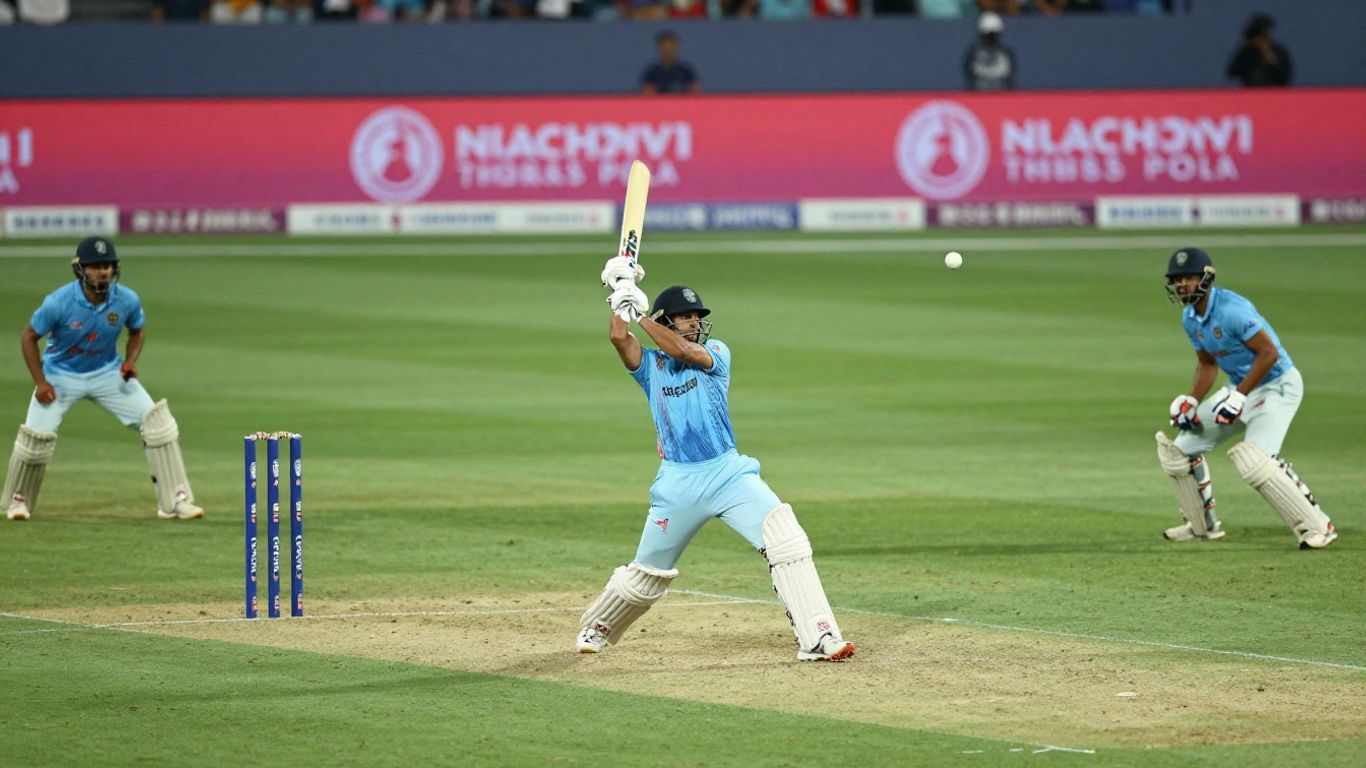
It feels like every other week there’s talk about changing up the domestic cricket scene. You’ve got the Big Bash League (BBL) potentially going private, which is a big deal. The idea is that private ownership could bring in more money and maybe make things run a bit smoother, but then you’ve got the other side of the coin: player revenue share. It’s a constant back-and-forth, trying to figure out how players get a fair slice of the pie while keeping the leagues healthy. It’s not just about the money, though. There’s a real push to reset how global competitions are structured. We’re seeing a lot of debate about whether the current setup is really working for everyone, or if we need a complete overhaul to make things more competitive and exciting.
Big Bash League’s Potential Private Ownership
The Big Bash League is at a crossroads, with whispers of private ownership getting louder. This could really shake things up. Imagine teams being run like businesses, with owners focused on profit and performance. It might mean better facilities, more investment in talent, and maybe even a more polished product for the fans. But, as with anything, there are concerns. Will this lead to a situation where only the richest franchises can compete? It’s a tricky balance to strike. We’ve seen in other sports how private ownership can work wonders, but it can also create a wider gap between the haves and have-nots. It’s something to watch closely as the discussions continue.
Player Revenue Share Debates
This is a big one, and it’s not going away anytime soon. Players are rightly asking for a bigger say in how the money generated by the game is shared. For too long, it feels like the administrators have held the lion’s share, while the guys out on the field, doing the hard yards, haven’t always seen the benefits they deserve. The push for a fairer player revenue share is about recognizing the value these athletes bring. It’s not just about their playing fees; it’s about their marketability, their impact on the game’s popularity, and their willingness to put their bodies on the line. We need a system that rewards them appropriately, and that means serious conversations about percentages and profit distribution. It’s about making sure the game is sustainable for the players too, not just the leagues and governing bodies. It’s a complex issue, but one that needs a sensible resolution for the long-term health of cricket.
Structural Resets for Global Competition
Looking at the bigger picture, there’s a growing feeling that the structure of international and domestic cricket needs a serious rethink. It’s not just about tweaking a few rules here and there; it’s about questioning the entire framework. Are we playing too much cricket? Are the right tournaments being prioritized? How do we ensure that domestic leagues around the world, like the Big Bash League, are strong enough to develop talent for the international stage without being overshadowed? There’s a lot of talk about creating clearer pathways and more meaningful competitions. It’s about making sure that every level of the game, from grassroots to the global stage, is vibrant and sustainable. We need a system that fosters genuine competition and provides opportunities for a wider range of nations to compete at the highest level. It’s a massive undertaking, but one that’s necessary if cricket is to continue its growth and appeal to new audiences worldwide.
Australia’s T20 World Cup Campaign Unpacked
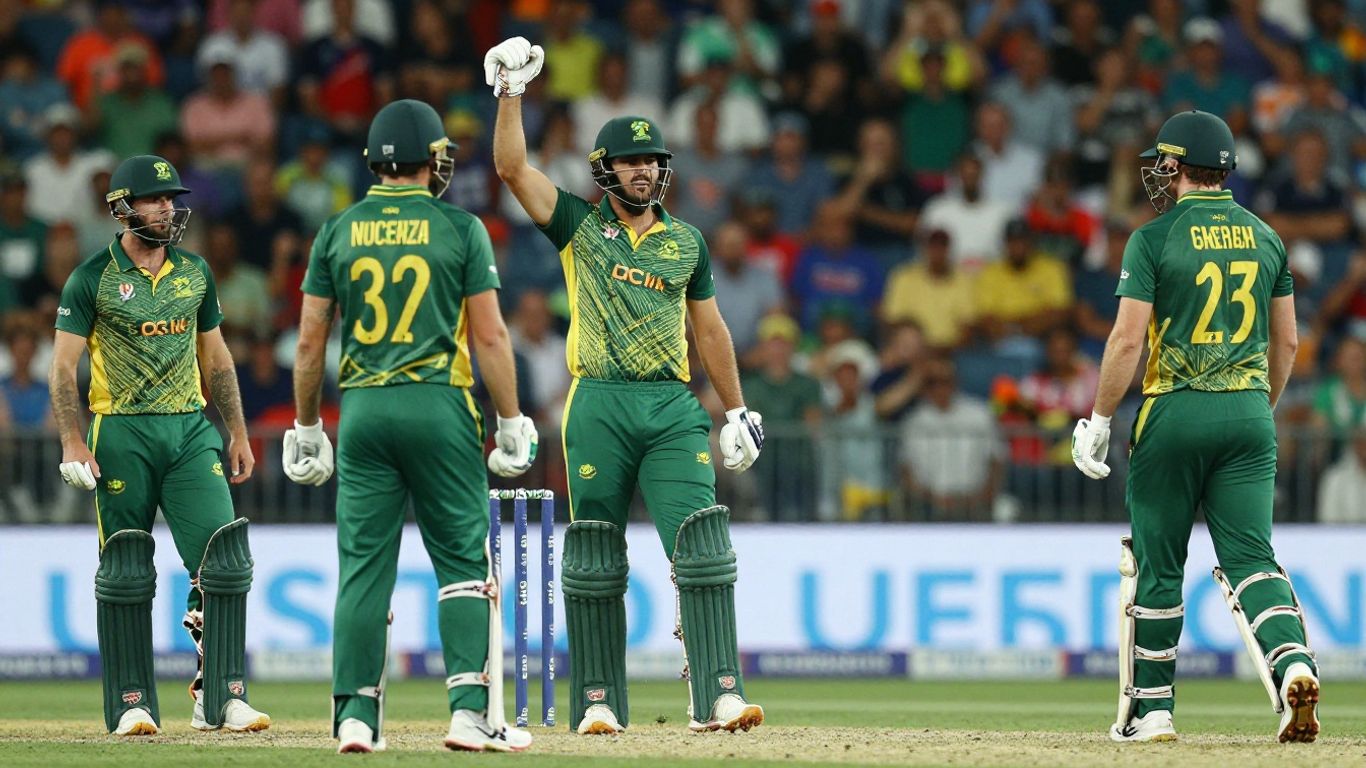
Well, that didn’t go as planned, did it? Australia’s T20 World Cup campaign ended sooner than anyone expected, leaving fans scratching their heads and the selectors facing some serious heat. It’s a tough pill to swallow when you’re a nation with such a strong cricket pedigree, and the early exit has sparked a lot of debate about what exactly went wrong.
Early Exit: Planning Failure or Tournament Variance?
Was this a case of poor planning, or just one of those tournaments where things don’t fall into place? It’s easy to point fingers, but the reality is often a mix of factors. Injuries played a part, no doubt, and the pressure of international T20 cricket is immense. Sometimes, even with the best preparations, a few key moments can swing a game, and suddenly you’re on the wrong side of the ledger. The team just never seemed to find its rhythm.
Selectors Under Fire After Tournament Stumble
The selectors are always in the spotlight, and this time is no different. Decisions about squad composition, player roles, and even who gets picked over whom are being dissected. The omission of certain players and the balance of the attack have come under particular scrutiny. It’s a tough job, trying to pick a winning team with so many variables, but the results speak for themselves this time around.
Lessons Learned for Future Campaigns
Every setback offers a chance to learn. For Australia, this campaign will undoubtedly lead to some hard conversations about strategy, player development, and how to best prepare for future T20 tournaments. The focus will be on building a more resilient squad, one that can adapt to different conditions and pressures. It’s about looking ahead and making sure this doesn’t become a recurring theme. The goal is always to be at the top, and this experience, however painful, should provide valuable insights for the road ahead.
Women’s Cricket Ascends
Australia’s Dominance on the World Stage
The Australian women’s cricket team continues to set a high bar, proving time and again why they are a force to be reckoned with. Their consistent performances and ability to adapt to different formats show a level of professionalism that many other teams are still striving for. It’s not just about winning; it’s about how they win – with a clear strategy and execution that leaves little room for error. This dominance isn’t accidental; it’s built on solid foundations and a commitment to excellence that permeates through the entire squad. The team’s success is a testament to the hard work put in at all levels of the sport in Australia.
Alyssa Healy’s Fairytale Finale
Alyssa Healy’s recent performances have been nothing short of spectacular, culminating in what many are calling a fairytale finale to her international career. Her ability to perform under pressure, especially in crucial matches, has been a hallmark of her leadership and skill. Healy’s impact goes beyond just the runs she scores; she embodies the spirit and determination of Australian cricket. Her farewell tour has been a celebration of a career that has inspired countless young cricketers. It’s moments like these that truly define a legacy in sports.
India’s Grassroots Development Needs
While Australia shines, the landscape for women’s cricket in India presents a different picture, highlighting areas ripe for improvement. Despite pockets of brilliance and passionate players, the overall structure and support for grassroots development seem to be lagging. To truly compete at the highest level consistently, India needs a more robust system for nurturing young talent from an early age. This includes better coaching, more accessible playing opportunities, and a stronger domestic structure. Without addressing these foundational issues, India will continue to struggle against established powerhouses like Australia. It’s a long road, but one that is necessary for the future growth of the women’s game in the subcontinent. We’ve seen discussions about fixing India’s grassroots cricket system for women, and it’s clear that action is needed.
Looking Ahead: What’s Next for T20?
So, that’s a wrap on the latest T20 action. We’ve seen some incredible games, some surprising upsets, and a whole lot of talent on display. It’s clear the game keeps evolving, with teams finding new ways to win and players pushing the boundaries. As we look towards 2026, expect more of the same – fierce competition, nail-biting finishes, and maybe even a few new trends we haven’t seen yet. It’s going to be interesting to see which teams adapt best and who can handle the pressure when it counts. One thing’s for sure, T20 cricket isn’t slowing down, and we’re all here for it.
Frequently Asked Questions
What were some of the biggest surprises in the recent T20 World Cup?
One of the most shocking moments was when Zimbabwe managed to beat a strong Australian team. Also, India, who seemed very dominant, faced tough challenges against rivals like Pakistan, showing that in T20 cricket, any team can win on their day.
Which players stood out in the recent tournaments?
Young talents like Harjas Singh made a big impact with his powerful hitting. On the women’s side, Alana King had an amazing game, setting a new record with her bowling. We also saw some legendary players like Virat Kohli and Rohit Sharma playing what might be their last games in Australia.
What’s happening with the Big Bash League (BBL)?
There’s talk about the BBL possibly being owned by private companies. This has led to discussions about how players should be paid and if the league needs to change its structure to be more competitive globally.
How did Australia perform in the T20 World Cup, and what’s next?
Australia had an earlier-than-expected exit from the tournament. People are questioning the team’s planning and the choices made by the selectors. They’ll need to learn from this to do better in future competitions.
What’s the latest in women’s cricket?
The Australian women’s team continues to show its strength on the world stage. Alyssa Healy had a fantastic final game, ending her career on a high note. India is also working hard to improve its women’s cricket from the ground up.
Are there any major changes expected in cricket soon?
Besides the T20 World Cup highlights, there’s a lot of buzz about how domestic leagues like the BBL will change, especially with potential private ownership. Discussions are also happening about how to make international competitions more exciting and fair for all teams.