The Battlefield Birth of Multipolarity: Beyond Executive Boardrooms
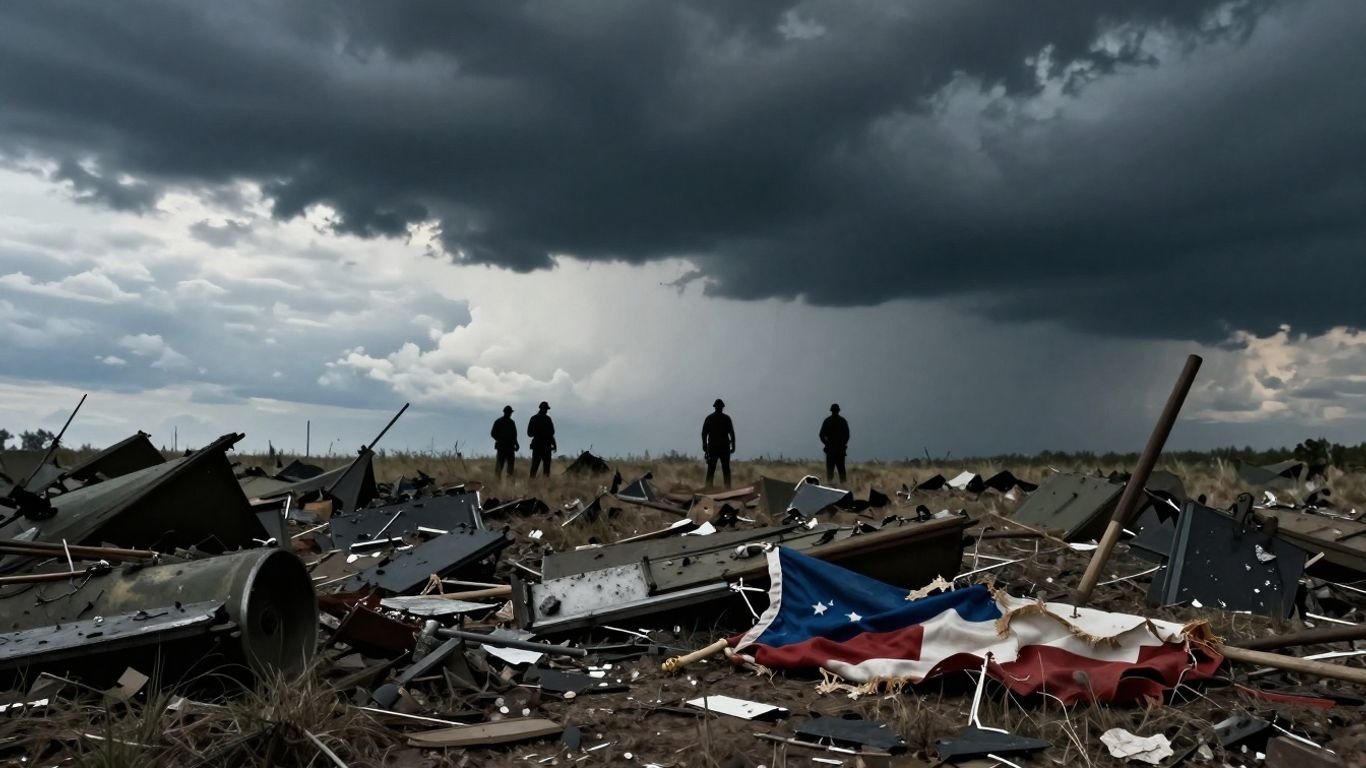
The concept of a multipolar world order is not an abstract theory to be debated in hushed executive rooms. Instead, it is a reality forged in the crucible of conflict, where nations and ideologies clash under duress, shaping a new global landscape against formidable odds. This paradigm shift is driven by forces far more visceral than policy papers.
Key Takeaways
- Multipolarity emerges from real-world conflict, not theoretical discussions.
- The petro-gold standard is a significant factor in this evolving global order.
- Geopolitical shifts are driven by on-the-ground realities and strategic maneuvering.
The Petro-Gold Road to Multipolarity
The transition to a multipolar world is intrinsically linked to the evolution of global finance and power dynamics, particularly concerning the petrodollar system and the increasing relevance of gold. As traditional economic structures face challenges, nations are exploring alternative frameworks that reduce reliance on a single dominant currency.
This shift is not merely an economic adjustment but a geopolitical realignment. The "battlefield" mentioned in the context of multipolarity can be interpreted broadly, encompassing not only military conflicts but also economic warfare, trade disputes, and ideological struggles. These arenas are where the true contours of a multipolar world are being defined.
Redefining Global Power Structures
The established international order, largely shaped by post-World War II dynamics, is undergoing a significant transformation. The rise of new economic and political powers, coupled with a growing dissatisfaction among many nations with the existing system, is fueling the demand for a more balanced and representative global structure. This multipolar vision suggests a world where power is distributed among several major poles, rather than concentrated in one or two.
The journey towards this new order is fraught with challenges. It requires navigating complex geopolitical landscapes, managing economic transitions, and fostering new alliances. The "under fire, against all odds" sentiment underscores the difficulty and the high stakes involved in challenging the status quo and establishing a new equilibrium on the global stage.