The Farm Crisis Will Shock You
You know, farming seems like a pretty straightforward job. Grow crops, raise animals, sell them. But lately, things have gotten really tough for US Farmers. It’s not just about the weather or the markets anymore. There’s a lot going on behind the scenes that’s making it hard for them to make a living. This article is going to look at what’s really happening and why it matters to all of us.
Key Takeaways
- Trade disputes have seriously hurt US Farmers, with retaliatory tariffs making it hard to sell their products.
- Falling prices for farm goods mean US Farmers are making less money, even when they produce a lot.
- Political decisions, like trade wars, have had unplanned bad effects on the farming community.
- The cost of these problems isn’t just on the farm; it affects consumers and the whole food system.
- There’s a need for better policies to help US Farmers get fair prices and keep our food supply strong.
The Betrayal Of American Farmers
How Trade Wars Hurt US Farmers
It’s a tough time out there for the folks who feed this country. You hear about it, but do you really get it? The government, the very people supposed to have our backs, have turned their backs on American agriculture. We’re talking about policies that sound good on paper, maybe, but in reality, they’re gutting family farms across the heartland. Remember all that talk about putting America first? Well, for farmers, it often felt like being put last.
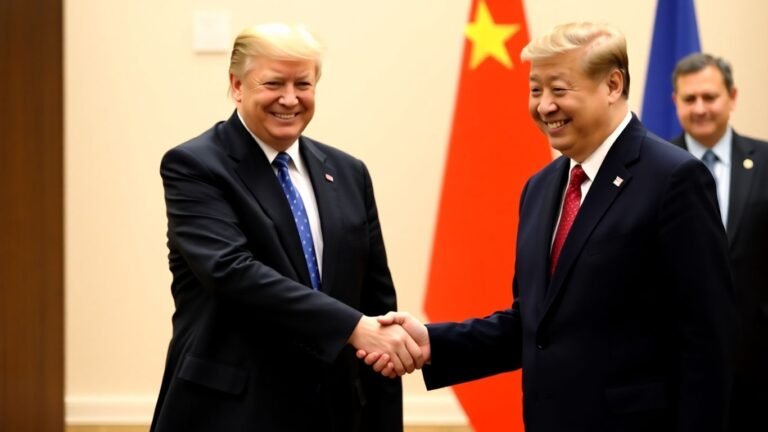
These trade wars, they weren’t just some abstract economic game. For farmers, they meant real money disappearing. When other countries slapped tariffs on our soybeans, our pork, our corn, suddenly our products became too expensive for them to buy. And who took the hit? Not the politicians in Washington, that’s for sure. It was the farmer, watching their hard-earned crops rot in the fields or selling them for pennies on the dollar. This isn’t just bad business; it’s a betrayal of the people who built this nation.
Here’s a look at how some key exports suffered:
- Soybeans: Prices dropped significantly as China, a major buyer, turned elsewhere due to retaliatory tariffs. This hit farmers in states like Iowa and Illinois particularly hard.
- Pork: Similar story here. Tariffs made American pork less competitive, leading to lower prices and excess inventory for producers.
- Dairy: While not always the headline, dairy farmers also faced challenges as trade disputes impacted international markets.
It’s like they’re playing chess with our livelihoods, and we’re just pawns. We need leaders who understand that farming isn’t just a business; it’s a way of life, and it’s the backbone of our nation’s security. We need to support American farmers and demand policies that actually help, not hurt.
The Unseen Costs Of Political Agendas
Beyond the direct hit from tariffs, there are other ways political games hurt farmers. Think about all the regulations that pile up, making it harder and more expensive to just do your job. It feels like every few years, there’s a new set of rules, a new mandate, and nobody in Washington seems to care about the practical impact on the ground. It’s easy to make rules when you’re sitting in an office, far removed from the dirt and the sweat.
The constant shifting of priorities and the focus on short-term political wins often leave farmers in the lurch. What’s a priority today can be forgotten tomorrow, leaving farmers to deal with the fallout.
This isn’t just about money, though that’s a big part of it. It’s about the feeling of being forgotten, of being a bargaining chip in a much larger game. Farmers are stewards of the land, providing food for all of us, and they deserve more than to be sacrificed on the altar of political expediency. We need to remember who grows our food and treat them with the respect and support they’ve earned.
Economic Storm Clouds Gathering
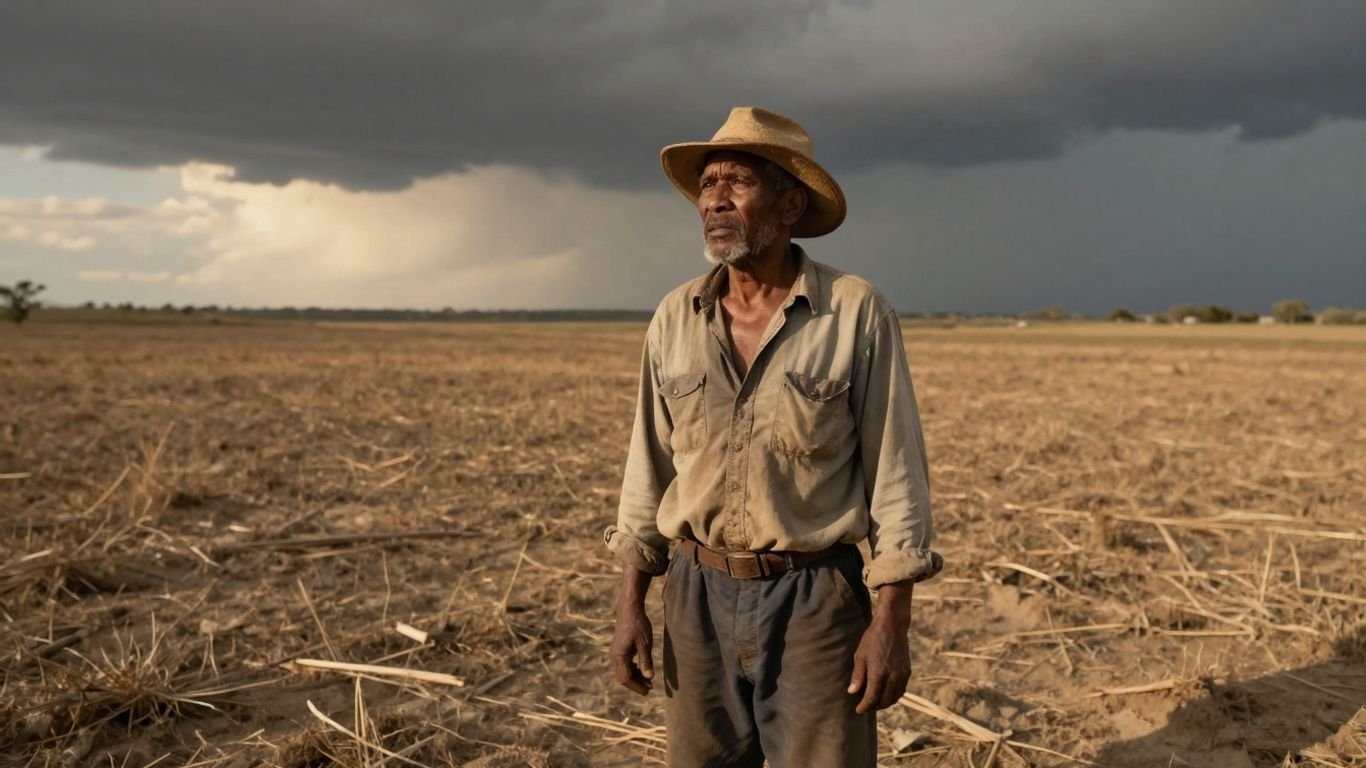
It’s getting tough out there for the folks who feed us. You hear whispers, maybe see a few more For Sale signs out by the county line. It’s not just a bad year; it feels like something bigger is brewing, and frankly, it’s making a lot of us nervous. The prices for what our farmers grow just aren’t what they used to be. It’s like the market just decided to take a nosedive, and nobody seems to have a good explanation, or at least not one that makes sense to the people actually doing the work.
Plummeting Prices For US Farmers
This isn’t just a little dip. We’re talking about prices that make it hard to cover the costs of seed, fertilizer, and fuel, let alone pay the bills. When the price of corn or soybeans drops significantly, it hits hard. Farmers are looking at their harvests, knowing they’re worth less than they were just a year ago, and that’s a gut punch. This isn’t about getting rich; it’s about survival. It’s about keeping the farm in the family, something that’s been passed down for generations. Now, that future looks shaky.
- Input Costs: Fertilizer prices have been all over the place, often going up when crop prices go down. It’s a double whammy.
- Global Markets: International demand plays a huge role, and when other countries aren’t buying as much, or when new trade barriers pop up, it affects us right here at home.
- Weather: Of course, we always have to deal with Mother Nature, but when you combine bad weather with bad prices, it’s a recipe for disaster.
Demand Collapse And Its Victims
So, why are prices falling off a cliff? A big part of it comes down to demand. When people and countries stop buying as much, or when they start buying from somewhere else because of political games, the bottom falls out. It’s a chain reaction. Less demand means lower prices, and lower prices mean farmers can’t make a living. It’s a tough situation, and it’s not just the farmers who suffer. Think about the small towns that depend on agriculture, the local businesses, the equipment dealers. They all feel the pinch when the farm economy struggles. We’re seeing a real economic downturn on the horizon if things don’t turn around.
The whole situation feels like a setup. Promises are made, and then the rug gets pulled out from under the very people who work the hardest to feed this nation. It’s not right, and it’s not sustainable.
It’s a complicated mess, and honestly, it feels like the folks making the big decisions in Washington aren’t really seeing the damage they’re causing. They talk about policy, but down on the ground, it’s about livelihoods. And right now, a lot of those livelihoods are in serious jeopardy.
The Unforeseen Consequences
Retaliatory Tariffs Cripple Agriculture
It’s a tough pill to swallow, but the trade wars that were supposed to make things better for American farmers have actually backfired. When our government slapped tariffs on goods from other countries, those countries hit back. And guess where a lot of those retaliatory tariffs landed? Right on our agricultural exports. Suddenly, American soybeans, pork, and other products became way more expensive for buyers overseas. It’s like trying to sell ice to Eskimos – nobody wants it when there are cheaper options available.
This isn’t just some abstract economic theory; it’s hitting home. Farmers are seeing their orders dry up. The markets they spent years building are now being taken over by competitors from countries that weren’t involved in the trade dispute. It’s a real mess, and it’s not something you can just fix with a quick policy change. The damage is done, and rebuilding those relationships takes time and trust, which are in short supply right now.
Who Is Really Paying The Price?
When you look at who’s really footing the bill for these trade disputes, it’s not the politicians making the decisions. It’s the folks out in the fields, working sunup to sundown. They’re the ones facing the fallout. We’re talking about farmers who are struggling to make ends meet, sometimes having to take out loans just to keep their farms afloat. It’s a hard reality that the people making the big decisions often don’t see the direct impact on the ground.
It’s not just the farmers, either. Think about the small towns that depend on agriculture. When the farms struggle, the local businesses suffer too. The feed store, the equipment dealer, the local diner – they all feel the pinch. It creates a ripple effect that spreads far beyond the farm gate. We’ve seen how government shutdowns can disrupt the food chain, and these trade issues are creating similar, long-term problems [2b93].
Here’s a look at how some key exports have been affected:
- Soybeans: Prices dropped significantly as China, a major buyer, turned to Brazil and Argentina.
- Pork: Similar story, with European and South American producers stepping in.
- Dairy: Tariffs made it harder for American dairy farmers to compete in international markets.
The promises made about protecting American agriculture seem to have gotten lost somewhere along the way. The reality on the ground is a lot tougher than the talking points suggest. It’s a situation that demands a serious look at what’s actually happening, not just what’s being said.
A Call To Action For US Farmers
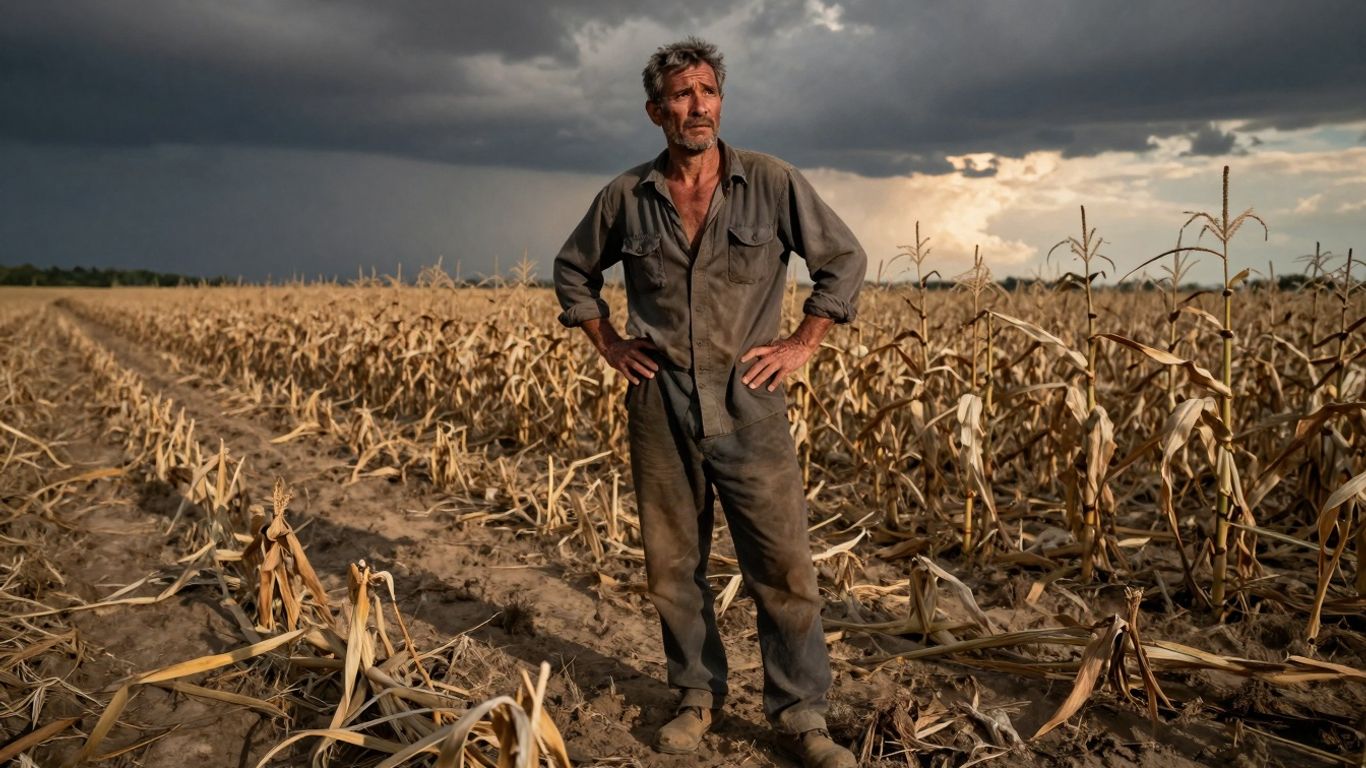
The current state of affairs for our nation’s farmers is frankly unacceptable. We’re seeing widespread rural economic hardship and struggling family farms are becoming the norm, not the exception. This isn’t just some abstract problem; it’s a full-blown farming industry crisis that affects every single one of us, whether we realize it or not. It’s time for farmers to stop waiting for someone else to fix things and start taking matters into their own hands.
Reclaiming The Narrative
For too long, the story of American agriculture has been told by people who don’t understand the land, the hard work, or the sacrifices involved. We need to get back to telling our own story. This means speaking up, sharing your experiences, and making sure your voice is heard loud and clear. Don’t let the media or politicians twist the truth about what’s happening on the ground. We need to be the ones defining the challenges and demanding real solutions.
Here’s how we can start reclaiming our narrative:
- Document Everything: Keep records of your yields, your costs, and the impact of policies on your operation. This data is powerful.
- Connect with Neighbors: Talk to other farmers in your community. Share information and build solidarity. There’s strength in numbers.
- Engage Locally: Attend town hall meetings, speak to your local representatives, and make sure they know you’re watching.
The backbone of this nation is being strained, and it’s time we recognized the true value of those who feed us. Ignoring the plight of our farmers is a dangerous path, one that weakens our country from the inside out.
Fighting For Fair Trade Practices
It’s clear that the current trade policies are not working for American farmers. The retaliatory tariffs have hit us hard, while other countries seem to be benefiting. We need to demand trade agreements that actually put American agriculture first, not last. This isn’t about protectionism; it’s about fairness and ensuring that our hard work is rewarded, not punished. We need to push for policies that open up markets for our products without exposing us to unfair competition or crippling tariffs. It’s time to advocate for trade that benefits everyone, especially the men and women who work the land every day. We need to look at fair trade practices that support our producers.
We need to push our elected officials to understand that when they hurt farmers, they hurt America. It’s time for a change, and that change starts with us.
The Future Of American Agriculture
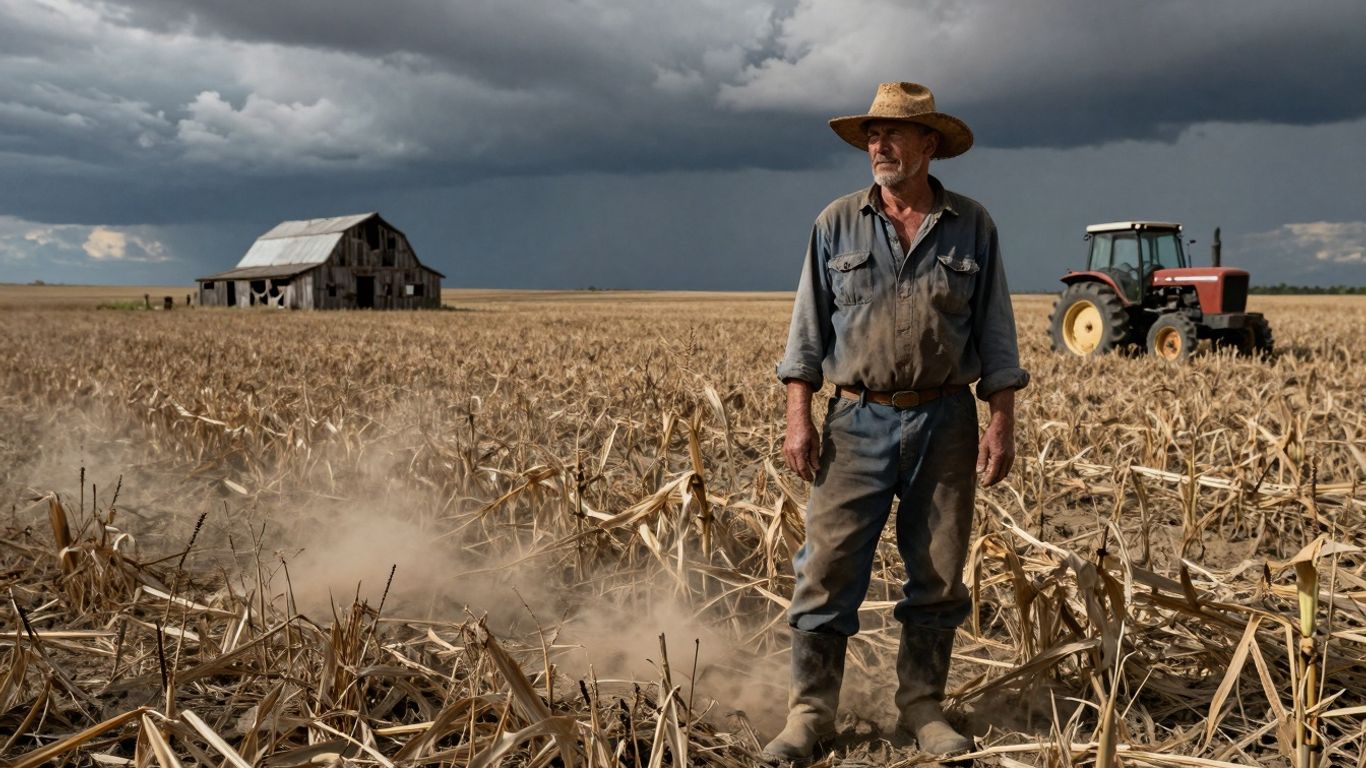
Protecting Our Nation’s Food Supply
Look, nobody wants to see our farms go under. It’s not just about the livelihoods of hardworking folks; it’s about what’s on our dinner tables. When we talk about American agricultural challenges, we’re talking about the very foundation of our country. If we can’t feed ourselves, what does that say about us? We need to get serious about making sure our farmers can keep doing what they do best.
This isn’t some abstract idea; it’s about real food, real jobs, and real security for all of us. We need to think about how we can strengthen our domestic production, not rely on folks halfway around the world who might not have our best interests at heart. It’s time for some common sense policies that actually help, not hurt.
Ensuring Prosperity For US Farmers
So, what does this future look like? It means more than just hoping for the best. It requires concrete steps and real support for American agriculture. We’re talking about policies that don’t punish our farmers with unpredictable trade wars or flood the market with cheap imports. It means looking at things like fair pricing, access to markets, and making sure the folks who grow our food can actually make a decent living. We need to prioritize the backbone of this nation: our farmers.
Here are a few things that need to happen:
- Fair Trade Deals: No more one-sided agreements that leave our farmers holding the bag. We need deals that actually benefit American producers.
- Market Access: Farmers need reliable ways to sell their goods, both at home and abroad, without artificial barriers.
- Investment in Rural Communities: Prosperity isn’t just about the farm gate; it’s about the towns and families that support agriculture. We need to invest there too.
The current situation isn’t sustainable. We’ve seen prices drop and costs rise, and it’s pushing good people out of the business. This isn’t just an economic issue; it’s a matter of national pride and security. We need to reverse course and put American farmers first.
We can’t afford to let our agricultural sector wither. It’s time to get back to basics and ensure that the future of American agriculture is one of strength and self-sufficiency. Let’s make sure our farmers are not just surviving, but thriving. You can find more information on how these issues affect people by looking at YouTube’s Copyright information.
What Now?
Look, it’s plain to see that the folks working the land are in a tough spot. They’re getting squeezed from all sides, and the promises made don’t seem to be fixing things. It feels like a lot of good people are being left behind while others play games with policies that hurt the very backbone of this country. We need to pay attention to what’s happening out there, because if the farmers can’t make it, none of us will be far behind. It’s time to think hard about who’s really looking out for the people who feed us all.
Frequently Asked Questions
What is the farm crisis?
The farm crisis is a tough time for farmers where they struggle to make enough money from selling their crops and livestock. This can happen for many reasons, like prices dropping too low or facing unfair rules for selling their products.
How do trade wars affect farmers?
Trade wars, which involve countries putting extra taxes on imported goods, can really hurt farmers. When other countries put taxes on American farm products, it’s harder for farmers to sell their goods overseas, leading to lower prices and less income for them.
Why have prices for farm goods gone down?
Prices can fall for many reasons. Sometimes, there’s just too much of a product, or people aren’t buying as much. In recent times, trade disputes have caused other countries to buy less from American farmers, which makes prices drop.
Who is hurt the most by these problems?
American farmers are definitely feeling the pinch. But it’s not just them. When farmers struggle, it affects everyone who relies on them, including food companies, small towns, and even consumers who might see higher prices later on.
What can farmers do to get help?
Farmers can work together to speak up about their problems. They can also look for new ways to sell their products, maybe directly to consumers or to different markets. It’s important for them to share their stories and ask for fair treatment.
Why is it important to support American farmers?
Farmers are essential because they grow the food we eat. If they can’t make a living, our country might have trouble getting enough food. Supporting them means making sure they can keep farming and providing for our nation’s needs.