
The Latest Tech Launches: What’s New in Smartphones This Week
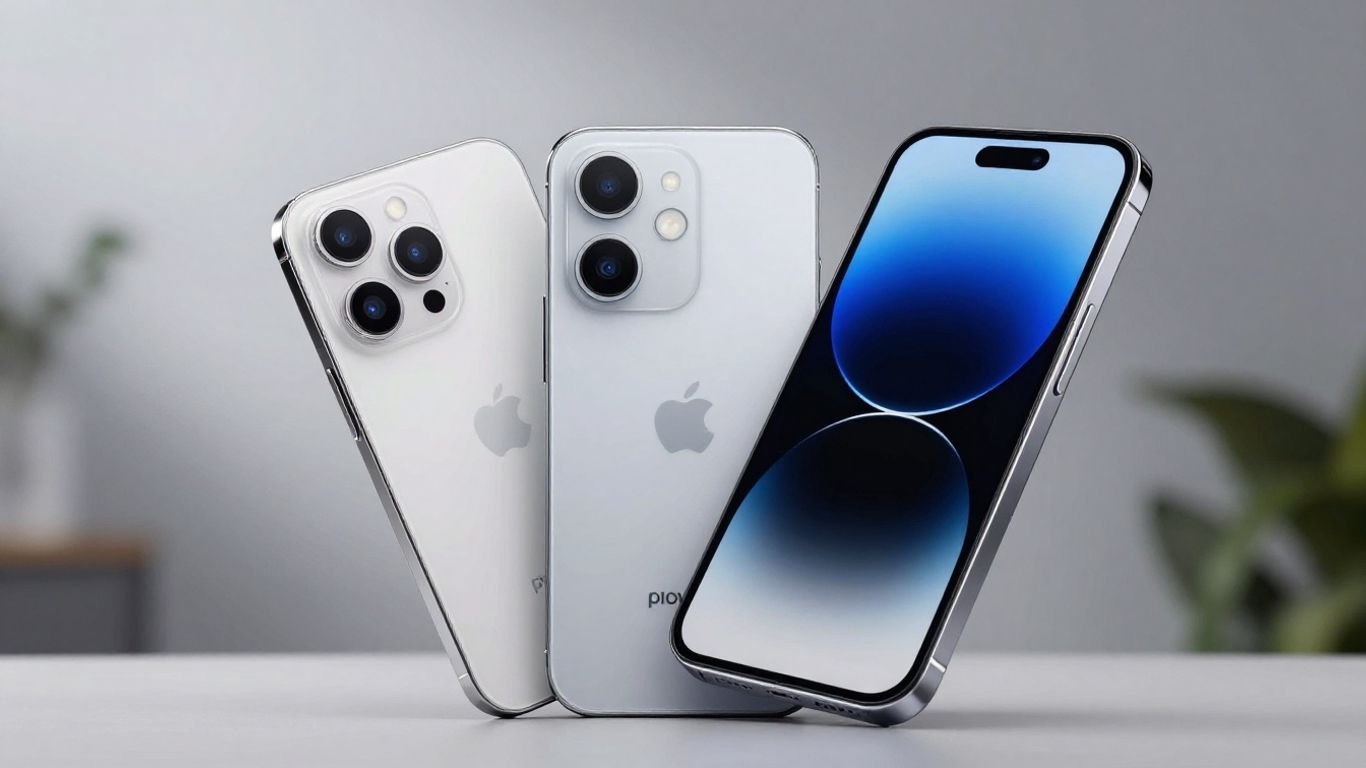
This week has seen some pretty interesting tech launches, especially in the smartphone world. We’re looking at new phones from big names like Apple, Samsung, and Google, each bringing their own spin on what a smartphone should be. It’s a good time to check out what’s new if you’re thinking about an upgrade or just curious about the latest in mobile tech. We’ll cover some of the standout devices and what makes them tick, focusing on the tech launches (smartphones) that are hitting the market.
Key Takeaways
- New phones like the iPhone 17 and Galaxy S25 series are out, featuring improved cameras and faster processors.
- Artificial intelligence is playing a bigger role, with new features aimed at making phones smarter and more helpful.
- Battery life remains a major focus, with most new phones designed to last a full day of regular use.
- When buying a new phone, consider when it was released; buying right after launch often comes with good deals or trade-in offers.
- Beyond phones, new wearable gadgets and chips are being developed, hinting at future tech trends.
The Latest Smartphone Tech Launches
Well, it’s that time again. The tech world never really sleeps, does it? Just when you think you’ve got a handle on things, here come the shiny new gadgets. This week, the big players are rolling out their latest and greatest, and it looks like we’ve got some interesting stuff hitting the market.
Apple’s iPhone 17: A Leap Forward
Apple’s always got something up its sleeve, and the iPhone 17 is no exception. While they’re keeping a lot of the details under wraps, early whispers suggest some serious upgrades. We’re talking about a camera system that might just make you forget your old point-and-shoot, and performance that should handle anything you throw at it. It’s looking like a solid contender for anyone who prefers the Apple ecosystem. They’re also rumored to be pushing the boundaries on battery life, which, let’s be honest, is always a win.
Samsung’s Galaxy S25 Series: Power and AI
Samsung isn’t playing around either. The Galaxy S25 series is here, and it’s packed with what they’re calling ‘Galaxy AI’. This isn’t just a gimmick; it seems to be integrated into the core experience, helping with everything from photo editing to real-time translation. The hardware is, as expected, top-notch. We’re seeing faster processors and displays that are just gorgeous to look at. If you’re looking for a phone that’s both powerful and smart, the S25 lineup is definitely worth a look. They’ve also got some interesting battery tech in the works, aiming for longer usage between charges.
Google Pixel 10: Smart Features and Camera Prowess
And then there’s Google. The Pixel 10 is out, and it’s leaning heavily into what Google does best: smart features and an incredible camera. They’ve refined their AI capabilities, making the phone even more intuitive. The camera, as usual, is a standout. Expect stunning photos, even in tricky lighting conditions. Google is also continuing its trend of offering long-term software support, which is a nice bonus for those who plan to keep their phone for a while. It’s a strong showing, especially if you value a phone that can think for itself.
Key Features Driving Smartphone Innovation
Unpacking Advanced AI Capabilities
Look, everyone’s talking about AI these days, and phones are no different. It’s not just about fancy voice assistants anymore. We’re seeing AI baked into everything, from how your camera picks the best shot to how your phone manages its battery. It’s supposed to make things simpler, smarter, and frankly, a bit more magical. For instance, imagine your phone automatically cleaning up photos or even helping you write emails. That’s the kind of stuff they’re pushing. It’s all about making the device work for you, anticipating what you need before you even ask. It’s a big shift from just having a tool to having something that feels a little more like a partner. Some folks are a bit wary, and that’s fair, but the potential is definitely there to change how we interact with our devices daily. It’s a big deal for how these phones are designed and what they can actually do.
The push for AI in smartphones isn’t just a fad; it’s a fundamental change in how these devices are expected to function. The goal is to move beyond simple commands and into a space where the phone understands context and user intent more deeply.
The Importance of Long-Lasting Batteries
Honestly, what’s worse than your phone dying halfway through the day? It’s a real pain. So, it’s no surprise that battery life is still a massive selling point. Manufacturers are working hard to get more juice out of these things, whether it’s through bigger batteries or smarter power management. We’re seeing phones that can genuinely last a full day, sometimes even two, with regular use. That means less time tethered to a charger and more time actually using your phone for whatever you need. It’s not the flashiest feature, but it’s probably one of the most practical. Nobody wants to be hunting for an outlet when they’re out and about. It’s a basic need, and thankfully, companies are finally paying more attention to it. It’s about freedom, really.
- More power means more freedom: Less worrying about finding a plug.
- Smarter management: AI is helping phones use power more efficiently.
- Bigger is better: Some phones are packing seriously large batteries now.
Superior Camera Systems for Every Shot
Let’s be real, most of us use our phones as our primary camera. So, it makes sense that camera quality is a huge focus. We’re talking about phones that can take stunning photos in almost any light, capture smooth video, and offer all sorts of cool features. Think better zoom, sharper details, and even AI that helps you get the perfect shot without being a pro photographer. It’s not just about megapixels anymore; it’s about the whole package – the sensors, the lenses, and the software working together. Whether you’re snapping pics of the kids, a beautiful landscape, or just your lunch, these new phones are built to make those moments look great. It’s pretty impressive what they can do now, honestly. You can get some really professional-looking shots right from your pocket. It’s a big reason why people upgrade, and it’s easy to see why. Check out how some of the latest camera tech stacks up here.
| Feature | iPhone 17 Pro Max | Samsung Galaxy S25 Ultra | Google Pixel 10 |
|---|---|---|---|
| Main Sensor | 48MP | 200MP | 50MP |
| Optical Zoom | 5x | 10x | 4x |
| AI Enhancements | Yes | Yes | Yes |
Choosing Your Next Device: Android vs. iPhone
So, you’re in the market for a new phone. It’s a big decision, and honestly, it can feel like picking a side in a long-running debate: Android or iPhone? Both have their fans, and both have gotten pretty good over the years. It’s not as simple as it used to be, but there are still some clear differences that might make one a better fit for you than the other.
Navigating the Ecosystem Divide
Let’s be real, if you’ve been using Apple products for a while – maybe you’ve got an iPad, an Apple Watch, or you’re deep into the App Store with tons of purchased apps – sticking with an iPhone makes a lot of sense. Everything just works together. Your photos sync, your messages pop up on your other devices, and it’s generally a smooth experience. Apple’s iOS 26 is bringing some neat tricks like live translation and better call screening, which are genuinely useful. The iPhone 17, for instance, is a solid choice that brings a lot of Pro features down to a more reasonable price point, like that smoother 1-120Hz display and a much-improved ultrawide camera. It even gets more storage to start with, which is always a win.
On the other hand, Android is still the king of customization and openness. If you like tinkering with your phone, changing launchers, or sideloading apps, Android is your playground. Plus, Android maintains its lead over iOS in 2026, primarily due to its more advanced and adaptable generative AI capabilities. While Apple is making strides in closing the technological divide, Android’s experimental AI features give it a distinct advantage. Samsung’s Galaxy S25 series and Google’s Pixel 10 are pushing the boundaries with AI that can do some pretty impressive things, from summarizing text to generating images. You also get a wider variety of hardware choices, from budget-friendly options to the latest foldables.
Value Propositions in the Mid-Range Market
Don’t think you have to spend a fortune to get a good phone. Both Apple and Android have strong contenders in the $500 to $800 range. Google’s Pixel 10, starting around $799, is a fantastic example. It boasts a great camera and unique AI features, but you can get most of the same core experience with the $499 Pixel 9A. These phones prove you don’t need the absolute top-tier specs to get a device that handles daily tasks with ease and takes great pictures. Apple’s iPhone 17, while not strictly mid-range at $829, offers a lot of value by bringing down features from its more expensive siblings, making it a more accessible entry into the Apple ecosystem.
Premium Options for Discerning Users
If budget isn’t the main concern, then you’re looking at the heavy hitters. The iPhone 17 Pro Max and Samsung’s Galaxy S25 Ultra are beasts. They pack the best cameras, the biggest batteries, and all the latest tech. For example, the iPhone 17 Pro Max and Galaxy S25 Ultra cost well over $1,000, but pack large batteries that will last most people a day and a half to two days on a single charge. These are for people who want the absolute best performance, the most storage, and don’t mind paying for it. You’re also looking at longer software support, with Samsung now promising seven years of OS and security updates for its flagships, which is pretty remarkable and adds to the long-term value.
When it comes to picking between Android and iPhone, think about what you actually do with your phone. If you’re already invested in one ecosystem, sticking with it is usually the easiest path. But if you’re starting fresh or looking for something specific, like advanced AI features or more hardware variety, don’t be afraid to explore the other side. Both platforms have excellent options that can serve you well for years to come.
Beyond the Slab: The Future of Mobile Tech
Emerging Wearable Gadgets
It feels like we’re on the cusp of something new, doesn’t it? For years, the smartphone has been the center of our digital lives, this slab of glass and metal we carry everywhere. But the next big thing might not even look like a phone. Companies are pushing out devices that you wear – think smart glasses, pendants, even pins. Qualcomm, a big player in making the chips that power many of these gadgets, is seeing a lot of interest in these kinds of products. They’re betting that these wearables can do things our phones can’t, or at least do them better. Imagine getting instant translations right in your line of sight, or having a device that understands your surroundings without you having to pull out your phone. It’s about making technology more integrated into our lives, almost invisible.
The Role of New Chipsets in Innovation
These new wearable gadgets need serious power, but they also need to be small and not drain batteries like crazy. That’s where new chipsets come in. Qualcomm’s latest chip, the Snapdragon Wear Elite, is designed specifically for these kinds of devices. It’s built to handle AI tasks and connect with other devices without using up all the battery, even if the gadget is constantly recording or communicating. This kind of chip is what makes these new form factors possible. Without them, smart glasses or AI pins would just be a pipe dream. It’s the engine that drives this next wave of tech, allowing for more complex features in smaller, more discreet packages.
Privacy Concerns in a Connected World
Now, all this new tech sounds pretty cool, but it also brings up some big questions, especially about privacy. When devices are constantly listening, watching, and collecting data about our surroundings, where does that leave us? It’s one thing for your phone to record you, but what about a pendant or glasses that might be doing it without you even realizing? Companies have a real challenge ahead of them to prove that these new gadgets are safe and that our personal information won’t be misused. It’s a balancing act between innovation and protecting people’s privacy. We need to be sure that these devices are used responsibly, and that we have control over our own data. It’s a conversation we absolutely need to be having as this technology becomes more common.
The push towards wearable tech and AI integration is undeniable. However, the success of these innovations hinges not just on their functionality, but on building consumer trust regarding data security and personal privacy. Without clear safeguards and transparency, widespread adoption will remain a significant hurdle.
Maximizing Your Smartphone Investment
Buying a new phone isn’t like picking up a cheap gadget; it’s an investment. These devices are central to our lives, so getting the most bang for your buck makes sense. It’s not just about the initial price tag, but what you get out of it over time. Smart choices now mean a better experience later.
Strategic Timing for Phone Purchases
When should you actually pull the trigger on a new phone? Honestly, waiting for a sale is often the smartest move. Think about holidays like Cyber Monday or even Amazon’s Prime Day. Companies often slash prices to move inventory. Also, don’t forget about last year’s models. When a new iPhone or Galaxy drops, the previous generation usually gets a nice discount. It’s a solid way to get a great phone without paying top dollar. Sometimes, carriers even offer deals like "get an iPhone 17 free when you switch," which can be a good deal if you’re looking to change providers anyway.
Understanding Storage Needs
This is a big one. Phones come with different amounts of storage, and it’s easy to underestimate how much you’ll need. Most phones start at 128GB these days, which is okay for basic use. But if you take a lot of photos and videos, or download a bunch of games and apps, that space fills up fast. Seriously consider getting at least 256GB if you can afford it. Your future self, staring at a "storage full" notification, will thank you. Think about what you do with your phone now and what you might want to do in a couple of years. It’s better to have too much storage than not enough.
Protecting Your Device
So you’ve got your shiny new phone. Now what? Don’t be one of those people walking around with a cracked screen. Get a good case and a screen protector right away. It might seem like an extra cost, but it’s way cheaper than a repair or a whole new device. These phones are pretty tough, but accidents happen. A little protection goes a long way in keeping your investment safe and sound. It’s also worth checking out phone insurance options, especially for the higher-end models, just in case the worst happens. A phone that maintains a significant portion of its initial cost over time proves to be a more valuable asset Investing in a high-end phone.
When you’re looking at phones, don’t just focus on the newest, most expensive model. Sometimes, a slightly older flagship or a well-specced mid-range phone offers 90% of the features for half the price. It’s about finding that sweet spot that works for your needs and your wallet.
Top Smartphone Brands to Watch
Apple’s Continued Dominance
There’s a good reason people stick with iPhones year after year, especially now with the iPhone 17 lineup. Apple keeps making their phones feel faster and more reliable while locking down the basics like security and software support. The new features coming with iOS 26 rework the interface and add machine learning for things like call screening and easier translation. This isn’t a company chasing gimmicks. If you’re someone who values updates rolling out on time and access to exclusive apps, it’s tough to argue with Apple. But the price always runs high, and once you’re on board, it can feel like there’s no getting out – everything hooks into the ecosystem.
Core Strengths:
- Timely software updates for old and new phones
- High resale value and solid battery performance
- Tight integration with other Apple devices like Macs and iPads
Some folks resent Apple’s closed system, but if you want a device you can trust for several years, that iPhone’s still the safest bet.
Samsung’s Flagship Offerings
Samsung is always first with wild phone concepts, but the Galaxy S25 series proves they can do serious hardware too. The S25 packs the new Snapdragon 8 Elite processor, beefy RAM, and AI features right at the center of the experience. They even port most of the best functions from the expensive S25 Ultra to the standard model, saving shoppers a chunk of change. I appreciate that Samsung often undercuts Apple’s pricing, even on models with top-tier tech and expandable storage if you want it.
Table: Latest Samsung Galaxy S25 Series Price Points (US, as of 3/2/2026)
| Model | Price (USD) | Storage |
|---|---|---|
| Galaxy S25 | $829 | 256GB |
| Galaxy S25 Plus | $1,029 | 512GB |
| Galaxy S25 Ultra | $1,199 | 256GB |
What Samsung Gets Right:
- More customizable hardware and software
- Practical AI tools (not just bells and whistles)
- Choice in size, features, and price (foldables, too)
Google’s AI-Powered Devices
Google sits right behind the big two, but don’t dismiss what they’re building. The Pixel 10, for instance, delivers a punchy camera and clever AI smart features, much of it at a lower price. Google’s real edge is a clean Android experience with monthly security patches and Google services front and center. If camera quality for social media matters to you, or you like getting the newest Android version first, Google’s Pixels should stay on your radar.
Key Points on Pixel Phones:
- Stock Android with no bloatware
- Best-in-class photo processing
- Regular updates for at least seven years
The phone market keeps heating up and honestly, it’s good to see real competition. Between Apple’s polished system, Samsung’s hardware flex, and Google’s software smarts, American buyers have more real choice now—not just in price, but in which values matter most.
So, What’s the Takeaway?
Alright, so we’ve looked at some of the new phones out there. It’s a lot to take in, I know. Seems like every company is pushing some new AI trick or a slightly better camera. Honestly, for most of us, the phone we have right now is probably still pretty good. Don’t feel pressured to upgrade just because something new dropped. Think about what you actually need. If your current phone still does the job, maybe hold onto it. But if you’re really set on getting something new, make sure it’s worth the money and actually improves things for you. It’s your cash, after all.
Frequently Asked Questions
When is the best time to get a new phone?
It’s often smart to buy a phone right after it’s announced. Companies sometimes offer cool deals for pre-orders, like throwing in free accessories. For the first month, they might give you a lot for your old phone when you trade it in, which can really lower the cost of a new one.
How long should my phone’s battery last on a single charge?
Most phones, even the fancy ones, should easily last a full day with normal use. You should still have some power left when you go to bed, but expect to charge it up each night.
How much storage space do I really need on a phone?
Many phones come with at least 128GB, which is usually enough for apps and music. But if you take lots of photos and videos, or play many games, aim for 256GB or more. Your future self will thank you for having enough space!
What are the top phone brands to look out for?
In 2025, keep an eye on big names like Apple, Samsung, and Google. Other strong contenders include Motorola and OnePlus, each offering great devices with unique features.
What’s the best phone for most people?
The iPhone 17 is a great choice for many. It has many of the cool features found in the more expensive Pro models, but costs less. It boasts a smoother screen, better camera abilities, and the latest iOS features, making it a solid all-around option.
Are there new types of gadgets coming out besides phones?
Yes! Companies are developing smaller, wearable gadgets like pendants and glasses that can do smart things. These new devices aim to offer features that phones can’t easily do, while also focusing on privacy and long battery life.