The New Army Partnership: Bundeswehr Integrates Dutch Forces
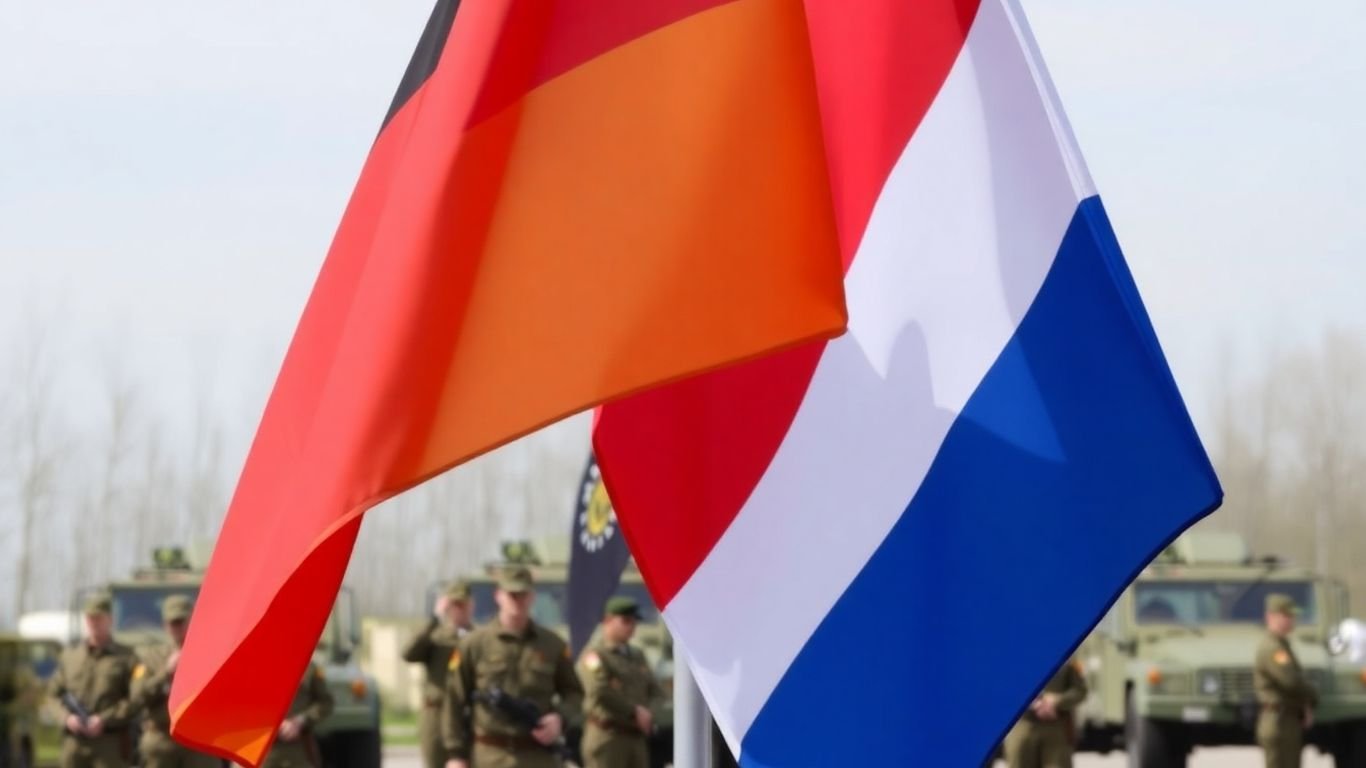
So, it looks like the Dutch army is linking up more closely with the German Bundeswehr. This isn’t just a small change; it means the Dutch 13th Light Brigade is now under German command. It’s all part of a bigger plan to make European defense stronger, especially with everything going on in the world. This netherland germany army partnership is a pretty big deal for NATO and for how these two countries work together militarily.
Key Takeaways
- The Dutch 13th Light Brigade is now officially part of the German Bundeswehr, specifically under the 10th Panzer Division.
- This integration forms a larger joint ground force, combining Dutch and German troops.
- The move aims to boost joint training, streamline logistics, and potentially lead to shared weapons purchases.
- Despite the integration, the Netherlands retains control over decisions regarding the deployment of its own forces.
- This partnership builds on a history of military cooperation between Germany and the Netherlands, including the existing 1 German-Netherlands Corps.
Deepening Defense Ties Between The Netherlands And Germany
A New Era Of Joint Military Operations
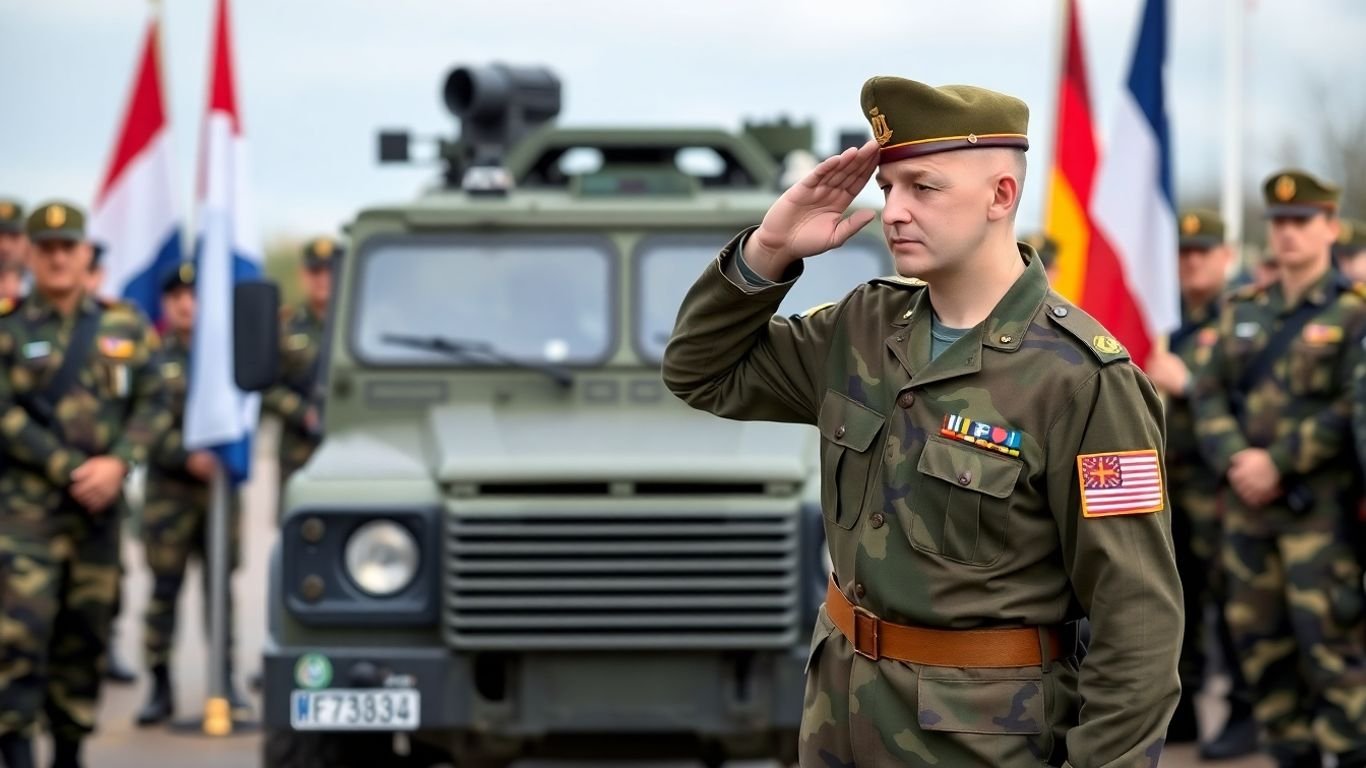
Things are really shifting in European defense. The Netherlands and Germany are taking their military cooperation to a whole new level. It’s not just about talking anymore; they’re actually merging parts of their ground forces. This move comes at a time when security concerns are pretty high across the continent, especially after what’s been happening in Ukraine. The Dutch 13th Light Brigade is now officially part of the German Army’s 10th Panzer Division. This isn’t just a small change; it means a combined ground force of about 50,000 soldiers, with a significant chunk coming from the Netherlands. It’s all about building a stronger, more unified front.
Strengthening NATO’s European Pillar
This integration is a big deal for NATO, too. By combining forces, both countries are aiming to boost their overall defense capabilities. It’s like putting more pieces together to make a stronger puzzle. The idea is that by working more closely, they can respond better to threats and contribute more effectively to the alliance. It’s a practical step towards making sure NATO’s European side is as solid as possible. Think of it as reinforcing the foundation of a very important structure.
Strategic Alignment For Regional Security
Beyond just military might, this partnership is about aligning strategic goals. Both nations share a common interest in maintaining stability in their region. This collaboration isn’t just about having more troops; it’s about having troops who train together, understand each other, and can operate as a single unit when needed. It’s a way to proactively address security challenges and ensure peace. It’s a clear signal that they are serious about regional security and are willing to take concrete steps to achieve it.
This kind of cooperation is becoming more important than ever, especially when you consider how interconnected global events are. It makes you wonder about other areas, like technology – you hear about things like the Dutch takeover of Nexperia threatens German auto industry and 1,600 jobs, and then there’s the talk from companies like ASML saying, ‘EU needs to protect its champions better.’ It shows that economic and security interests are really intertwined these days.
Integration Of Dutch Forces Into The Bundeswehr
A New Era Of Joint Military Operations
This is a pretty big deal, folks. We’re talking about the German army taking over Dutch troops in a significant way. The 13th Light Brigade of the Netherlands, a unit with about 3,000 soldiers, is now officially under the command of the Bundeswehr. This move is part of a larger plan to create a more unified ground force, bringing together around 50,000 troops in total, with a good chunk of those – over 8,000 – coming from the Dutch side. It’s all part of a confidential agreement signed late last year, aiming for the closest partnership between the two nations within NATO. This isn’t just a handshake; it’s a structural change.
Strengthening NATO’s European Pillar
So, what does this mean on the ground? The German forces integrated with Dutch army units are now operating under a new command structure. The 13th Light Brigade, previously a standalone Dutch unit, is now part of the German 10th Panzer Division. This isn’t the first time these two countries have worked closely together, but this level of integration is a step up. It’s about making sure that when things get serious, these forces can act as one cohesive unit, not just as separate national contingents.
Strategic Alignment For Regional Security
This whole process of Bundeswehr military cooperation with the Netherlands isn’t happening in a vacuum. It’s a direct response to the changing security landscape in Europe. With increased tensions, pooling resources and command structures makes a lot of sense. It’s about creating a stronger, more capable force that can respond effectively to threats. Think of it as building a more robust shield for the region. The goal is to increase overall defense capability through unified command and larger formations. It’s a practical approach to a complex geopolitical situation.
Here’s a quick look at how the integration is structured:
- 13th Light Brigade (Netherlands): Now under the operational command of the German 10th Panzer Division.
- Combined Ground Force: A new, larger joint force is formed, incorporating Dutch units.
- NATO Framework: This integration strengthens the alliance’s capabilities within the broader NATO structure.
This kind of deep integration is designed to streamline operations and improve readiness. It’s a pragmatic approach to modern defense challenges, aiming for greater efficiency and a more unified response capability.
It’s important to remember that while command structures are being aligned, the decision-making power regarding national deployment remains with the individual governments. This isn’t about losing national control, but about creating a more effective fighting force when needed.
Historical Precedents And Future Cooperation
This whole integration thing between the Dutch and German armies didn’t just pop up out of nowhere. There’s actually a pretty long history of these two countries working together militarily, going back decades. It’s not like they woke up one day and decided to merge their forces; it’s been a gradual process, building on past experiences.
Evolution Of German-Dutch Military Partnerships
Back in 1991, the idea of combining some army structures started to take shape, and by 1993, there was an actual agreement. This led to the formation of the 1st German-Netherlands Corps (1GNC). Initially, it was about merging headquarters and then attaching divisions from both countries. This corps quickly became a key part of NATO’s command structure. Over the years, the 1GNC has evolved, and today it’s more of an administrative hub, with combat units being assigned as needed. It’s a testament to how long these two nations have been trying to make joint operations work.
Lessons Learned From Previous Integrations
Looking back, there have been several steps taken to bring Dutch and German forces closer. For instance, the 11 Airmobile Brigade joined up with the German Division Schnelle Kräfte back in 2014. Then, in 2016, the 43 Mechanised Brigade was combined with the German 1st Panzerdivision. More recently, the 13th Light Armoured Brigade was integrated with the German 10th Panzerdivision in March 2023.
These weren’t just random moves; each step was meant to build on the last, making joint training smoother and preparing soldiers to work together effectively. It’s all about learning what works and what doesn’t to make the next integration even better. The goal is to have three capable divisions working together, which is what NATO expects and what Europe needs right now.
The Common Army Vision Framework
So, what’s the big picture here? It’s about creating a more unified ground force. The idea is that by integrating units, training becomes more efficient, and there’s potential for joint procurement of equipment. This alliance aims to boost overall defense capabilities for both nations. It’s a strategic move to strengthen the European pillar of NATO and ensure regional security.
The Netherlands, with its smaller military, benefits from the scale and resources of the Bundeswehr, while Germany gains a capable partner. It’s a partnership built on shared security interests and a desire for greater operational effectiveness. This kind of cooperation is vital for facing modern security challenges, and it’s something that’s been developing over time, with a clear vision for the future of joint military operations.
Here’s a quick look at some key integration milestones:
- 2014: 11 Airmobile Brigade integrated with German Division Schnelle Kräfte.
- 2016: 43 Mechanised Brigade combined with German 1st Panzerdivision.
- 2023: 13th Light Armoured Brigade integrated with German 10th Panzerdivision.
This ongoing integration signifies a deeper commitment to collective defense, moving beyond simple interoperability towards a more cohesive multinational force structure. It’s a practical application of shared strategic goals.
Benefits Of The Netherland Germany Army Alliance
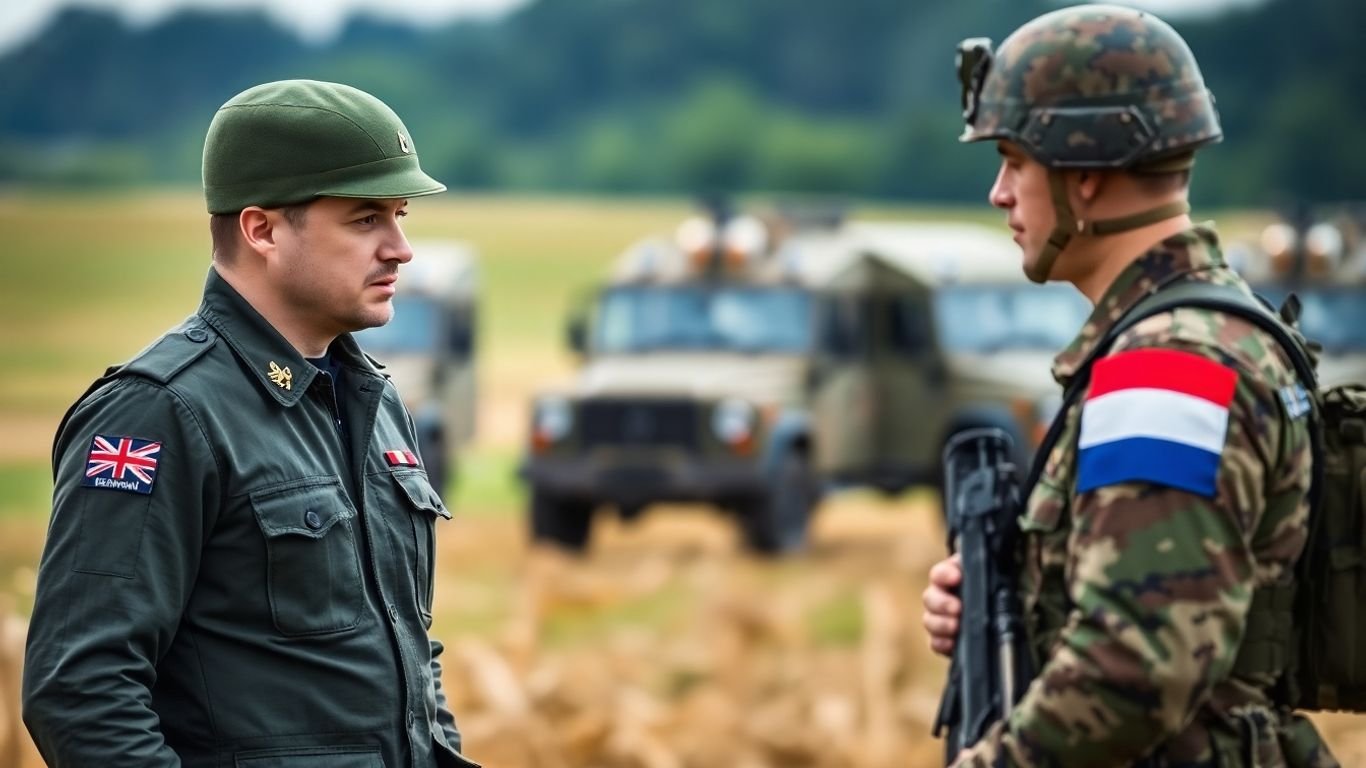
This new alliance between the Netherlands and Germany is really shaking things up, and honestly, it makes a lot of sense. When you look at the bigger picture, especially with everything going on in the world, pooling resources and capabilities just seems like the smart move. The primary advantage is a significant boost in combined military strength and readiness.
Enhanced Joint Training And Exercises
One of the most immediate upsides is how much easier it’s going to be to train together. Think about it: instead of coordinating multiple separate exercises, you’ve got a more unified approach. This means more realistic scenarios and better practice for joint military operations Germany Netherlands. We’re talking about troops from both nations working side-by-side more often, learning each other’s procedures, and ironing out any kinks before they become a problem in a real situation. This kind of regular, integrated training builds trust and a shared understanding that’s hard to get any other way.
Streamlined Logistical Support And Investment
Logistics can be a real headache in any military operation. By working more closely, both countries can look at how they manage supplies, maintenance, and transportation. This could mean sharing resources, which saves money and makes things more efficient. Imagine joint depots or maintenance facilities – it cuts down on duplication and makes sure equipment is ready when needed. It also opens the door for smarter investments. Instead of both countries buying separate, perhaps smaller, batches of equipment, they might be able to pool their needs and get better deals or acquire more advanced systems.
Potential For Joint Weapons Procurement
Following on from logistics, the idea of buying weapons together is pretty compelling. When you have a larger, unified force, the purchasing power increases dramatically. This could lead to getting better prices on new gear, or even influencing the development of new weapons systems that meet the combined needs of both armies. It’s not just about saving money; it’s about getting the best possible equipment for the troops. This kind of cooperation could also lead to greater standardization of equipment, which, as you can imagine, makes everything from training to battlefield repairs much simpler.
The integration aims to create a more robust and capable ground force, capable of responding effectively to a wider range of security challenges. This isn’t just about numbers; it’s about creating a more cohesive and interoperable fighting force.
Here’s a quick look at what this integration means:
- Increased Troop Numbers: A combined force of around 50,000 soldiers, with a significant Dutch contingent.
- Shared Training Regimes: More frequent and realistic joint exercises.
- Logistical Efficiencies: Potential for shared resources and infrastructure.
- Coordinated Procurement: Opportunities for joint purchasing of military hardware.
Maintaining National Sovereignty In Joint Operations
So, the Dutch army is linking up more closely with the Bundeswehr. It sounds like a big deal, and it is, but what about national control? That’s a question on a lot of people’s minds. The core idea is that while forces will operate together more, key decisions about deployment and national interests remain firmly with each country’s government. It’s not about losing control; it’s about smarter cooperation.
Independent Deployment Decisions
When it comes to sending troops into action, the Netherlands will still have the final say. This isn’t a situation where Dutch soldiers are automatically sent wherever Germany decides. The process involves clear communication and agreement between both nations. Think of it like a partnership where both sides have veto power on major commitments.
Preserving Dutch Military Autonomy
This integration is designed to work within existing frameworks, like NATO. The goal is to make forces more capable and ready, not to erase national identities. The Dutch military will keep its own command structures for national defense and internal matters. The integration focuses on specific operational areas where joint action makes sense, like forming a larger ground force for certain missions.
The Role Of The Ministry Of Defense
Your Ministry of Defense is still the main player when it comes to national defense policy. They’ll be involved in setting the rules for how Dutch forces operate within this new joint setup. This includes making sure that any joint operations align with Dutch foreign policy and security goals. It’s about having a seat at the table and making sure Dutch needs are met.
- Clear Command Lines: Establishing who is in charge during joint operations is key.
- National Interest Protection: Mechanisms are in place to safeguard Dutch interests.
- Policy Alignment: Ensuring joint actions fit with broader national strategies.
The integration aims for greater operational effectiveness without compromising the fundamental right of each nation to decide on the deployment of its own forces. It’s a careful balance, ensuring that combined strength doesn’t mean a loss of national direction.
The 1 German-Netherlands Corps
A Foundation For Multinational Cooperation
The 1 German-Netherlands Corps, often shortened to 1GNC, is a pretty unique setup. It’s basically a joint military formation that brings together units from both the Royal Netherlands Army and the German Army. The whole idea started back in the early 90s, with a treaty signed in 1993 that merged two previously separate headquarters. This wasn’t just about putting soldiers in the same barracks; it was a significant step in building a more integrated European defense capability. The headquarters itself is located in Münster, Germany, a spot that already housed a German corps headquarters, making the transition smoother. It’s a testament to how far German-Dutch military partnerships have come.
NATO Response Force Integration
This corps isn’t just a bilateral project; it plays a role on the bigger NATO stage too. The 1GNC headquarters is part of NATO’s High Readiness Forces (Land) Headquarters, meaning it can be called upon for rapid deployment. It’s been integrated into the NATO Response Force (NRF) rotations, which is a big deal. This means that when NATO needs a quick reaction force, the 1GNC is one of the formations ready to go. They’ve even deployed as the headquarters for ISAF in Afghanistan, showing they can operate effectively in complex, multinational environments outside of NATO territory. It really highlights the practical application of this joint command structure.
Historical Deployments And Operational Roles
Since its official formation in 1995, the 1GNC has been involved in numerous exercises and operations. It was designated as “Forces Answerable to the Western European Union” and later became a Land Component Command within NATO’s structure. One of its most significant operational roles was serving as the headquarters for ISAF-3 in Afghanistan from February to August 2003.
This deployment was a major test of the corps’ capabilities and demonstrated its ability to lead multinational forces in a challenging theater. The corps is designed to be able to deploy and lead military missions within and outside NATO territory, often within a tight timeframe, especially when on standby for NRF or VJTF duties. The ability to integrate and command diverse national units under a unified structure is key to its operational success.
| Commander Name | Country | Start of Appointment | End of Appointment |
|---|---|---|---|
| Lt Gen Peter Mirow | Germany | 27 March 2025 | |
| Lt Gen Nico Tak | Netherlands | 17 March 2022 | 27 March 2025 |
| Lt Gen Andreas Marlow | Germany | 6 February 2020 | 17 March 2022 |
The 1GNC is more than just a combined headquarters; it’s a living example of how two nations can pool their military resources and expertise to create a more potent and flexible fighting force. The ongoing integration efforts, like the recent developments with the Dutch field army, build upon this established foundation of cooperation and shared command.
What’s Next?
So, the Dutch 13th Light Brigade is now officially part of the German army. This whole thing, bringing together parts of the Dutch and German forces, has been happening for a while now, really picking up steam after 2014. It’s all about making sure they can work together better, especially with everything going on in Europe. They say this doesn’t change who’s in charge of their own troops, but it’s a pretty big step in how they operate together. We’ll have to wait and see how this new setup plays out on the ground, but the idea is to make both armies stronger and more ready for whatever comes next.
Frequently Asked Questions
What does it mean for the Netherlands to integrate its army with Germany’s?
It means that some Dutch army units, like the 13th Light Brigade, will now follow orders from the German army’s command. This helps the two countries work together more closely, making them stronger as a team within NATO and for European security. Think of it like joining forces to be a bigger, more capable team.
Why are the Netherlands and Germany doing this now?
The world situation has changed, and there are more security worries, especially after what happened in Ukraine. By joining forces, the Netherlands and Germany want to be better prepared to protect themselves and their allies. It’s about making sure they can respond effectively if needed.
Does the Netherlands lose control of its army?
No, the Netherlands still makes its own decisions about when and where its soldiers are sent. While some units will work under German command for day-to-day operations, the Dutch government keeps the final say on major deployments. It’s about teamwork, not giving up independence.
What are the benefits of this partnership?
There are many good things! It makes it easier to train together and plan joint missions. They can also share costs for things like equipment and support, which saves money. Plus, when soldiers from both countries train and work together often, they understand each other better when it’s time for real action.
How many soldiers are involved in this new combined force?
When all the units are combined, it creates a large ground force of about 50,000 soldiers. More than 8,000 of these soldiers will be from the Netherlands, adding to the strength of the German army’s structure.
Has this kind of cooperation happened before between the two countries?
Yes, this isn’t the first time! The Netherlands and Germany have been working together for a long time. They already have a joint German-Netherlands Corps that works together. This new step is a deeper level of cooperation, building on past successful partnerships.