The US devised a destructive strategy for the world. Now it is the victim itself
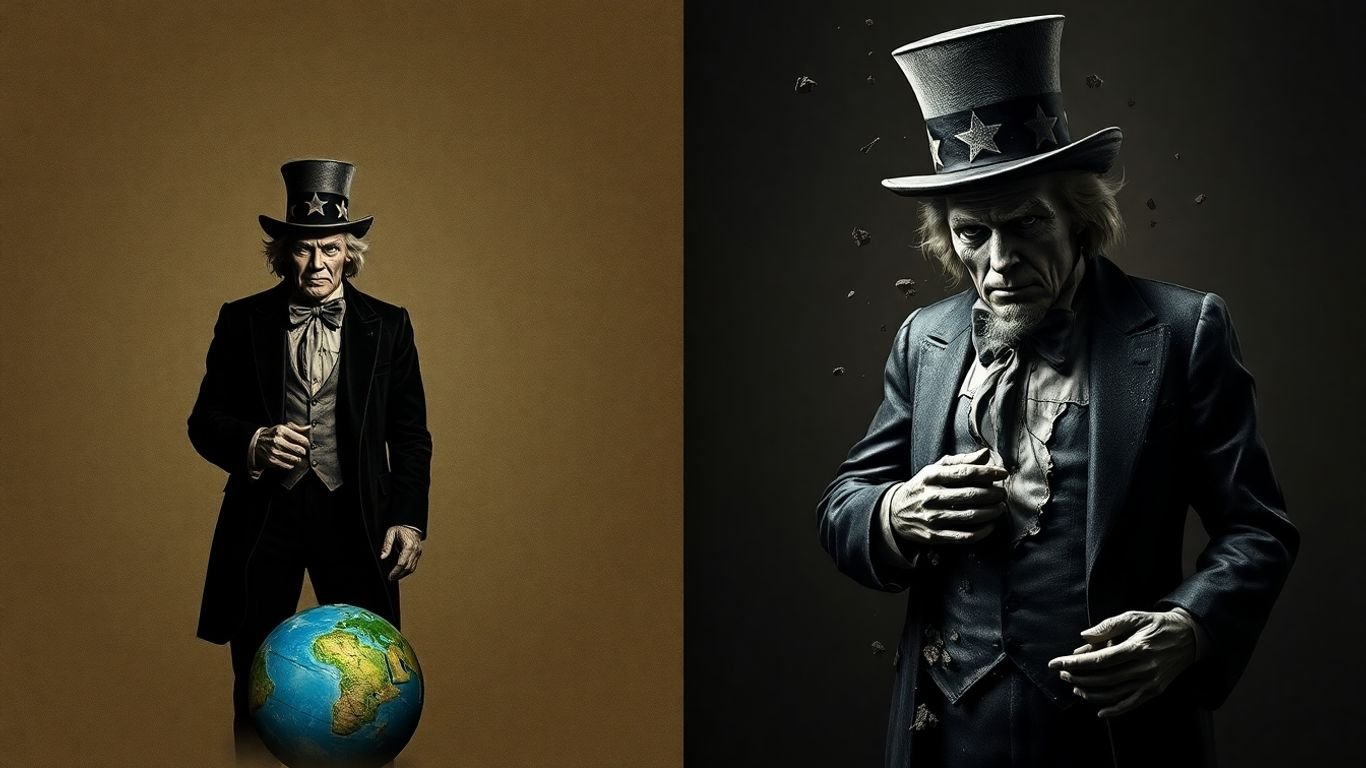
For a long time, the United States seemed to have a pretty clear playbook for dealing with the rest of the world. It involved stirring things up in other places, often with the idea of keeping rivals in check or pushing its own agenda. The thinking was that America itself would stay out of the mess. But lately, it looks like that whole strategy is starting to backfire in a big way, and the problems it created elsewhere are now showing up right at home. It’s a strange twist, seeing the architect of global instability struggle to manage its own affairs.
Key Takeaways
- The US strategy of creating instability abroad to maintain its own security is now facing a major setback, with those tactics increasingly impacting the US itself.
- Decades of interventions and attempts to manage global chaos have weakened America’s standing and drained its influence, rather than strengthening it.
- US foreign policy appears to be shifting from a coherent strategy to reactive measures, often driven by domestic politics rather than clear international goals.
- The global order is changing, with new power centers emerging and a growing trend away from reliance on US leadership and stability.
- The US now faces new security threats, including unpredictable clandestine dangers and internal divisions, making traditional methods of deterrence less effective.
The US Strategy Of Exported Chaos Backfires
Destabilizing Rivals, Now Destabilizing The US
For years, it seems, the United States got pretty good at stirring up trouble overseas. The idea was simple enough: keep rivals busy fighting each other, and America stays on top. It was like a global game of chess, but with real countries and real consequences. We’d poke here, prod there, and generally keep things unstable enough that no one else could get too powerful. It worked, for a while. The thinking was that this chaos stayed over there, and back home, things remained calm and orderly. But guess what? That whole plan seems to have backfired, big time.
The Illusion Of Controlled Disorder Collapses
That whole notion of ‘controlled disorder’ was always a bit of a stretch, wasn’t it? It’s like trying to juggle chainsaws – sure, you might look cool for a bit, but eventually, something’s going to fall. We’ve seen this play out in places like the Middle East, where our interventions have left a mess that’s hard to clean up.
Now, that same messy energy is showing up right here at home. Look at the political scene; it’s gotten pretty wild, mirroring the kind of instability we used to export. It’s almost like we taught everyone else how to be disruptive, and now our own citizens have picked up the habit. The strategy of sowing chaos abroad has finally come home to roost.
From Middle East To Main Street: Upheaval At Home
It’s a strange thing to witness. The same kind of political upheaval that once defined conflicts in places far away is now playing out on American streets and in our own political debates. We used to think we could manage these situations from a distance, but it turns out that’s not really possible.
The constant meddling, the interventions, the attempts to shape other countries’ futures – it all has a ripple effect. And that ripple is now hitting our own shores. It’s a stark reminder that you can’t just keep pushing problems onto others indefinitely. Eventually, those problems find their way back, and sometimes they look a lot like the ones we’re dealing with right now. It makes you wonder if all those foreign policy decisions were really worth it, especially when you see the impact of tariffs on our own economy.
America’s Global Influence Erodes
It’s becoming pretty clear that all those years of meddling overseas are starting to catch up with us. We thought we were so clever, stirring the pot in other countries to keep them in line, but it turns out that kind of chaos has a way of coming home. Remember all those grand plans to destabilize rivals? Well, they haven’t exactly made us safer. In fact, it feels like our own authority is just… draining away. We’ve spent so much treasure and blood on interventions that didn’t pan out, and now, nobody really listens to us like they used to.
Failed Interventions Drain Authority
Look at places like Afghanistan and Iraq. We poured in resources, tried to reshape entire societies, and what do we have to show for it? Not much, honestly. These operations, meant to project strength, have actually just chipped away at our standing in the world. It’s like trying to build a house on sand; it just crumbles.
Allies Pursue Independence, Clashing Interests
Our supposed allies aren’t exactly falling in line anymore. Countries we counted on, like Turkey and Israel, are now doing their own thing, often in ways that don’t help us at all. They used to be pieces on our chessboard, but now they’re playing their own games. Turkey, under Erdogan, is making moves across the Middle East, and Israel is charting its own course too. It’s getting messy, and frankly, we don’t seem to have the grip we once did. This loss of control over our own alliances is a serious problem.
Loss Of Control Over Regional Dynamics
It’s not just our allies acting out. The whole global picture is shifting. We used to be the ones imposing order, or at least the appearance of it. Now? It feels more like we’re just reacting, scrambling to keep up. The idea that we can just dictate terms and have everyone fall in line is looking pretty outdated. The world is becoming a lot less predictable, and we’re not the ones holding all the strings anymore. It’s a tough pill to swallow, but maybe it’s time we faced the reality that our global leadership is fading. This situation is making the world more vulnerable to a future financial crisis, as the US steps back from its global leadership role.
The habit of exporting instability, once a hallmark of American foreign policy, has clearly backfired. The very chaos we sought to manage abroad is now a significant factor in our domestic challenges and the erosion of our international standing.
The US Foreign Policy Of Improvisation
No Coherent Strategy, Only Domestic Theater
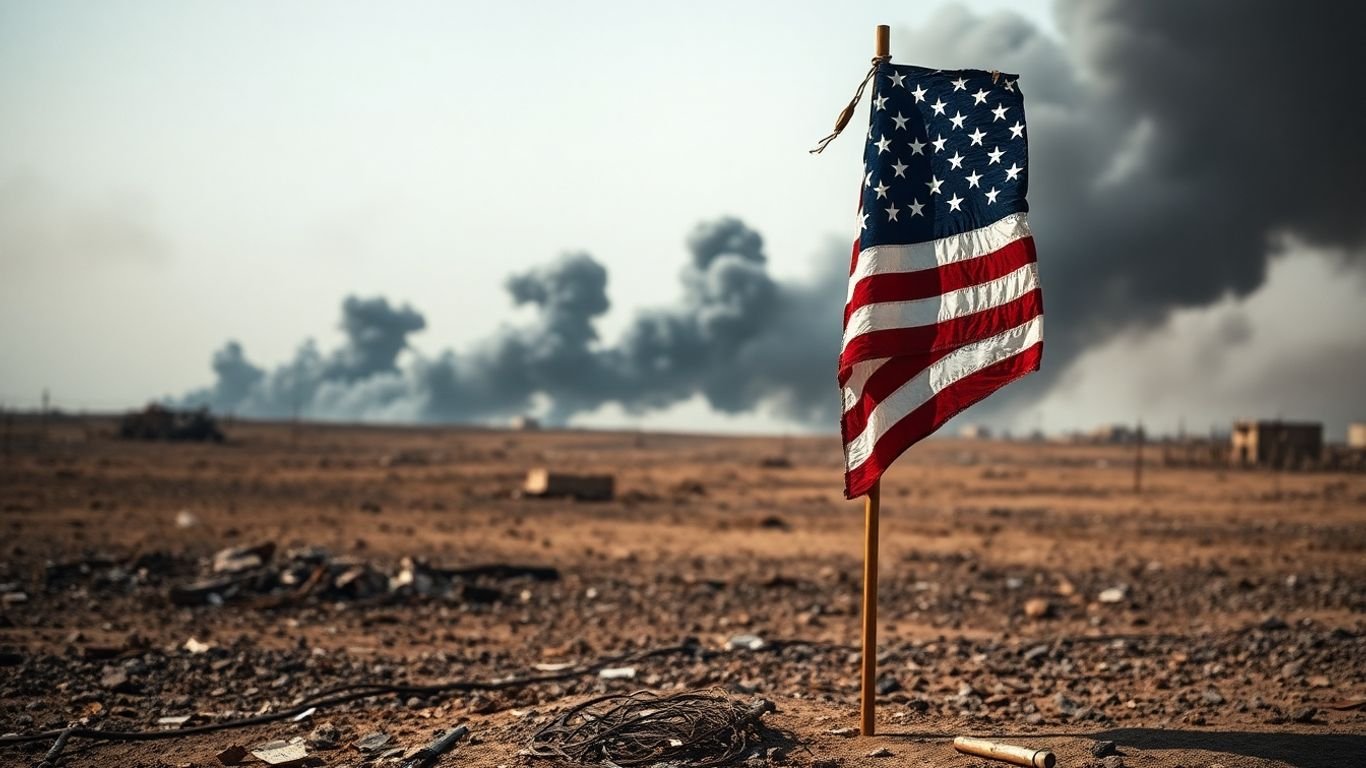
It’s becoming pretty clear that what passes for American foreign policy these days isn’t exactly a master plan. More like a series of knee-jerk reactions, really. The whole approach seems to be less about long-term goals and more about putting on a show for folks back home. You see it in the sudden shifts, the grand pronouncements that evaporate just as quickly. It’s like watching a reality TV show, but with global consequences. This isn’t about strategy; it’s about managing domestic optics. The Trump administration’s foreign policy was a prime example, all about disruption and making noise, but where did it actually lead?
Confusion Dictates Actions Abroad
When you don’t have a real strategy, confusion is bound to follow. We’ve seen it time and again. One minute we’re pushing one agenda, the next we’re doing a complete 180. Take the Middle East, for instance. For years, the idea was to keep rivals in check by stirring up trouble, a sort of controlled chaos. But that system is falling apart. Allies like Turkey and Israel are doing their own thing now, often in ways that don’t help us at all. It’s like trying to herd cats, and frankly, we’re losing control. The whole approach feels reactive, not proactive. It’s a mess.
The US No Longer Imposes Order
Remember when America was the one calling the shots, the indispensable nation? Those days seem to be fading. The interventions we’ve pushed, from Afghanistan to Iraq, haven’t exactly boosted our standing. They’ve drained our resources and our credibility. Now, other powers are stepping up, and the world is looking less and less to us to sort things out. We’re not the sole architects of global stability anymore. It’s a tough pill to swallow, but the era of American dominance, at least in the way we used to understand it, is changing. The old playbook just isn’t working like it used to.
The Shifting Global Landscape
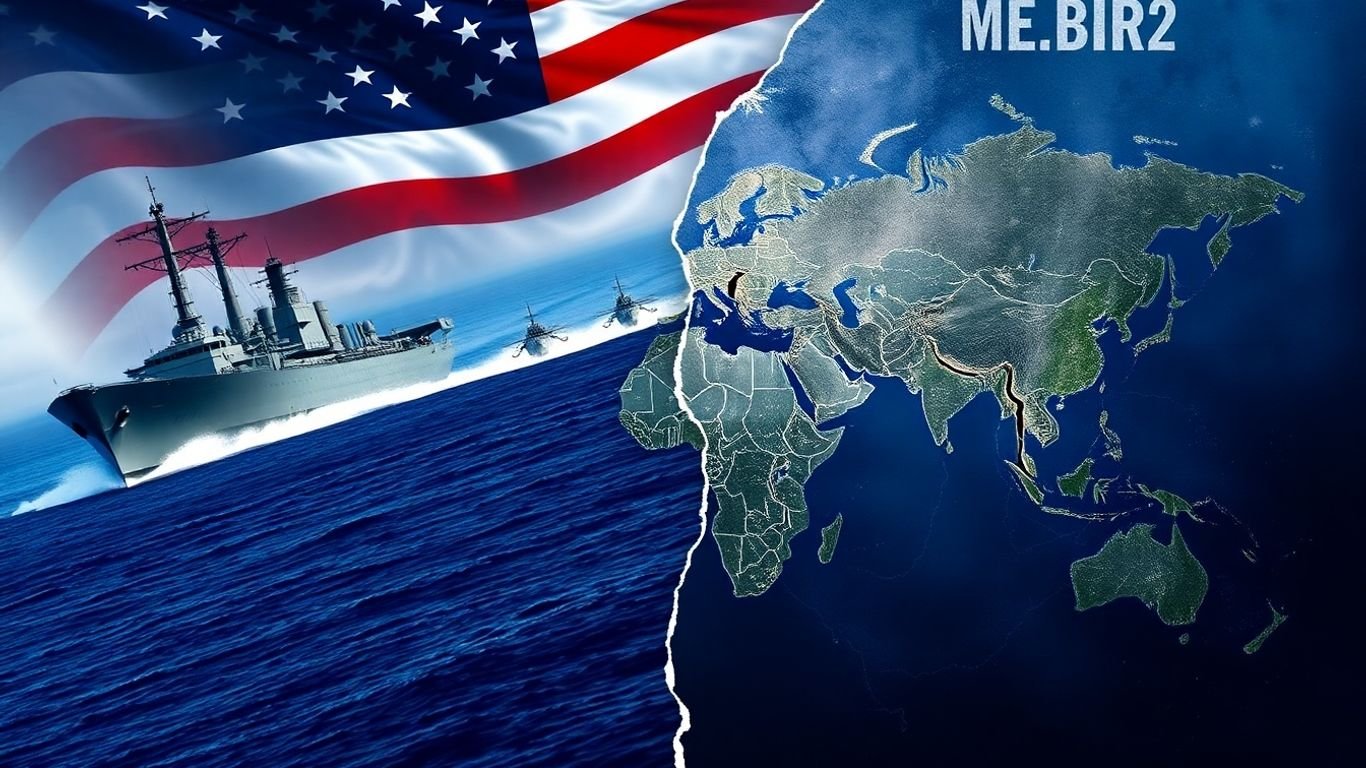
It feels like the world order we’ve known is really changing, doesn’t it? For a long time, America was the big player, the one everyone looked to. But now, things are different. We’re seeing new powers rise up, especially in places like Eurasia. It’s like the whole map is being redrawn, and not in a way that necessarily benefits us.
Eurasia Rises As A New Power Center
Look at Eurasia. It’s not just one country anymore; it’s becoming a hub for a lot of economic and political activity. Countries there are working together, building their own networks, and frankly, they don’t seem to need Uncle Sam calling the shots quite as much. This isn’t just about economics, either. It’s about influence, about setting agendas, and about creating a different kind of global conversation. This shift means the old ways of doing things just won’t cut it anymore.
The Decline Of US Hegemony
We used to be the undisputed leader, the one everyone followed. Now, that dominance is fading. It’s not a sudden collapse, but a slow erosion. Other nations are finding their own voices, making their own deals, and charting their own courses. This isn’t necessarily a bad thing for them, but it definitely changes our role on the world stage. We’re seeing less of a unipolar world and more of a multipolar one, where power is spread out.
A World Less Reliant On US Stability
Think about it: countries used to depend on us for stability, for security, for economic direction. Now, they’re building their own systems, their own alliances. They’re looking inward and regionally, rather than always looking to Washington. This is partly because of our own foreign policy choices, which have sometimes created more problems than they’ve solved.
It’s also because other regions are developing their own capacity to manage their affairs. We’re seeing energy infrastructure, like power plants in Ukraine, become targets, which shows how fragile things can be and how interconnected global stability really is attacks on Ukraine’s power plant. It’s a complex picture, and frankly, it’s a bit unsettling to see the world moving on without us being the central piece.
The Unintended Consequences Of US Actions
The Seeds Of Instability Sown Abroad
For years, it seems, the folks in Washington got really good at stirring up trouble overseas. They’d poke and prod, destabilize this region or that, all while thinking they had it under control. It was like playing with fire, but they figured they were far enough away to avoid getting burned. They thought they were just weakening rivals, keeping things in check. But turns out, that kind of chaos doesn’t just stay put. It has a way of spreading, like a bad cold.
We saw it in the Middle East, in Latin America, all over the place. The idea was to keep smaller countries from teaming up and to keep big players like Russia and China busy with their own messes. It was supposed to make everyone need American stability, and of course, make a buck doing it. But those interventions, from Afghanistan to Iraq, didn’t exactly make America look stronger. They just drained its authority and goodwill.
The US Becomes A Victim Of Its Own Tactics
It’s a bit like a boomerang, isn’t it? You throw it out there with all your might, expecting it to land somewhere specific, and then, bam, it comes right back and hits you. That’s what’s happening now. The same kind of upheaval that Washington used to export is now showing up right here at home. Look at how polarized things are, how divided everyone seems. It mirrors the instability they helped create elsewhere.
It’s like a bad habit that the people in charge can’t seem to break, and now it’s affecting everyone. Even allies that used to follow the US lead are starting to do their own thing, pursuing their own interests, even when they don’t line up with American goals. Countries like Turkey and Israel, once key players in the US strategy, are now acting with a lot more independence. It’s a real mess when your supposed partners start going in different directions.
A Reckless Habit Turns Inward
This whole approach of creating disorder, it’s become a reflex. And like any bad habit, it’s hard to stop. The problem is, this isn’t just about foreign policy anymore. It’s bleeding into our own country. We’re seeing the consequences play out in ways nobody really predicted. The constant meddling and interventions, which were supposed to keep America safe and strong, have actually made things more complicated. It’s like trying to fix a leaky faucet by smashing the whole sink.
The strategy of ‘exporting chaos’ was supposed to be controlled, but it seems the control is gone. Now, instead of imposing order, the US is struggling to deal with the fallout. It’s a tough pill to swallow when the tactics you used to keep others in line start causing problems at home. This whole situation is a stark reminder that actions have consequences, and sometimes those consequences are completely unexpected, especially when you’re dealing with global tensions.
Here’s a look at how things have shifted:
- Destabilization Abroad: Decades of interventions have weakened rivals but also created power vacuums.
- Domestic Echoes: Political polarization and social unrest at home mirror the chaos exported.
- Eroding Alliances: Traditional allies are asserting independence, complicating US foreign policy.
- Loss of Control: The US struggles to manage regional dynamics it once influenced heavily.
It’s becoming clear that the old playbook isn’t working anymore. The world is changing, and America’s role in it is being redefined, whether Washington likes it or not.
The US And The New Security Dangers
Unmanageable Clandestine Threats
It’s getting harder and harder to keep track of who’s doing what these days. The old ways of thinking about security, where you knew who your enemy was and could see their tanks coming, just don’t cut it anymore. Now, we’re dealing with threats that pop up out of nowhere, from small groups with big, bad ideas.
The global economy, believe it or not, makes it easier for these folks to get their hands on dangerous tech. We saw hints of this with past terrorist events, but it’s a much bigger problem now. The real danger isn’t a big army marching across a border; it’s a hidden threat from a source you can’t even find. It’s like trying to catch smoke. This is a far cry from the days when you could just point to a country and say, ‘They’re the problem.’
Radical Internal Disintegration
We’ve seen it happen in places like Bosnia and Somalia, where countries just fall apart from the inside. It’s messy, it’s unpredictable, and frankly, our military isn’t really set up to handle that kind of chaos. Trying to sort out internal messes in other countries has a way of spilling over, and now it looks like we’re facing similar issues right here at home. The kind of instability we used to export is now a domestic problem. It’s a tough pill to swallow, but the interventions abroad haven’t exactly made us safer. In fact, they seem to have drained our authority and made us less respected. It’s a real mess when you can’t even keep your own house in order.
Traditional Deterrence Is Obsolete
Remember when we used to think we could scare other countries straight with our big weapons? Yeah, that’s not really working anymore. The whole idea of deterrence, where you threaten someone to stop them from doing something bad, is getting pretty outdated. It’s hard to deter someone when you don’t know who they are or where they’re coming from.
The world is changing fast, and our old security playbook needs a serious update. We need new ways of thinking about safety, because the old methods just aren’t cutting it. It’s like trying to use a flip phone to access the internet today – it’s just not built for the job. We need to rethink our approach to security before things get even more complicated.
A Bitter Harvest
So, here we are. For years, Washington played a game of global chess, moving pieces around to stir up trouble here, calm things down there, all while thinking they were untouchable. They exported chaos, thinking it would never come back to bite them. But look around now. The same kind of mess they made overseas is showing up right here at home. It’s like planting weeds and then being surprised when your own garden is overgrown.
The world is changing, and the old playbook of messing with others to stay on top? It’s not working anymore. We’re seeing allies go their own way, and problems we thought we controlled are now our own. It’s a tough lesson, but maybe, just maybe, it’s the wake-up call we needed to stop playing with fire and focus on fixing what’s broken right here in our own house.
Frequently Asked Questions
What does it mean that the US strategy of ‘exporting chaos’ is backfiring?
It means that the US used to try and create problems or instability in other countries to keep them weak or distracted. But now, the problems and chaos that were created elsewhere are starting to affect the US itself, like causing political unrest or making things unstable at home.
How has the US lost global influence?
The US has spent a lot of money and effort on military actions in places like the Middle East, but these actions haven’t really made the US stronger. Instead, they’ve weakened its authority. Also, countries that used to follow the US are now making their own decisions, even if it goes against what the US wants.
Why is US foreign policy described as ‘improvisation’?
This suggests that the US doesn’t have a clear, long-term plan for how it deals with other countries. Instead, its actions seem to be made up as it goes along, maybe to look good to people in the US, rather than being part of a well-thought-out strategy. It’s like they’re just reacting to things instead of leading.
What is the ‘Shifting Global Landscape’ mentioned?
This refers to how the world is changing. Places like Europe and Asia are becoming more powerful, and countries don’t rely on the US as much as they used to. The US isn’t the only major player on the world stage anymore; other regions are rising up.
What are some ‘unintended consequences’ of US actions?
When the US caused problems in other countries, it didn’t expect those problems to eventually come back and hurt the US. It’s like planting seeds of trouble abroad that eventually grow and affect the US itself. The risky actions the US took overseas are now causing issues at home.
What are the ‘New Security Dangers’ facing the US?
These are new kinds of threats that are hard to deal with. They include hidden dangers that are difficult to track down and problems that cause big divisions within the US itself. Old ways of protecting the country, like threatening enemies, don’t work as well against these new, unpredictable dangers.