Top U.S. Commander Makes Surprise Visit to Venezuela
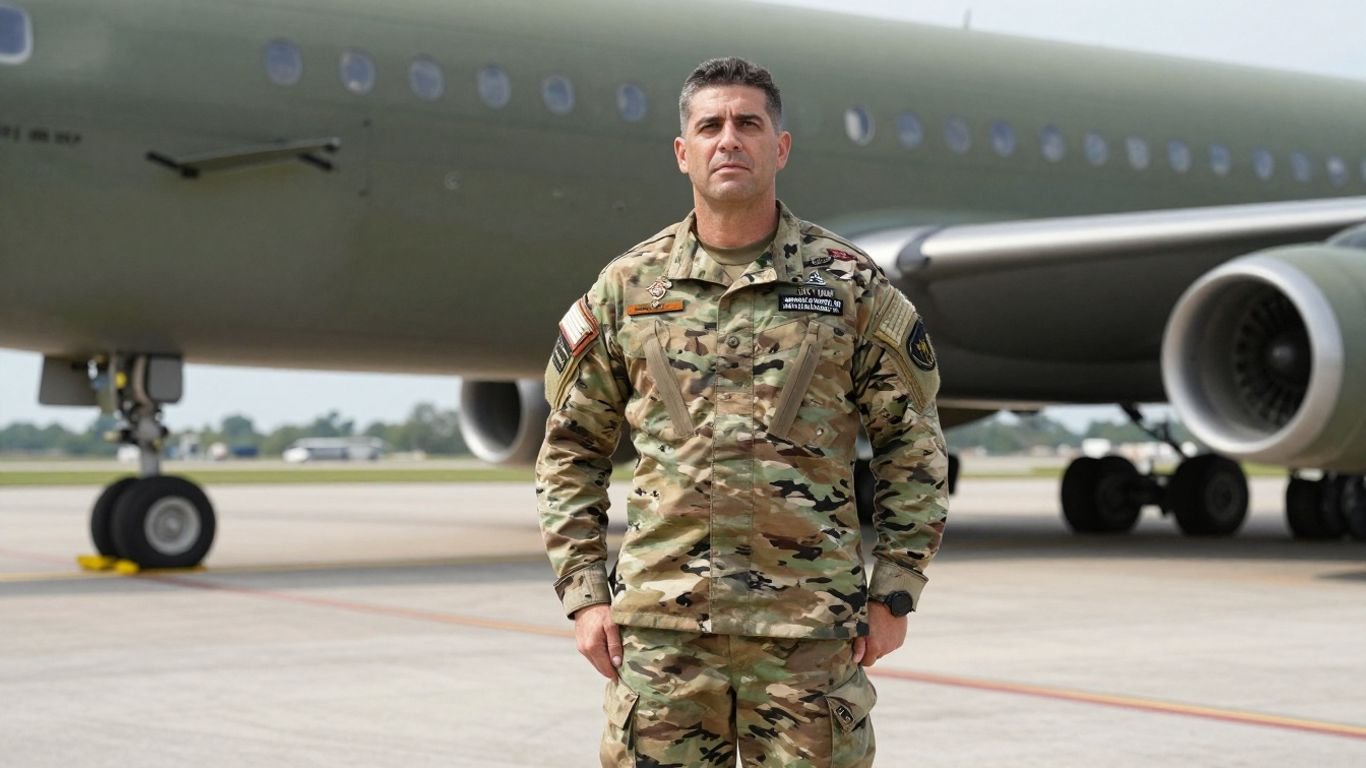
General Francis Donovan, the top U.S. commander overseeing forces in Latin America, along with a senior Pentagon official, conducted a surprise visit to Venezuela on Wednesday. The unannounced trip underscores the evolving dynamics and potential shifts in U.S. engagement within the region, though specific details of the discussions remain undisclosed.
Key Takeaways
- A high-ranking U.S. military official made an unexpected visit to Venezuela.
- The visit involved General Francis Donovan and another Pentagon official.
- The purpose and outcomes of the meeting have not been publicly detailed.
Diplomatic Maneuvers Amid Regional Tensions
The unannounced arrival of General Francis Donovan, who leads U.S. Southern Command (SOUTHCOM), and a senior Pentagon official in Venezuela marks a significant development. While the U.S. official confirmed the visit to Reuters, no further information regarding the agenda or the specific individuals met with in Venezuela was immediately available. Such high-level visits often signal efforts to engage on critical security, diplomatic, or regional stability issues.
Context of U.S.-Venezuela Relations
Relations between the United States and Venezuela have been complex and often strained for years, marked by sanctions and diplomatic disputes. However, recent geopolitical shifts have prompted a re-evaluation of engagement strategies by various global powers, including the U.S., in Latin America. This visit could indicate a renewed effort to foster dialogue or address specific concerns directly with Venezuelan authorities.
Implications for Regional Security
General Donovan’s role at SOUTHCOM involves overseeing U.S. military operations and security cooperation across Central and South America, as well as the Caribbean. His presence in Venezuela, even for a brief, unannounced visit, suggests a focus on understanding or influencing the security landscape in a country that plays a pivotal role in regional dynamics. The outcomes of such interactions can have ripple effects on broader U.S. foreign policy objectives in the hemisphere.


![[Kurt Volker] resigns as Trump Ukraine envoy in January.](https://countrybrief.com/wp-content/uploads/2025/11/thumbnail-145-768x432.jpeg)