
Trump Administration May Resort to QE Amidst Soaring National Debt, Analyst Warns
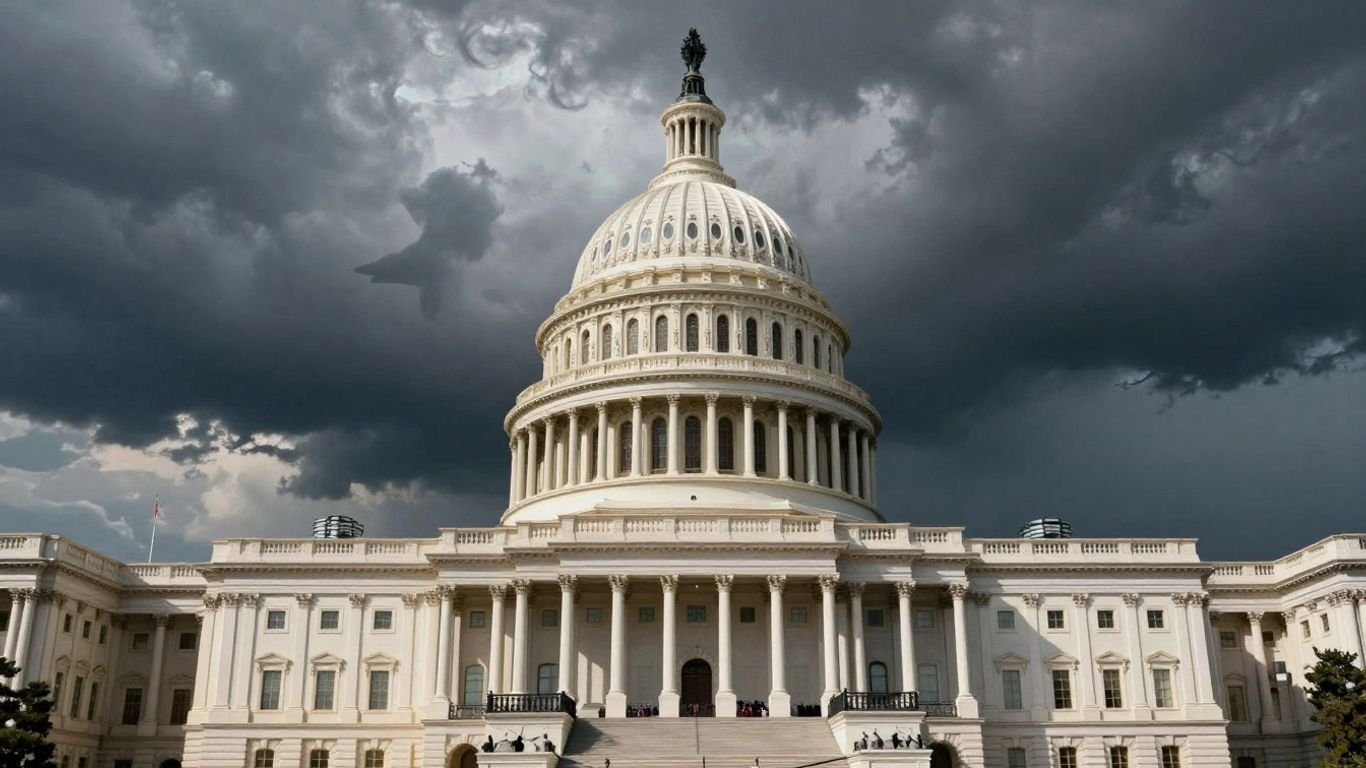
Concerns are mounting over the escalating US national debt, with projections indicating a $1 trillion increase in the next 100 days. This fiscal pressure, according to analyst Hartnett, could force the Trump administration to implement quantitative easing (QE) to support the bond market and shield the Federal Reserve Chair from market tests.
Key Takeaways
- The US national debt is projected to rise by $1 trillion in the next 100 days.
- This fiscal pressure may necessitate quantitative easing (QE) by the Trump administration.
- QE would aim to maintain demand for bonds and stabilize markets.
The Looming Debt Crisis
The rapid accumulation of national debt presents a significant challenge to the US economy. Hartnett’s analysis suggests that the sheer scale of this debt growth could destabilize bond markets, which are crucial for government financing. The administration might find itself compelled to intervene through QE, a monetary policy tool where a central bank purchases longer-term securities to inject liquidity into the economy.
Quantitative Easing as a Potential Solution
Quantitative easing, often employed during economic downturns, involves the central bank buying government bonds and other securities. In this scenario, the Trump administration, or potentially the Federal Reserve under its influence, might engage in QE to create artificial demand for US Treasury bonds. This would help keep bond yields from rising too sharply, thereby reducing the government’s borrowing costs and preventing market panic.
Market Stability and the Fed Chair
Hartnett’s statement implies that the administration’s actions would be partly aimed at protecting the newly appointed Fed Chair from facing immediate market volatility. By ensuring a stable bid for bonds, the government could prevent markets from aggressively testing the resolve and policies of the Federal Reserve’s leadership. This proactive measure, though unconventional in the context of a non-recessionary environment, could be seen as a necessary step to maintain financial order.






One Comment