Trump Blocks Iran Ceasefire Talks Amidst Escalating Regional Tensions
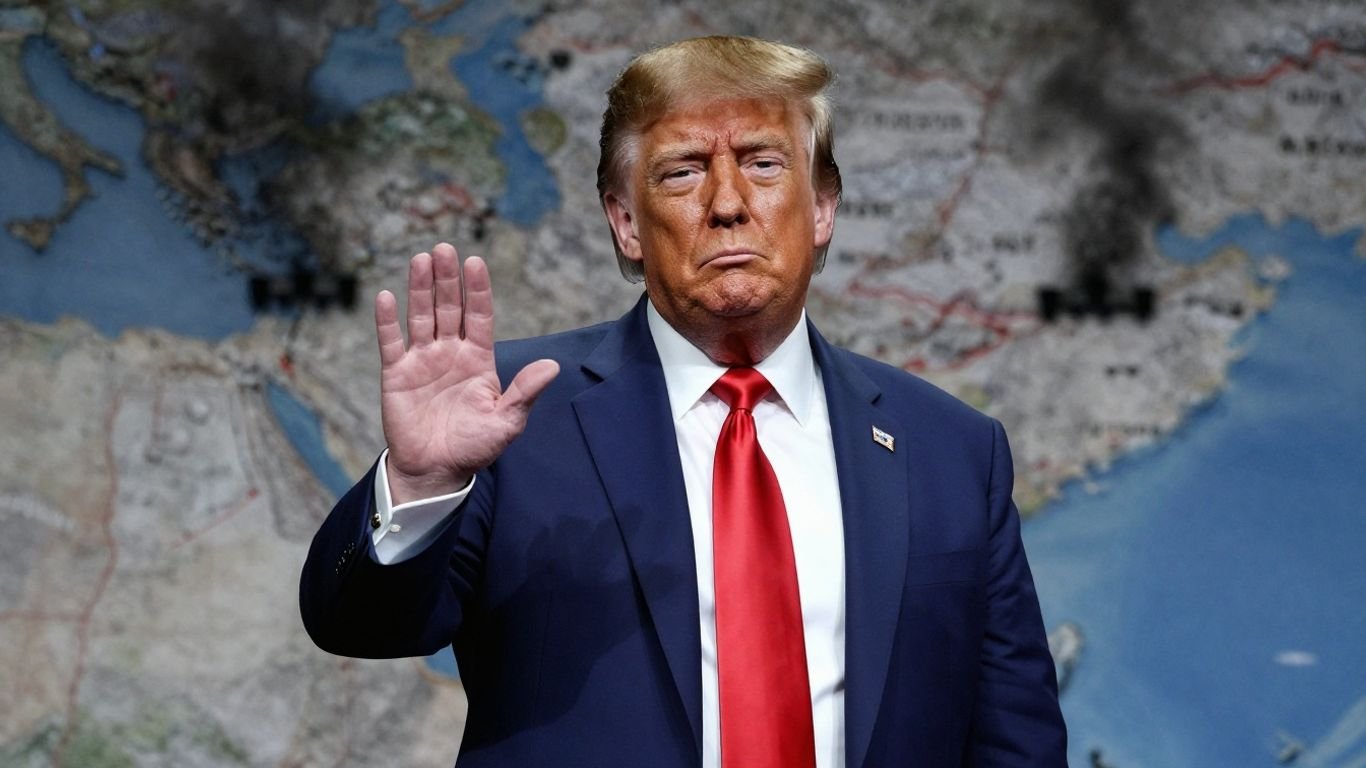
Former President Donald Trump has reportedly rejected attempts to initiate ceasefire talks with Iran, according to sources familiar with the matter. This decision comes at a critical juncture as regional conflicts intensify, with Iran asserting its stance against any truce until U.S. and Israeli actions cease. The move signals a potential hardening of U.S. foreign policy under Trump’s influence, even outside of official office.
Key Takeaways
- Donald Trump has reportedly vetoed efforts to establish a ceasefire with Iran.
- Iran has declared it will not agree to a ceasefire without an end to U.S. and Israeli military actions.
- The former president’s alleged intervention highlights his continued impact on foreign policy discussions.
Background to the Standoff
The situation remains highly volatile, with ongoing military operations and diplomatic efforts seemingly at an impasse. Iran’s position, as stated, is unequivocal: a cessation of hostilities is contingent upon the withdrawal of U.S. and Israeli forces and an end to their strikes. This demand places significant pressure on international mediators attempting to de-escalate the conflict.
Trump’s Alleged Influence
Sources indicate that Trump’s intervention was decisive in halting potential diplomatic overtures. While the specifics of these efforts remain undisclosed, the report suggests that Trump’s stance has effectively shut down avenues for negotiation aimed at achieving a ceasefire. This alleged influence underscores the significant role Trump continues to play in shaping Republican foreign policy positions and potentially impacting future U.S. engagement in the region.
Regional Implications
The rejection of ceasefire talks could have far-reaching consequences for the already strained geopolitical landscape. Without a diplomatic off-ramp, the risk of further escalation and prolonged conflict increases. International observers are closely monitoring the situation, concerned about the humanitarian impact and the broader stability of the Middle East. The stance taken by Trump, if confirmed, could signal a more confrontational approach to Iran, potentially aligning with hardline factions within the region and the U.S.
Iran’s Unwavering Position
Iran has consistently maintained that its actions are defensive and a response to perceived aggression. The condition set forth by Tehran for a ceasefire—the end of U.S. and Israeli strikes—is a non-negotiable demand, according to their official statements. This firm position, coupled with Trump’s reported rejection of talks, creates a challenging environment for any peace initiatives.