Trump brushes off Hungarian PM’s plea
![[Trump] dismisses [Orbán]'s plea in a photographic image.](https://countrybrief.com/wp-content/uploads/2025/11/thumbnail-29.jpeg)
So, Hungary’s Prime Minister Viktor Orban went to Washington hoping President Trump would ease up on sanctions against Russian oil companies. Orban really needs this because Hungary relies heavily on that Russian oil, and he’s worried about his country’s economy if they can’t get it. He’s a friend of Trump’s, and they’ve worked together before, but it looks like Trump isn’t budging on this one. This whole situation is part of bigger international talks about sanctions and how countries get their energy.
Key Takeaways
- US President Trump said Hungary won’t get special treatment regarding sanctions on Russian oil, despite Prime Minister Orban’s request.
- Hungary’s Prime Minister Orban visited Washington to ask for an exemption from US sanctions on Russian energy firms, citing energy security needs.
- Orban expressed concerns that cutting off Russian oil could lead to an economic crisis in Hungary, a landlocked nation with few alternatives.
- The US sanctions on Russian energy companies are linked to the ongoing peace process in Ukraine.
- Hungary is also facing pressure from the EU to reduce its reliance on Russian energy imports.
US President Rejects Hungary’s Oil Sanction Plea
No Special Treatment For Budapest
Looks like Hungary won’t be getting a special pass on the new sanctions. The US President made it pretty clear that Budapest isn’t going to be exempt from sanctions on Russian oil. This comes after Prime Minister Viktor Orbán made a direct plea during his recent visit to Washington.
Trump Dismisses Orbán’s Request
During a recent trip, Prime Minister Orbán tried to get the US President to agree to let Hungary off the hook regarding sanctions on Russian energy companies. He was hoping for some relief, especially since Hungary relies heavily on these supplies. However, when asked about it, the President stated plainly that Orbán had asked for an exemption, but it hasn’t been granted. He mentioned Orbán is a friend, but didn’t offer any special favors.
Sanctions On Russian Energy Companies
The US recently put sanctions on a couple of Russian energy firms. The official reason given was a lack of progress in the Ukraine peace process. This move has put countries like Hungary in a tough spot, as they depend on these companies for their energy needs. It’s a complicated situation, with Hungary arguing that as a landlocked nation, it doesn’t have many other options for oil.
Here’s a quick look at the situation:
- Hungary’s Request: To be exempt from sanctions on Russian oil.
- US Response: No exemption granted.
- Reason for Sanctions: Alleged lack of commitment to the Ukraine peace process by Russia.
The energy situation for landlocked countries can be particularly challenging. Finding alternative sources when you’re dependent on specific pipelines or import routes is not a simple task. It often involves significant infrastructure changes and long-term contracts, which aren’t easy to secure quickly.
This whole situation highlights the tricky balance between international policy and the day-to-day energy security needs of individual nations. The Trump Orbán meeting didn’t result in the outcome Hungary was hoping for on this specific issue.
Hungary’s Energy Security Concerns
Hungary’s whole energy setup is pretty much tied to Russia. It’s not like they can just flip a switch and get oil from somewhere else. Being a landlocked country makes things even trickier, as you can imagine. They’ve been getting a lot of their oil and gas from Russia for ages, and changing that isn’t easy or cheap.
Reliance On Russian Oil And Gas
This isn’t a new thing. Hungary has relied on Russian energy for a long time. It’s been the main source for their heating, electricity, and industries. Think about it, most of the oil and gas pipelines in Europe run through or originate from Russia. So, when sanctions come into play, it really hits home for countries like Hungary.
Economic Crisis Fears
Prime Minister Orban has been pretty clear about this: messing with their Russian energy supply could lead to a real economic mess. We’re talking about higher prices for everything, businesses struggling, and just general economic instability. It’s a big worry for any government, and Hungary is no exception.
Landlocked Nation’s Dilemma
This is a big part of the problem. Unlike countries with coastlines that can easily import oil via tankers, Hungary has to rely on pipelines. And most of those pipelines, for oil and gas, come from Russia. So, when the US puts sanctions on Russian energy companies, Hungary is in a tough spot. They’ve asked for exemptions, basically saying, ‘Hey, we can’t just stop getting our energy overnight.’
The situation highlights how deeply intertwined energy supplies can be, and how sanctions, while aimed at one country, can have ripple effects on others, especially those with limited alternatives.
Here’s a quick look at why it’s so complicated:
- Pipeline Dependency: Most of Hungary’s energy arrives via pipelines, primarily from Russia.
- Limited Alternatives: As a landlocked nation, importing oil and gas through other means is difficult and expensive.
- Economic Impact: Sudden changes to energy sources could trigger significant price hikes and economic disruption.
- EU Pressure: Hungary is also facing pressure from the European Union to reduce its overall reliance on Russian energy, adding another layer of complexity to their energy strategy.
Diplomatic Efforts Between USA And Hungary
Orban’s Visit To Washington
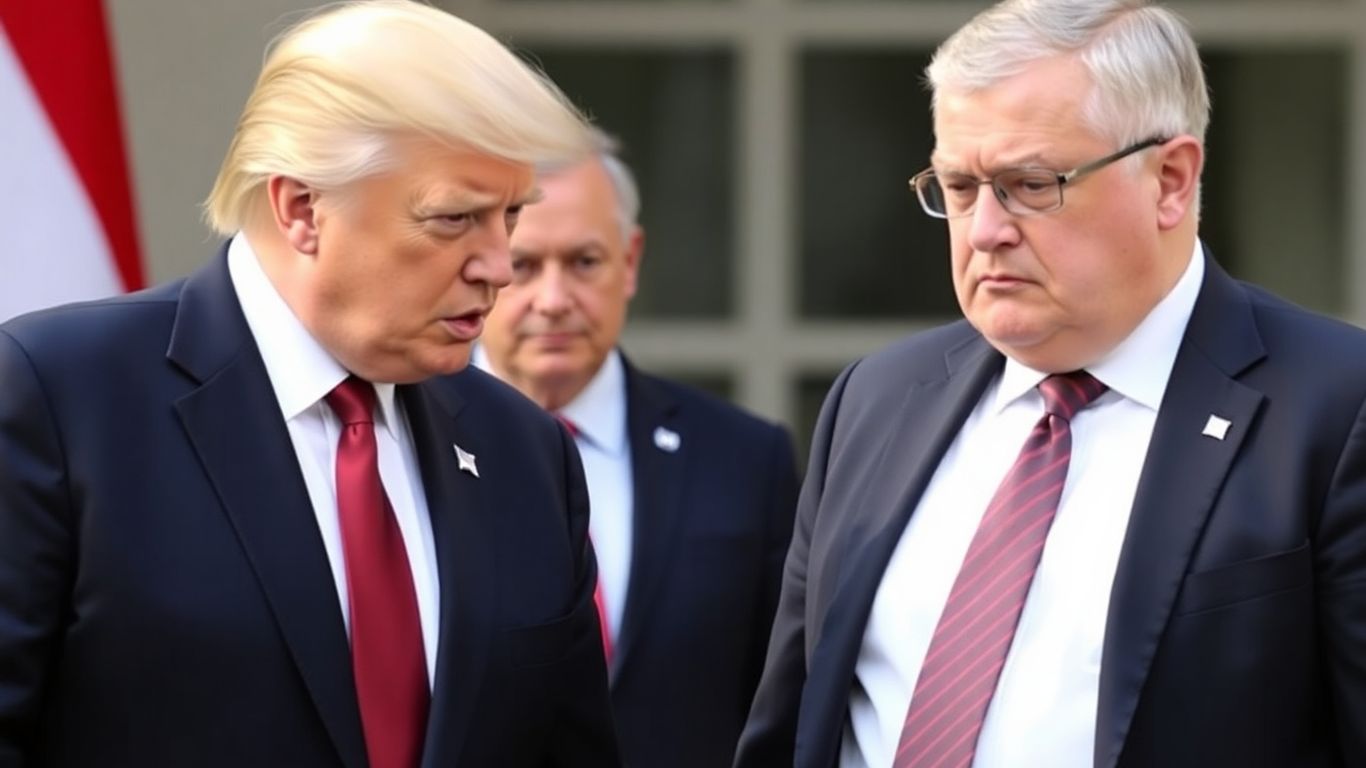
Hungarian Prime Minister Viktor Orbán made a trip to Washington recently, hoping to hash out some important details with US leadership. The main goal? To get an exemption for Hungary from the new US sanctions targeting Russian oil companies. Orbán brought a pretty big crew with him – ministers, economic folks, and security advisors – all aiming to finalize an economic cooperation package. However, any deal hinges on Hungary’s continued access to Russian energy sources. This visit highlights the complex political ties between US and Hungary, especially given Hungary’s unique energy situation.
Economic Cooperation Package
During the Hungarian prime minister visit, discussions revolved around a potential economic cooperation package. This package was meant to strengthen the US Hungary relations. Yet, the sticking point remained energy. Hungary, being a landlocked nation, has a tough time finding alternatives to Russian oil and gas. They’ve made it clear that without this supply, they could face a serious economic crisis. It’s a delicate balance, trying to align with US foreign policy Hungary while safeguarding their own economic stability.
Key Trump Ally In The EU
Orbán has often been seen as a key Trump ally within the European Union. He’s visited the US before, even supporting Trump’s past campaigns. This relationship adds another layer to the diplomatic efforts. While Trump acknowledged Orbán as a friend, he was pretty clear that special treatment regarding the sanctions wasn’t on the table. This situation really shows the push and pull in international diplomacy, where alliances meet national interests.
The US blacklisted Russian energy firms, citing concerns about Moscow’s commitment to the Ukraine peace process. Hungary, however, views Russian oil and gas as vital for its energy security, creating a significant point of contention in their discussions with the US.
Here’s a quick look at the key points from the visit:
- Sanction Exemption Request: Orbán formally asked for Hungary to be excluded from the new US sanctions on Russian oil.
- Economic Package: Discussions included a broader economic cooperation agreement between the two nations.
- Energy Security: Hungary emphasized its heavy reliance on Russian energy and the potential economic fallout if that supply is cut off.
- US Stance: President Trump indicated that no exemption had been granted, despite acknowledging his friendly relationship with the Hungarian leader. Hungary’s plea was not immediately successful.
Broader Context Of Sanctions
US Blacklisting Of Russian Firms
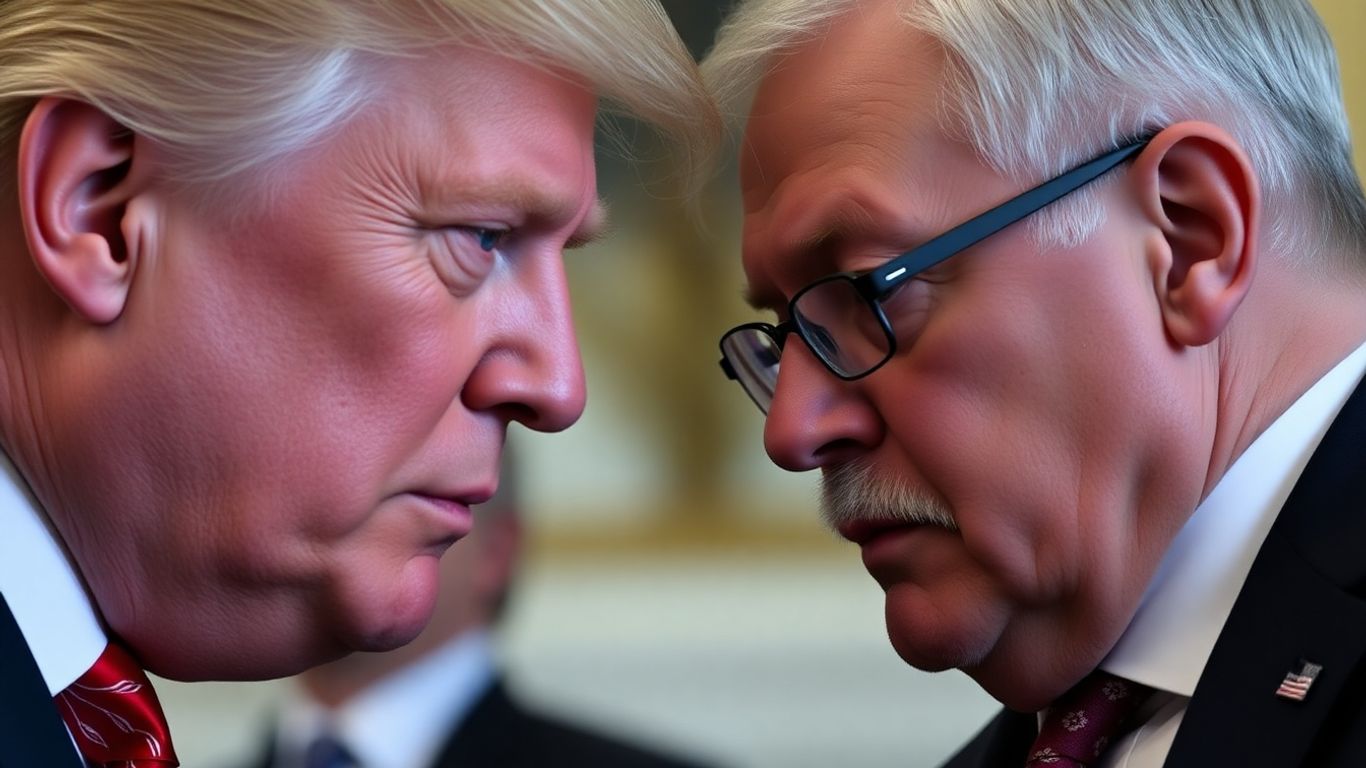
The United States has recently put some Russian energy companies on a blacklist. This move is tied to what the US sees as a lack of progress in peace talks concerning Ukraine. It’s not just a random decision; it’s part of a larger strategy to put pressure on Russia. The companies targeted, like Rosneft and Lukoil, are pretty big players, especially when it comes to supplying oil to parts of Europe. This isn’t the first time the US has used sanctions like this, but it’s definitely a significant one given the energy sector involved.
Ukraine Peace Process
These sanctions are being presented as a way to push Russia towards a more constructive role in finding peace in Ukraine. The idea is that by hitting certain Russian companies, particularly those in the energy sector, Moscow might reconsider its actions and engage more seriously in diplomatic solutions. It’s a tough balancing act, though, because these kinds of measures can have ripple effects far beyond the intended targets. The US is hoping this pressure will encourage a shift in Russia’s approach to the conflict.
EU’s Energy Import Plans
Across the Atlantic, the European Union has its own set of plans regarding Russian energy. They’re working towards phasing out oil and gas imports from Russia, with a target date around 2028. This is a huge undertaking for many EU members who rely heavily on Russian energy. Hungary, for instance, is in a particularly tricky spot as a landlocked nation with limited alternatives. The EU’s move is driven by a mix of political solidarity with Ukraine and a desire for greater energy independence. It creates a complex situation where individual countries like Hungary might seek exemptions or different timelines, even as the bloc as a whole aims to reduce its dependence on Russian fossil fuels.
International Reactions To Sanctions
Russia’s ‘Unfriendly Move’
President Putin himself weighed in, calling the U.S. sanctions on Russian energy companies an "unfriendly move." He suggested, however, that the impact on the economy wouldn’t be all that significant. It’s kind of a tough stance, you know? Like saying, ‘We see what you did, but it won’t really hurt us.’
Impact On Global Economy
Hungary’s plea for an exemption from these sanctions really highlights the complicated situation many countries are in. Prime Minister Orban mentioned he’d be bringing a big group of officials to Washington to talk about economic cooperation, but he made it clear that any deal hinges on Hungary still getting Russian oil and gas. It’s a tricky balance, especially since the EU is planning to cut off Russian energy imports by 2028. This whole situation puts a spotlight on how dependent some nations are on Russian energy and the ripple effects these sanctions can have globally. The U.S. blacklisting of these Russian firms, like Rosneft and Lukoil, is tied to Moscow’s commitment to the Ukraine peace process, or rather, the lack thereof.
Here’s a quick look at the situation:
- Hungary’s energy security is heavily reliant on Russian oil and gas.
- Exemptions from U.S. sanctions are not being granted, despite requests.
- The EU has its own timeline for phasing out Russian energy imports.
The push and pull over energy supplies and sanctions creates a complex web of international relations. Countries are trying to secure their own needs while also navigating global political pressures. It’s a constant negotiation, and sometimes, it feels like everyone is just trying to figure out the next step.
Orban, who has been a supporter of Trump in the past, is trying to find a way to manage this. He’s hoping to persuade President Trump during his visit to Washington to allow Hungary some relief from the sanctions. It’s a big ask, especially when the U.S. seems set on its course. You can read more about Hungary’s position on sanctions on Russian energy.
What’s Next?
So, it looks like Hungary isn’t getting any special treatment when it comes to these oil sanctions. Prime Minister Orban really pushed for an exemption, hoping to ease the pressure on Hungary’s energy needs, especially since they rely heavily on Russian oil. But President Trump made it pretty clear that wasn’t going to happen. Even though Orban is seen as a friend, the US isn’t budging on this one. It’s a tough spot for Hungary, and it shows that even allies have their limits when it comes to international policy. We’ll have to wait and see how this plays out for Hungary’s economy and its relationship with both the US and Russia.
Frequently Asked Questions
Did the US President agree to Hungary’s request about oil sanctions?
No, President Trump said that Hungary’s request for an exemption from oil sanctions was not granted. He mentioned that while Prime Minister Orban is a friend, special treatment wouldn’t be given.
Why did Hungary ask for an exemption from the oil sanctions?
Hungary relies heavily on oil and gas from Russia. Prime Minister Orban explained that as a country with no coast, it’s hard to find other sources, and changing suppliers could cause a major economic problem for the nation.
Who is Viktor Orban?
Viktor Orban is the Prime Minister of Hungary. He has been a supporter of President Trump and visited the US to back his campaign. He also believes Trump is working to help end the conflict between Russia and Ukraine.
What are the sanctions against Russia about?
The US put sanctions on Russian energy companies like Rosneft and Lukoil. They stated this was because Russia wasn’t doing enough to support peace in Ukraine. These companies supply oil to parts of Europe.
What is Hungary’s relationship with Russian energy?
Hungary depends a lot on oil and gas from Russia. They’ve told the US that Russian energy is crucial for their country’s energy needs. This reliance is also a point of discussion within the European Union.
What was the reaction from Russia to the sanctions?
President Putin called the US sanctions an ‘unfriendly move.’ However, he also suggested that these sanctions wouldn’t have a big effect on Russia’s economy.