Trump’s Surprise Nigeria Strike Threat Reshuffles Pentagon Priorities
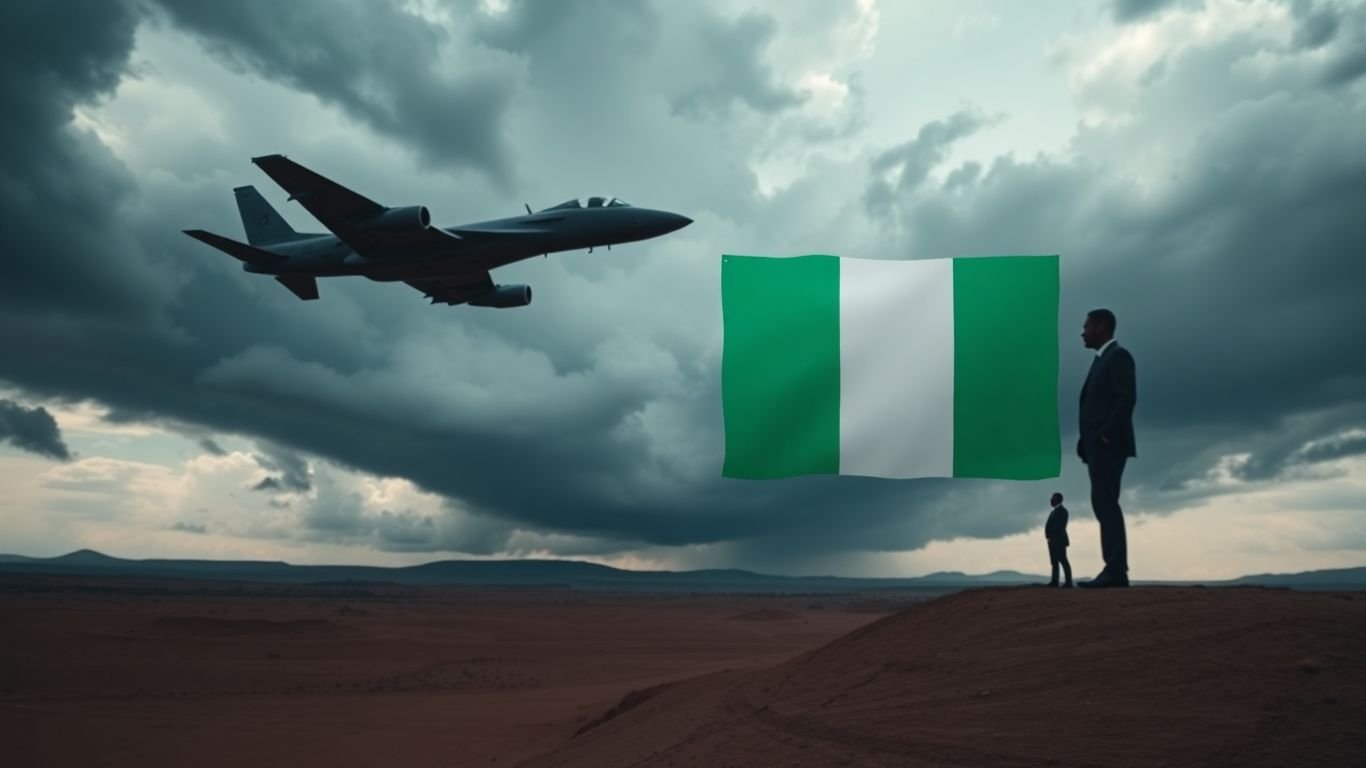
President Donald Trump ignited a firestorm over the weekend with a surprise social media threat to launch strikes in Nigeria. The declaration, made via his preferred platform, was met with a swift and affirmative "Yes sir" from his defense secretary, signaling a potentially significant shift in U.S. military focus.
Key Takeaways
- President Trump issued a sudden threat of military action against Nigeria on social media.
- The Defense Secretary quickly affirmed the President’s directive.
- This unexpected announcement has prompted a reevaluation of Pentagon priorities.
A Sudden Shift in Foreign Policy
The President’s announcement, delivered without prior public consultation or detailed explanation, has sent ripples through both domestic and international circles. The abrupt nature of the threat suggests a potentially impulsive foreign policy decision, leaving allies and adversaries alike scrambling to understand the implications.
Pentagon’s Swift Response
Defense Secretary’s immediate affirmation of the President’s directive underscores the chain of command within the U.S. military. However, it also raises questions about the process by which such significant decisions are made and communicated. The Pentagon is now tasked with assessing the feasibility and potential consequences of such an action, a task that likely involves complex geopolitical considerations.
Reshuffling Priorities
This unexpected development is expected to force a significant reshuffling of priorities within the Pentagon. Resources and strategic planning that were previously allocated to other regions or threats may now need to be redirected to address the potential conflict in Nigeria. The long-term impact on U.S. military readiness and global engagement remains to be seen.
Geopolitical Ramifications
The international community is closely monitoring the situation, with many nations expressing concern over the potential for escalation and instability. The threat to strike Nigeria, a key nation in West Africa, could have far-reaching consequences for regional security and the broader fight against terrorism.