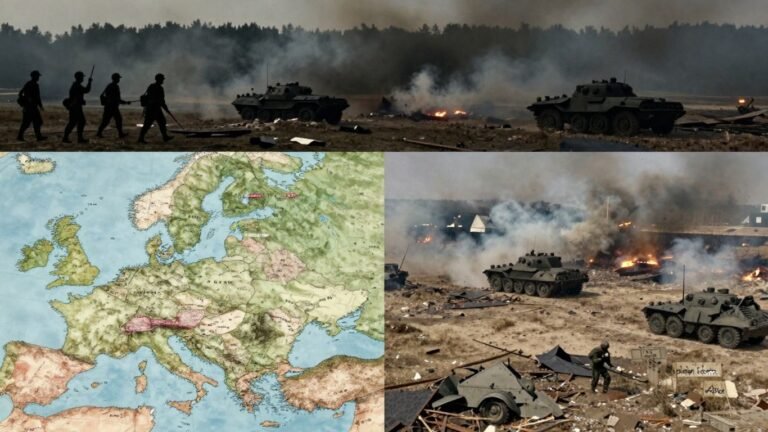
Ukrainian attacks on Russian refineries driving price hikes in the US – Bloomberg
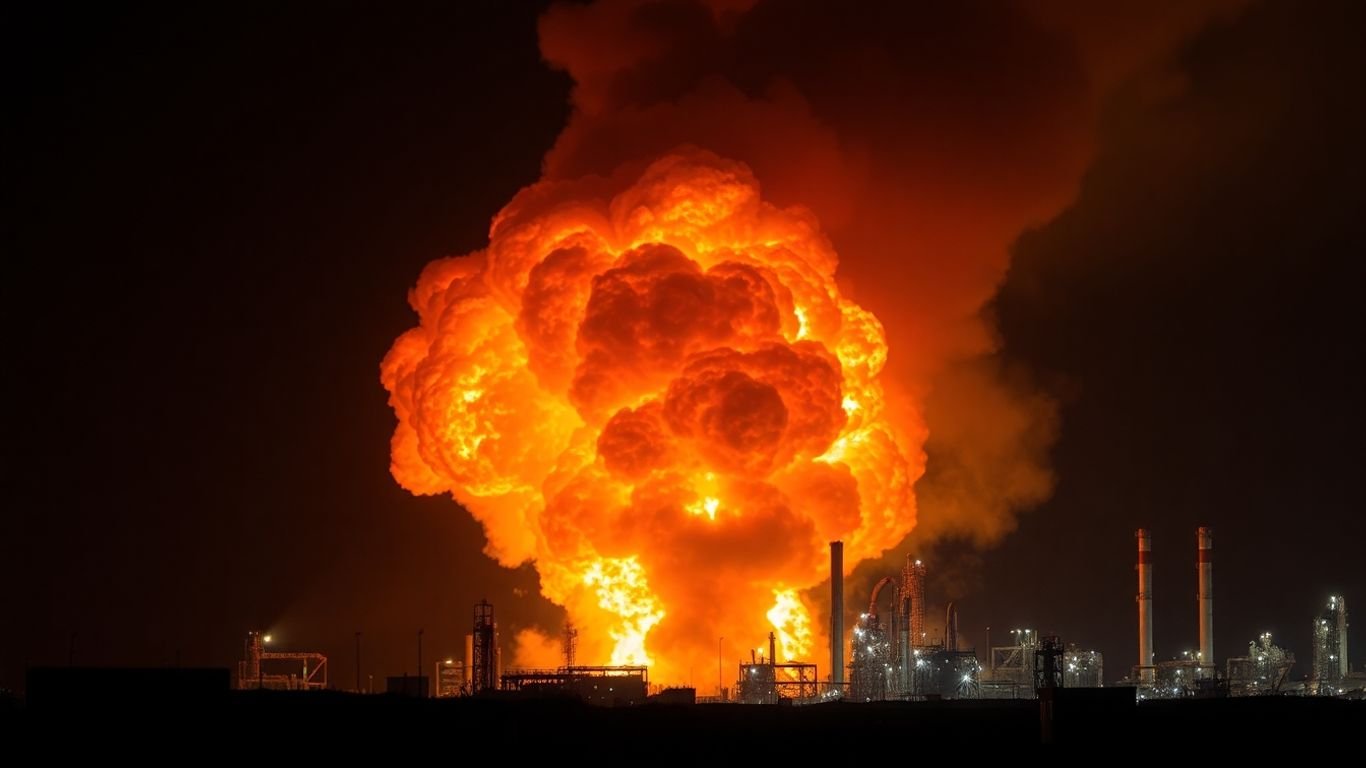
So, it turns out that what’s happening over in Ukraine is actually hitting us right here in the US, especially when it comes to gas prices. Ukraine’s been hitting Russian oil places with drones and missiles, and that’s messing with the global oil flow. Add in some other refinery problems around the world, and suddenly, the cost of diesel and gas is going up. It’s a bit of a domino effect, and we’re feeling it at the pump.
Key Takeaways
- Ukraine’s drone and missile attacks on Russian oil refineries are a big reason why fuel prices are climbing in the US and elsewhere.
- These attacks, along with issues at refineries in Asia and Africa, have taken millions of barrels of fuel off the global market.
- Sanctions from both the US and the EU on Russian energy companies are also making fuel more expensive.
- Refinery profits in the US and Europe are at their highest point in years because of these disruptions.
- The situation shows how interconnected the US, Russia, and Ukraine are when it comes to global energy markets and prices.
Ukraine’s War Machine Fuels Global Energy Crisis
It’s getting harder to ignore how the ongoing conflict in Ukraine is messing with our wallets, especially at the gas pump. You see, Ukraine has been hitting Russian oil refineries with drones and missiles. They’re calling these attacks legitimate because, in their view, these facilities are part of Russia’s “war machine.” It’s a bold move, and it’s definitely shaking things up on the global energy stage. This isn’t just some minor disruption; it’s actively removing millions of barrels of diesel and gasoline from the market.
Targeting Russian Refineries With Drones And Missiles
Ukraine’s strategy seems pretty clear: disrupt Russia’s ability to fund its war effort by hitting its oil infrastructure. They’ve been targeting oil depots, processing plants, and even metering stations. It’s a direct shot at Russia’s energy sector, and it’s having a ripple effect. We’re seeing Global oil price volatility Ukraine is a direct result of these actions, making fuel more expensive everywhere.
Disrupting Vital Crude Oil Flow Through Pipelines
It’s not just refineries. Remember that old Druzhba pipeline? Ukraine’s strikes have even caused disruptions there, affecting crude oil flow. Hungary even put sanctions on a Ukrainian drone commander over it back in August. This shows how interconnected everything is and how sensitive the energy supply chain can be. The Ukraine war impact on US gas prices is becoming more apparent by the day.
Escalating Global Prices For Diesel And Gasoline
When you take fuel production offline, prices go up. It’s basic economics. With millions of barrels gone from the global market due to these attacks, combined with other refinery issues in places like Asia and Africa, we’re seeing the pinch. Refining margins are hitting levels not seen in years. It’s a tough situation for consumers, and it all ties back to the conflict far away.
US Consumers Bear The Brunt Of Conflict
Targeting Russian Refineries With Drones And Missiles
It’s getting more expensive to fill up your tank, and guess what? It’s not just bad luck. Ukraine’s been busy hitting Russian oil facilities with drones and missiles. They say it’s to mess with Russia’s war effort, which is fair enough, I suppose. But the fallout is hitting us right here at home. These attacks are taking actual barrels of fuel off the global market. We’re talking millions of barrels of diesel and gasoline that just aren’t available anymore.
Disrupting Vital Crude Oil Flow Through Pipelines
This isn’t just about refineries. Remember that big pipeline, the Druzhba? Ukraine’s actions have messed with that too, causing disruptions. It’s like a chain reaction. When one part of the system gets hit, everything else feels it. And it’s not just Ukraine’s doing; sanctions from the EU and the US on big Russian energy companies like Lukoil and Rosneft are also playing a part in making things tighter.
Escalating Global Prices For Diesel And Gasoline
So, what’s the end result for us? Refining margins are through the roof, hitting levels we haven’t seen since 2018. That means the difference between the cost of crude oil and the price of the finished gasoline or diesel is bigger than it’s been in years. It’s not just us, either. This is a global problem, with similar price jumps happening in Europe and Asia. It really makes you wonder when this cycle of conflict and rising costs will end.
The ripple effects of this conflict are undeniable. What happens on the other side of the world, or even in a country thousands of miles away, is directly impacting the price we pay at the pump and for heating our homes. It’s a stark reminder of how connected our world truly is, and how easily global stability can be disrupted.
Here’s a look at how things have stacked up:
- Millions of barrels of diesel and gasoline removed from the global market.
- Refining margins at their highest levels since 2018.
- Increased costs for consumers in the US, Europe, and Asia.
It’s a tough situation, and frankly, it feels like we’re stuck paying the price for a conflict that’s happening far away.
Russia’s Retaliation Impacts Ukraine’s Infrastructure
Strikes on Power Grid Support Military Operations
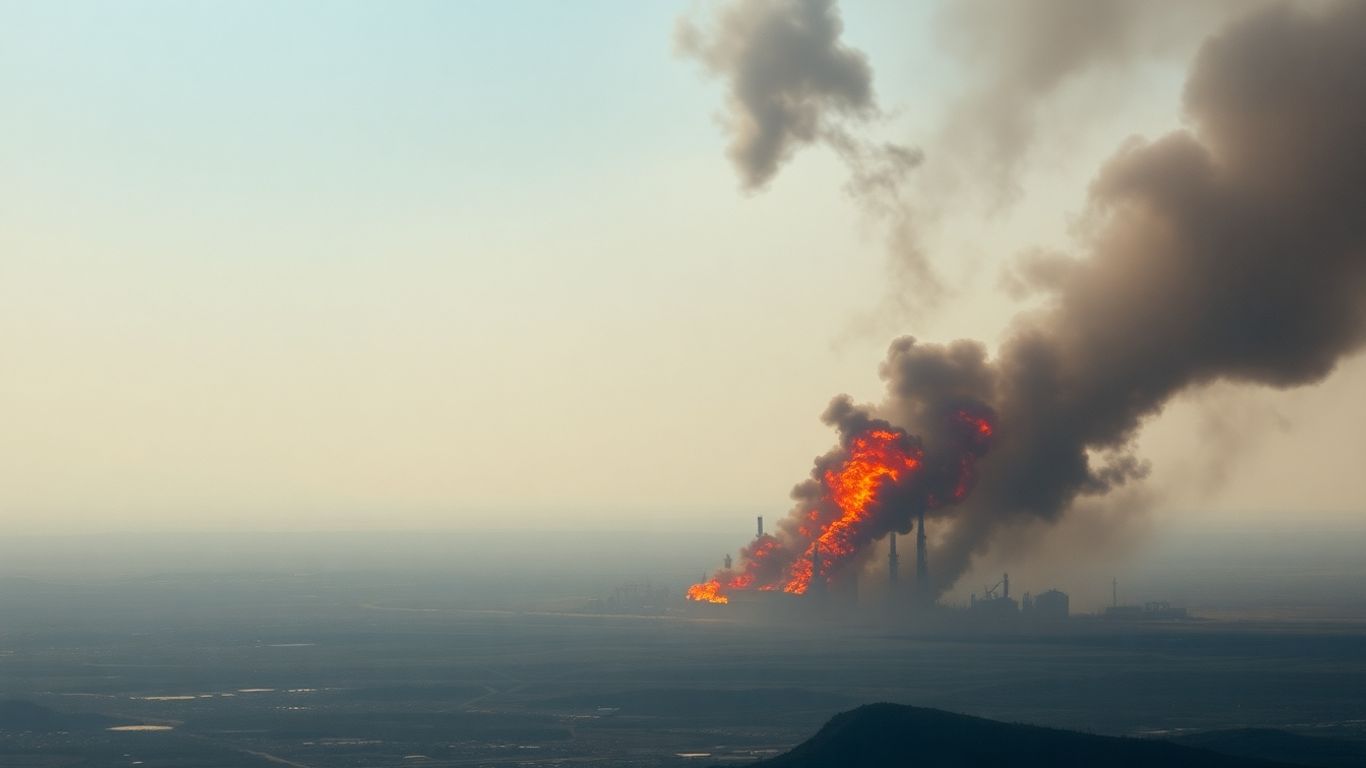
It’s a tit-for-tat situation, isn’t it? While Ukraine is busy taking shots at Russian energy facilities, Russia isn’t just sitting back. They’ve been hitting back, and their targets are parts of Ukraine’s power grid. Russia claims this infrastructure is used to support Ukraine’s military operations. So, you’ve got Ukraine trying to mess with Russia’s oil flow, and Russia responding by trying to dim the lights on Ukraine’s war effort. It’s a cycle, and unfortunately, it’s the global energy market that feels the pinch.
A Cycle of Escalation with Global Repercussions
This whole back-and-forth isn’t just happening in a vacuum. When Ukraine launches attacks on Russian energy infrastructure, it disrupts the global supply of fuel. Think about it: fewer refined products mean higher prices everywhere. Then, when Russia retaliates by hitting Ukraine’s infrastructure, it adds another layer of instability. It’s like a domino effect. The world is already dealing with enough energy headaches, and this conflict just keeps adding to them. The ripple effects are felt from US gas stations to European heating bills.
Here’s a look at how this escalation plays out:
- Ukraine targets Russian refineries: Aims to cut off a key revenue source for Russia and reduce global fuel supply.
- Russia targets Ukrainian infrastructure: Claims to disrupt military logistics and support, but also adds to general instability.
- Global markets react: Prices for oil, diesel, and gasoline go up due to supply fears and actual disruptions.
- Consumers pay more: Higher energy costs impact everyday people and businesses worldwide.
This ongoing conflict creates a volatile environment for energy markets. Every strike and counter-strike adds uncertainty, pushing prices higher and making it harder for countries to secure stable energy supplies. It’s a messy situation with no easy answers.
International Sanctions Compound Energy Woes
EU Restrictions Add To Market Pressures
The European Union’s move to slap restrictions on Russian energy has really shaken things up. It’s not just about cutting off supply; it’s about how these decisions ripple through the global market. When you take a big player like Russia out of the equation, even partially, prices have to go up. It’s basic economics, really. This isn’t some abstract concept; it’s about the actual cost of fuel at the pump for everyday folks.
US Sanctions On Lukoil And Rosneft Bite Hard
And it’s not just the EU. The United States has also targeted major Russian energy companies, like Lukoil and Rosneft. These sanctions, put in place back in October, add another layer of pressure. It’s a complex web of geopolitical effects on energy markets, where actions taken thousands of miles away directly impact what Americans pay for gas. We’re seeing refining margins hit levels not seen in years, and you can bet these sanctions are a big part of that story. It makes you wonder if these policies are truly helping anyone in the long run, or just making life harder for ordinary citizens.
The interconnectedness of global energy means that sanctions, while intended to achieve certain political goals, inevitably lead to broader economic consequences. These consequences often manifest as increased costs for consumers, regardless of their country’s involvement in the original conflict.
- Disruption of Supply: Sanctions limit the availability of Russian oil and gas, forcing buyers to seek more expensive alternatives.
- Increased Refining Costs: With fewer options, refineries face higher input costs, which are then passed on to consumers.
- Market Volatility: Uncertainty surrounding sanctions and retaliatory measures creates instability in energy markets, leading to price spikes.
These sanctions are part of a larger picture, and when you combine them with other global events, like the attacks on Russian refineries, the pressure on fuel prices just keeps building. It’s a tough situation for consumers trying to make ends meet, especially when you consider the vulnerability of energy infrastructure during times of conflict.
Global Outages Add To Supply Chain Strain
Key Plants In Asia And Africa Offline
It’s not just the fighting in Eastern Europe messing with gas prices. We’re seeing problems pop up all over the place, making things even tighter. Think about it, when major refineries go down anywhere, it sends ripples through the whole system. We’ve had some big plants in places like Asia and Africa shut down recently. It’s not always clear why they go offline – could be maintenance, could be accidents, or maybe something else entirely. Whatever the reason, it means less fuel is being made.
Refinery Shutdowns In Kuwait And Nigeria
Adding to the headache, we’ve also seen refineries in Kuwait and Nigeria go offline. These aren’t small operations; they’re important players in the global fuel market. When they stop producing, it takes a chunk out of the available supply. This is especially bad when demand is already high, or when other supply routes are already shaky. It’s like a domino effect, and unfortunately, we’re the ones who end up paying more at the pump.
- The combined effect of these global disruptions, alongside the Ukrainian attacks on Russian oil supply disruptions, is creating a perfect storm for consumers.
- Millions of barrels of diesel and gasoline have been pulled from the market.
- Refining margins are hitting levels not seen in years, meaning the difference between the cost of crude oil and the price of refined products is widening significantly.
The global energy market is a complex web. When one part of it falters, whether due to conflict or operational issues, the impact is felt far and wide. These aren’t isolated incidents; they’re interconnected problems that strain the entire supply chain, pushing prices higher for everyone.
The Interconnected Impact Of US, Russia, And Ukraine

How Conflict In Ukraine Affects American Wallets
It’s pretty wild how what’s happening way over in Ukraine ends up hitting our wallets right here in the States, isn’t it? We’re seeing gas prices creep up, and it’s not just random. Turns out, Ukraine’s been hitting Russian oil refineries with drones and missiles. They see it as taking out a key part of Russia’s war machine, which makes sense from their perspective. But the ripple effect? It’s messing with global fuel supplies. This isn’t just about faraway conflicts; it’s directly impacting the cost of everyday goods and travel for Americans.
Russia’s Energy Sector Under Fire
So, Ukraine is targeting these refineries, right? They’ve been pretty consistent with these attacks, using drones and missiles to hit oil depots, processing plants, and even metering stations. It’s a strategic move to disrupt Russia’s ability to fund its operations. Think about it – if Russia can’t sell as much oil or refined products, it hurts their economy. This has led to millions of barrels of fuel being taken off the global market. It’s a big deal when you consider how much fuel the world needs every single day. The disruption to oil operations is significant.
Ukraine’s Strategic Strikes On Russian Assets
These attacks aren’t just random acts; they’re calculated. Ukraine views these energy facilities as legitimate targets because they directly support Russia’s military efforts. It’s a way for them to fight back and weaken the enemy’s resources. The consequences are felt globally, though. When you take out refining capacity, especially in a major energy producer like Russia, the price of gasoline and diesel goes up everywhere. It’s a tough cycle, and unfortunately, consumers often end up paying more at the pump.
- Disruptions to Russian refining capacity.
- Reduced global supply of diesel and gasoline.
- Increased costs for consumers worldwide.
The global energy market is a complex web, and actions taken in one part of the world can have far-reaching consequences. The ongoing conflict has created a situation where supply chain issues are compounded by geopolitical tensions, leading to higher prices for essential fuels.
What Does This Mean For Us?
So, there you have it. Ukraine is hitting Russian oil places, and we’re paying more at the pump here in the States. It’s not just that, either; other refineries are having problems too, making things even tighter. It’s a mess, and honestly, it feels like we’re stuck in the middle of someone else’s fight, watching our hard-earned money disappear faster. You’d think with all the global chaos, our leaders would be focused on keeping prices down for regular folks, but it doesn’t seem like that’s the priority right now. We’re left footing the bill, and that’s just not fair.
Frequently Asked Questions
Why are gas prices going up in the US?
Gas prices are rising partly because Ukraine is attacking oil facilities in Russia. These attacks, along with other refinery problems around the world, mean there’s less fuel like diesel and gasoline available. This shortage makes the fuel that is available more expensive for everyone, including people in the US.
How are Ukraine’s attacks affecting oil prices?
When Ukraine hits Russian oil plants, it stops or slows down the production of important fuels. This reduces the total amount of fuel available globally. Think of it like a factory having to shut down – less product means higher prices for what’s left.
What role do US and EU sanctions play?
The US and the European Union have placed sanctions, which are like penalties, on some Russian energy companies. These sanctions make it harder for Russia to sell its oil and gas, which also contributes to the global shortage and pushes prices up.
Are there other reasons for higher gas prices besides the Ukraine conflict?
Yes, other issues are making fuel more expensive too. Some big oil refineries in places like Asia and Africa have had to shut down or are not working properly. This adds to the problem of not having enough fuel on the market.
What does ‘refining margins’ mean and why are they high?
Refining margins are the difference between the cost of crude oil and the price of the finished products like gasoline. When margins are high, it means oil companies are making more profit on each gallon they sell. This is happening now because the demand for fuel is high, but the supply is limited due to the attacks and other refinery issues.
Is Russia also attacking Ukraine’s infrastructure?
Yes, Russia has been striking parts of Ukraine’s power grid. They say this infrastructure helps the Ukrainian military. This creates a cycle where actions in one country impact the other, leading to bigger problems for the world’s energy supply.