
Understanding Airstrikes: Global Impact and Military Strategy
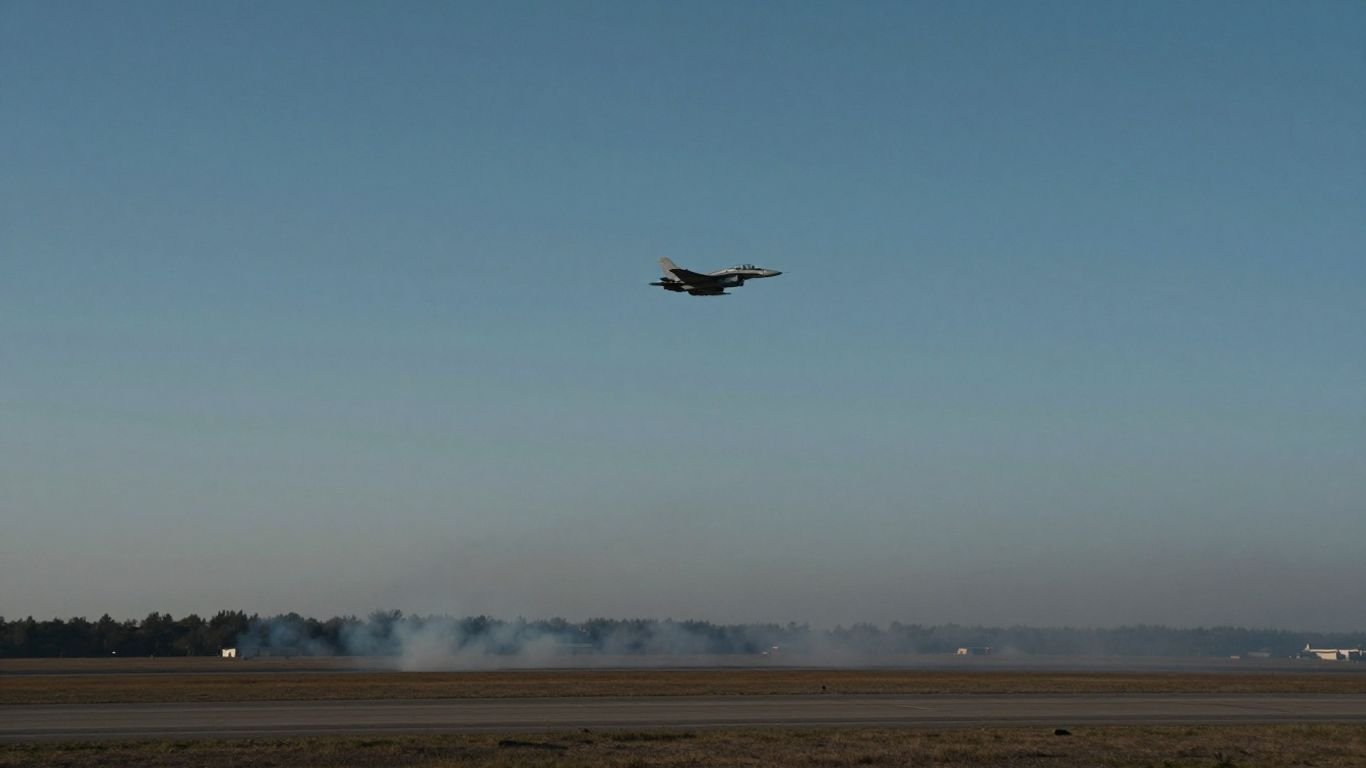
Airstrikes. They’re a big part of modern military action, used for all sorts of reasons. Sometimes it’s to weaken an enemy’s ability to fight, other times it’s about shifting power in a region. We see them used to try and change governments or to stop conflicts before they really start. But what do they actually achieve? It’s a complicated question with a lot of different angles to consider, from the battlefield to the international stage.
Key Takeaways
- Airstrikes are used to weaken enemy forces and change the balance of power in a region, often with the goal of preventing future conflicts.
- Using airstrikes to force regime change is a complex strategy that can empower opposition but also carries risks of state collapse.
- Assessing the real impact of airstrikes is difficult, as battle damage assessments can be incomplete, and airpower alone rarely achieves strategic goals.
- Iran’s response to airstrikes involves evaluating its ability to retaliate, often through proxy groups, and carries a significant risk of wider escalation.
- The use of airstrikes has broad geopolitical consequences, raising questions about international law, regional diplomacy, and the impact on the home front.
The Strategic Imperative For Airstrikes
Degrading Enemy Capabilities
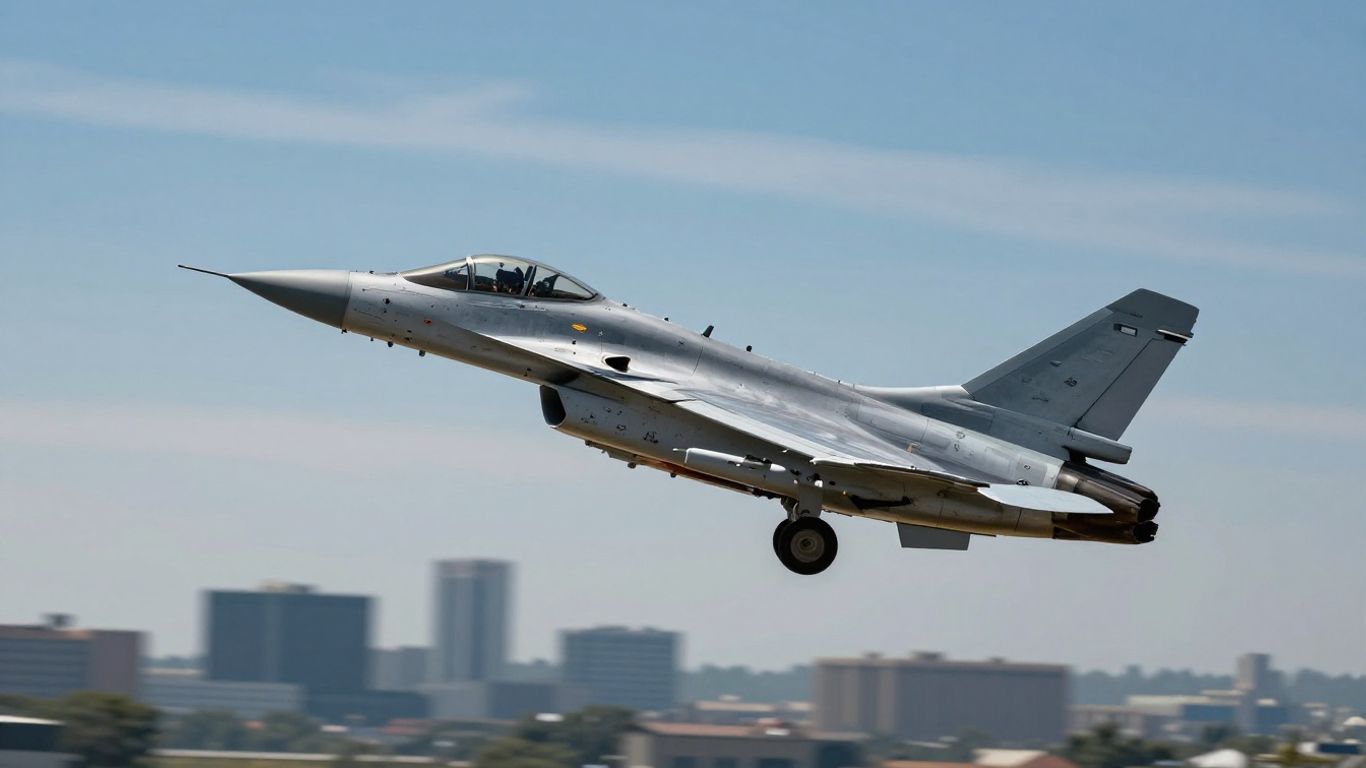
Look, when you’re facing down a hostile regime, the first thing you gotta do is take away their toys. That’s where airstrikes come in. We’re talking about hitting their ability to wage war – their missile sites, their drone factories, their naval bases. It’s about making sure they can’t launch attacks on us or our allies. Think of it like this: you wouldn’t go into a fight without trying to disarm your opponent first, right? It’s the same principle, just on a much bigger scale. These strikes are designed to cripple their capacity to threaten regional stability. It’s not about making a mess; it’s about precise, targeted action to neutralize immediate threats. We’ve seen how Iran has built up its arsenal over the years, and these operations aim to roll that back. It’s a tough job, but somebody’s gotta do it.
Reshaping The Regional Balance
Beyond just taking out specific targets, airstrikes can really shift the whole game in a region. When you hit a bad actor hard, it sends a message to everyone else watching. It shows that aggression has consequences. This can make other countries think twice before they start something stupid. It also helps our friends in the area feel more secure. They see that we’re willing to stand up to bullies, and that can strengthen alliances. It’s about creating a more stable environment where diplomacy has a better chance to work. We’ve seen positive outreach from places like Saudi Arabia after recent operations, which is a good sign. It’s not just about fighting; it’s about building a better future for everyone.
Deterring Future Aggression
Ultimately, the goal of any military action, including airstrikes, is to prevent future conflicts. By demonstrating our resolve and capability, we aim to deter potential adversaries from even considering aggression in the first place. It’s the old ‘speak softly and carry a big stick’ idea, but with a bit more emphasis on the ‘big stick’ part when necessary. When a regime knows it will face swift and decisive retaliation for its actions, it’s far less likely to provoke a crisis. This isn’t about picking fights; it’s about making sure that the other side understands the cost of their bad behavior. We want a world where nations respect each other’s borders and sovereignty, and sometimes, you have to show you mean business to get there. It’s about protecting our interests and those of our allies, plain and simple. The joint US-Israeli military operation against Iran is a prime example of this strategy in action.
Airstrikes: A Tool For Regime Change
Sometimes, the goal isn’t just to hit a target, but to change who’s in charge. That’s where airstrikes can be seen as a tool for regime change. The idea is pretty straightforward: hit the bad guys hard enough, and maybe the people will rise up and get rid of them. It sounds simple, but history shows it’s a lot more complicated than just dropping bombs.
Empowering Internal Opposition
When we talk about changing a regime from the outside, we can’t forget about the folks on the inside who want change too. Airstrikes, if done right, could theoretically weaken the current government’s grip, making it easier for internal opposition groups to gain traction. Think of it like clearing the path for those who are already fighting for a better future. The real success of any regime change effort hinges on having a strong, organized opposition ready to step in. Without that, the bombs might just make things worse.
- Support for dissidents: Providing resources or safe havens for those actively working against the regime.
- Disrupting state control: Weakening the government’s ability to monitor and suppress its own people.
- Creating opportunities: Allowing opposition movements to organize and mobilize more effectively.
Undermining The Regime’s Authority
Strikes that hit key government buildings or military installations can really shake a regime’s authority. When people see their leaders’ power bases damaged, it can sow doubt and weaken their confidence in the government’s ability to protect them or even stay in power. It’s about making the current leadership look weak and ineffective.
The theory is that by degrading the regime’s instruments of power and control, you create a vacuum that can be filled by a more legitimate alternative. It’s a delicate balance, though, because too much damage can lead to chaos.
Targeting Leadership And Infrastructure
This is where things get really direct. The idea here is to take out the top brass – the leaders who make the decisions – and the infrastructure they rely on to run the country. This could mean hitting command centers, communication hubs, or even the personal residences of key figures. The hope is that by decapitating the leadership and crippling their ability to operate, the whole system collapses. It’s a high-risk, high-reward strategy, and history shows it doesn’t always work out as planned. Sometimes, even after major strikes, the regime just digs in deeper.
Assessing The Effectiveness Of Airstrikes
So, how do we know if these airstrikes are actually doing what they’re supposed to? It’s not as simple as just looking at the news reports. There’s a lot of noise out there, and figuring out the real impact takes some serious digging.
Understanding Battle Damage Assessments
When the dust settles, the military needs to figure out what was actually hit and if it mattered. This is called Battle Damage Assessment, or BDA. It’s not always straightforward. Sometimes, what looks like a direct hit on TV might not have done as much damage as we think. Other times, a seemingly minor strike can cripple a key part of the enemy’s setup. We’ve seen situations where initial reports are overly optimistic, and later, it turns out the target wasn’t as destroyed as claimed. It’s a tough job, especially when the enemy is good at hiding things or making it look like they’re more intact than they are.
The Limits Of Airpower Alone
Airpower is a powerful tool, no doubt about it. It can degrade enemy capabilities, disrupt their plans, and even take out key leaders. But relying on airstrikes alone to win a conflict? That’s usually a losing strategy. You can bomb a place to smithereens, but if you don’t have a plan for what comes next – like ground forces to hold territory or a political strategy to win over the local population – the enemy can often regroup. It’s like trying to put out a fire by just spraying water from a distance; you might cool some parts, but the embers can easily reignite if you don’t get in there and clean up the mess.
Historical Precedents And Lessons
History is full of examples, good and bad, of how airstrikes have played out. We’ve seen campaigns that achieved their objectives, weakening an enemy significantly. But we’ve also seen situations where massive air campaigns didn’t bring about the desired political outcome. Sometimes, the enemy adapts, or the strikes inadvertently create new problems. It’s a constant learning process. We need to look at what worked, what didn’t, and why. For instance, were the targets chosen wisely? Was there a clear political goal tied to the military action? Did the strikes actually change the enemy’s behavior in the long run, or just make them angry?
The real test of an airstrike campaign isn’t just about the explosions; it’s about whether it changes the enemy’s will and capability to fight, and whether it sets the stage for a stable, favorable outcome afterward. Without that, it’s just a lot of noise and expense.
Here’s a look at some common challenges:
- Intelligence Gaps: Sometimes, our intel about enemy targets isn’t as good as we think. We might hit the wrong thing or miss something critical.
- Enemy Adaptation: Adversaries learn. They move their assets, hide their weapons, and change their tactics to counter our airpower.
- Collateral Damage: Hitting the wrong targets or causing unintended harm to civilians can create more enemies than you eliminate.
- Political Will: Even if the strikes are militarily successful, if the political leadership doesn’t have the will to follow through or achieve broader goals, the effort can be wasted.
Iran’s Response To Airstrikes
When Iran finds itself on the receiving end of airstrikes, especially those perceived as existential threats, its reactions tend to be anything but subtle. Forget the usual tit-for-tat; the regime often views these attacks as a call to arms, pushing de-escalation to the back burner. We’ve seen this play out before, where the scale and speed of Iran’s retaliation, sometimes even reaching out to allies in the Gulf, signal a clear intent to widen the conflict and cause major disruption. It’s not just about military targets; the ripple effects can shut down air traffic and choke vital shipping lanes, like the Strait of Hormuz. This instability is exactly what the regime seems to thrive on.
Evaluating Retaliatory Capacity
Iran’s ability to strike back isn’t something to scoff at. They’ve got a significant arsenal of ballistic missiles and drones, numbering in the thousands for both. The question isn’t just how many they have, but how effectively they can deploy them. Are they holding back, testing defenses, or have strikes degraded their stockpiles more than we know? It’s likely a mix of all these factors.
- Ballistic Missiles: Estimated 2,000–3,000 medium-range and 6,000–8,000 short-range systems.
- Drones: Thousands available for deployment.
- Naval Assets: Including frigates like the Jamaran, which have been observed operating in sensitive areas.
The Role Of Proxy Networks
Iran doesn’t fight alone. Its network of proxies is a key part of its strategy, ready to jump into the fray when called upon. Groups like Kataib Hezbollah in Iraq have already signaled their intent to target U.S. facilities, and the Houthi movement in Yemen is expected to resume its attacks on shipping. This makes the situation far more complex, as it draws in multiple actors and escalates regional tensions.
The regime’s reliance on these proxy groups means that any conflict involving Iran quickly becomes a wider regional problem, drawing in more players and increasing the potential for widespread chaos.
Potential For Escalation
The real danger lies in how far Iran is willing to push. While past responses have sometimes been limited to military targets, allowing for a degree of de-escalation, a perceived existential threat can change the game entirely. If Tehran feels its survival is on the line, it might resort to targeting civilian infrastructure or conducting terrorist attacks. That’s the point where a larger, regional conflict becomes almost inevitable, leaving few options for anyone involved.
The Geopolitical Ramifications Of Airstrikes
International Law And Airstrikes
When we talk about airstrikes, especially those targeting another nation, the whole international law thing gets complicated fast. It’s not always clear-cut. Some folks, especially over in Europe, really focus on whether these actions break the rules. But honestly, the people making the decisions often seem to have other things on their minds. The real question is about intent. Was the goal just to hit some military stuff, or was it something more? Statements from leaders sometimes hint at wanting to see a regime change, which really muddies the waters legally. It’s a tough line to walk, trying to act tough without crossing lines that could cause bigger problems down the road.
Regional Diplomacy And Alliances
This is where things get really interesting, and frankly, a bit unpredictable. You’d think that if one country starts hitting another, its neighbors would get nervous and maybe pull back. But sometimes, it’s the opposite. We’ve seen situations where, even after some tough actions, countries that weren’t exactly best friends before might actually reach out. It’s like a crisis can sometimes bring people together who were previously at odds. On the flip side, you have to wonder if allies will keep letting us use their airfields or bases if things get too hot. It’s a delicate dance, and one wrong step could really mess up the whole neighborhood.
- Saudi Arabia and UAE: These nations have shown a willingness to condemn Iranian actions, which could signal a shift in regional alignments.
- Proxy Networks: The involvement of groups like Hezbollah and the Houthis can quickly draw in more actors, complicating any diplomatic efforts.
- Oman: This country often plays a unique role, and its stance can be a key indicator of broader regional stability.
The Home Front Impact
Even if the fighting is happening thousands of miles away, what happens on the home front is a big deal. Leaders have to think about how these actions look to their own people. Are they seen as strong and decisive, or as reckless and costly? Public opinion matters, and sometimes, a military operation can actually rally support, especially if it’s framed as defending national interests. But there’s always the risk of blowback, whether it’s economic fallout or just a general sense of unease. Keeping the public on board is just as important as winning on the battlefield.
The ability to sustain operations, both militarily and politically, is a major consideration. If a campaign drags on, or if the costs become too high, public support can evaporate quickly. This is why defining clear objectives and an exit strategy from the start is so important, even if it’s not always talked about publicly.
Future Considerations For Airstrikes
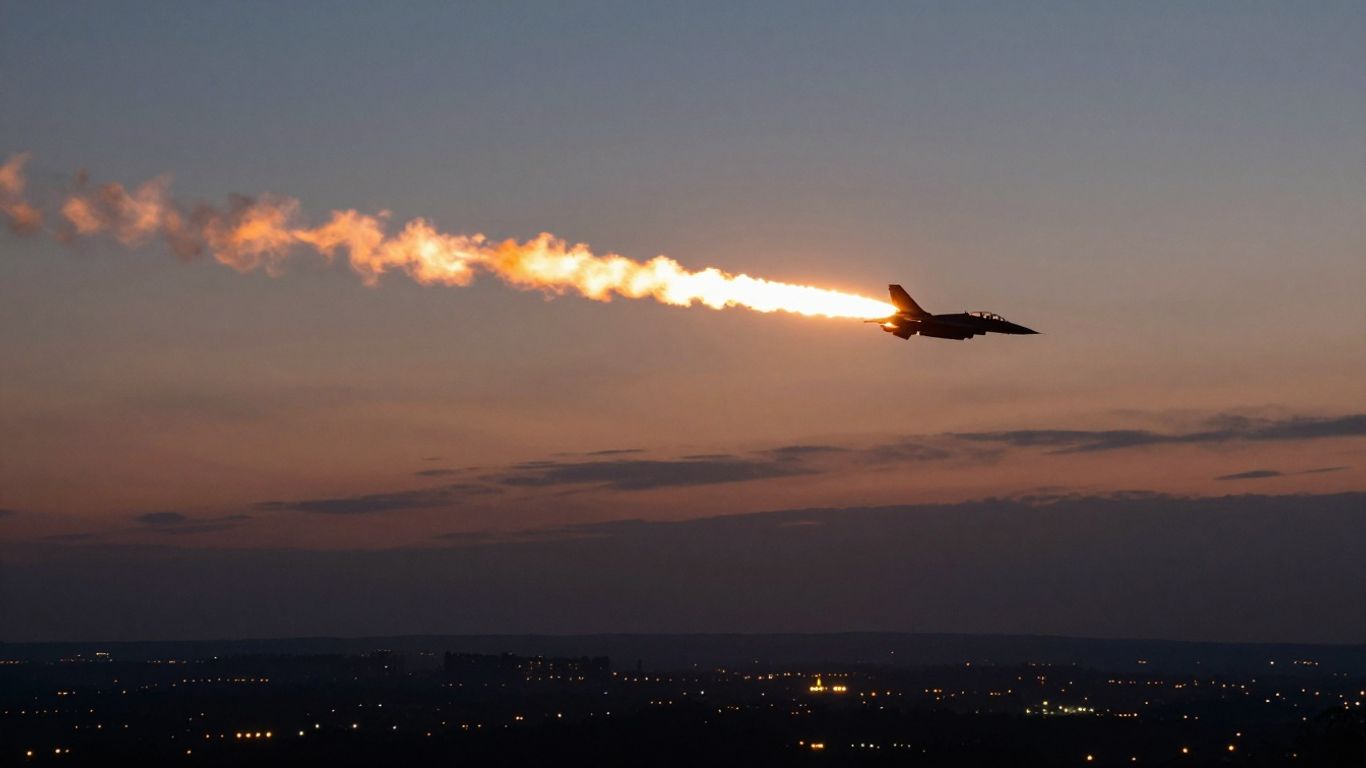
So, we’ve talked a lot about why airstrikes happen and what they do. But what about down the road? It’s not just about pulling the trigger; it’s about what comes next. We need to think about the endgame, how to keep things going if we need to, and, honestly, how to avoid needing airstrikes in the first place.
Defining The Endgame
When we launch airstrikes, what are we actually trying to achieve? Is it just to knock out some targets, or is there a bigger picture? Sometimes, the goal is regime change, like some folks seem to think is happening with Iran right now. But that’s a messy business. You can’t just bomb a government out of existence and expect a perfect replacement to pop up. We’ve seen this before, like in Iraq and Libya. Military action can get rid of a leader, sure, but what happens after that? Who fills the void? Will they be any better, or just different? It’s vital to have a clear idea of what success looks like before the first bomb drops.
Sustaining Operations And Readiness
If we’re going to be using airstrikes, especially for longer periods, we need to make sure we can actually keep it up. This means having enough of the right weapons, like missiles and drones, and making sure our forces are ready to go. It’s not just about having the gear; it’s about the logistics – getting everything where it needs to be, when it needs to be there. And here’s the kicker: using all our resources on one conflict could leave us short for other important stuff, like dealing with China. We need to be smart about how we spend our military might. It’s a balancing act, for sure.
The Critical Role Of Diplomacy
Honestly, the best way to avoid needing airstrikes is to not get into situations where they seem like the only option. That’s where diplomacy comes in. Talking things out, building alliances, and finding peaceful solutions should always be the first resort. Sometimes, though, diplomacy fails, and that’s when military options get looked at. But even then, diplomacy is still key. It’s about managing the fallout, building support, and trying to de-escalate things. We need to remember that military action is just one tool, and often not the best one for long-term stability. The legal side of things, like AI in military law, is also becoming more important as technology advances.
We need to be realistic about what airstrikes can and cannot do. They can degrade capabilities and send a message, but they rarely solve complex political problems on their own. The real work happens before and after the bombs fall, through smart strategy and persistent diplomacy.
What’s Next?
So, we’ve talked a lot about airstrikes, how they’re used, and what they mean for countries around the world. It’s clear these aren’t simple decisions. Military leaders have to weigh a lot of factors, and the results aren’t always what anyone expects. Sometimes, the intended outcome happens, but other times, things get complicated fast. The big picture is that airstrikes are a powerful tool, but they come with big consequences, both for the people doing the striking and the people being struck. Figuring out the right way to use this power, and what happens after, is something we’ll all be dealing with for a long time.
Frequently Asked Questions
What are airstrikes and why are they used in military conflicts?
Airstrikes are attacks launched from aircraft, like planes or drones, against targets on the ground. Militaries use them to weaken an enemy’s ability to fight, to change the balance of power in a region, or to try and stop future attacks from happening. They can also be part of a larger plan to help change a country’s government.
Can airstrikes alone cause a government to fall?
History shows that airstrikes by themselves usually aren’t enough to make a government collapse. While they can damage military equipment and hurt leaders, they often make people unite against the outside attacker instead of rebelling against their own leaders. Real change usually needs more than just bombs; it often requires support from people within the country.
How do military forces know if airstrikes were successful?
Military forces try to figure out if their airstrikes worked by assessing the damage. This means checking if the target was destroyed or seriously harmed. However, it can be hard to know the exact damage, especially in the middle of a conflict, and sometimes initial reports can be wrong.
What are the risks if airstrikes lead to a country’s government collapsing?
If a government falls apart completely because of outside attacks, it can create a messy situation. The country might become unstable, and it’s unclear what will replace the old government. This could lead to more fighting or a power vacuum, making the region less safe and the path to a peaceful solution harder to find.
How do international laws apply to airstrikes?
International laws try to guide how wars are fought, including airstrikes. These laws focus on things like making sure attacks are aimed at military targets and not civilians, and that the harm caused is not excessive compared to the military advantage gained. However, whether an airstrike follows these laws can be debated, especially depending on the goals of the attack.
What happens after airstrikes are over?
After airstrikes, the focus often shifts to what comes next. This includes figuring out how to keep operations going if needed, making sure military readiness is maintained for other potential conflicts, and, importantly, using diplomacy to try and find a lasting peace. Without a clear plan for the future and diplomatic efforts, the situation might not be resolved.