
Unlocking the Future: Strategies for Accelerating Heat Pump Adoption
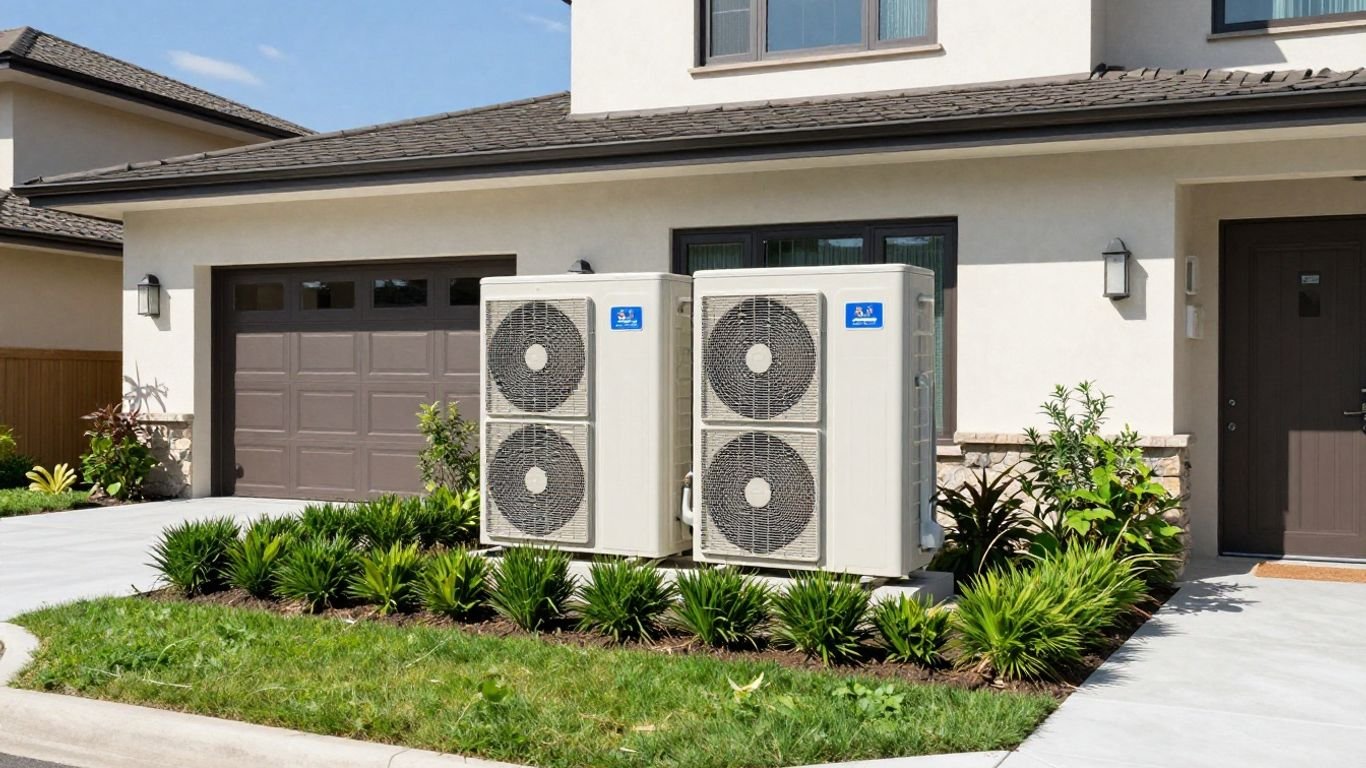
Switching to heat pumps is a big deal for our homes and the planet. It’s not just about staying warm or cool; it’s about making smarter choices for the future. But getting everyone on board, from homeowners to builders, takes a plan. We need to make these systems easier to get, understand, and use. This article looks at what we can do to really speed things up so more people can benefit from heat pump adoption.
Key Takeaways
- Governments can really help heat pump adoption by setting new building rules and offering money to people who buy them. Making it easier to get permits also cuts down on hassle.
- People need to know why heat pumps are a good idea. Sharing stories from folks who already use them and showing how they can be self-sufficient with the tech makes a difference.
- We need better heat pumps. This means making them cheaper, work better when it’s really cold, and finding safer fluids to use inside them.
- Getting enough trained people to install heat pumps is key. We also need to make sure we have enough of the units and parts available when people want them.
- Businesses can lead the way by promising to build homes that are ready for zero emissions and by using heat pumps in their own buildings. They can also tell their own networks why these systems are a smart move.
Championing Heat Pump Adoption Through Policy And Regulation
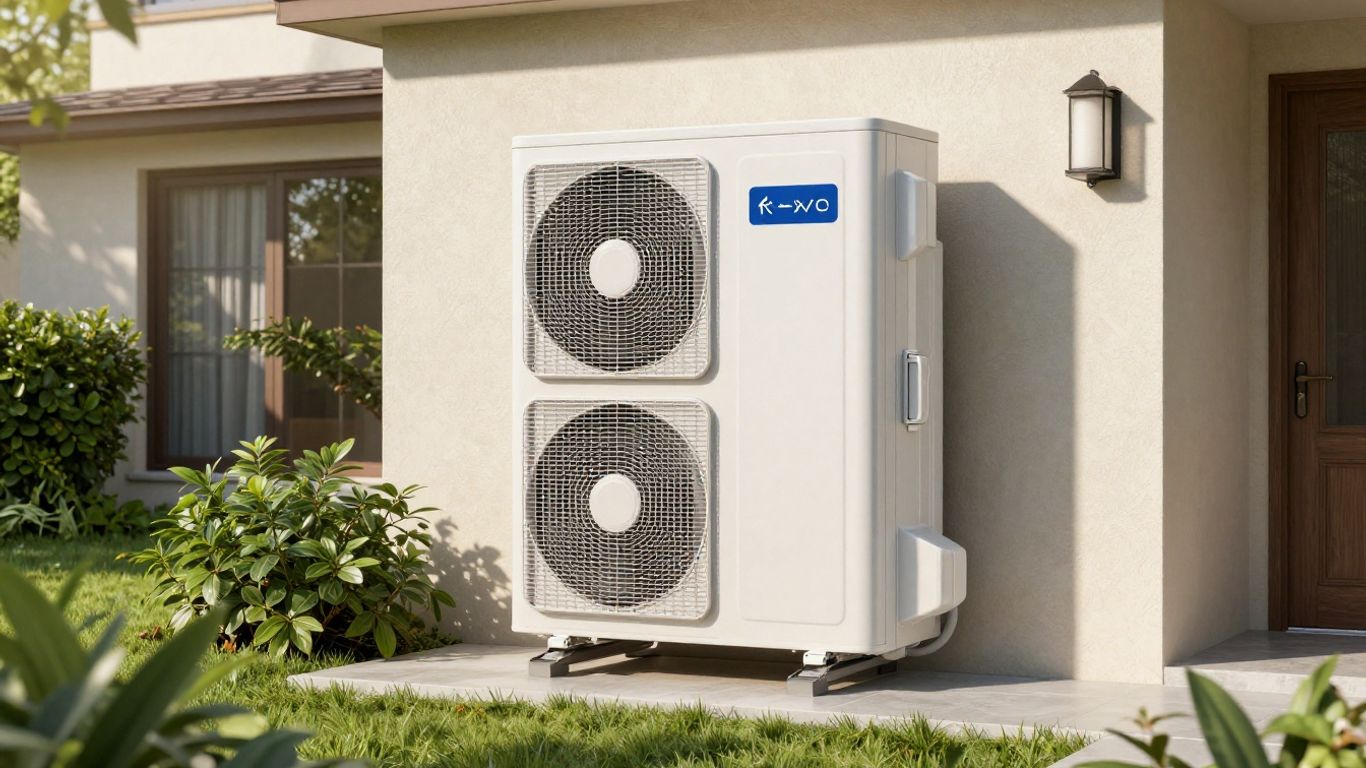
Look, getting more folks to switch to heat pumps isn’t just going to happen on its own. We need some solid policy and smart regulations to really get this moving. It’s about setting the right rules and making it easier for people to do the right thing.
Mandating Zero-Carbon Ready Building Codes
This is a big one. We should be making sure that all new buildings are set up from the start to handle heat pumps. Think of it like this: when you build a house today, you don’t put in a coal chute, right? We need to make sure new construction is future-proofed for clean energy. This means building codes that clearly state heat pumps are the standard for new homes and buildings. It’s a proactive step that avoids costly retrofits down the line. We’re talking about setting a clear direction for the construction industry, making sure that the homes and businesses being built today are ready for the energy systems of tomorrow. This isn’t about forcing anyone’s hand overnight, but about setting a sensible standard for new development.
Incentivizing Heat Pump Purchases
Let’s be honest, upfront costs can be a hurdle. That’s where smart incentives come in. We can offer tax credits, rebates, or even low-interest loans to make heat pumps more affordable for homeowners and businesses. It’s about giving people a financial nudge in the right direction. Think about it like this: if you’re looking at two options, and one has a government incentive attached, it makes that choice a lot more appealing. We need to make sure these programs are easy to understand and access, so people actually use them. Government and industry leaders can promote heat pump adoption by offering incentives, education, and supportive policies. This will help millions of homeowners transition to a more efficient heating and cooling solution [e813].
Streamlining Permitting Processes
Nobody likes dealing with red tape. When someone decides to install a heat pump, the last thing they need is a complicated and lengthy permitting process. We need to simplify this. Making it easier and faster to get the necessary permits will speed up installations and reduce frustration. This could involve standardized forms, online submission options, or dedicated support staff to help navigate the process. A smooth permitting system shows we’re serious about making this transition happen efficiently. It’s about removing unnecessary roadblocks so that people can get their new, cleaner heating and cooling systems up and running without a headache.
Policy and regulation aren’t about stifling progress; they’re about guiding it. By setting clear standards for new construction and providing financial encouragement for upgrades, we can create a more predictable and attractive market for heat pumps. This approach helps ensure that the transition to cleaner energy is both effective and accessible for everyone.
Empowering Consumers For Widespread Heat Pump Adoption
Look, nobody wants to be left in the cold, or worse, stuck with a heating bill that makes their eyes water. That’s where getting folks on board with heat pumps comes in. It’s not just about some fancy new tech; it’s about making sure your home is comfortable and your wallet isn’t getting drained by old, inefficient systems. We need to make sure people actually understand what these things do and why they’re a good idea for their homes.
Educating The Public On Heat Pump Benefits
Let’s be honest, most people don’t know much about heat pumps beyond the name. We need to break it down. These units pull heat from the outside air, even when it’s chilly, and move it inside. In the summer, they flip the script and move heat out. Simple, right? The real win is that they use electricity, not burning fossil fuels, to do it. This means cleaner air and, often, lower energy bills once you get past the initial setup. We should be talking about this more, maybe with simple flyers or short videos that explain how they work without all the technical mumbo-jumbo. Think about how much easier it is to understand when someone just lays it out plain and simple. We need to get the word out about the savings and the comfort. It’s about making smart choices for your home and your family’s future.
Sharing Success Stories And User Experiences
Talking about what works is always better than just talking about what could work. We need to hear from real people who have made the switch. Did their heating bills go down? Is their house warmer in the winter and cooler in the summer? Hearing about someone’s neighbor who got a heat pump and is now saving a bundle is way more convincing than any government report. We should collect these stories, maybe even feature them on local news or community websites. Showing actual results helps people see that this isn’t just some pipe dream; it’s a practical upgrade that makes a difference. It’s about building trust and showing that this technology is ready for prime time.
Promoting Homeowner Self-Sufficiency With Technology
There’s something to be said for being in control of your own home’s energy. Heat pumps, especially when paired with smart thermostats, give homeowners more say in how they heat and cool their space. You can set schedules, adjust temperatures remotely, and generally manage your comfort without relying on old, clunky systems. This isn’t about being a tech wizard; it’s about having tools that make life easier and more efficient. Think about being able to adjust your thermostat from your phone before you even get home. That’s practical self-sufficiency. We need to highlight how these systems can lead to more predictable energy use and costs, giving homeowners a sense of independence. It’s about taking charge of your home’s comfort and energy use, making your home work for you. This kind of control is a big deal for many people looking to manage their household better.
Driving Innovation In Heat Pump Technology
Look, we all want better heating and cooling, right? And heat pumps are supposed to be the ticket. But let’s be real, they aren’t perfect yet. We need to push the envelope on what these things can do. That means making them cheaper, more efficient, and frankly, better at working when it’s freezing outside. Nobody wants a cold house in January because the heat pump gave up.
Developing Cost-Effective And Efficient Systems
This is where the rubber meets the road. We need heat pumps that don’t break the bank to buy or run. Think about it: if they cost too much upfront, most folks will just stick with what they know, even if it’s old-fashioned gas. We’re talking about smart design here, making sure these units are built to last and don’t guzzle electricity. It’s about getting more bang for your buck, plain and simple. We need to get a handle on the real costs, not just the sticker price. For instance, understanding the long-term operating expenses is key to making a smart choice for your home and your wallet. Securing supply chains for the parts needed to build these advanced systems is also a big part of keeping costs down.
Improving Low-Temperature Performance
This is a big one, especially for anyone living where it actually gets cold. Current heat pumps can struggle when the temperature plummets. We need technology that can keep up, providing reliable heat even in the dead of winter. This isn’t just about comfort; it’s about making heat pumps a viable option for everyone, everywhere. Imagine a heat pump that works just as well at 0°F as it does at 50°F. That’s the goal.
Researching Sustainable Refrigerant Alternatives
We’ve got to be smart about the chemicals these things use. The old refrigerants weren’t great for the environment, and we need to find better, safer alternatives. This means looking into new compounds that do the job without causing harm. It’s a technical challenge, for sure, but it’s one we have to tackle head-on. We need to make sure the solutions we’re putting in place today don’t create bigger problems down the road. Finding refrigerants that are both effective and environmentally sound is a top priority for the future of this technology.
Strengthening The Heat Pump Supply Chain And Workforce
Look, we all want this heat pump thing to work out, right? But it’s not going to happen if we don’t have the people and the parts to actually get them installed. It’s like trying to build a house without enough lumber or carpenters – it just won’t get done.
Investing In Installer Training Programs
We need more folks who know how to put these things in, and put them in right. A bad install can cause all sorts of headaches down the road, costing homeowners more money and making them swear off heat pumps forever. We’ve got to get serious about training programs. Think about it:
- Hands-on workshops: Real-world practice is key. Let guys and gals get their hands dirty.
- Certification standards: Make sure installers know their stuff and can prove it.
- Continuing education: Technology changes, so training needs to keep up.
This isn’t just about throwing a few classes together; it’s about building a reliable workforce that can handle the demand. We need to make sure that when someone decides to get a heat pump, they can find a qualified professional to do the job without a long wait. It’s about building confidence in the system, and that starts with the people doing the work. We need to support these programs so they can scale up, maybe even look at partnerships with trade schools or industry groups. It’s a smart investment for the future of home comfort and energy independence.
Addressing Supply Chain Concerns
It’s not just about installers; we need the actual heat pumps and their parts. Right now, there are times when getting the right equipment can be a real challenge. We’ve seen how disruptions can happen, and it affects everything. We need a robust domestic supply chain for heat pumps and their components. This means looking at where we get our materials and manufacturing these units closer to home. It’s about making sure we aren’t overly reliant on foreign sources that can be unpredictable. Think about the semiconductor industry; they’ve had their own issues, and it shows how important it is to have reliable production right here. We need to encourage companies to invest in manufacturing here, creating jobs and making sure we have the equipment we need when we need it. This isn’t just good for heat pumps; it’s good for our economy and national security.
Simplifying Installation Processes
Let’s be honest, some of these installations can be complicated. If we can make them simpler, faster, and maybe even a bit cheaper, more people will be willing to make the switch. This could involve better product design from the manufacturers, or maybe developing new tools and techniques for the installers. It’s about cutting down on the time and hassle involved. If it’s easier to get a heat pump installed, more contractors will be willing to offer the service, and homeowners will see it as a more straightforward upgrade. We need to look at every step of the process and see where we can trim the fat, so to speak. This could mean better pre-fabrication of parts, clearer instructions, or even developing standardized installation kits. The goal is to make it as painless as possible for everyone involved. This kind of practical improvement is what really moves the needle on adoption.
The Role Of Business In Accelerating Heat Pump Adoption
Businesses have a big part to play in getting more heat pumps out there. It’s not just about following trends; it’s about smart decisions that benefit everyone in the long run. Companies need to lead the charge by making heat pumps the standard for new construction. This means updating building codes and making sure developers know this is the way forward.
Committing To Zero-Carbon Construction Standards
When you’re building something new, you should be thinking about the future. That means using materials and systems that are built to last and don’t rely on old, dirty fuels. Heat pumps fit right into this. By making them the default choice for new buildings, we set a higher standard. It’s about being responsible and forward-thinking. This approach helps create buildings that are more efficient and better for the environment from day one. It also makes future upgrades simpler and less costly.
Deploying Heat Pumps In Owned Facilities
Businesses should walk the walk. If you own buildings, put heat pumps in them. This shows you believe in the technology and are willing to invest. It’s a practical way to reduce your own energy costs and carbon footprint. Plus, it gives your employees a comfortable and modern working environment. Seeing a company actively use heat pumps can encourage others to do the same. It’s a visible commitment that speaks volumes.
Educating Networks On Heat Pump Advantages
Don’t keep good ideas to yourself. Talk to your partners, suppliers, and customers about why heat pumps are a smart move. Share information about the benefits, like lower energy bills and improved comfort. Many people just don’t know enough about how heat pumps work or the advantages they offer. Providing clear, simple information can make a big difference. You can help people make better choices for their homes and businesses. Making heat pumps an easy and obvious choice for homeowners is key to speeding up adoption.
Businesses that embrace heat pumps now will be better positioned for the future. They’ll save money on energy, attract environmentally conscious customers and employees, and contribute to a cleaner energy landscape. It’s a win-win situation that makes good business sense.
Financial Strategies For Heat Pump Adoption
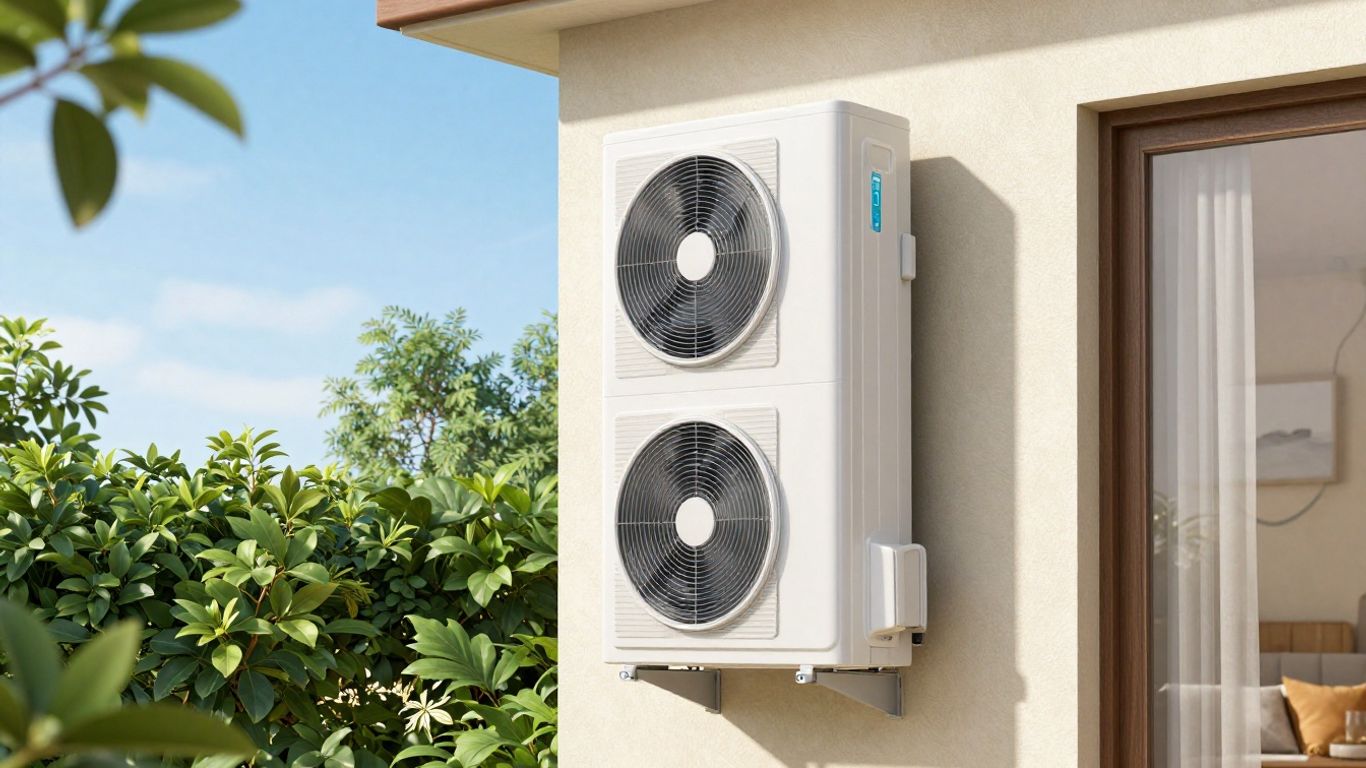
Making the switch to heat pumps isn’t just about being green; it’s about smart money too. But let’s be real, the upfront cost can be a hurdle for a lot of folks. We need practical ways to make this happen without breaking the bank.
Financing Zero-Carbon Development
When it comes to new construction, we should be pushing for buildings that are designed from the ground up to be energy efficient. This means making heat pumps the standard, not some fancy add-on. Investors need to see the long-term value here. It’s about building homes and businesses that cost less to run year after year. We’re talking about a future where energy bills aren’t a constant worry. Some investors are already looking at financing zero-carbon development as a smart bet, and that’s exactly the kind of thinking we need more of.
Offering Low-Interest Loans For Installations
For homeowners looking to upgrade, the sticker shock of a new heat pump system can be a real downer. That’s where accessible financing comes in. We need programs that offer low-interest loans specifically for heat pump installations. Think about it: a manageable monthly payment makes a big difference compared to a huge lump sum. This approach helps people make the switch without draining their savings. It’s a practical step that makes a tangible difference for families.
Investing In Performance And Cost Reduction
We can’t just install heat pumps and call it a day. We need to keep pushing for better technology that’s cheaper to make and more efficient to run. This means putting money into research and development. The goal is simple: make heat pumps perform better, especially in colder weather, and bring down the overall cost. When the technology gets better and cheaper, more people will naturally adopt it. It’s about making the best choice the easiest and most affordable choice for everyone.
Moving Forward
Look, getting more people to use heat pumps isn’t going to happen overnight. It takes a lot of different people and groups working together. We’ve talked about how important it is for folks to get on board, from the people making the rules to the guys installing the units. It’s about making sure these things are affordable and work well for everyone. We need to keep pushing for better technology and making sure folks know what they’re getting into. If we all do our part, we can make a real difference in how we heat and cool our homes, and that’s a good thing for all of us.
Frequently Asked Questions
What exactly is a heat pump and how does it work?
Think of a heat pump like a super-smart air conditioner that can also heat your home! Instead of making heat by burning fuel, it moves heat from one place to another. In the summer, it pulls heat from inside your house and moves it outside, cooling your home. In the winter, it does the opposite: it pulls heat from the outside air (even when it’s cold!) and moves it inside to warm your house. It’s a very energy-efficient way to control your home’s temperature.
Are heat pumps really better for the environment?
Yes, heat pumps are a big win for the planet! They use electricity instead of burning fossil fuels like natural gas or oil to heat your home. This means they don’t release harmful greenhouse gases that contribute to climate change. Plus, as more electricity comes from clean sources like solar and wind, heat pumps become even greener.
Can a heat pump keep my house warm enough when it’s really cold outside?
That’s a great question! Older heat pumps sometimes struggled in very cold weather. But today’s heat pumps are much better. Many models can efficiently heat homes even when temperatures drop well below freezing. For the coldest places, some people use a backup heating system, but advancements are making heat pumps work great in almost any climate.
Is it expensive to get a heat pump installed?
The initial cost to buy and install a heat pump can be more than a traditional furnace or air conditioner. However, there are often government programs and local incentives, like tax credits or rebates, that can significantly lower the price. Plus, because heat pumps are so energy-efficient, they can save you a lot of money on your energy bills over time, making them a good investment.
How long do heat pumps last, and what kind of maintenance do they need?
Heat pumps are built to last, typically between 15 to 20 years, similar to other major home appliances. To keep them running smoothly, it’s a good idea to have them checked by a professional once a year. Simple maintenance, like changing air filters regularly, also helps them work better and last longer.
What are the main benefits of switching to a heat pump for homeowners?
Switching to a heat pump offers several cool benefits! You get both heating and cooling from a single system, simplifying your home’s equipment. They’re much more energy-efficient than older systems, which means lower electricity bills. And, of course, they’re better for the environment because they don’t burn fossil fuels. Many people also find they provide more consistent and comfortable temperatures throughout their homes.




![[Trump] points accusingly at a shadowy crowd at the border.](https://countrybrief.com/wp-content/uploads/2025/11/thumbnail-151-768x432.jpeg)