US–China G2 undermines multipolarity
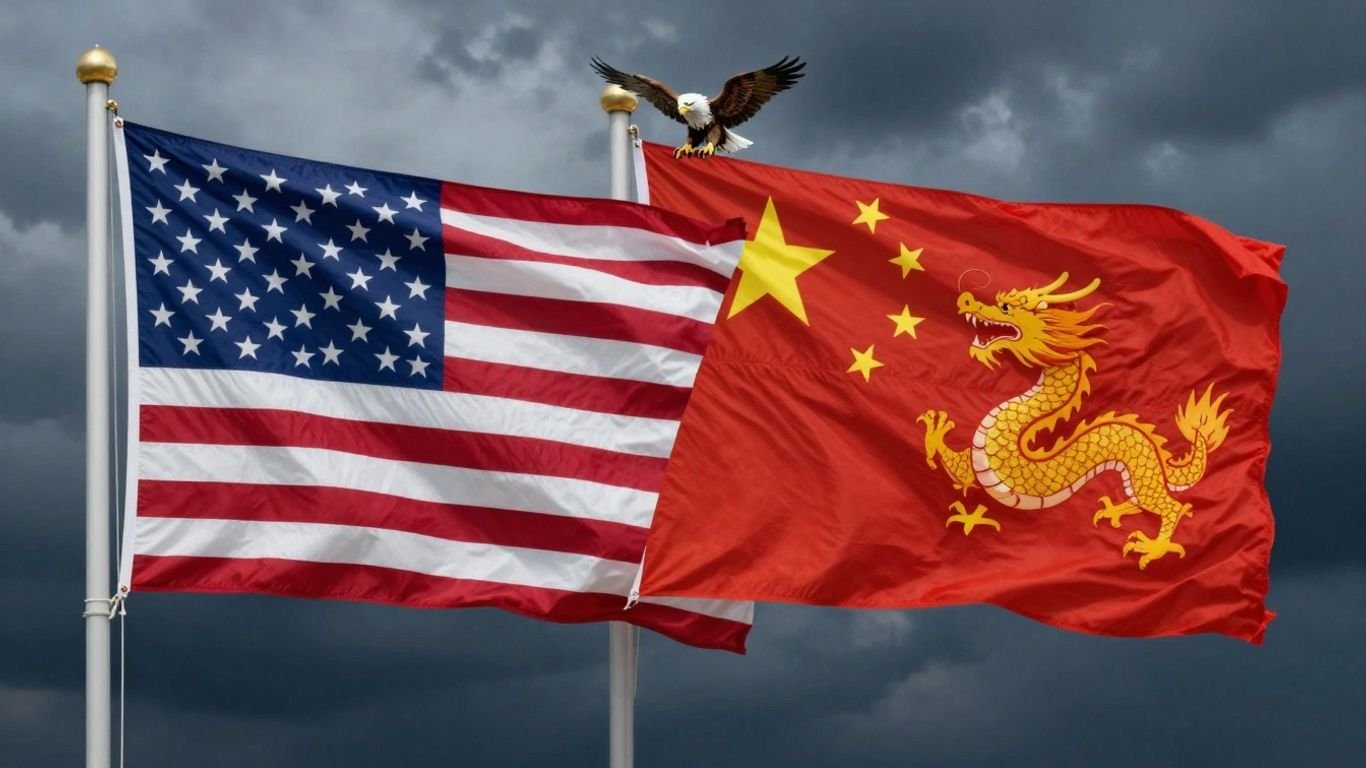
So, there’s this idea floating around called the G2, basically meaning just the US and China calling the shots on global stuff. It sounds like a quick fix, maybe, but it really messes with the idea of a world where lots of countries have a say. This whole G2 concept, whether it’s a real policy or just talk, seems to push aside other nations and could actually make things more unstable, especially in Asia. It’s a complex topic, and how it plays out could change a lot of things.
Key Takeaways
- The G2 idea, a framework where only the US and China lead global affairs, is seen as exclusionary and limits the strategic freedom of other nations, particularly emerging powers.
- Historically, G2 concepts have emerged from proposals for joint economic management and co-management of global issues, reflecting China’s growing international standing.
- A G2 arrangement could create uncertainty and risks of disorder in regions like Asia, potentially alienating traditional allies who benefit from the current US-led order.
- China’s official stance often rejects G2 comparisons, preferring to champion an orderly multipolar world while balancing its great power status with its ties to the Global South.
- US policy towards China has been inconsistent, and any talk of a G2 might be more of an incidental mention than a firm policy shift, yet it complicates regional dynamics.
The G2 Concept and Multipolarity
The idea of a ‘G2’ – essentially a world managed by just the United States and China – really throws a wrench into the whole multipolar world order challenges we’re seeing. It’s like saying only two people get to decide how a big party runs, ignoring everyone else who also wants a say. This kind of setup inherently leaves a lot of countries out in the cold.
Exclusionary Nature of a Big Two Framework
This whole G2 concept is pretty exclusionary, right? It suggests a framework where two powers, the US and China, would essentially dictate global affairs. This automatically sidelines other significant players and emerging powers. It’s hard to see how this fits with a world that’s supposed to have multiple centers of influence. It feels more like a return to a bipolar system, just with different players, which isn’t really what a multipolar world is about.
Constraining Strategic Autonomy
When you have a G2, it really limits the ability of other nations to make their own choices. Countries that have been working hard to build up their own influence and chart their own course find their strategic autonomy severely constrained. They might be forced to pick sides or align with one of the two giants, rather than pursuing independent foreign policies. This is a big deal for countries that see themselves as independent actors on the global stage.
Undermining Emerging Powers
Think about countries like India, Brazil, or South Africa. They’re often seen as part of the rising powers in a multipolar world. A G2 framework doesn’t really have a place for them to grow and exert influence. It risks reducing them to mere bystanders or junior partners, rather than the significant global actors they aspire to be. This directly challenges the idea of a multipolar world order where power is more diffused.
The G2 concept, by its very nature, creates a hierarchical structure that runs counter to the principles of a truly multipolar system. It risks reinforcing existing power imbalances rather than fostering a more inclusive global governance model.
Here’s a quick look at how this impacts different regions:
- Asia: Countries in Asia, especially those with complex relationships with China, would face immense pressure. Japan, for instance, has benefited greatly from the US-led order and might find a China-centric arrangement difficult to accept.
- Global South: Nations in the Global South, often advocating for a more equitable world order, would likely see a G2 as a step backward, potentially reinforcing a neo-colonial dynamic.
- International Institutions: Existing multilateral bodies, designed to accommodate a wider range of voices, could be sidelined or reshaped to serve the interests of the G2, weakening their legitimacy and effectiveness.
Historical Roots of the G2 Idea
The idea of a “G2,” a partnership between the United States and China to manage global affairs, didn’t just pop up out of nowhere. It’s got some history, mostly tied to big economic moments and shifts in how we think about international power.
Economic Management Proposals
Back in 2005, an economist named C. Fred Bergsten floated the concept. He thought the US and China, being the two biggest economies, should team up to steer the global economy. It made a certain kind of sense, right? Two giants working together could, in theory, smooth out a lot of bumps.
Co-management of Global Issues
This idea got a bit of a boost after the 2008 financial crisis. Zbigniew Brzezinski, a well-known foreign policy figure, suggested that a G2 could be the way to handle major global problems. Think climate change, pandemics, economic stability – the big stuff. The thinking was that if these two powers could agree, the rest of the world would likely follow.
China’s Evolving Stature
Of course, China’s role in all this has changed dramatically. For a long time, China wasn’t really seen as a co-manager. But as its economy grew and its global influence expanded, the idea of a G2 started to look different. China itself proposed something similar with its “New Type of Great Power Relations” under Xi Jinping. However, Chinese scholars have also been cautious. Some, like Yan Xuetong, argued in the past that China wouldn’t really buy into a G2 unless the US was genuinely ready to share power, which wasn’t always clear.
The evolution of the G2 concept mirrors China’s own rise on the world stage. What was once a theoretical economic partnership proposal has become a more complex discussion about global governance, with China increasingly asserting its own vision for international order.
- Early proposals focused on economic stability. The initial G2 ideas were largely about managing global markets and preventing financial meltdowns.
- Post-2008 crisis, the scope broadened. The focus shifted to a wider range of global challenges, including security and environmental issues.
- China’s own initiatives shaped the discourse. Beijing’s proposals for “great power relations” added a distinct Chinese perspective to the G2 discussion, emphasizing its growing status.
G2 Implications for Regional Stability
Uncertainty in Contested Seas
A G2 framework, where the US and China essentially call the shots, could really mess with places like the South China Sea and the Taiwan Strait. It’s not clear how this would play out for Taiwan itself, or for the ongoing disputes in those waters. This kind of arrangement risks creating more problems than it solves in the regions most affected.
Risks of Regional Disorder
While some folks think a G2 could make global management smoother, it might actually lead to more chaos locally. Think about it: countries that aren’t the US or China could feel left out or ignored. This could make existing tensions worse, especially in areas where there are already territorial disagreements.
Challenges for Traditional Allies
Traditional allies of the US, like Japan, would likely find a G2 arrangement quite difficult. Japan has its own security concerns with China and has benefited a lot from the US-led order. The idea of a China-centric Asia, which a G2 might imply, doesn’t sit well with them. They’ve warned that any deal that gives China a free hand on issues like Taiwan would be bad for their own safety.
The future of international relations is being shaped by these big power dynamics. A G2 concept, while seemingly simplifying things, could actually make the international landscape more unstable for many nations.
Here’s a quick look at how different countries might react:
- Japan: Worried about its security and the potential for a China-dominated region.
- India: Advocates for a multipolar world and would likely see a G2 as a step backward, limiting its own influence.
- Southeast Asian Nations: Concerned about increased pressure and reduced space for maneuver in their own regional affairs.
This shift could force smaller nations to make tough choices about who to align with, potentially leading to a more fragmented and less predictable regional order.
China’s Perspective on G2
When folks talk about a “G2” – basically, a world run by just the US and China – Beijing’s take is pretty nuanced. They’re not exactly jumping at the idea, and it’s not because they don’t see themselves as a major player. It’s more about how they see the global picture and their place in it. China wants to be seen as a great power, but also as a champion for the Global South. This creates a bit of a balancing act.
Balancing Great Power Status and Global South Legitimacy
China’s official line often emphasizes its role as the world’s largest developing country. They push for an “equal and orderly multipolar world.” This means they’re wary of anything that looks like a return to a bipolar system, like the Cold War. A G2 framework, by its nature, could sideline many other nations, and China doesn’t want to be seen as part of an arrangement that ignores the concerns of developing countries. They’ve been pretty clear about this, especially when the G2 idea pops up in discussions about US China relations impact.
Rejection of Bipolar Comparisons
Chinese scholars and officials generally steer clear of the G2 label. The main reason? It brings up uncomfortable comparisons to a bipolar world order, which they actively oppose. They prefer a system where power is more spread out. While they acknowledge the significant influence of both the US and China, they don’t want to formalize a structure that suggests a simple two-way dominance. It’s seen as a step backward from the multipolar vision they advocate for.
Advocacy for an Orderly Multipolar World
Instead of a G2, China consistently promotes the idea of a multipolar world. This isn’t just about having multiple centers of power; it’s about ensuring that these centers interact in an orderly fashion. They believe this approach better reflects the current global landscape, which is far more complex than a simple two-power dynamic. This stance is a direct response to the ongoing geopolitical competition US China and their desire to shape global norms rather than just follow them.
US Policy Ambiguity and G2
Oscillating Approaches to China
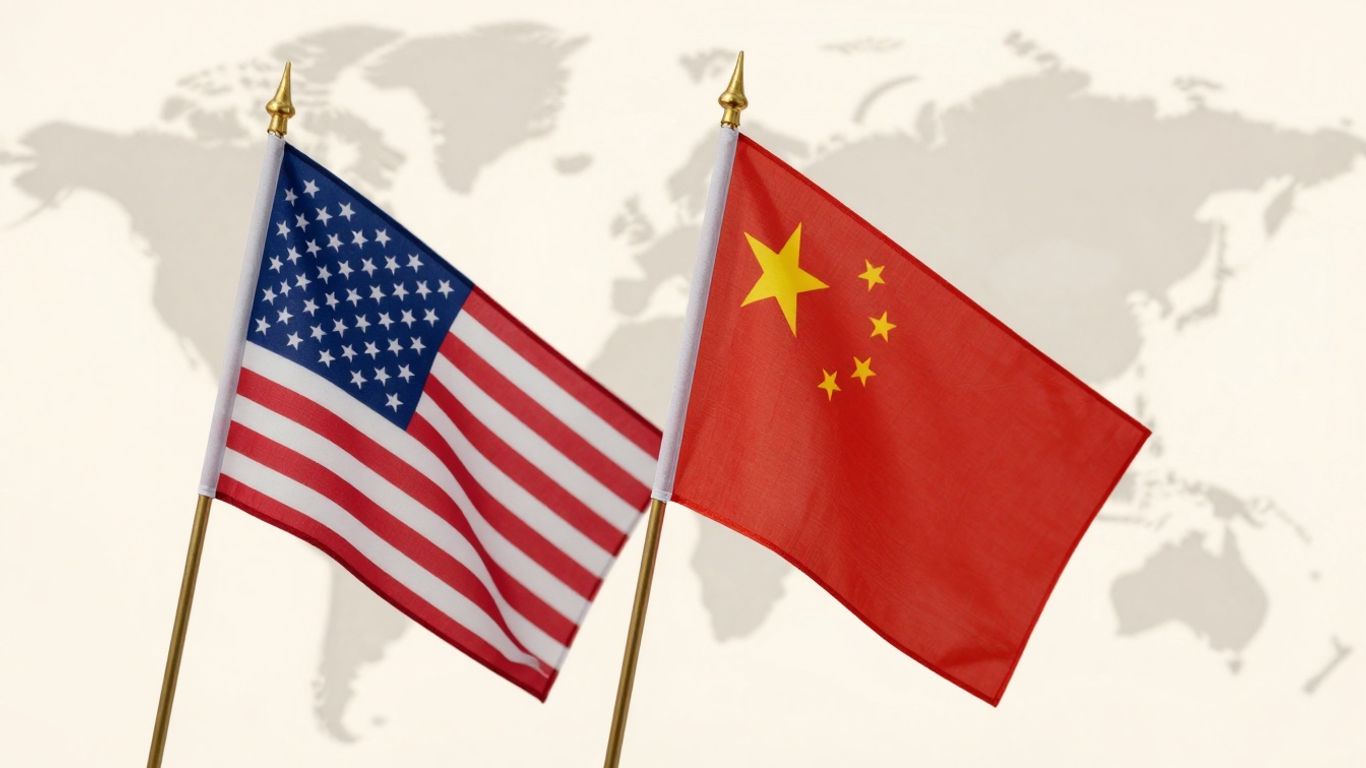
The United States’ stance on China has been, to put it mildly, all over the place lately. During the Trump administration, we saw a real mix of tactics. One minute it was about applying pressure, the next it was trying to balance things out, and then there were these moments of conditional cooperation. It’s hard to pin down a consistent strategy. Washington has used economic tools, sometimes quite aggressively, to influence both allies and rivals. There was even talk of a strategy to try and break up the China-Russia connection and reassert American dominance.
Tentative Embrace of G2 Lexicon
Interestingly, amidst all this back-and-forth, the idea of a G2 – a framework where the US and China essentially manage global affairs together – has popped up. It’s like a tentative nod to this concept, suggesting a special US-China hierarchy. This framing can make it seem like Beijing’s preeminence is just part of managing global issues, which is a bit of a spin. This kind of talk, especially when it surfaces in informal settings like social media posts before high-level meetings, can be seen as a step backward, ignoring the fact that power is spread out more now. It doesn’t really fit with the current global picture where power is more diffused.
Incidental Invocation vs. Policy Shift
So, was this talk of a G2 a real policy change, or just something said in the moment? It’s hard to say for sure. When the US mentions a G2, it can be interpreted in different ways. For China, responding to such mentions, they’ve been clear. They emphasize their role as the largest developing country and a voice for the Global South, advocating for a multipolar world where everyone is treated equally. The US foreign ministry’s response to Trump’s G2 reference highlighted this, stating Beijing stands for an “equal and orderly multipolar world.” This suggests that any invocation of a G2 framework might be more incidental, a passing remark rather than a solid, decided policy shift. It complicates things for countries in Asia, forcing them to rethink their own strategies and alliances as they try to figure out where they fit in this shifting balance of power. This situation compels regional powers to reassess their strategic decisions.
- The G2 concept, by its nature, tends to exclude other significant global players.
- It risks creating a bipolar dynamic, which doesn’t align with the current trend towards a multipolar world.
- Such a framework could limit the strategic space for emerging powers like India, which prioritizes multipolarity.
Navigating a Shifting Balance of Power
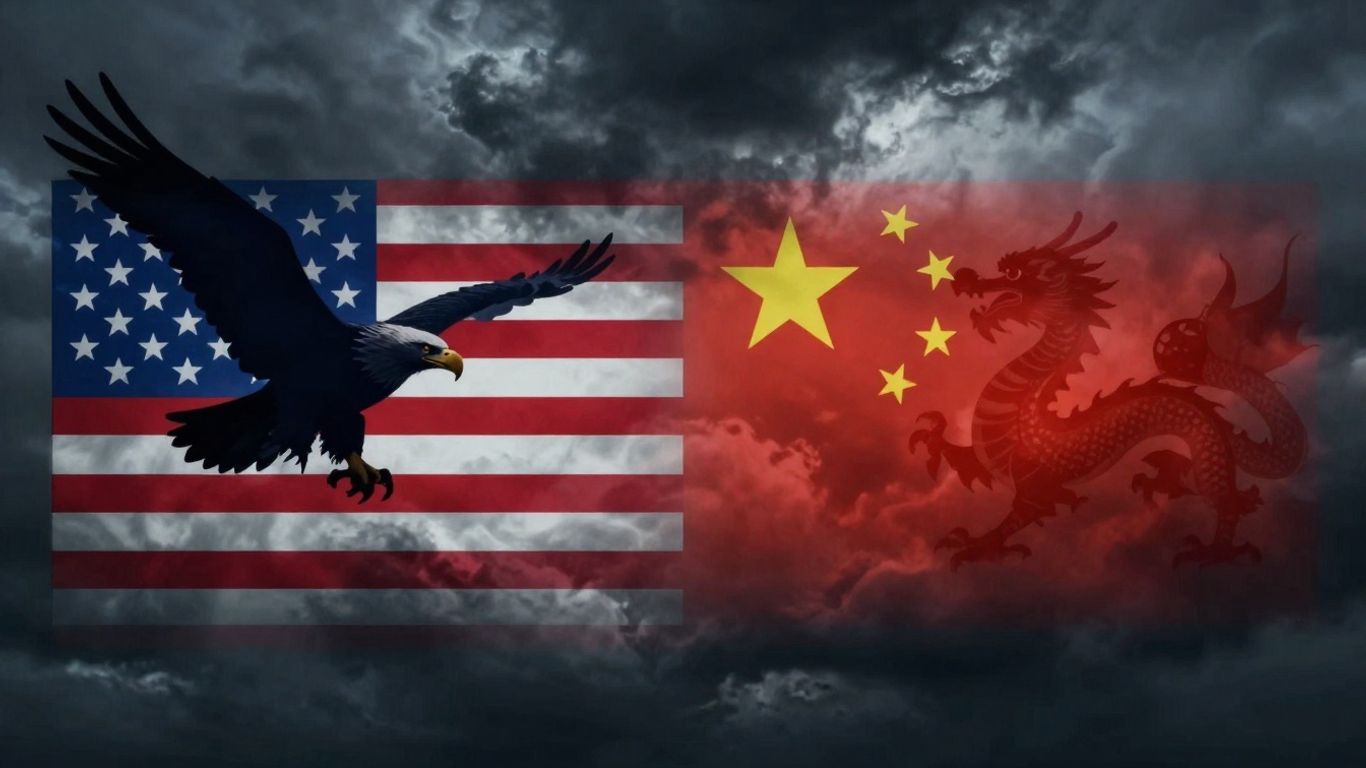
The whole global power dynamics shift we’re seeing makes things pretty complicated for everyone involved, especially for countries in Asia. It’s not just about the US and China anymore, even though some people keep talking about a ‘G2’. This idea of just two big players calling the shots really doesn’t fit with how things are actually working out.
Complicating Choices for Asian Capitals
For countries in this region, it means they have to think really hard about their own strategies. They can’t just assume things will stay the same. They’re caught between wanting to maintain good relations with both the US and China, while also trying to keep their own independence. It’s a tough balancing act. They have to figure out where they fit in this new setup, and it’s not always clear what the best move is. Some might lean one way, others another, and some will try to play both sides.
Recalibrating Roles in Indo-Pacific Stability
This whole situation forces everyone to rethink their place in keeping the Indo-Pacific stable. If the US and China are seen as the main actors, what does that mean for countries like Japan, South Korea, or India? They have their own interests and security concerns. They can’t just be bystanders. They need to adjust how they contribute to regional security and stability, making sure their voices are heard and their concerns are addressed. It’s about finding a way to work together, or at least coexist, in a way that doesn’t lead to more conflict.
The idea of a G2, where two powers dominate, feels a bit outdated when you look at the world today. Lots of countries are growing stronger and want a say in how things are run. Pretending it’s just a two-person game ignores this reality and can actually make things more unstable.
Here’s a look at how different countries might be thinking:
- India: Pushing for a multipolar world where many countries have influence. Doesn’t want to be sidelined.
- Japan: Worried about a China-centric order and relies on its alliance with the US.
- South Korea: Trying to balance economic ties with China and security cooperation with the US.
- ASEAN Nations: Focused on maintaining their own centrality and avoiding being forced to choose sides.
Wrapping It Up
So, looking at all this, the idea of just two big players, the US and China, calling all the shots just doesn’t really fit with how the world works anymore. Power is spread out now, and other countries want their own say. Pushing for a G2 setup, even if it’s just talk, really messes with that. It makes countries that want to chart their own course feel sidelined and could actually make things more unstable, not less. It’s a complicated dance, and trying to force it into a simple two-person routine just isn’t going to work for everyone involved.
Frequently Asked Questions
What is the G2 idea?
The G2 idea is like saying only the two biggest players, the US and China, should make the big decisions for the world. It’s like suggesting only the two most popular kids in school should decide all the rules for everyone else. This makes other countries feel left out.
Why is the G2 concept bad for other countries?
It’s bad because it makes other countries, especially newer ones trying to become important, feel like they don’t matter. It’s like saying only the top two teams in a league get to decide how the sport is played, ignoring all the other teams that also want a say.
How could the G2 idea cause problems in certain areas?
If the US and China try to make all the rules, it could create confusion and arguments in places where countries already disagree, like in the seas near Asia or along borders. It might make things more tense instead of peaceful.
What does China think about the G2 idea?
China doesn’t really like being called a ‘G2’ because it makes it sound like they’re just the second-biggest power. They prefer to be seen as a leader for developing countries and want a world where many countries have power, not just two.
Has the US always wanted a G2 with China?
The US approach to China has changed a lot. Sometimes they try to work together, and sometimes they try to compete. The idea of a G2 has popped up now and then, but it’s not always a clear plan or a big policy change.
What does a ‘multipolar world’ mean?
A multipolar world means that power is spread out among many different countries or groups, not just one or two. It’s like a classroom where many students have good ideas, instead of just the two smartest students always being in charge.

![[Donald Trump] gestures, hinting at a third term.](https://countrybrief.com/wp-content/uploads/2025/10/thumbnail-64-768x432.jpeg)