
US Military Faces Scrutiny Over Venezuela Boat Strike Amidst ‘Fog of War’ Debate
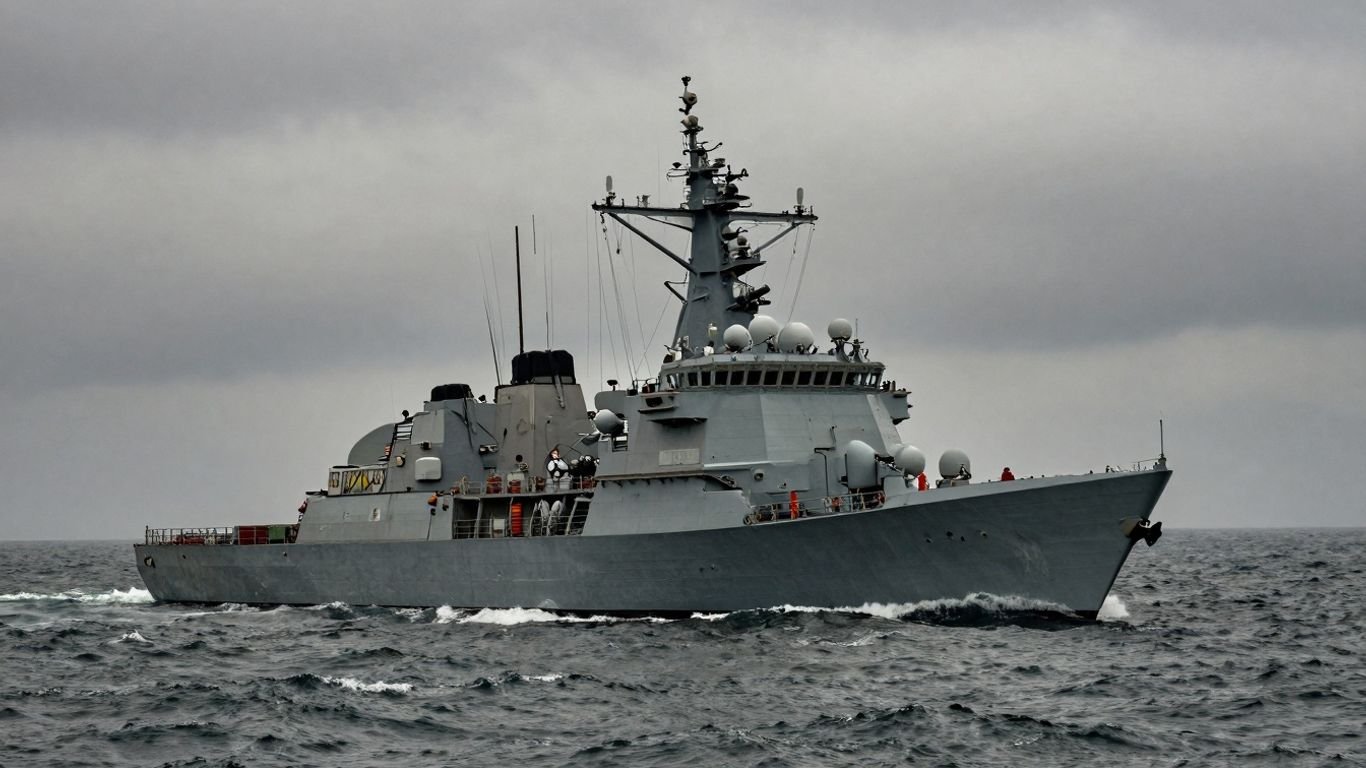
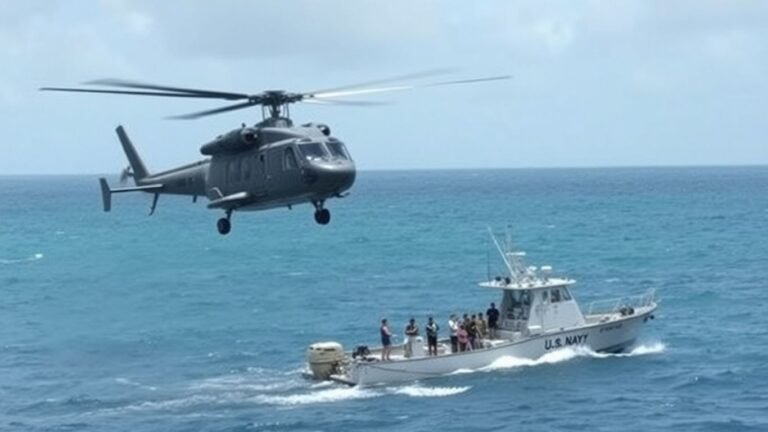
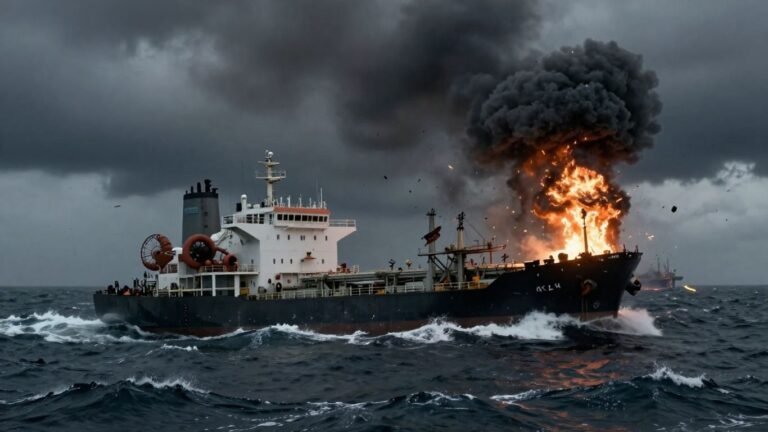
A recent strike involving US forces has ignited controversy, raising serious questions about potential violations of international laws governing armed conflict. Survivors of the incident, which targeted a vessel in Venezuela, claim they were not obscured by the "fog of war," challenging official narratives and prompting calls for a thorough investigation into the events.
Key Takeaways
- Survivors dispute the "fog of war" explanation for the strike.
- Concerns are mounting over potential breaches of international humanitarian law.
- The incident has led to increased scrutiny of US military operations.
The Incident and Emerging Doubts
The strike, which occurred in Venezuelan waters, has become a focal point for debate regarding the conduct of US military operations. While official accounts may suggest the strike was a legitimate action taken under challenging circumstances, survivors’ testimonies are casting doubt on this interpretation. The assertion that they were not hidden by the "fog of war" implies that the targets were clearly identifiable, potentially making the strike indiscriminate or disproportionate.
Legal and Ethical Implications
International humanitarian law, often referred to as the laws of armed conflict, sets strict rules for the conduct of hostilities. These laws aim to protect civilians and limit the effects of warfare. Key principles include distinction (distinguishing between combatants and civilians) and proportionality (ensuring that anticipated military advantage is not excessive in relation to incidental loss of civilian life or damage to civilian objects).
The allegations stemming from the Venezuela boat strike suggest a possible failure to adhere to these fundamental principles. If US forces could clearly identify the targets and the surrounding environment, then the justification for the strike, particularly if it resulted in civilian harm, becomes highly questionable. This has led to calls from various quarters for a transparent and impartial investigation to ascertain the facts and determine accountability.
Calls for Accountability and Transparency
The controversy underscores the critical importance of transparency and accountability in military actions, especially those conducted in complex environments. As the situation unfolds, international observers and human rights advocates will be closely watching for the US military’s response and any measures taken to address the concerns raised by the survivors and their supporters. The outcome of this scrutiny could have significant implications for future military conduct and adherence to international law.

One Comment