
US Military Slows Islamic State Detainee Transfers to Iraq Amid Repatriation Calls
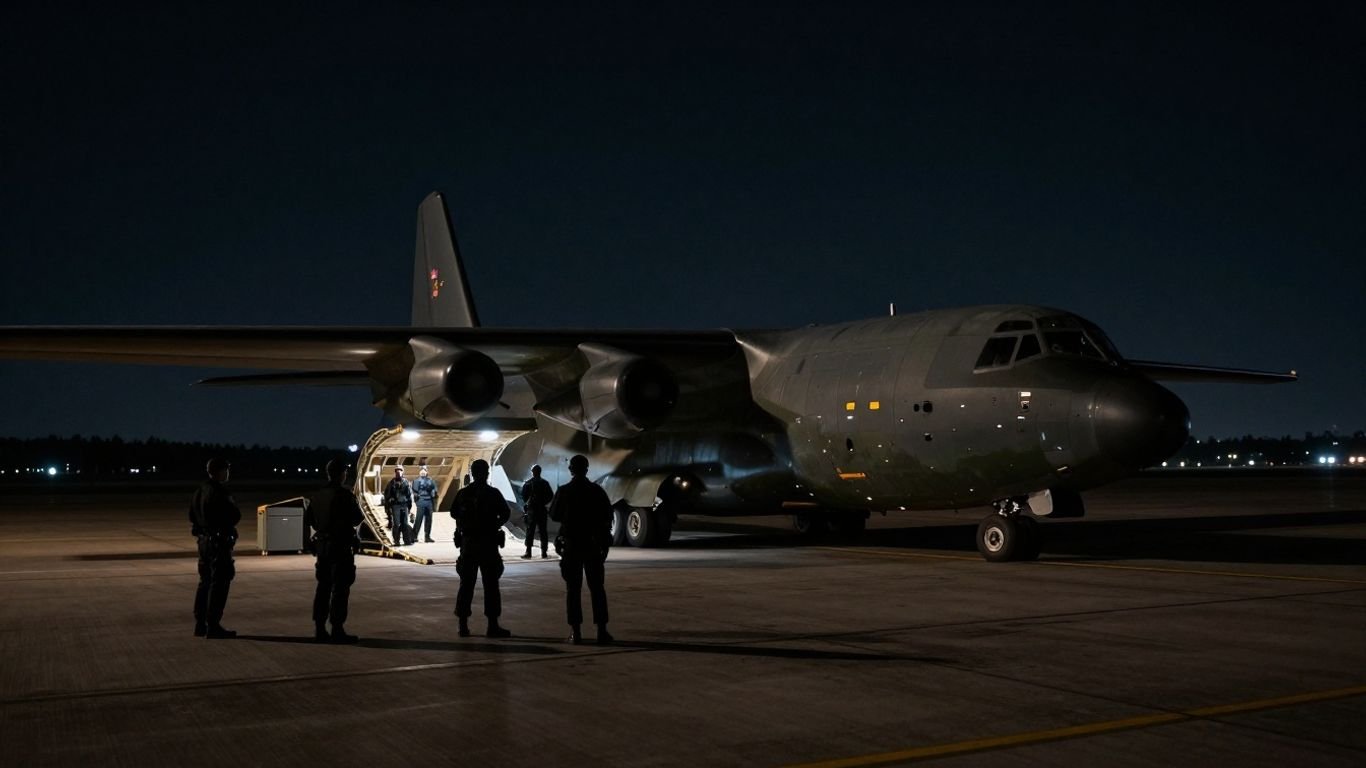
Transfers of Islamic State detainees from Syria to Iraq by the U.S. military have reportedly slowed this week, according to seven sources familiar with the matter. This development follows recent calls from Baghdad for other nations to repatriate thousands of foreign jihadists currently held in Iraq.
Key Takeaways
- U.S. military transfers of Islamic State detainees to Iraq have decreased.
- The slowdown coincides with Baghdad’s push for other countries to take back their foreign fighters.
- The exact reasons for the reduced transfers remain unclear.
Reduced Transfers Amidst Diplomatic Pressure
The U.S. military has reportedly reduced the pace at which it transfers Islamic State detainees from Syria to Iraq. This shift comes at a critical juncture as Iraq intensifies its diplomatic efforts to encourage foreign governments to repatriate their citizens who joined the extremist group.
Baghdad has been vocal in its demands for countries to reclaim thousands of foreign jihadists held in Iraqi prisons. The exact number of detainees affected by this slowdown and the specific duration of the reduced transfers were not immediately available. However, the seven sources indicated a noticeable decrease in the movement of these individuals.
Context of Detainee Management
Iraq currently holds thousands of foreign fighters suspected of belonging to the Islamic State. The Iraqi government has repeatedly urged Western nations, in particular, to take responsibility for their nationals who traveled to join the militant group. The management and prosecution of these detainees pose significant legal, security, and logistical challenges for Iraq.
The U.S. military has historically played a role in transferring detainees from Syrian Democratic Forces (SDF)-run facilities to Iraqi custody, often as part of broader efforts to manage the threat posed by the remnants of the Islamic State. The reasons behind the current slowdown are not explicitly stated by the sources, but the timing suggests a potential response to or a consequence of the ongoing diplomatic discussions surrounding repatriation.