
US Navy Super Carrier USS Abraham Lincoln Heading to the Middle East
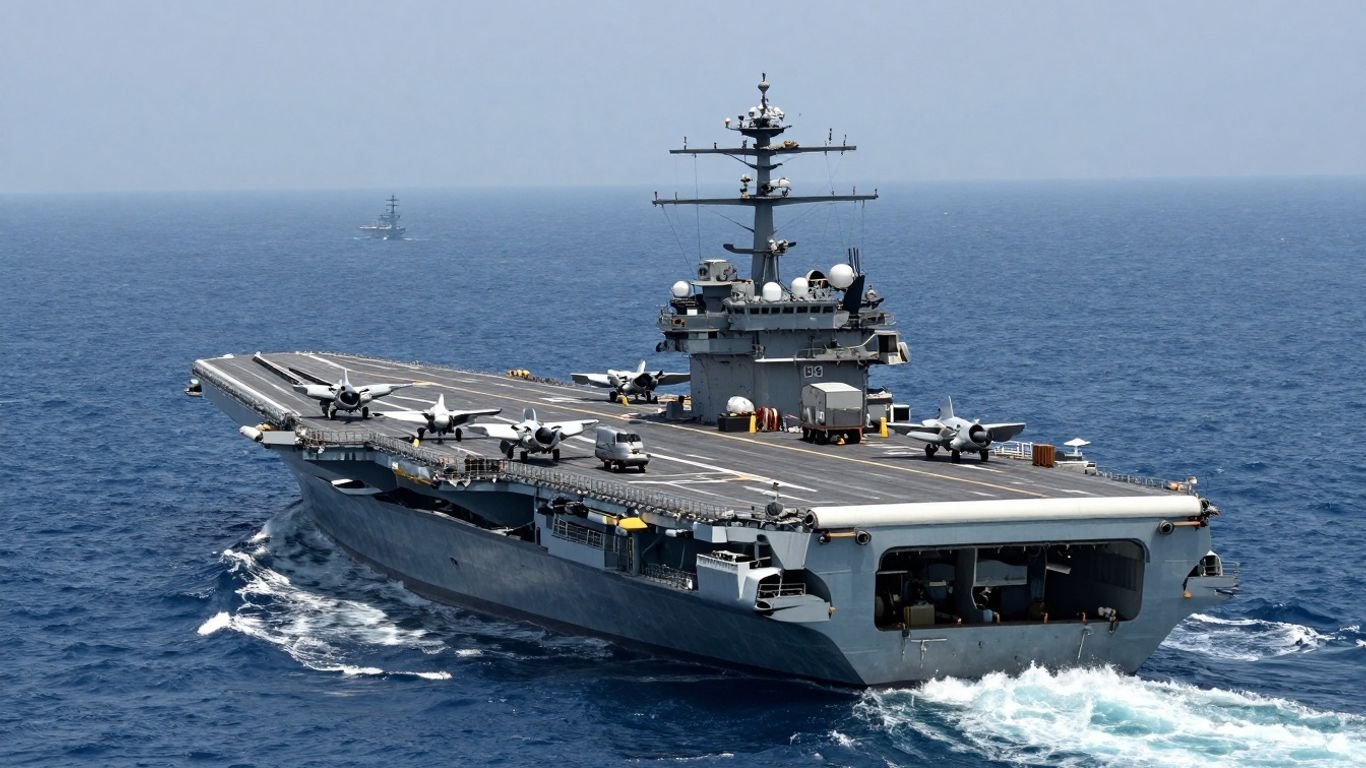
Things are heating up again in the Middle East, and the US Navy is sending a big signal. The supercarrier USS Abraham Lincoln is now on its way to the region. This move comes as tensions rise, and it’s a pretty significant deployment. The carrier isn’t traveling alone, either; it’s bringing its whole strike group with it. This is a big deal for showing readiness and what the US is prepared to do.
Key Takeaways
- The US Navy’s USS Abraham Lincoln supercarrier is heading to the Middle East. This deployment is happening because of growing tensions in the region.
- The USS Abraham Lincoln is part of a Carrier Strike Group, which includes destroyers and an air wing. This group is designed to project power and respond to situations.
- This deployment shows the US is ready to respond and act as a deterrent. It also highlights the challenges the US Navy faces in managing its global presence and resources.
US Navy Supercarrier Deploys to Middle East
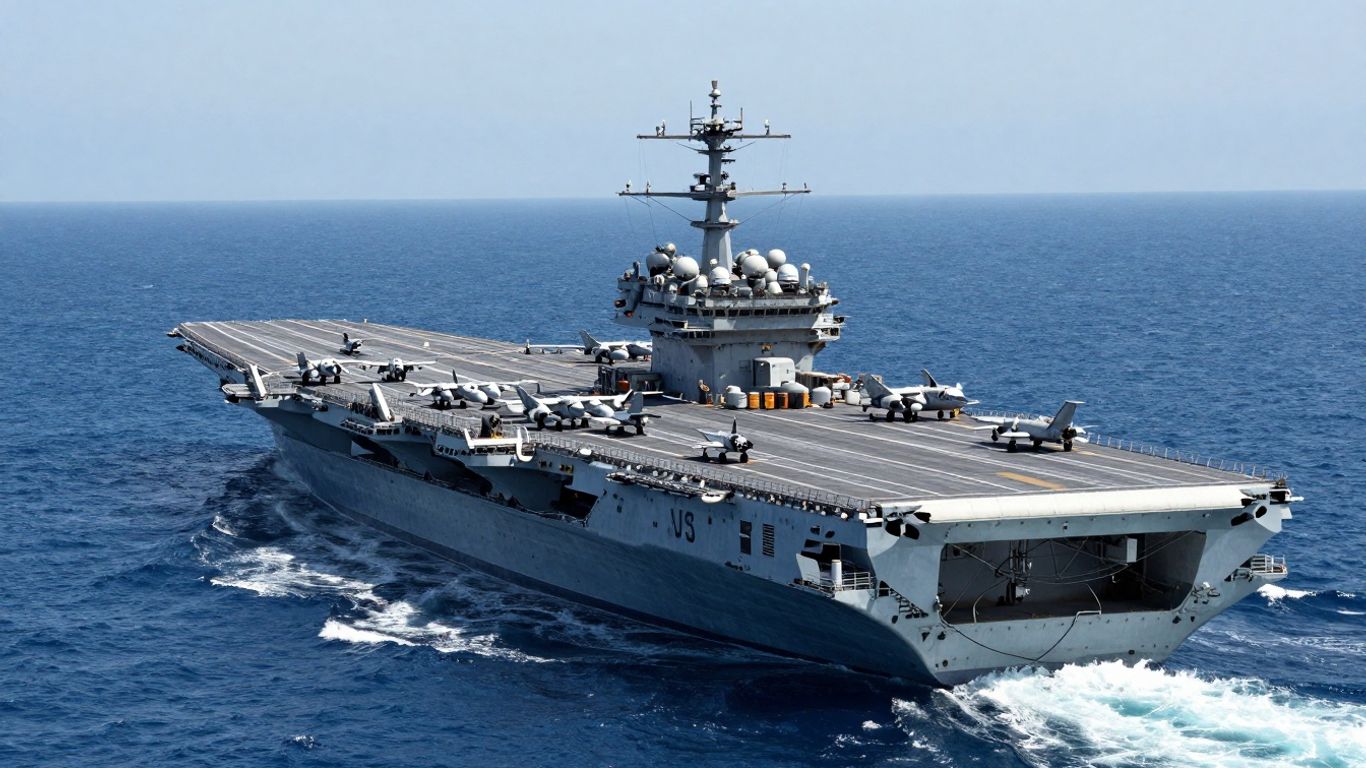
USS Abraham Lincoln Heads Towards Escalating Tensions
The US Navy’s supercarrier, the USS Abraham Lincoln (CVN-72), is currently making its way to the Middle East. This significant US Navy deployment comes at a time of heightened tensions between the United States and Iran. The massive American aircraft carrier was previously operating in the South China Sea, conducting routine exercises. Its redeployment signals a shift in focus and a show of force in a volatile region. The movement of the USS Abraham Lincoln to the Middle East is a direct response to growing concerns over regional stability. This move is part of broader naval operations Middle East strategy.
Carrier Strike Group Composition and Mission
The USS Abraham Lincoln Carrier Strike Group (CSG) is a formidable force. It includes the supercarrier itself, along with Carrier Air Wing 9. This air wing is equipped with a variety of aircraft, including F/A-18E/F Super Hornets for strike missions, EA-18G Growlers for electronic warfare, E-2D Advanced Hawkeyes for airborne early warning, and MH-60R/S Seahawks for utility and anti-submarine roles. Supporting the carrier are several Arleigh Burke-class guided-missile destroyers: USS Spruance (DDG 111), USS Michael Murphy (DDG 112), and USS Frank E. Petersen Jr. (DDG 121). While not always disclosed for security reasons, a nuclear-powered fast-attack submarine typically operates with such a group.
The primary mission for this deployment is multifaceted:
- Deterrence: Projecting American power to discourage aggression.
- Preparedness: Ensuring readiness for any potential conflict.
- Regional Stability: Maintaining a visible presence to reassure allies.
The presence of a carrier strike group in the Middle East serves as a clear signal of commitment and capability. It’s about more than just military might; it’s about communicating resolve to allies and adversaries alike. This strategic positioning allows for rapid response and flexible naval operations Middle East scenarios.
This deployment highlights the complex balancing act the U.S. Navy faces, managing global commitments while addressing specific regional challenges. The USS Abraham Lincoln’s journey underscores the ongoing importance of naval presence in maintaining international security. You can find more details on the USS Abraham Lincoln Middle East context.
Strategic Implications of US Naval Presence
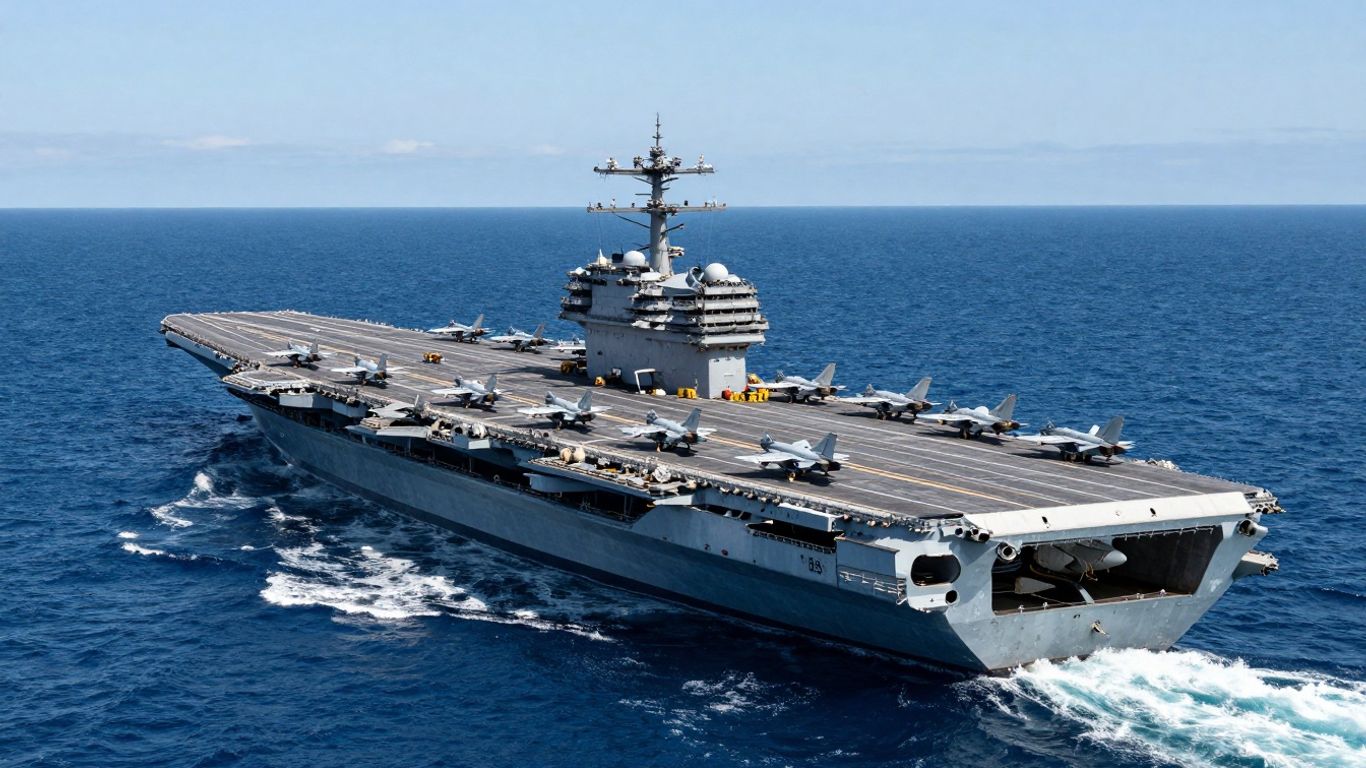
When the US Navy moves a supercarrier like the USS Abraham Lincoln into the Middle East, it means more than just another ship in the water. This kind of US military presence sends a clear message to both allies and potential adversaries: the United States is ready and watching closely. Here’s what this move could mean for the region and for global strategy.
Deterrence and Preparedness in the Region
A carrier strike group is basically a floating city with advanced jets, helicopters, destroyers, and sometimes submarines. Its presence helps the US react quickly if things heat up. Some key effects:
- Deters hostile moves by showing US military power is nearby and ready to act.
- Supports allies by reassuring countries like Israel, Saudi Arabia, and the Gulf states that the US stands by them.
- Gives the US flexibility to enforce no-fly zones, deliver airstrikes, or evacuate civilians if it comes to that.
- Enhances intelligence gathering and surveillance across contested zones.
With so many moving parts in the Middle East, just having a carrier sitting offshore changes the whole calculation for anyone thinking about starting a fight.
Balancing Global Naval Deployments
Sending the USS Abraham Lincoln and its carrier strike group to the Middle East isn’t without tradeoffs. The US Navy has to juggle its limited carrier fleet across different regions, and that means tough choices.
Here’s a quick look at the situation:
| Region | Recent/Current Carrier Presence | Key Considerations |
|---|---|---|
| Middle East | Increasing | Rising tensions, Iran threat |
| Indo-Pacific | Thinner | Maintenance, fewer available carriers |
| Caribbean | Steady | Operations linked to Venezuela policy |
Things the US Navy has to weigh right now:
- Keeping enough carriers in hotspots to respond fast if something blows up.
- Not leaving other regions, like the South China Sea, exposed to risk because too many ships are elsewhere.
- Rotating carriers for maintenance—these ships can’t run non-stop without breaking down or jeopardizing safety.
Balancing where to send ships makes life tough for Pentagon planners, especially when there are several hot zones at once and not enough ready carriers to go around. The decision to send the USS Abraham Lincoln to the Middle East reflects how seriously the US is taking the current threat, even if it stretches the Navy thinner in other areas.
What’s Next?
So, the USS Abraham Lincoln is making its way to the Middle East. It’s a big ship with a lot of planes and other vessels tagging along. This move comes at a tense time, with a lot going on between the US and Iran. It’s hard to say exactly what will happen next, but sending a carrier strike group like this usually sends a pretty clear message. We’ll just have to wait and see how things play out in the region.
Frequently Asked Questions
Why is the USS Abraham Lincoln going to the Middle East?
The USS Abraham Lincoln is sailing to the Middle East because tensions are rising in the region. The U.S. Navy is sending the supercarrier and its supporting ships to show strength and be ready for any situation.
What is a Carrier Strike Group?
A Carrier Strike Group is like a small navy that travels together. It includes a big aircraft carrier, like the USS Abraham Lincoln, along with destroyers (ships that fight other ships and submarines) and usually a submarine. They all work as a team.
How long will it take for the USS Abraham Lincoln to get there?
It takes about a week for the USS Abraham Lincoln and its group of ships to travel from where they were in the South China Sea to the Middle East.