US vs. Iran: What’s the Deal?
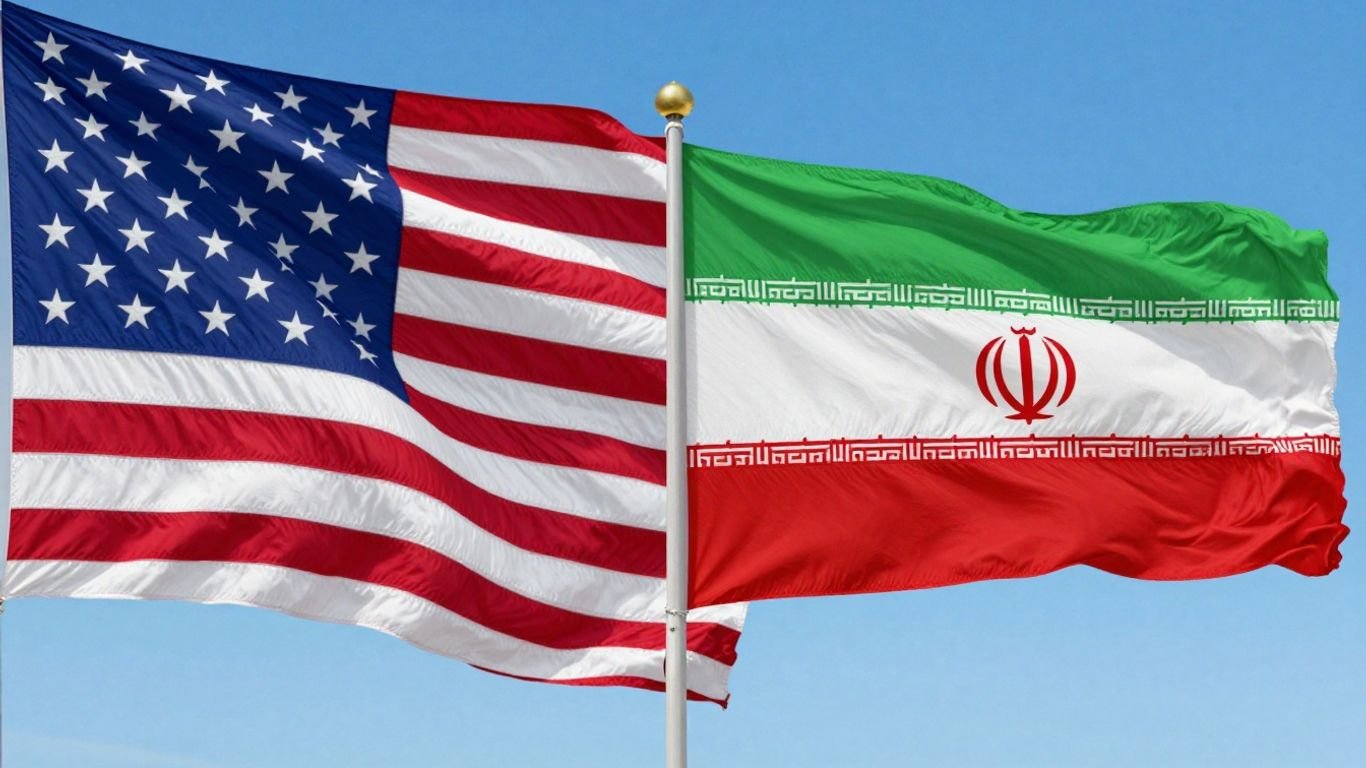
The relationship between the US and Iran is complicated, to say the least. It’s a mix of long-standing disagreements, nuclear concerns, and regional power plays. Trying to figure out what’s really going on can feel like untangling a really messy ball of yarn. This article breaks down some of the key issues that define the dynamic between these two countries.
Key Takeaways
- The nuclear standoff remains a major point of contention, with ongoing efforts to halt Iran’s uranium enrichment and prevent it from developing nuclear weapons.
- A history of mistrust and hostile actions on both sides has created a cycle of sanctions and retaliation, making diplomatic solutions difficult.
- Proxy conflicts and Iran’s support for certain groups in the Middle East create instability and involve the US and its allies in regional disputes.
- Despite numerous attempts, diplomatic negotiations have frequently failed to yield lasting agreements, often due to disagreements over enrichment, sanctions, and Iran’s nuclear program.
- The possibility of military conflict looms, with both sides engaging in military posturing and issuing threats, which could have devastating consequences for the region and the world.
The Nuclear Standoff: A Threat to Global Security
Iran’s Persistent Pursuit of Nuclear Capabilities
It’s no secret that Iran has been playing a dangerous game with its nuclear program for a long time. While they claim it’s all for peaceful energy, the evidence suggests otherwise. We’ve seen reports from the IAEA, the UN’s nuclear watchdog, showing enrichment levels that are way too close to what’s needed for weapons. They’ve built up a stockpile of highly enriched uranium, and frankly, there’s no good civilian reason for it.
This gives them the ability to make enough bomb material pretty quickly if they decide to. It’s not like they’re doing this in a vacuum either; there’s talk of help from places like Pakistan and North Korea, which just adds to the worry. Some intelligence even points to Iran developing long-range missiles, capable of reaching pretty far. The idea that Iran is just looking for power is a dangerous fiction.
The international community has tried to put a lid on this, slapping sanctions on Iran to try and slow them down. But Iran keeps pushing, and the whole situation feels like it’s constantly on a knife’s edge. It makes you wonder what their real endgame is.
US Efforts to Halt Iran’s Nuclear Ambitions
The United States has been trying to put the brakes on Iran’s nuclear ambitions for years. We’ve seen a lot of back-and-forth, including the big push for the Joint Comprehensive Plan of Action, or JCPOA, back in 2015. The idea was to put strict limits on Iran’s program in exchange for lifting some sanctions. But, as we all know, that deal didn’t last. President Trump pulled us out in 2018, saying the deal was fundamentally flawed and didn’t address Iran’s other bad behavior, like their missile program and support for terrorism. He was right to call out the deal’s shortcomings.
Since then, things have been pretty tense. The Biden administration tried to get back into talks, but those efforts didn’t really go anywhere. It feels like we’re stuck in a loop, with Iran inching closer to having the bomb while we try to figure out the best way to stop them without starting a war. It’s a tough spot, and frankly, it’s a major security risk for everyone.
The Perilous Path of Uranium Enrichment
Uranium enrichment is the core of this whole problem. It’s the process that takes natural uranium and makes it more potent, eventually reaching levels suitable for nuclear weapons. Iran’s advancements in this area are deeply concerning. They’ve been steadily increasing their enrichment capabilities, and the international community, including the IAEA, has been watching closely. The worry is that once Iran masters this technology, it’s very hard to put the genie back in the bottle.
A nuclear-armed Iran would completely change the game in the Middle East and beyond. It could lead to a domino effect, with other countries in the region feeling pressured to develop their own nuclear weapons. This isn’t just about one country; it’s about preventing a wider proliferation that could destabilize the entire world. The current iran nuclear deal status is basically non-existent, leaving a dangerous vacuum. We’ve seen reports that Iran has identified new locations for this work, making it even harder to monitor and control. It’s a path that leads to more danger, not less.
A History of Hostility and Mistrust
It’s no secret that the relationship between the United States and Iran has been pretty rough for a long time. We’re talking decades of bad feelings and not trusting each other, going way back. It’s not just a recent thing; this history is pretty deep.
Iran’s Anti-American Rhetoric and Actions
Ever since the 1979 revolution, Iran has been pretty vocal about its dislike for America. You hear it all the time from their leaders – calling the US the “Great Satan” and stuff like that. This isn’t just talk, though. They’ve backed actions that have directly harmed American interests and allies in the region. Think about the hostage crisis back in the day, or their ongoing support for groups that are hostile to the US and its partners. It’s a pattern of behavior that’s hard to ignore.
US Responses to Iranian Aggression
America hasn’t just sat back and taken it. Over the years, the US has responded to Iran’s actions in various ways. We’ve seen sanctions, diplomatic pressure, and sometimes, military posturing. The goal has always been to try and curb Iran’s destabilizing activities and protect our interests and allies. It’s a tough balancing act, trying to deter them without sparking a bigger conflict. The Trump administration, for example, really leaned into a “maximum pressure” campaign, withdrawing from the nuclear deal and reimposing tough sanctions. They felt the previous deal didn’t go far enough in addressing Iran’s broader problematic behavior [cca0].
The Cycle of Sanctions and Retaliation
This back-and-forth has created a real cycle. Iran does something that crosses a line, the US responds with sanctions or other measures, and then Iran retaliates, often indirectly. This has led to a lot of economic pain for Iran, which, in turn, can sometimes make hardliners there even more entrenched. It’s a complicated situation where actions have consequences, and those consequences often lead to more actions. It feels like a loop that’s been hard to break out of for years.
Proxy Wars and Regional Destabilization
Iran has a long history of using proxies to advance its agenda and destabilize regions, particularly in the Middle East. This strategy allows them to project power and cause trouble without directly engaging their own forces, which is a classic move for a regime that’s always looking for an edge. They’ve been known to back groups that are, frankly, terrorist organizations, fueling conflicts and making life difficult for our allies. It’s a dangerous game they play, and it keeps the whole region on edge.
Iran’s Support for Terrorist Organizations
We’ve seen Iran funnel money, weapons, and training to groups that are actively working against American interests and regional stability. Think about groups like Hezbollah in Lebanon, or the Houthis in Yemen. These aren’t just local militias; they’re tools Iran uses to stir up trouble and undermine governments that are friendly to the United States. This support is a direct challenge to our national security and the security of our partners. It creates a constant threat that requires our attention and resources to counter.
US Alliances in the Middle East
Because of Iran’s meddling, the United States has had to strengthen its alliances with countries in the Middle East. We work closely with nations like Israel, Saudi Arabia, and the UAE to counter Iranian influence and deter aggression. These partnerships are vital for maintaining a balance of power and preventing Iran from dominating the region. It’s about collective security, making sure that no single bad actor can dictate terms to everyone else. We’re committed to standing with our friends.
The Impact on Regional Stability
Iran’s proxy activities have a huge impact on regional stability. It leads to ongoing conflicts, humanitarian crises, and a general atmosphere of fear and uncertainty. When you have a state sponsor of terrorism actively working to destabilize its neighbors, it makes peace incredibly hard to achieve. The Strait of Hormuz, a critical shipping lane, is often threatened, which impacts global trade. It’s a complex web of issues, and Iran’s actions are a major reason why the Middle East remains such a volatile area.
We’ve seen recent escalations, with Iran launching missiles and drones, and the U.S. and Israel responding with strikes on Iranian defense assets. It’s a cycle that needs to be broken, and frankly, Iran’s leadership seems unwilling to change its ways. The situation is tense, and the potential for wider conflict is always there. We’ve seen reports of Iran talking with Russia about war efforts, and defense contractors are being called in to ramp up production. Even NATO is on alert, though they haven’t invoked Article V yet. It’s a serious situation that demands a strong response.
The constant threat of Iranian-backed proxies creates a perpetual state of instability, forcing the U.S. and its allies to remain vigilant and responsive. This isn’t just about distant conflicts; it directly impacts our security interests and requires a firm hand to manage.
Here’s a look at some of the groups Iran has supported:
- Hezbollah (Lebanon)
- Houthi movement (Yemen)
- Various Shia militias (Iraq)
- Hamas and Palestinian Islamic Jihad (Gaza)
These groups, armed and supported by Iran, have been responsible for countless acts of violence and destabilization across the region, making it difficult for any lasting peace to take hold. It’s a pattern of behavior that has continued for years, and it’s a major reason why relations between the U.S. and Iran are so strained. We’ve seen negotiations happen, but they often fail because Iran doesn’t seem willing to compromise on these core issues. The Iran Freedom and Counter-Proliferation Act is just one piece of legislation aimed at trying to curb this behavior, but it’s a tough fight.
Diplomatic Maneuvers and Missed Opportunities

Negotiations and Their Frequent Failures
Look, trying to get the US and Iran to agree on anything has been a real headache for decades. It feels like every time we get close to a deal, something blows up. Remember all those talks about Iran’s nuclear program? We’ve had rounds of negotiations, like the ones in Muscat back in February 2026, mediated by Oman. US officials, like Secretary of State Marco Rubio, have expressed doubts about reaching any real agreement, and Vice President J.D. Vance was frustrated that the Supreme Leader wasn’t directly involved.
That’s a big roadblock, right? Iran’s Foreign Minister Abbas Araghchi was there, and while they called it a “good start,” you had hardliners back home dismissing diplomacy. It’s like they want to keep the process going, maybe to stall for time, while we want a quick resolution. It’s a tough spot.
The Role of International Mediators
So, who’s trying to get them to talk? Well, Oman has stepped in a bunch, acting as a go-between. Other countries like Qatar, Egypt, and Turkey have also tried to help mediate. It’s a complicated dance, with each side in separate rooms, passing messages through the Omani foreign minister.
The US sent folks like Steve Witkoff and Jared Kushner, and even CENTCOM commander Admiral Brad Cooper was involved at one point. Iran’s side had Majid Takht-Ravanchi and Foreign Minister Abbas Araghchi. It’s interesting that European negotiators weren’t really part of these recent talks, even though France wanted to be. It seems like the mediators are trying their best, but getting both sides to actually listen to each other is the real challenge.
Iran’s Unwillingness to Compromise
This is where it gets really frustrating. Iran seems to want to drag things out, maybe hoping to avoid any serious consequences or attacks. They’ve even proposed multi-step plans, but it feels like they’re not really serious about making the big concessions needed. The US, on the other hand, wants to get things settled quickly. It’s a classic case of different goals. You have Iranian officials talking about a “good start” in negotiations, but then you hear from their own hardliners that diplomacy isn’t the way to go.
It makes you wonder if they’re really committed to finding a peaceful solution or if they’re just playing for time. It’s hard to build trust when one side seems unwilling to truly compromise. We’ve seen this pattern before, and it’s a major reason why relations have been so strained since the diplomatic relations were severed. It’s a cycle that needs to be broken, but breaking it requires genuine willingness from both sides, and right now, that seems in short supply.
The Specter of Military Conflict
US Military Posturing in the Region
The United States has a long history of maintaining a significant military presence in the Middle East, a strategy often framed as necessary for regional stability and protecting American interests. This posture involves a network of bases, naval fleets, and air power strategically positioned to deter adversaries and respond to threats.
In recent years, especially with the escalating tensions surrounding Iran’s nuclear program and its regional activities, this military footprint has been amplified. We’ve seen increased naval patrols in the Persian Gulf and the deployment of advanced air defense systems. The goal, from Washington’s perspective, is to project strength and signal a readiness to act should diplomatic avenues fail. It’s a delicate balancing act, designed to reassure allies while also sending a clear message to Tehran.
Iran’s Threats of Retaliation
Iran, for its part, has consistently vowed to respond forcefully to any military action against it. Their military strategy often emphasizes asymmetric warfare, utilizing a mix of conventional forces, ballistic missiles, and support for proxy groups throughout the region. They’ve made it clear that any attack would not go unanswered, and they possess the iran military capabilities to inflict damage on US interests and allies in the area. This includes the potential to disrupt vital shipping lanes, like the Strait of Hormuz, which could have global economic consequences. Their rhetoric often highlights a willingness to endure significant hardship to defend their sovereignty and perceived interests.
The Devastating Consequences of War
War between the US and Iran would be a catastrophic event, with far-reaching implications. The human cost would be immense, not only for the combatants but also for civilians caught in the crossfire. Economically, such a conflict would likely send shockwaves through global energy markets, leading to soaring oil prices and widespread instability. The region itself, already fragile, could be plunged into further chaos, potentially igniting wider conflicts. The potential for escalation is a grave concern, with no easy off-ramps once hostilities begin.
The legal framework governing such a conflict is complex, drawing from both domestic US law and international norms. While the President holds significant authority as Commander-in-Chief, the War Powers Resolution of 1973 attempts to limit the President’s ability to commit US forces to armed conflict without congressional approval. However, the interpretation and application of this resolution have been subjects of ongoing debate and political maneuvering throughout various administrations. The Constitution itself grants Congress the power to declare war, but this power has been exercised infrequently in modern history, with most significant military engagements initiated under broader interpretations of presidential authority.
Here’s a look at some key considerations:
- US Domestic Law: The President’s authority as Commander-in-Chief is the primary basis for military action. However, the War Powers Resolution requires the President to notify Congress within 48 hours of introducing US armed forces into hostilities and limits the duration of such deployments without congressional authorization.
- International Law: Any US military action would need to be assessed against international legal principles, including self-defense and the prohibition of the use of force, though interpretations can vary widely.
- Congressional Oversight: While Congress has the power to declare war, its role in authorizing military action has evolved, often through specific authorizations for the use of military force (AUMFs) or through appropriations bills.
- Iran’s Military Capabilities: Iran possesses a substantial arsenal of ballistic missiles, drones, and naval forces capable of posing a significant threat to regional stability and US assets. Their asymmetric warfare doctrine aims to offset conventional disadvantages.
Understanding the US and Iran Dynamic
The Ideological Divide
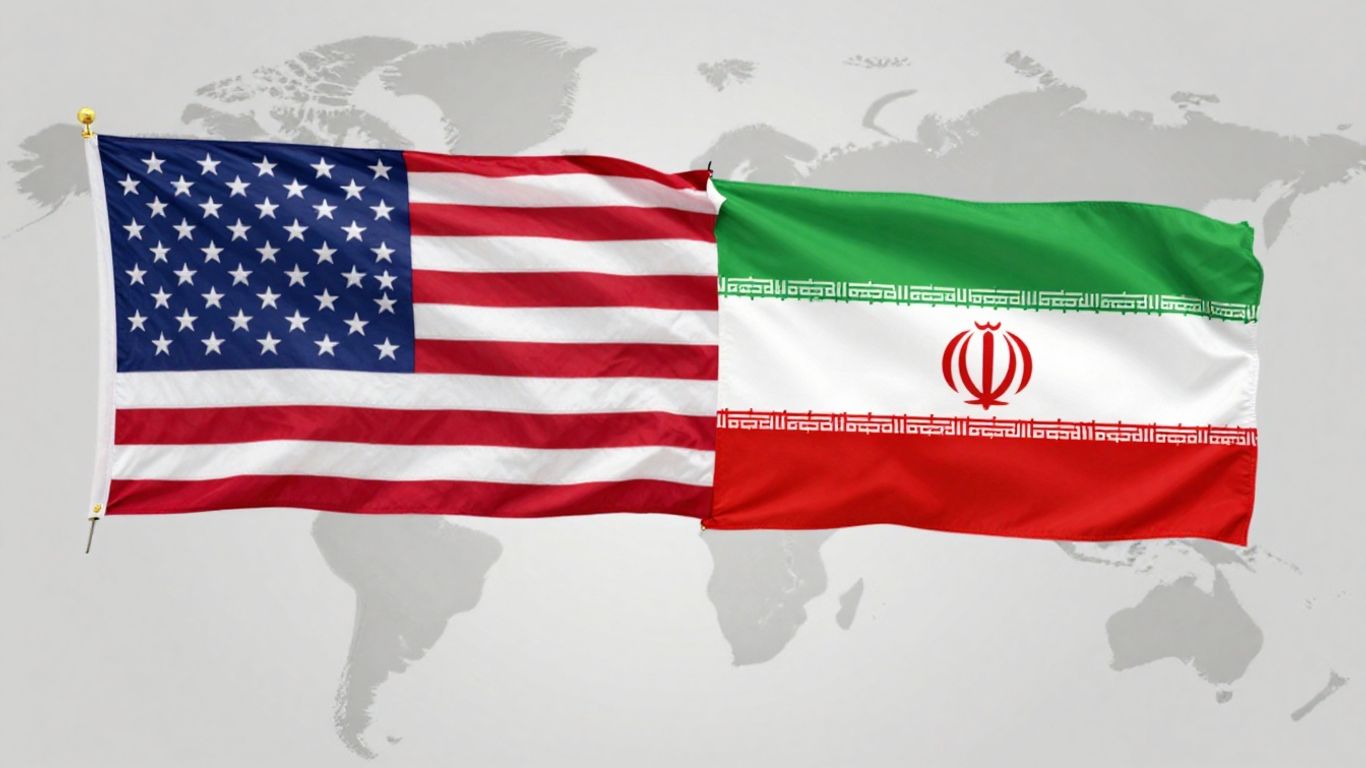
The core of the problem between the US and Iran really boils down to a fundamental clash of ideologies. On one side, you have the United States, a nation built on principles of democracy, individual liberty, and a global order it largely helped shape. Then you have Iran, with its Islamic Republic system, which views the US as a disruptive force in the region, a supporter of its enemies, and an obstacle to its own regional influence.
This isn’t just political disagreement; it’s a deep-seated, almost philosophical opposition that colors every interaction. This ideological chasm makes finding common ground incredibly difficult. It’s why even when they talk, like those recent talks in Geneva, there’s always this underlying tension. You see it in the rhetoric, the actions, and the general distrust that permeates us iran relations explained.
Geopolitical Stakes
Beyond the ideology, there are massive geopolitical stakes at play. Iran sees itself as a major power in the Middle East, and it wants to be treated as such. It supports groups like Hezbollah and Hamas, which the US and its allies view as terrorist organizations. This creates a constant push and pull. The US, on the other hand, is committed to maintaining stability in the region, supporting allies like Israel and Saudi Arabia, and preventing Iran from developing nuclear weapons. The whole situation is a complex web of alliances, rivalries, and security concerns that keeps the middle east political tensions simmering. It’s a delicate balancing act, and any misstep can have serious consequences.
The Path Forward for US and Iran Relations
Honestly, figuring out a path forward is tough. The history of sanctions, for instance, shows how they can hurt the Iranian people but haven’t necessarily changed the regime’s behavior. The iran sanctions impact is significant, but it hasn’t brought about the desired political shifts. Diplomacy has been tried, time and again, with limited success. There have been talks, proposals, and even moments where it seemed like a deal was close, but something always falls apart.
It feels like a cycle of negotiation, followed by mistrust, and then more pressure. For things to change, there would need to be a serious shift in how both sides approach the situation, maybe a willingness to acknowledge the other’s security concerns, which seems like a long shot right now. It’s a real puzzle, and nobody has a magic answer.
So, What’s the Bottom Line?
Look, this whole Iran situation is a mess, plain and simple. We’ve seen a lot of talk, a lot of back-and-forth, and honestly, not a whole lot of real progress. They say they want peace, but their actions often tell a different story. We’ve got to be smart about this. We can’t just keep throwing money or threats around and expect things to magically get better.
It feels like we’re stuck in a loop, and frankly, it’s exhausting. The bottom line is, we need a strong stance, clear boundaries, and a real commitment to protecting our interests and our allies. Anything less is just asking for trouble down the road. We need to stand firm, because appeasement has never worked, and it certainly won’t work with them.
Frequently Asked Questions
Why are the US and Iran having problems?
The main issues between the US and Iran are complicated and have been building for years. A big part of it is Iran’s nuclear program, which the US and other countries worry could be used to make weapons. There’s also a long history of mistrust and actions that have made things worse between them, like Iran’s support for groups the US considers terrorists and the US response with sanctions. These disagreements have led to a lot of tension and worry about potential conflict.
What is the nuclear standoff about?
The nuclear standoff is about Iran’s efforts to develop nuclear technology. While Iran says its program is for peaceful purposes like making electricity, the US and other countries are concerned that Iran could use this technology to create nuclear weapons. This has led to international efforts to stop or limit Iran’s nuclear activities, including strict inspections and sanctions, which Iran often resists.
How have sanctions affected Iran and the US relationship?
Sanctions are like penalties, often economic ones, that countries use to pressure another country into changing its behavior. The US has placed many sanctions on Iran to try and stop its nuclear program and other actions. These sanctions hurt Iran’s economy, making it harder for them to trade and get money. In return, Iran has sometimes retaliated or continued its activities, making the relationship even more strained and leading to a cycle of punishment and reaction.
Are the US and Iran fighting a direct war?
As of now, the US and Iran are not in a direct, full-scale war with each other. However, they have been involved in conflicts indirectly, often through supporting different sides in regional conflicts, sometimes called ‘proxy wars.’ There’s also a constant threat of military action, and tensions can flare up quickly, making the possibility of a direct conflict a serious concern.
What are ‘proxy wars’ in this context?
Proxy wars happen when larger countries support or fight against smaller groups or other countries that are involved in a conflict, instead of fighting each other directly. In the Middle East, Iran supports groups like Hezbollah and Hamas, while the US supports other countries and groups in the region. This means that even though the US and Iran aren’t directly shooting at each other, they are often on opposite sides of these regional conflicts, which causes instability.
Are there any efforts to solve the problems between the US and Iran?
Yes, there have been many attempts at diplomacy and negotiation to ease the tensions. These talks often focus on Iran’s nuclear program, with the goal of reaching agreements that prevent Iran from developing nuclear weapons while also lifting some sanctions. However, these negotiations have been very difficult, with frequent failures and disagreements over key issues, making it hard to find a lasting solution.