Venezuela Accuses US of Being a ‘Killer Prowling the Caribbean’
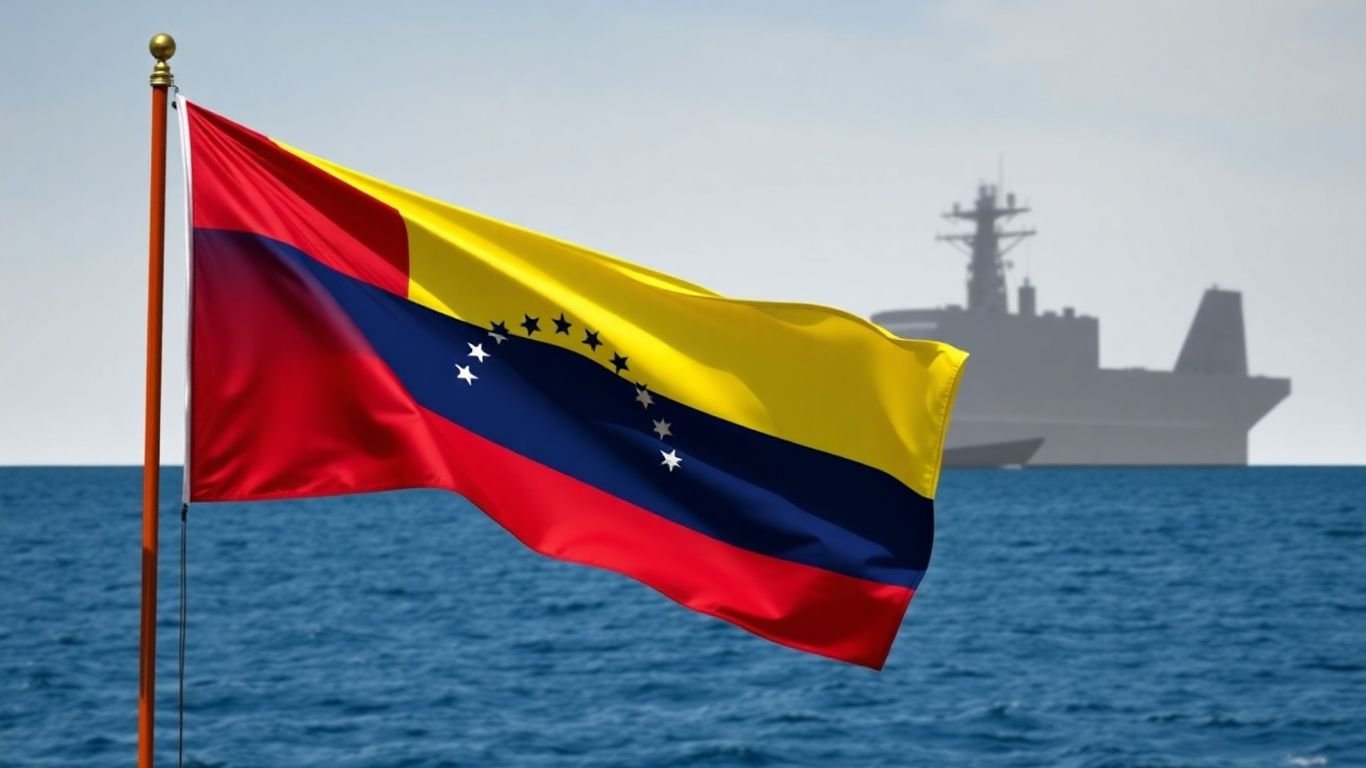
Tensions have escalated between Venezuela and the United States following sharp accusations from Caracas. Venezuela has publicly denounced the US, labeling it a "killer prowling the Caribbean." This strong rhetoric signals a significant deterioration in diplomatic relations and highlights ongoing geopolitical friction in the region. The statement underscores Venezuela’s deep-seated distrust of American foreign policy and its perceived influence.
Key Takeaways
- Venezuela has issued a strong condemnation of the United States.
- The US has been described as a "killer prowling the Caribbean."
- The statement reflects heightened geopolitical tensions in the region.
Escalating Rhetoric
Venezuela’s government has employed increasingly aggressive language when addressing the United States. The recent characterization of the US as a "killer prowling the Caribbean" is a stark example of this trend. This phrasing suggests a perception of the US as a predatory and destabilizing force in the region, actively seeking to exert its influence through potentially harmful means.
Regional Implications
Such strong accusations from Venezuela carry significant weight in the context of regional politics. The Caribbean and Latin America have long been areas of strategic interest for both the US and other global powers. Venezuela’s rhetoric could be an attempt to rally support from other nations wary of American dominance or to highlight perceived US overreach in its foreign policy initiatives. The ongoing diplomatic friction could impact regional stability and international relations.
Historical Context
Relations between Venezuela and the United States have been strained for years, marked by political disagreements, sanctions, and mutual accusations. Venezuela has frequently criticized US sanctions and interventions, viewing them as attempts to undermine its sovereignty and internal affairs. The latest statement fits within this broader pattern of adversarial communication, reflecting deep-seated mistrust and ongoing geopolitical disputes.
![European leaders meeting, [Donald Trump] on screen](https://countrybrief.com/wp-content/uploads/2025/11/thumbnail-74-768x432.jpeg)