Venezuelan Students Break Silence, Marching Onto Streets in Unprecedented Protest
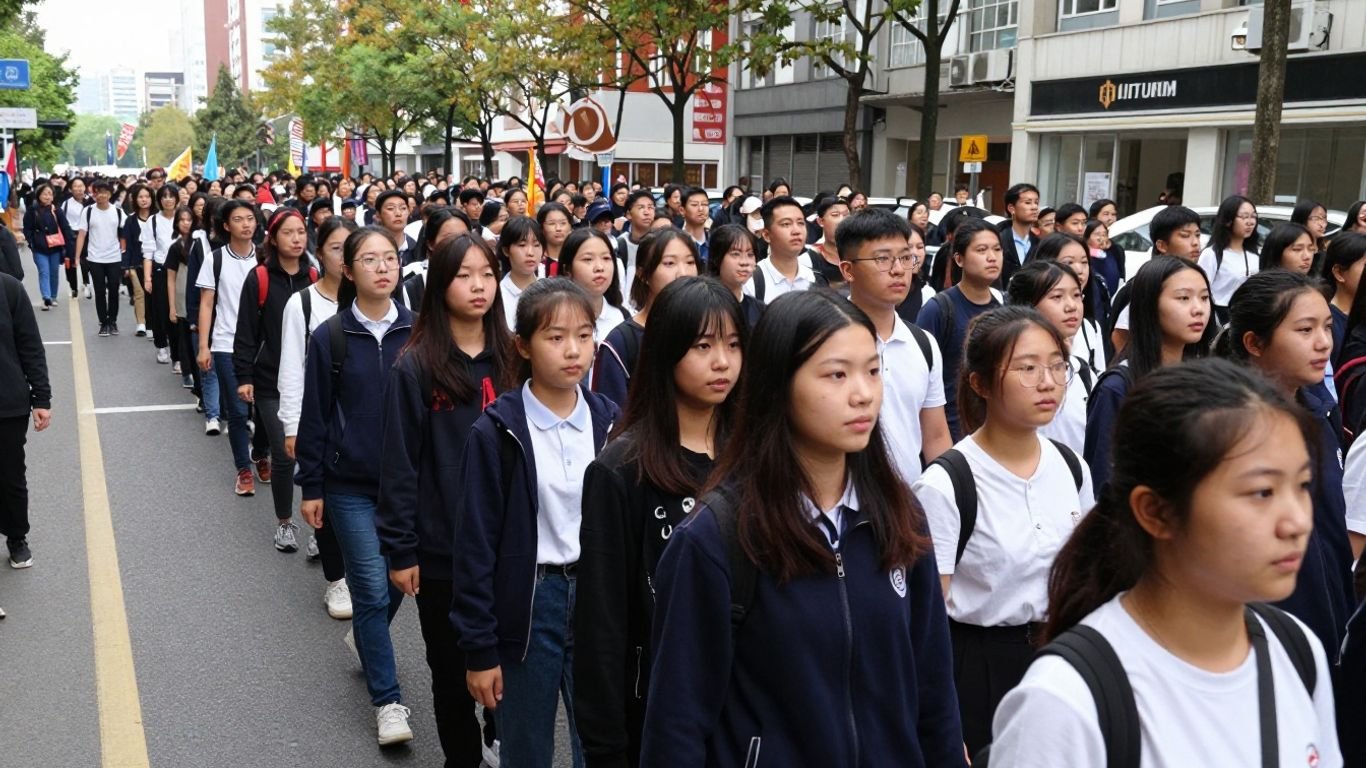
In a significant departure from years of perceived oppression, hundreds of students from Venezuela’s Central University of Venezuela in Caracas took to the streets in mid-February. This marks a rare and bold move, as the students, representing the nation’s most prestigious academic institution, ventured beyond campus borders to voice their dissent.
Key Takeaways
- Students from the Central University of Venezuela protested in the streets, a rare occurrence.
- The protest signifies a potential shift in student activism after years of limited public demonstrations.
- The event highlights ongoing concerns about the political and social climate within Venezuela.
A Bold Step for Student Activism
For years, student activism within Venezuela has largely been confined to the hallowed grounds of academic institutions. However, the recent demonstration saw students from the Central University of Venezuela, a symbol of intellectual and cultural life in the country, marching into a nearby street. This act, described as once unthinkable, underscores a growing frustration and a renewed determination among the youth to make their voices heard on a wider public stage.
The protest is seen by many as a critical moment, potentially signaling a turning point in how student grievances are addressed, or rather, how students choose to express them. The move onto public streets suggests a willingness to confront the status quo more directly and to challenge the limitations that may have previously stifled public dissent.
Underlying Tensions
While the specific demands of the students were not detailed in the initial reports, their decision to protest publicly points to deeper issues plaguing the nation. Venezuela has faced years of economic hardship, political instability, and social unrest. Educational institutions, often seen as microcosms of society, have not been immune to these challenges.
The Central University of Venezuela, in particular, has historically been a hub for intellectual discourse and social commentary. The students’ willingness to take their concerns beyond the campus walls indicates that the issues at hand are perceived as too significant to remain contained within academic circles. This public display of activism is likely a response to a complex web of concerns, potentially including academic freedom, university funding, and the broader socio-political environment of the country.
The implications of this protest are significant, potentially inspiring further public engagement from other sectors of Venezuelan society and drawing international attention to the ongoing situation within the country.