Venezuela’s Interim Leader Consolidates Power Amidst U.S. Pressure
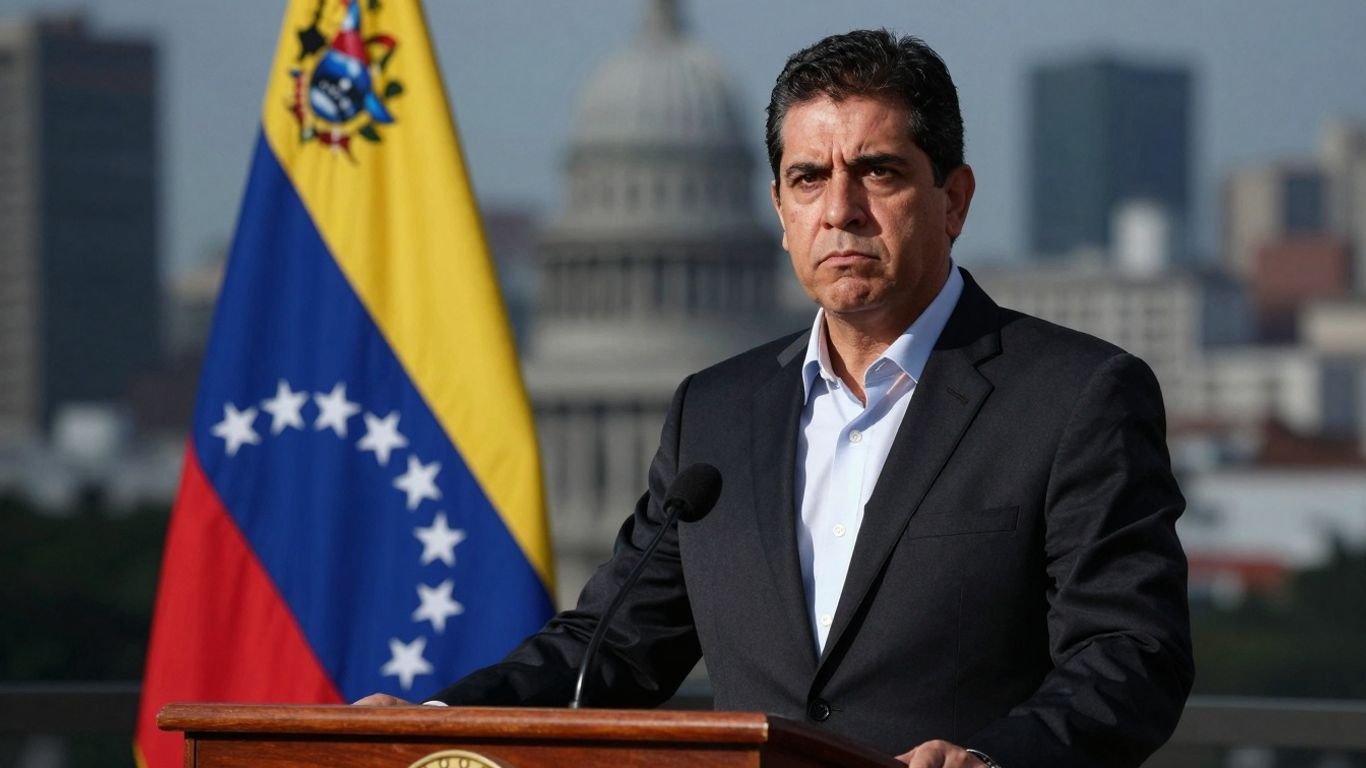
In the twelve days since the alleged seizure of President Nicolas Maduro, interim President Delcy Rodriguez has been actively working to solidify her authority. She has been strategically appointing loyalists to critical government positions, aiming to fortify her administration against internal dissent while simultaneously responding to U.S. demands to increase oil production.
Key Takeaways
- Interim President Delcy Rodriguez is consolidating power by appointing loyalists to key positions.
- Rodriguez is working to protect herself from internal threats within Venezuela.
- The administration is responding to U.S. demands to boost oil production.
Tightening the Grip
Since the reported detention of President Nicolas Maduro, Delcy Rodriguez has moved swiftly to assert her control over Venezuela’s government. Her strategy involves placing individuals with proven loyalty into influential roles, a move seen as crucial for maintaining stability and preventing internal challenges to her leadership. This consolidation of power is occurring against a backdrop of significant external pressure from the United States.
Navigating U.S. Demands
A key aspect of Rodriguez’s early tenure has been her administration’s engagement with U.S. demands concerning the nation’s vital oil sector. Reports indicate efforts are underway to increase oil production, a move likely aimed at easing international tensions and potentially securing economic relief. The success of these efforts will be critical in shaping Venezuela’s economic future and its relationship with the U.S.
Internal Challenges
While Rodriguez focuses on external pressures and consolidating her power base, the underlying internal divisions within Venezuela remain a significant concern. The political landscape is complex, and her ability to navigate these internal threats while meeting international expectations will be a defining factor in her leadership.