
When is the Bank Holiday in March 2026? Your Guide to Federal Reserve Closures
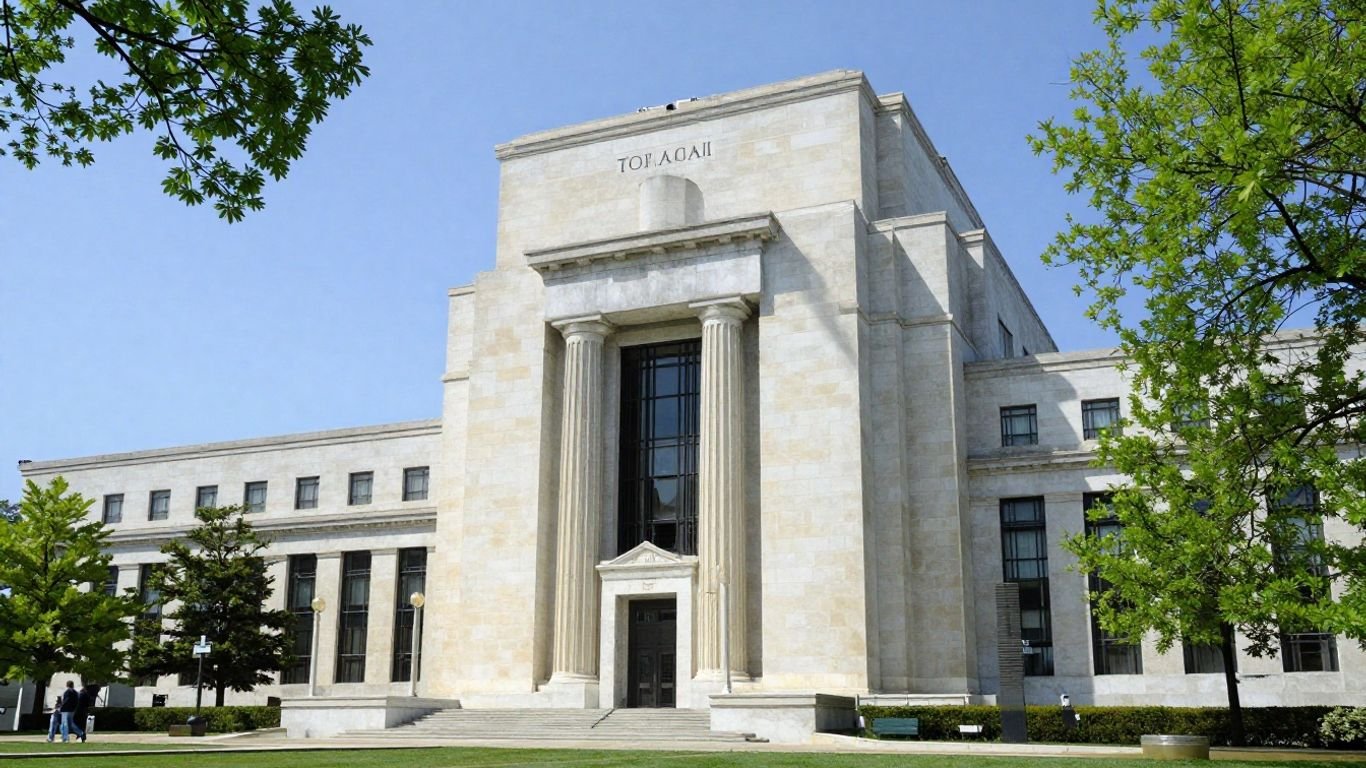
So, you’re wondering about the bank holiday in March 2026? It’s easy to get a little mixed up with all the different holidays. Federal holidays mean government offices close, but a bank holiday specifically means banks and credit unions shut their doors. This usually happens on the same days as federal holidays because banks follow the Federal Reserve’s schedule. Knowing these dates helps you plan ahead, whether it’s for paying bills or just making sure you can get to the bank when you need to.
Key Takeaways
- In the US, bank holidays generally align with federal holidays, meaning banks close their physical locations.
- The Federal Reserve’s closure schedule dictates when most banks will be closed.
- While banks are closed, online banking services and ATMs often remain accessible.
- Payments and transfers scheduled for a bank holiday will typically process on the next business day.
- It’s wise to check your local bank’s specific hours around holidays, as some may have adjusted schedules.
Understanding Bank Holiday March 2026
Federal Holidays Versus Bank Closures
It’s easy to get confused between a federal holiday and a bank holiday. A federal holiday is a day the government officially recognizes, meaning federal offices shut down. Think of days like New Year’s Day or the Fourth of July. Many businesses, including banks, tend to follow suit. However, a bank holiday is specifically about when financial institutions like banks and credit unions close their doors. In the U.S., these two often overlap because banks generally follow the Federal Reserve’s schedule. So, when the Fed closes, banks close too. This means even if your local store is open, you might not be able to get into the bank. It’s important to know the difference, especially when you’re planning things like bill payments or needing to deposit a check. The key takeaway is that bank closures directly impact financial transactions.
The Federal Reserve’s Role in Bank Operations
The Federal Reserve is kind of like the central bank for the United States. It plays a big role in how money moves around the country. When the Federal Reserve closes for a holiday, it affects a lot of the behind-the-scenes work that banks do. This includes things like processing checks, transferring money between banks, and other electronic payments. Because these operations are paused, most banks decide to close their physical branches as well. It’s not just about giving employees a day off; it’s about the actual mechanics of the banking system grinding to a halt for the day. So, while you might see other businesses operating normally, the financial infrastructure simply isn’t available. This is why banks align their closures with Federal Reserve holidays.
Why March 2026 Bank Holiday Matters
Now, you might be wondering why we’re even talking about a March bank holiday. Looking at the official calendar, there isn’t a specific federal holiday designated in March. This can be a bit of a curveball for people expecting a break or planning around a bank closure. Unlike months with established holidays like January (MLK Day) or February (Presidents’ Day), March is typically a regular business month for banks. This means you can generally expect all financial institutions to be open as usual. However, it’s always a good idea to double-check, especially if you’re dealing with a smaller, local bank that might have its own specific policies. For most people, though, March 2026 will be business as usual when it comes to banking hours. It’s a good reminder that not every month comes with an extra day off.
Navigating the 2026 Bank Holiday Calendar

Alright, let’s talk about how to actually use this information. Knowing the dates is one thing, but figuring out what it means for your day-to-day life is another. It’s not just about taking a day off; it’s about making sure your money stuff doesn’t get messed up.
Key Dates for Financial Institutions
Most banks in the U.S. pretty much follow the Federal Reserve’s lead when it comes to closing. So, if the Fed shuts down, your bank likely will too. This means you need to pay attention to the official federal holidays. For 2026, here are some of the big ones that will likely mean closed bank doors:
- January 1, 2026: New Year’s Day (Thursday)
- January 19, 2026: Martin Luther King, Jr. Day (Monday)
- February 16, 2026: Presidents’ Day (Monday)
- May 25, 2026: Memorial Day (Monday)
- June 19, 2026: Juneteenth National Independence Day (Friday)
- July 3, 2026: Independence Day (Observed) (Friday)
Remember, if a holiday falls on a Saturday, it’s usually observed the Friday before. That’s exactly what’s happening with Independence Day in 2026. It’s officially on Saturday, July 4th, but banks will be closed on Friday, July 3rd. This is a pretty standard practice to give people a long weekend. You can check the official holiday schedule for more details.
Identifying Long Weekends for Planning
Long weekends are great, right? They give you a chance to actually get away or just catch up on things without feeling rushed. In 2026, there are a few of these built-in opportunities thanks to how the holidays fall. Besides the usual Mondays like MLK Day and Presidents’ Day, we’ve got a few extra Fridays that turn into bonus three-day weekends:
- Juneteenth (June 19): This falls on a Friday, giving you a nice break.
- Independence Day (July 3 observed): Since it’s observed on a Friday, that’s another long weekend.
- Christmas Day (December 25): This one lands on a Friday too, perfect for holiday celebrations.
Planning trips or even just big errands around these dates can make a huge difference. You avoid the post-holiday rush and can often snag better deals on travel if you book in advance.
The Impact on Payment Processing
This is where things can get a little tricky if you’re not paying attention. When banks are closed, it doesn’t just mean you can’t go in and talk to a teller. It also means that certain financial transactions might be delayed. Things like check processing and wire transfers often rely on the Federal Reserve being open. So, if a bank holiday falls on a Friday, any payments scheduled for that day might not actually go through until the following Monday. It’s a good idea to schedule important payments a day or two before a bank holiday to avoid any late fees or issues. This is especially true for things like mortgage payments or bill payments that have strict due dates. Always factor in that extra business day when you’re planning your finances around these closures.
March 2026 Bank Holiday Specifics
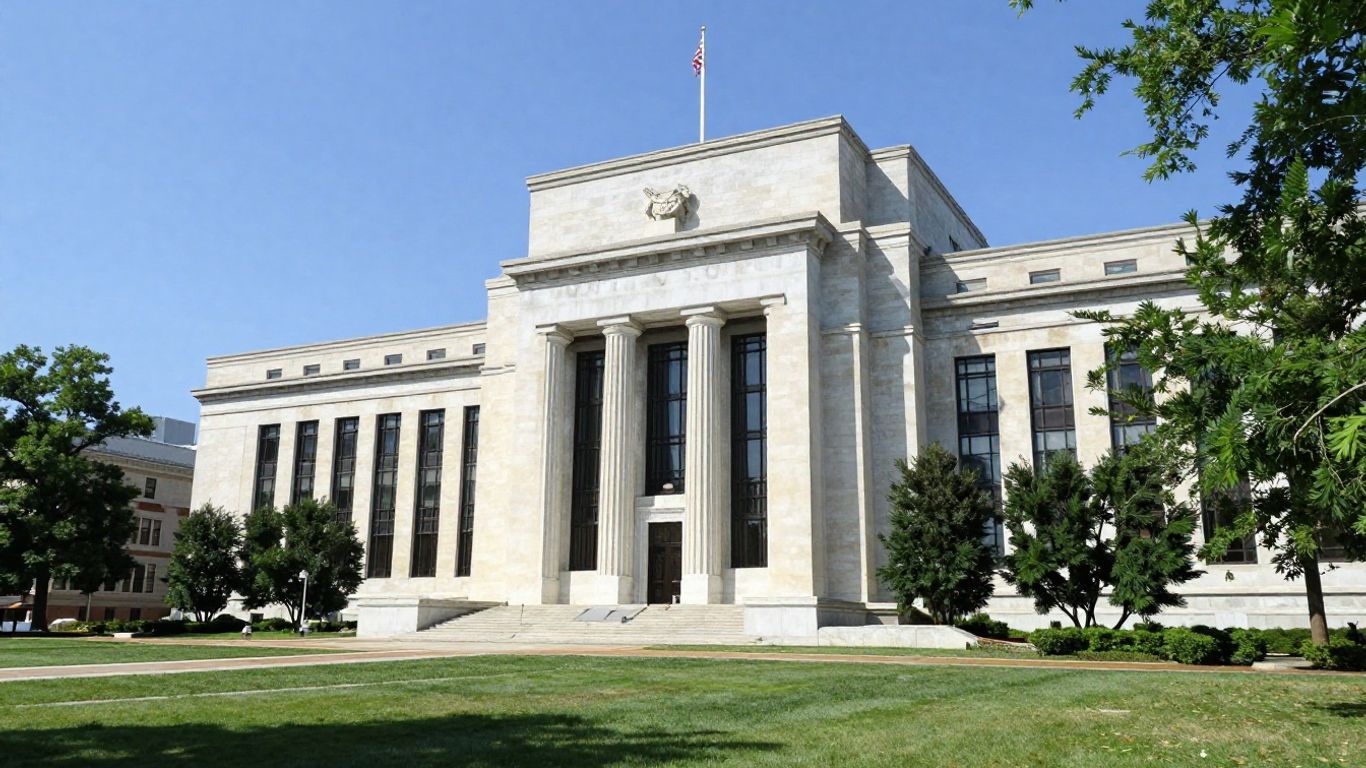
Is There a Bank Holiday in March 2026?
Let’s get straight to the point: there is no federal bank holiday scheduled for March 2026. This means the Federal Reserve will be open for its usual business, and banks will operate on their normal schedules. While some folks might hope for an extra day off, March is typically a quiet month when it comes to official closures. It’s a good time to get things done without worrying about bank closures impacting your plans. Remember, the official bank holiday schedule is set by the Federal Reserve, and they haven’t designated any specific days in March 2026 for closures. You can check the full 2026 bank holiday calendar for a complete overview.
Observance Rules for Weekend Holidays
It’s important to know how holidays falling on weekends are handled, even if March doesn’t have one this year. When a federal holiday lands on a Saturday, the observed closure usually happens the Friday before. If a holiday falls on a Sunday, banks typically close the following Monday. This ensures that everyone gets the intended day off, even if the actual date isn’t a business day. For example, if a holiday were on a Sunday, your bank would likely be closed on that Monday. This system helps maintain the spirit of the holiday without disrupting the financial system.
Planning Around March Closures
Since March 2026 offers a full month of regular banking operations, it’s a prime opportunity for financial planning. You won’t have to worry about delayed transactions or branches being shut. This predictability is a real advantage. You can schedule important transfers, loan payments, or any other banking needs with confidence, knowing that everything will process as usual. It’s a solid month to tackle those financial tasks you might have put off.
With no bank holidays in March 2026, it’s a straightforward month for financial activities. This lack of closure means you can rely on standard banking hours and processing times, making it easier to manage your money without unexpected interruptions.
Maximizing Your Time Around Bank Holidays
Leveraging Long Weekends for Travel
Bank holidays are a gift, plain and simple. They give us a chance to step away from the grind, and when one falls on a Friday or Monday, it creates a long weekend. This is prime time for a quick getaway. Don’t let these opportunities slip by. Planning a trip around a bank holiday can be a smart move, especially if you book flights and hotels in advance. You’ll often find better deals before everyone else catches on. Think about it – a three-day weekend is perfect for visiting family, exploring a nearby city, or just getting some much-needed rest away from home. Just remember to check if your chosen destination observes the same holidays; for instance, while the US has federal holidays, other countries might celebrate different events, like Chinese New Year.
Strategic Planning for Errands
When the banks are closed, it means certain services are unavailable. This isn’t just about cashing a check; it affects things like wire transfers and sometimes even getting cash from an ATM if it’s linked to a branch that’s shut down. So, before a bank holiday hits, make sure you’ve got what you need. Need to deposit a check? Do it the day before. Planning to pay bills in person? Get that done early. It’s about being proactive. Think of it like preparing for a snowstorm – you stock up on essentials. For bank holidays, the essentials are cash and completed transactions.
Here’s a quick checklist:
- Withdraw enough cash for a few days.
- Pay any bills due during the holiday period.
- Confirm any scheduled transfers are processed before the closure.
- Check your bank’s specific holiday schedule, as not all branches follow the Federal Reserve exactly.
The Advantage of Advance Preparation
Look, nobody likes being caught off guard. When you know a bank holiday is coming up, especially in 2026, you can use that knowledge to your advantage. It’s not just about avoiding inconvenience; it’s about making your life easier. If you have a big financial transaction planned, like buying a car or closing on a house, you absolutely need to know when the banks will be open. A delay because of an unexpected closure can mess up your whole timeline. So, get that calendar out, mark those dates, and plan your important financial business around them. It’s just common sense.
Business Implications of Bank Closures
Impact on International Transactions
When the banks shut down for a holiday, it throws a wrench into international money movements. Think about wire transfers – they just stop. If you’re trying to get money from overseas to pay your employees here in the States, you need to get that transfer initiated well before the holiday. Otherwise, you might miss payroll, and that’s a mess nobody wants. ACH transactions, those are the ones that usually get processed the next business day. So, if a holiday falls on a Friday, your transaction just sits there until Monday. Even SWIFT transfers, which seem fancy, will just show ‘in progress’ and won’t actually clear until the banks are back open. It’s a good reminder that the U.S. economic system has its own rhythm, and holidays disrupt that flow.
Private Sector Flexibility on Holidays
Now, here’s where things get interesting. While the Federal Reserve and most banks are closed, private businesses have a lot more wiggle room. They aren’t legally obligated to close their doors just because it’s a federal holiday. This means your local grocery store or a small shop might be open, even if your bank isn’t. It really depends on the company and what they decide is best for their operations and their employees. Some might offer holiday pay, others might not. It’s a bit of a mixed bag out there, and you can’t always assume a business will be closed just because the banks are.
Ensuring Business Continuity
Dealing with bank closures means you’ve got to be smart about planning. It’s not just about personal errands; it affects how businesses run. You need to think ahead, especially for things like payroll and payments.
- Plan Ahead for Payments: Make sure any critical payments or transfers are scheduled for days when banks are open. Don’t wait until the last minute.
- Communicate with Partners: If you work with international clients or suppliers, let them know about upcoming bank holidays and how it might affect transaction times.
- Review Your Systems: Understand how your own payment processing systems handle holidays. Do they queue transactions, or do they have specific holiday protocols?
It’s easy to get caught off guard by bank holidays if you’re not paying attention. Thinking about how these closures affect your money and your business operations is just common sense. Being prepared means fewer headaches down the road.
Credit card processing, thankfully, usually keeps chugging along. The networks that handle credit card payments operate pretty independently from the Federal Reserve’s schedule. So, while you might not be able to cash a check or get a wire transfer, you can probably still swipe your card.
Your Guide to Federal Reserve Closures
The Official Holiday Schedule
The Federal Reserve sets the pace for many financial institutions across the country. When the Fed closes its doors, most banks follow suit. This means that for practical purposes, federal holidays are generally bank holidays. It’s important to know these dates to avoid a wasted trip to the bank or a payment delay. For 2026, the official holidays observed by the Federal Reserve are listed below. Keep in mind that while these are the standard closures, some banks might have slightly different policies, especially for smaller branches or specific services. Always a good idea to check with your local bank if you have a critical transaction planned around a holiday.
When Banks Follow the Fed’s Lead
Most commercial banks and credit unions align their closure schedules with the Federal Reserve. This is because many of the behind-the-scenes operations, like check clearing and wire transfers, rely on the Fed’s services. So, when the Fed is closed, these processes often pause until the next business day. This is why you’ll see banks shut down on federal holidays like New Year’s Day, Martin Luther King Jr. Day, Presidents’ Day, Memorial Day, Juneteenth, Independence Day, Labor Day, Columbus Day, Veterans Day, Thanksgiving, and Christmas. It’s not just a suggestion; it’s how the system is set up. For example, if a holiday falls on a Saturday, banks will typically close the Friday before. If it falls on a Sunday, they’ll usually close the following Monday. This ensures that everyone gets the intended day off. You can find more details on the 2026 holiday schedule for cash services, which often aligns with these closures.
Preparing for the Next Bank Holiday March 2026
While March 2026 doesn’t have a federal holiday that causes a bank closure, it’s wise to be prepared for future dates. The Federal Reserve observes several holidays throughout the year, and knowing them in advance can save you a lot of hassle. For instance, if you’re planning any significant financial transactions, like sending money overseas or processing large payments, it’s best to do so a few days before a holiday. This avoids any unexpected delays. Remember, credit card processing usually continues without interruption, as those networks operate independently. However, anything that requires direct interaction with the banking system will likely be affected. Staying informed about the official Federal Reserve holidays is your best bet for smooth financial planning.
Wrapping Up Your 2026 Bank Holiday Plans
So, there you have it. Knowing when the banks are closed in 2026 isn’t exactly rocket science, but it does take a little planning. It’s not like the government forces businesses to close on these days, but the banks do shut down, and that affects a lot of things. Just remember to check the dates, especially around those long weekends like July 4th. Don’t get caught off guard needing to make a deposit or withdrawal. A quick look at the calendar, like the one we’ve laid out, should keep things running smoothly for you and your family. It’s just common sense to be prepared.
Frequently Asked Questions
Are there any bank holidays in March 2026?
No, there are no federal bank holidays scheduled for March 2026. The closest bank holidays to March are Texas Independence Day on March 2nd and Cesar Chavez Day on March 31st, but these are not federal holidays and banks typically remain open on these days unless they fall on a weekend.
What’s the difference between a federal holiday and a bank holiday?
A federal holiday is a day the U.S. government officially recognizes, meaning government offices close. A bank holiday is specifically a day when banks and credit unions shut their doors. In the U.S., banks usually close on federal holidays because they follow the Federal Reserve’s schedule, making the terms often used interchangeably.
What happens if a bank holiday falls on a weekend in 2026?
If a bank holiday lands on a Saturday, banks usually close the Friday before. If it falls on a Sunday, they typically close the Monday after. For example, in 2026, Independence Day is on a Saturday, so banks will observe it on Friday, July 3rd.
Can I still access my money on a bank holiday?
Yes! Even though bank branches are closed, you can usually still use ATMs for cash withdrawals. Many banks also offer 24/7 access to online and mobile banking services, allowing you to check balances, transfer funds, and pay bills.
Do all banks close on the same holidays?
Most major banks follow the Federal Reserve’s holiday schedule. However, some smaller local banks or credit unions might have different policies. It’s always a good idea to check with your specific bank if you’re unsure about their holiday hours.
How do bank holidays affect payments and transfers?
Transactions that rely on the Federal Reserve, like check processing and wire transfers, usually pause on bank holidays and resume the next business day. Credit card payments and online banking services typically continue to work normally.



![[Donald Trump] gestures, hinting at a third term.](https://countrybrief.com/wp-content/uploads/2025/10/thumbnail-64-768x432.jpeg)