Why Military Tribunals Are Inevitable: A Deep Dive Into Modern National Security
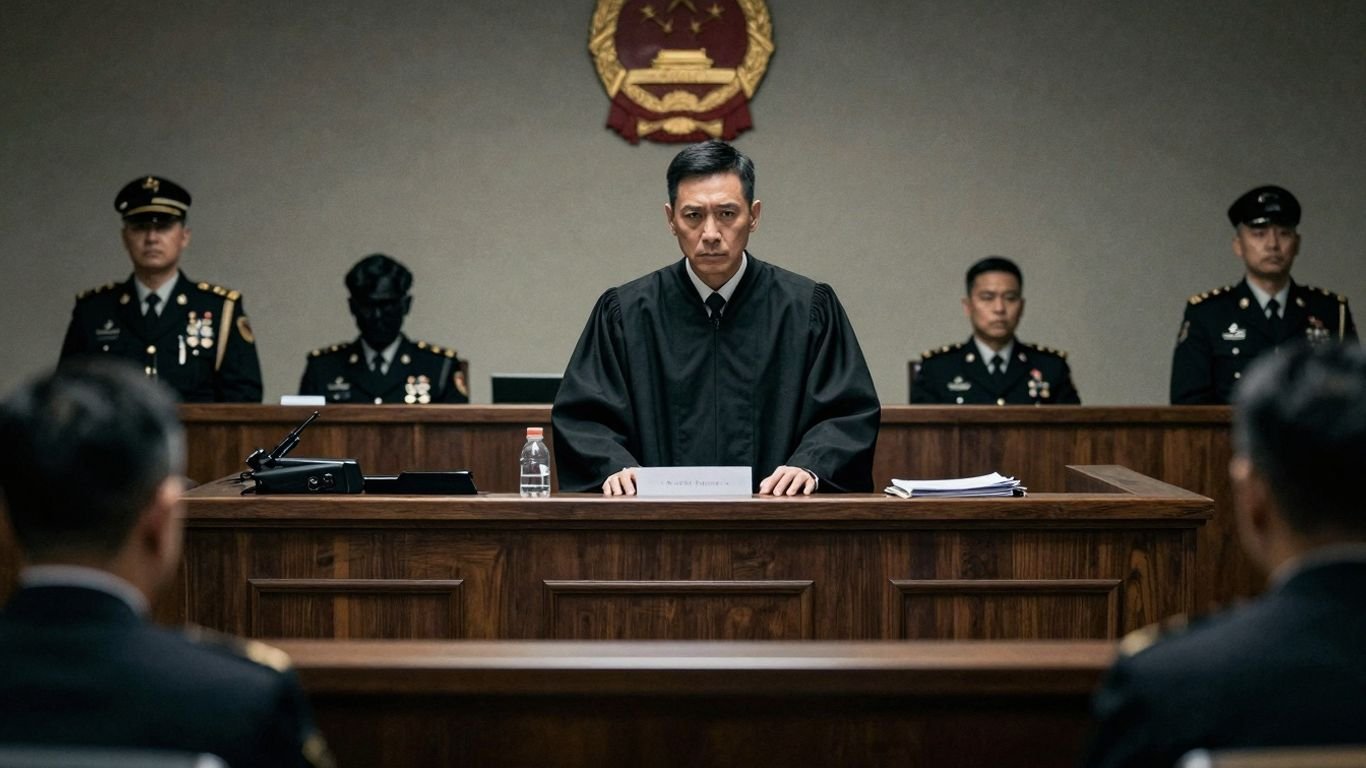
Dealing with national security threats these days feels like a whole different ballgame. Our world is changing fast, and sometimes, the old ways of handling things just don’t cut it anymore. This is where we start to see why military tribunals are becoming more than just a possibility; they’re starting to look like a necessary part of how we keep things safe. It’s not about throwing out the rule of law, but about making sure justice can actually happen when facing challenges that traditional courts aren’t really set up for.
Key Takeaways
- Military tribunals are becoming more likely as national security threats evolve beyond what traditional courts can easily handle.
- Civilian courts often struggle with sensitive information and the need for quick decisions in national security cases.
- Military tribunals offer a way to apply justice with military precision, holding enemies accountable and acting as a deterrent.
- Adapting to new kinds of warfare and preserving the military’s integrity are strategic reasons for considering Military Tribunals.
- Historical examples and the current complex global landscape show why Military Tribunals are a serious consideration for future justice.
The Inevitable Rise Of Military Tribunals
Understanding The Need For Specialized Justice
Look, the world’s gotten a lot messier, and frankly, our old legal systems are struggling to keep up. We’re facing threats that don’t fit neatly into the boxes our civilian courts were designed for. Think about it – terrorists who don’t wear uniforms, shadowy networks operating across borders, and cyberattacks that can cripple a nation. These aren’t your garden-variety criminals. They operate outside the normal rules, and trying to prosecute them with the same old procedures often feels like trying to catch a ghost with a fishing net.
We need a justice system that can actually handle these modern dangers. That’s where military tribunals start to look less like an option and more like a necessity. They’re built for a different kind of fight, one where speed, security, and decisive action are paramount. Trying to force these complex national security cases into a civilian courtroom can be slow, expose sensitive intel, and frankly, just doesn’t get the job done.
Addressing Threats Beyond Traditional Courts
It’s not just about being tough; it’s about being effective. When you’re dealing with enemies who have declared war on us, who plot mass murder, and who don’t care about due process, our response needs to be equally direct. Civilian courts, with all their protections and procedures, can sometimes be exploited by these bad actors. They can use the system to delay, to gain intelligence, or even to spread propaganda. It’s a vulnerability we can’t afford to have.
Military tribunals offer a way to bypass some of these pitfalls. They’re designed to handle cases involving enemy combatants and threats to national security in a way that prioritizes the safety of our nation and our troops. It’s about making sure justice is served, but also that it’s served in a way that doesn’t compromise our security.
Ensuring National Security In A Dangerous World
This isn’t about throwing out the rule of law; it’s about adapting it to the realities of the 21st century. The future of military justice is going to look different because the threats we face are different. We’re seeing new kinds of warfare, and we need new tools to deal with the people behind them. Why military tribunals are becoming inevitable is tied directly to this evolving landscape.
They represent a pragmatic approach to protecting our country when conventional methods just aren’t enough. It’s about maintaining order and holding those who threaten us accountable, without getting bogged down in a system that wasn’t built for these kinds of enemies. This is the path toward a more secure future, and it’s one we’re increasingly being forced to take.
Civil-Military Relations And The Modern Battlefield
The Evolving Role Of Military Leaders
Look, the days when military leaders could just focus on the battlefield and leave the politics to the civilians are pretty much over. The modern threat environment is so tangled up with political stuff that our generals have to be pretty savvy about it all. It’s not just about winning the fight anymore; it’s about understanding the whole picture, the local politics, and how our actions play out on the world stage.
This means generals need to be more than just warriors; they’ve got to be smart operators in the political arena too. Think about it, fewer politicians have military backgrounds these days, so the military has to step up and understand the civilian side of things better. It’s a two-way street, but someone’s got to bridge that gap.
Bridging The Gap Between The Barracks And The Beltway
It’s a tough balancing act. On one hand, you’ve got the military needing to act decisively, and on the other, you have civilian leaders with their own agendas and concerns. Sometimes, it feels like they’re speaking different languages. We’ve seen situations where military leaders have had to make tough calls, trying to serve their political masters while also dealing with the realities on the ground. It’s messy, and frankly, it can lead to some serious friction. The goal is to make sure the military’s mission isn’t undermined by political squabbles, but that’s easier said than done.
Political Sensibility: A Necessary Competency
When you’re dealing with complex situations, like fighting insurgents or dealing with international crises, you can’t just ignore the political side of things. It’s not just about having the best gear or the most troops; it’s about understanding the local culture, the political landscape, and how your actions affect everything.
Ignoring these factors can lead to mission failure, no matter how good the military plan is. We’ve seen examples where success hinged on a general’s ability to work with local leaders and understand the political dynamics. Conversely, a lack of this political sensibility has caused major problems. It’s become a key part of being a successful commander in today’s world, and it brings up some ethical and civil liberties concerns that need careful handling.
Why Civilian Courts Fall Short
Look, nobody’s saying our civilian courts are bad. They do their job, mostly. But when we’re talking about national security, about threats that can hit us at any moment, the standard legal system just doesn’t cut it. The Limitations of Civilian Judicial Systems become glaringly obvious when you consider the unique demands of protecting the homeland.
The Limitations Of Conventional Legal Frameworks
Civilian courts are built for a different world. They’re slow, bogged down by procedure, and frankly, not equipped to handle the speed and secrecy required in national security matters. Think about it: a terrorist plot is uncovered. Do we really want to wait months, maybe years, for a trial to wrap up, all while the enemy might be planning their next move? It’s a recipe for disaster. The whole system is designed for cases where the stakes aren’t quite so high, or at least, not as immediate. We need a system that can act decisively, not one that gets tied up in endless appeals and technicalities. This is where the limitations really show.
Protecting Sensitive Information
This is a big one. In national security cases, there’s often classified information involved. How do you present evidence in an open courtroom when revealing it could compromise ongoing operations, intelligence sources, or even the safety of our own people? Civilian courts struggle with this. They have procedures for handling classified material, sure, but they’re often cumbersome and can still risk leaks. Military tribunals, on the other hand, are designed with this in mind. They have established protocols for managing sensitive data without jeopardizing national security. It’s not about hiding things; it’s about protecting vital information that keeps us safe. You can read more about how military law operates globally at military criminal law.
Speed And Decisiveness In National Security Cases
When a threat emerges, time is not on our side. Civilian court processes, with their lengthy discovery phases, jury selection, and appeals, can take an eternity. This delay isn’t just inconvenient; it can be dangerous. Enemies of the state can exploit these delays, continuing their activities or even escaping justice altogether. Military tribunals offer a more streamlined process. They are built for swift action, allowing for quicker resolutions that can deter future attacks and hold perpetrators accountable without undue delay. It’s about maintaining the upper hand against those who wish us harm.
The current civilian legal framework, while robust for domestic matters, often proves inadequate when confronting the complexities of international terrorism and asymmetric warfare. Its inherent slowness and public nature can inadvertently compromise sensitive intelligence and operational security, creating vulnerabilities that adversaries can exploit. This gap necessitates specialized legal venues capable of balancing justice with the imperative of national security.
Military Tribunals As A Tool For Justice
When we talk about dealing with the worst kinds of threats to our nation, especially those that come from outside our borders, the standard court system just doesn’t always cut it. That’s where military tribunals come in. They’re not some newfangled idea; they’re a tried-and-true method for handling serious security issues. The goal is to deliver justice swiftly and effectively, without getting bogged down in the complexities that can bog down civilian courts.
Upholding The Rule Of Law With Military Precision
Think of it this way: the military operates on a strict set of rules and procedures. When it comes to justice, this means a focus on order and clear outcomes. Military tribunals are designed to mirror this discipline. They ensure that legal processes are followed, but with an eye toward the unique demands of national security. This isn’t about bending the rules; it’s about applying them in a context where the stakes are incredibly high. We need to make sure that those who threaten us face consequences, and that the process itself is sound. It’s about making sure the rule of law is respected, even when facing unconventional enemies.
Holding Enemies Accountable
One of the biggest reasons we need tribunals is to hold enemy combatants accountable for their actions. This includes things like terrorism, war crimes, and other acts that directly harm our interests and our people. Civilian courts can struggle with classified information and the sheer speed required in these cases. Tribunals are built to handle these challenges. They provide a clear path to accountability, which is vital for justice.
Case Studies Illustrating Tribunal Use show how these systems have been employed to deal with serious threats, bringing perpetrators to justice when other methods might fail. This is about making sure that those who commit atrocities don’t get away with it. We saw this need highlighted in situations where traditional legal avenues were insufficient to address the nature of the threat.
Deterrence Through Swift And Certain Justice
Beyond just punishing those who have already acted against us, military tribunals serve a critical purpose: deterrence. When potential enemies see that we have a system in place that can quickly and decisively bring wrongdoers to justice, it makes them think twice. The certainty of facing a tribunal, knowing that the process is designed for efficiency and effectiveness in national security matters, can be a powerful deterrent.
It sends a clear message that hostile actions will have swift and predictable consequences. This isn’t about vengeance; it’s about maintaining peace through strength and a credible justice system. It’s a key part of protecting our nation and its interests on the global stage. The ability to act decisively is something that threats to national security often exploit, making tribunals a necessary countermeasure.
The Strategic Imperative For Military Tribunals
Look, the world is changing, and not for the better. We’re facing threats that our grandfathers wouldn’t even recognize. This isn’t just about boots on the ground anymore; it’s about shadowy networks, cyber warfare, and enemies who don’t play by any rules. Trying to fit these modern-day monsters into the old boxes of civilian courts just doesn’t cut it. We need tools that are as sharp and as fast as the threats we face.
Adapting To New Forms Of Warfare
Warfare today is a messy, complicated business. It’s not just tanks and planes; it’s drones, it’s disinformation campaigns, it’s attacks on our infrastructure that can cripple us without a single shot fired. Our enemies are innovative, and frankly, they’re ruthless. They exploit every loophole, every weakness. We have to be smarter, faster, and more decisive than they are. That means our legal and justice systems need to keep pace. Trying to prosecute a terrorist mastermind who operates across borders and uses encrypted communications through a civilian court process can be a slow, drawn-out affair, often with evidence that’s hard to present publicly. It’s like trying to catch a ghost with a fishing net.
Preserving The Integrity Of The Armed Forces
Our military is the shield of this nation, and its integrity is paramount. When our service members are deployed, they operate under a strict code. But what happens when they encounter enemies who disregard all international law and human decency? We can’t have our own forces bogged down in complex legal battles that distract from their mission or, worse, put them at risk. Military tribunals offer a way to handle enemy combatants swiftly and effectively, maintaining discipline and order within the military structure.
This isn’t about abandoning justice; it’s about applying it in a way that protects our troops and upholds the standards they fight for. It’s about making sure that those who threaten our way of life face consequences that are appropriate and swift, not lost in bureaucratic red tape. We need to be able to hold enemies accountable without compromising the operational effectiveness or the moral standing of our own forces. This is especially true when dealing with individuals captured on the battlefield who have committed clear violations of the laws of war. The International Crimes Tribunal in Bangladesh, while facing its own controversies, highlights the global struggle to adapt justice systems to wartime realities.
Strengthening America’s Global Standing
How we deal with our enemies sends a message to the world. When we can quickly and effectively bring those who commit atrocities to justice, it shows strength and resolve. It tells our allies we are serious about security and tells our adversaries that there are real consequences for their actions. A justice system that is perceived as slow, weak, or easily manipulated undermines our credibility on the world stage.
Military tribunals, when conducted properly, can be a powerful symbol of our commitment to justice and national security. They demonstrate that we have the will and the means to defend ourselves and uphold the principles we stand for, even in the face of unconventional threats. This is about projecting strength and stability in an unstable world.
Lessons From History And Future Challenges
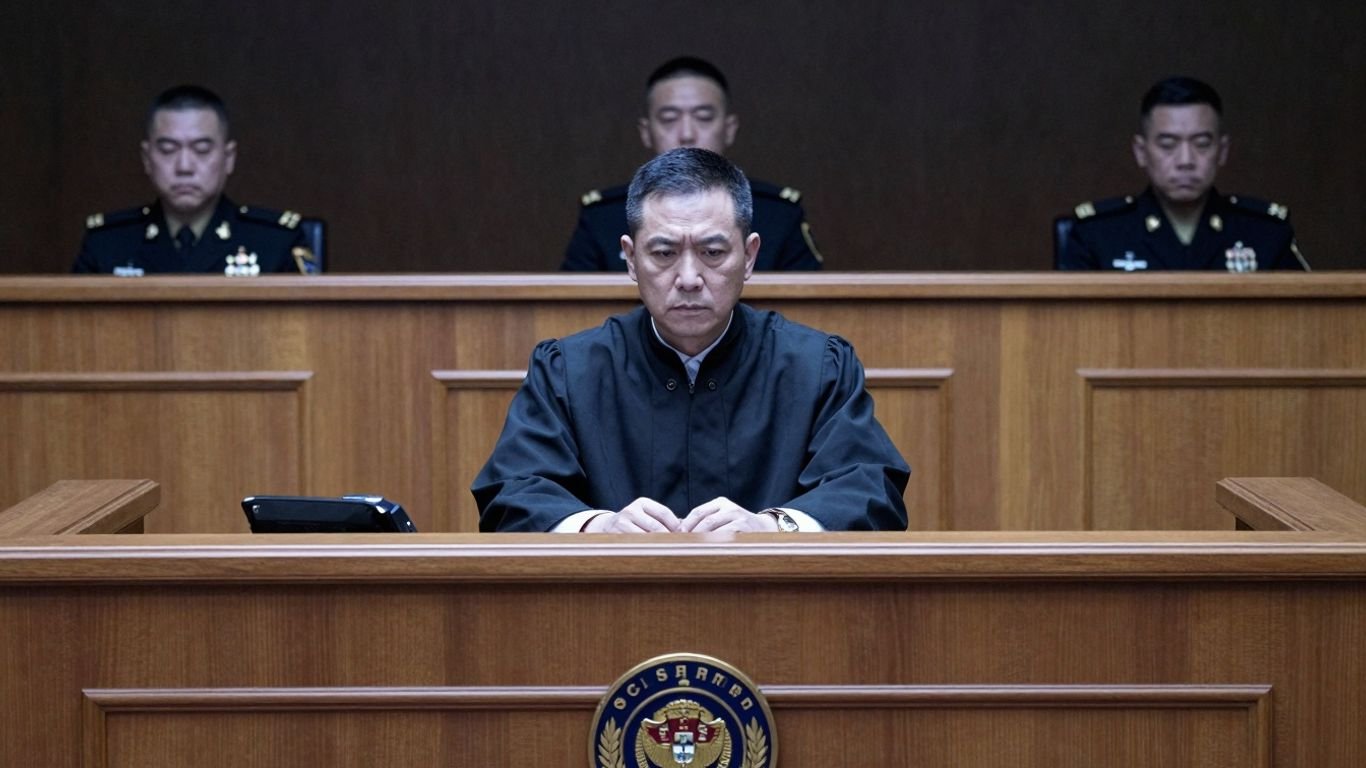
Historical Precedents For Military Justice
Looking back, military justice systems have always been a part of warfare. Think about it, when you have armies clashing, you need some way to keep order and deal with transgressions, both from your own side and the enemy’s. It’s not a new idea, not by a long shot. Throughout history, from ancient Rome to the battlefields of Europe, commanders had to make tough calls on how to handle soldiers who went rogue or enemies who committed atrocities.
These weren’t always pretty, but they were necessary for maintaining discipline and, frankly, for survival. The idea of a formal military tribunal, while it’s evolved, has roots stretching way back, showing that the need for specialized justice in conflict isn’t some modern invention. It’s a constant, a requirement when things get serious.
Navigating The Complexities Of Modern Conflict
Today’s conflicts are a whole different ballgame, aren’t they? We’re not just talking about soldiers on a traditional battlefield anymore. We’ve got cyber warfare, asymmetric threats, and enemies who don’t wear uniforms and hide among civilians. This makes things incredibly complicated. How do you apply old rules to new kinds of fights? It’s a real puzzle.
The legal frameworks we’ve relied on for ages just don’t always fit. We need systems that can adapt, that can handle the speed and the unique nature of these modern challenges. It’s about making sure justice is served, but also that we don’t get bogged down in legal processes that can’t keep up with the pace of war. The ability to adapt is key to winning and maintaining order.
The Unwavering Commitment To Justice
Despite the complexities, one thing has to remain constant: our commitment to justice. Military tribunals, when properly constituted and applied, are a way to uphold that commitment. They offer a structured process for dealing with those who threaten our security and our way of life. It’s about accountability, plain and simple. We can’t let threats go unanswered, and we can’t let our legal systems be exploited. This means looking at historical examples, understanding the current landscape, and building systems that are both effective and fair. It’s a tough balance, for sure, but one we absolutely have to get right.
We need to be prepared for whatever comes next, and that includes having the right tools to ensure justice is done, even in the most challenging circumstances. It’s about protecting our nation and its values, and that requires a strong, adaptable approach to justice. We must be ready to face new threats with the same resolve that has always defined us, ensuring that the rule of law, even in wartime, is respected and enforced. This is why understanding the evolution of military justice is so important for national security policy.
The Unavoidable Reality
Look, we’ve talked a lot about how the military and politics are tangled up, and honestly, it’s not going away. Trying to keep them totally separate is just not realistic anymore, especially with the world getting more complicated. Generals and politicians have to figure out how to work together, even when it’s messy. Our guys in uniform need to understand the political side of things, not just the fighting. And the folks in charge need to listen to the military.
It’s not about generals running the country, that’s a bad idea, but it’s about making sure our military leaders have the smarts to give good advice. Because when things get tough, and they will, we need everyone on the same page. Pretending these two worlds don’t mix is just asking for trouble down the road.
Frequently Asked Questions
What exactly are military tribunals?
Think of military tribunals as special courts for people involved in national security matters, especially those related to war. They are set up to handle cases that might be too complicated or sensitive for regular courts, like dealing with enemy combatants or terrorism.
Why can’t regular civilian courts handle all national security cases?
Regular courts have rules that can make it hard to deal with sensitive information, like secrets that could harm national security if revealed. Also, some cases involving enemies might need quicker decisions than civilian courts can always provide.
Are military tribunals fair?
The goal is for military tribunals to be fair, but they operate under different rules than civilian courts. They are designed to uphold the law while also protecting national security, aiming for a balance between justice and safety.
Do military tribunals help prevent future attacks?
Yes, by holding those who threaten national security accountable quickly, military tribunals can act as a warning. This shows that actions against the country will have serious and swift consequences, which might discourage others from trying similar acts.
How do military tribunals help the armed forces?
They help keep the military focused on its main job: defending the country. By having a separate system for certain security cases, it prevents the military’s important work from being bogged down by complex legal battles that might be better handled elsewhere.
Are military tribunals a new idea?
No, military courts and tribunals have been around for a long time, used throughout history when countries faced serious threats. They are a way for nations to adapt their justice systems to the challenges of war and national security.