
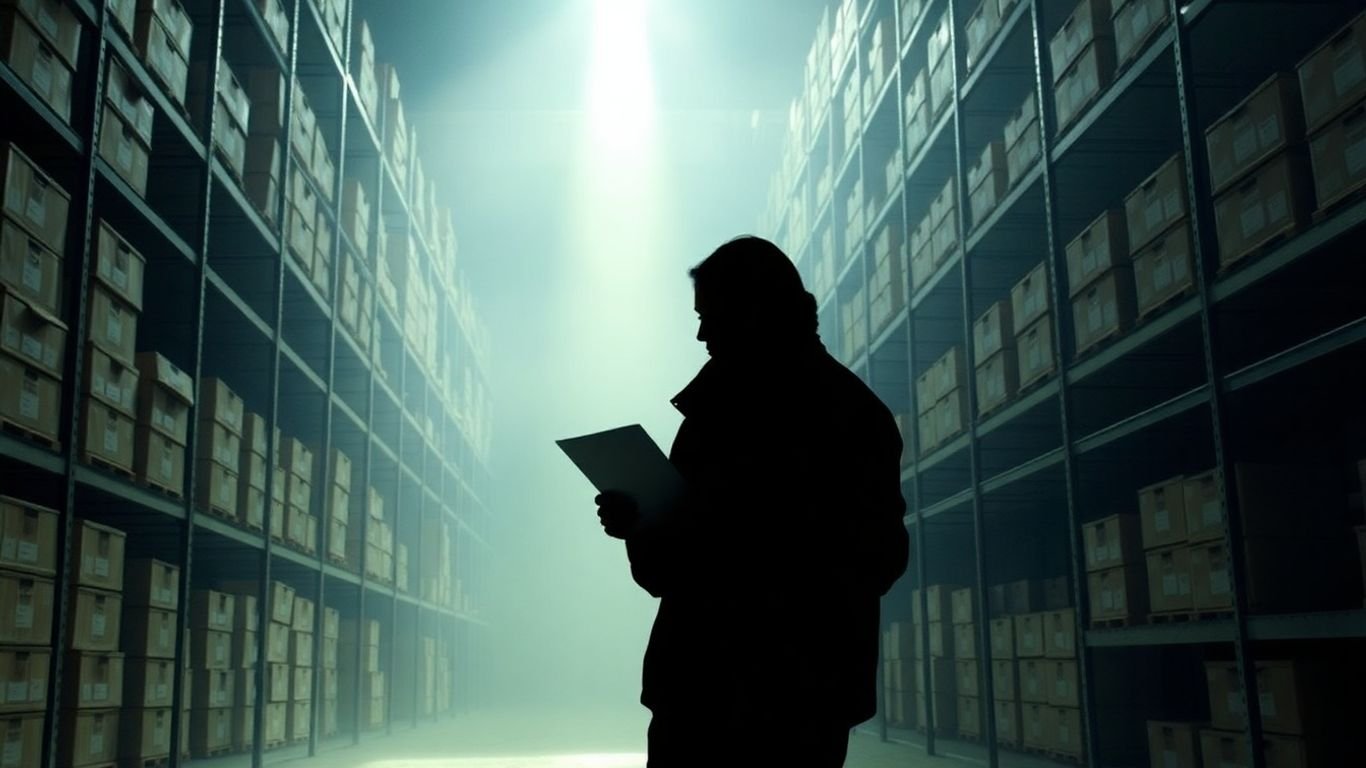
Tulsi Gabbard’s Office Investigates Secret CIA Warehouse Holding Kennedy Files
A recent investigation by Tulsi Gabbard’s office has reportedly uncovered a secret CIA warehouse containing files related to the assassination of President John F. Kennedy. This development highlights a significant tension between the intelligence community and the Director of National Intelligence’s oversight.
Key Takeaways
- Tulsi Gabbard’s office has reportedly accessed a secret CIA facility.
- The warehouse is believed to hold classified documents pertaining to the JFK assassination.
- The incident underscores a potential conflict between the CIA and the DNI’s investigative powers.
The Discovery of the Secret Warehouse
Reports suggest that personnel working under Tulsi Gabbard, in her capacity related to the Director of National Intelligence (DNI), have gained access to a clandestine CIA storage location. This facility is alleged to house a trove of documents, including those that have remained classified for decades and are connected to the 1963 assassination of President John F. Kennedy.
The operation, described as a targeted effort by Gabbard’s "hunters," aimed to uncover information that may have been previously withheld or overlooked by the CIA. The existence of such a secret warehouse raises questions about transparency and the handling of sensitive historical records within the intelligence apparatus.
Tensions Between Agencies
This case casts a new light on the inherent tension that can exist between different branches of the U.S. intelligence community, specifically the Central Intelligence Agency (CIA) and the office of the Director of National Intelligence (DNI). While the CIA operates with significant autonomy, the DNI is tasked with overseeing and coordinating intelligence activities across various agencies.
The reported actions by Gabbard’s office suggest a proactive approach to ensuring that all relevant information, particularly concerning pivotal historical events like the JFK assassination, is brought to light. The CIA’s alleged maintenance of a secret warehouse for such documents could be interpreted as an attempt to control the flow of information, creating a point of friction with oversight bodies.
Implications for Historical Records
The potential release or review of these newly accessed JFK files could have significant implications for historical understanding of the assassination. For years, researchers and the public have sought greater transparency regarding the events of November 22, 1963. If the documents within this secret warehouse contain new evidence or perspectives, they could reignite debates and potentially alter established narratives surrounding the assassination.
The investigation also raises broader questions about the protocols for declassifying and managing historical intelligence records. The discovery underscores the ongoing need for robust oversight to ensure that information vital to public understanding is made accessible in a timely and appropriate manner.