
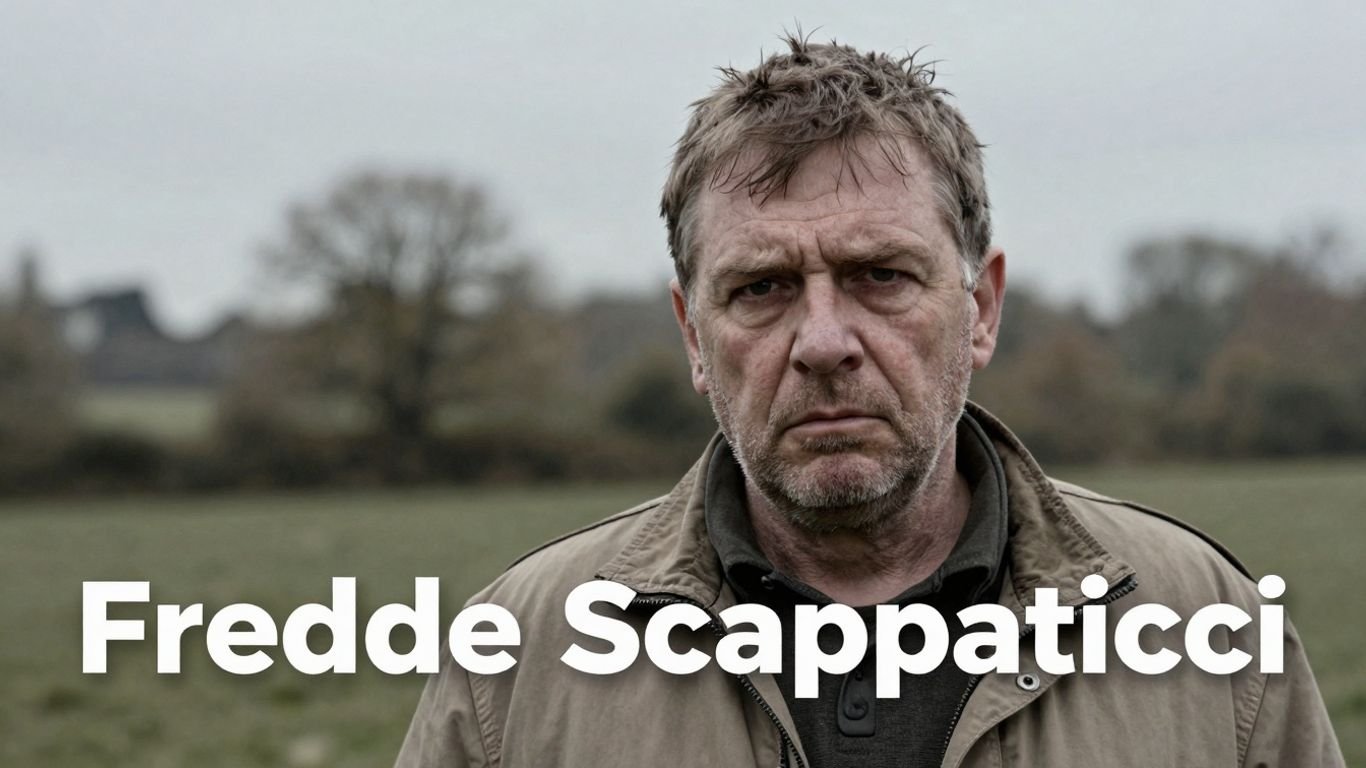
Inquiry Looms Over Army’s IRA Informant Freddie Scappaticci
A comprehensive report is anticipated regarding Freddie Scappaticci, a former British Army agent deeply embedded within the Provisional IRA. Scappaticci, also known as Stakeknife, was allegedly involved in numerous murders and abductions while operating within a brutal IRA unit. The upcoming report is expected to shed light on the full extent of his activities and the Army’s knowledge.
Key Takeaways
- Freddie Scappaticci, codenamed Stakeknife, was a high-ranking British agent within the IRA.
- He is linked to at least 14 murders and 15 abductions.
- Scappaticci was part of a ruthless IRA unit known as the "nutting squad."
- A full report into the Army’s handling of its informant is expected.
The "Nutting Squad"
Freddie Scappaticci’s alleged involvement with the Provisional IRA’s "nutting squad" paints a grim picture of his activities. This unit was notorious for its brutal methods, carrying out interrogations, torture, and executions. Scappaticci’s role within this group suggests a deep level of trust and influence he wielded, despite his clandestine work for the British Army.
Allegations and Investigations
Scappaticci has been linked to a significant number of violent crimes, including 14 murders and 15 abductions. These allegations have cast a long shadow over his legacy and raised serious questions about the ethical boundaries and operational oversight of intelligence agencies during the Troubles. The impending report is crucial for understanding the complexities of agent handling and the potential consequences of such operations.
The Stakeknife Report
The expected report, often referred to as the Stakeknife report, aims to provide a definitive account of Scappaticci’s operations and the British Army’s engagement with him. It is anticipated to detail the intelligence gathered, the methods employed, and the impact of his actions on victims and the broader conflict. The findings could have significant implications for ongoing legal cases and historical understanding of the era.

![[Jasmine Crockett]'s face, showing a change in expression.](https://countrybrief.com/wp-content/uploads/2025/09/thumbnail-8-768x432.jpeg)