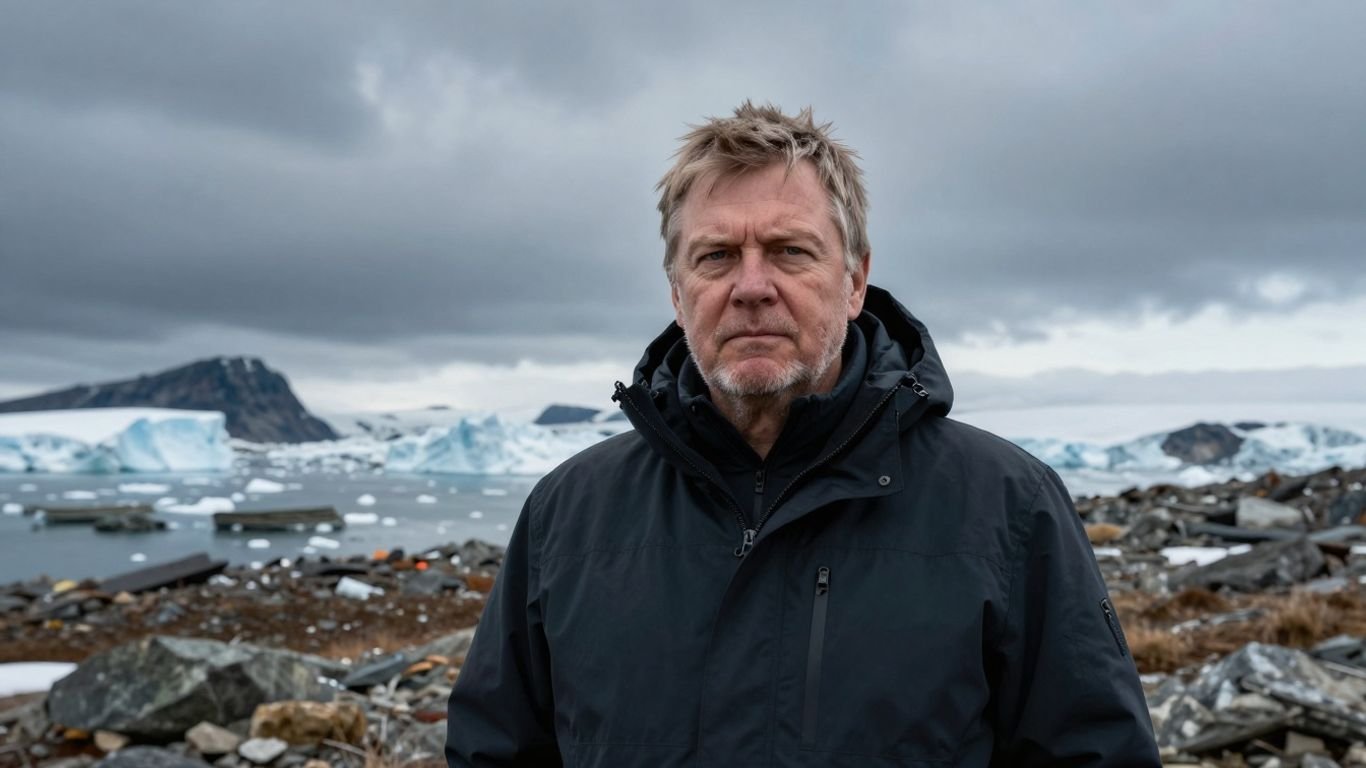
Greenland’s Premier Navigates Trump Rhetoric Amidst Shifting Geopolitics
Greenland’s Prime Minister Múte Bourup Egede has recently addressed questions regarding former U.S. President Donald Trump’s past remarks about purchasing Greenland. The situation arises amidst a complex geopolitical landscape where Greenland’s strategic importance is increasingly recognized, particularly concerning its vast resources and Arctic positioning.
Key Takeaways
- Greenland’s Premier Egede has sidestepped direct commentary on Donald Trump’s past interest in acquiring Greenland.
- The remarks come as Greenland’s strategic and economic significance continues to grow on the international stage.
- The Danish government has previously stated Greenland is not for sale.
Shifting Geopolitical Sands
The question of Greenland’s potential sale, a topic that resurfaced during Trump’s presidency, remains a sensitive issue. While the Danish government, which oversees Greenland’s foreign affairs, has consistently maintained that Greenland is not for sale, the underlying strategic interests persist. Greenland’s location in the Arctic makes it a crucial area for military and economic considerations, especially as climate change opens up new shipping routes and access to resources.
Premier’s Stance
During a recent interaction, Premier Egede was pressed on his views concerning Trump’s previous rhetoric. However, he chose to deflect the question, focusing instead on Greenland’s self-governance and its commitment to international cooperation based on mutual respect. This approach suggests a strategy of maintaining diplomatic neutrality while asserting Greenland’s autonomy and its right to determine its own future.
Economic and Strategic Importance
Greenland possesses significant mineral resources, including rare earth elements, which are vital for modern technology. Its vast ice sheet also holds scientific importance and is a key indicator of global climate change. As global powers increasingly focus on the Arctic, Greenland’s role is expected to become even more prominent, necessitating careful navigation of international relations and economic development.