Syrian Democratic Forces’ Role Questioned Amid Shifting US Priorities
Recent analysis suggests that the Syrian Democratic Forces (SDF), a key US ally in the fight against ISIS, may be outliving their usefulness to American strategic interests. This shift in perspective comes as the US re-evaluates its long-term commitments in the region and the evolving dynamics of the Syrian conflict.
Key Takeaways
- The SDF’s strategic value to the US is being re-examined.
- Shifting US priorities in the Middle East are influencing its partnerships.
- The future of US-SDF cooperation remains uncertain.
Evolving US Strategy
The United States has long relied on the SDF as its primary ground partner in Syria, instrumental in dismantling the territorial caliphate of the Islamic State (ISIS). However, as the focus of US foreign policy potentially shifts, the long-term necessity of this partnership is under scrutiny. Factors such as the ongoing war in Ukraine and broader geopolitical realignments may be drawing attention and resources away from the Syrian theater.
SDF’s Position
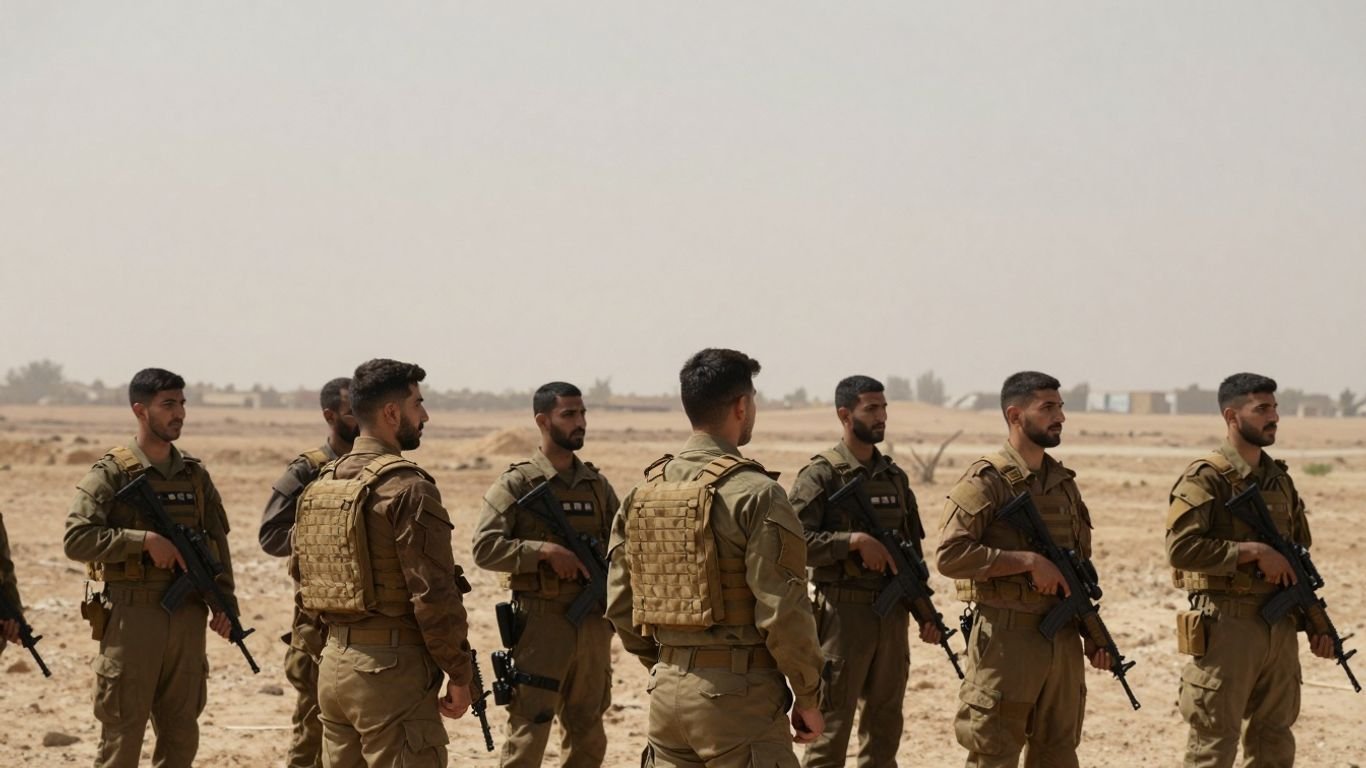
The SDF, composed of Kurdish and Arab fighters, has borne the brunt of the fight against ISIS, suffering significant casualties. Their continued effectiveness and the sustainability of their gains are intrinsically linked to international support. Any reduction in US commitment could have profound implications for the security and stability of the areas they control in northeastern Syria.
Regional Dynamics
The situation is further complicated by the complex regional landscape. Turkey views the SDF’s dominant Kurdish component as a threat due to its ties to the Kurdistan Workers’ Party (PKK). Russia and Iran, allies of the Syrian government, also have their own agendas in the country. The potential for a diminished US presence could create vacuums that other regional and international actors might seek to fill, potentially altering the balance of power in Syria.




![[Senator Rubio] warns of conflict without Hamas neutralization.](https://countrybrief.com/wp-content/uploads/2025/12/thumbnail-80-768x432.jpeg)