The Enduring Iran Dilemma: A Persistent Foreign Policy Challenge for US Presidents
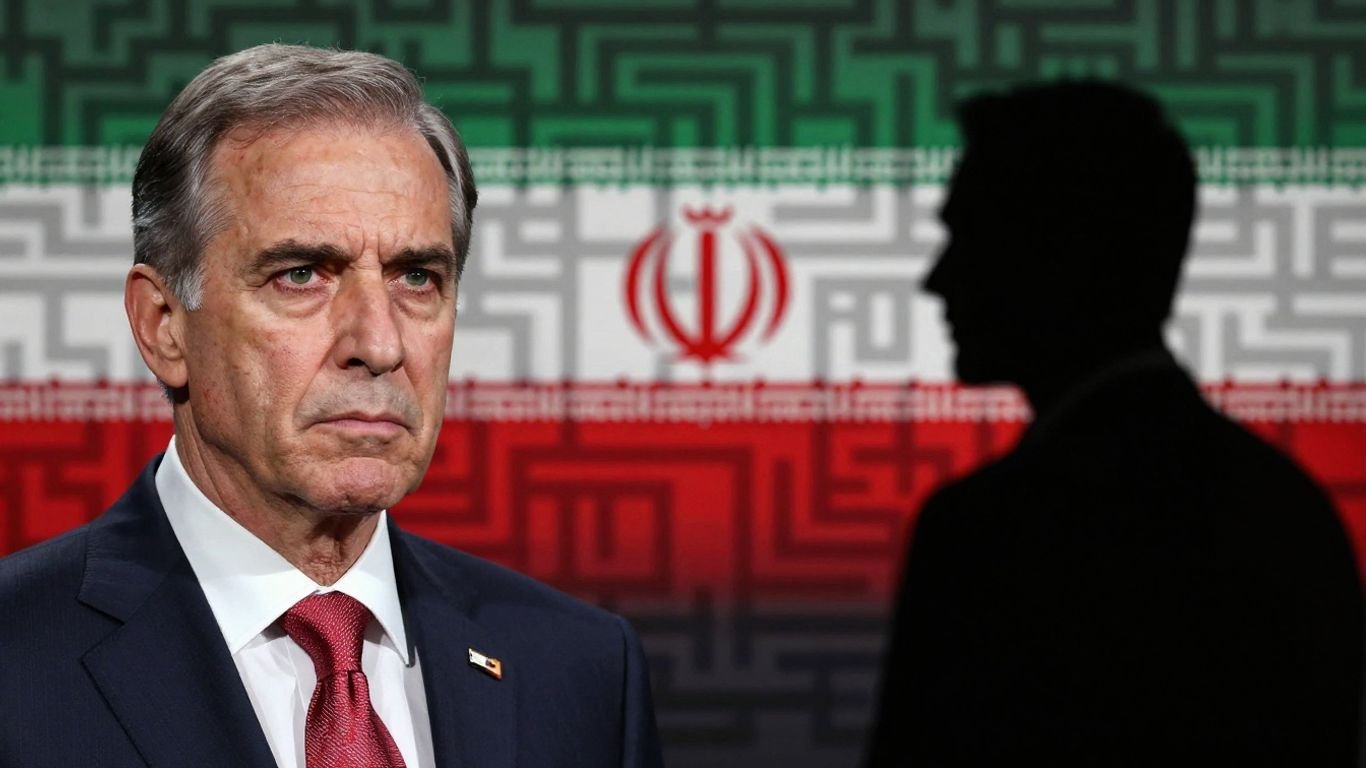
For decades, US presidents, from Jimmy Carter to Donald Trump, have grappled with the complex and often intractable issue of Iran. Despite numerous attempts at diplomacy, sanctions, and even military posturing, the fundamental challenges in US-Iran relations persist, creating a recurring foreign policy puzzle that continues to confound Washington.
The history of engagement reveals a pattern of escalating tensions and missed opportunities, suggesting that a lasting resolution remains elusive.
A Legacy of Unresolved Tensions
US-Iran relations have been fraught with difficulty since the 1979 Islamic Revolution. The overthrow of the Shah, a key US ally, ushered in an era of deep mistrust and animosity. Subsequent administrations have oscillated between seeking dialogue and applying pressure, with limited success in fundamentally altering the trajectory of the relationship.
Key Takeaways
- The Iran dilemma has been a persistent foreign policy challenge for every US president since the late 1970s.
- A combination of historical grievances, ideological differences, and regional power struggles fuels the ongoing tension.
- Past US strategies, including sanctions and diplomatic overtures, have yielded mixed results, often failing to achieve long-term stability.
- The nuclear program, regional influence, and human rights issues remain central points of contention.
The Nuclear Question and Regional Ambitions
Central to the ongoing friction is Iran’s nuclear program. The Joint Comprehensive Plan of Action (JCPOA), an international agreement aimed at curbing Iran’s nuclear ambitions in exchange for sanctions relief, exemplified the complex negotiations involved. However, the US withdrawal from the deal under the Trump administration and subsequent Iranian actions have reignited concerns and stalled diplomatic progress.
Beyond the nuclear issue, Iran’s regional activities, including its support for various militant groups and its involvement in conflicts across the Middle East, are a significant source of concern for the United States and its allies. This has led to a cycle of actions and reactions that further entrench the adversarial relationship.
The Search for a Sustainable Path Forward
Navigating the US-Iran relationship requires a nuanced understanding of Iran’s internal dynamics, its regional calculus, and the historical context of the bilateral ties. While direct confrontation has often proven counterproductive, a complete disengagement also carries significant risks. Future US administrations will likely continue to face the challenge of finding a sustainable path that balances security concerns with the potential for de-escalation and dialogue, a puzzle that has consistently defeated Washington’s best efforts.

![[Donald Trump] looks disappointed with election results.](https://countrybrief.com/wp-content/uploads/2025/11/thumbnail-52-768x432.jpeg)