Iran Seeks Release of Seized Tankers in Exchange for Gulf Safe Passage for India
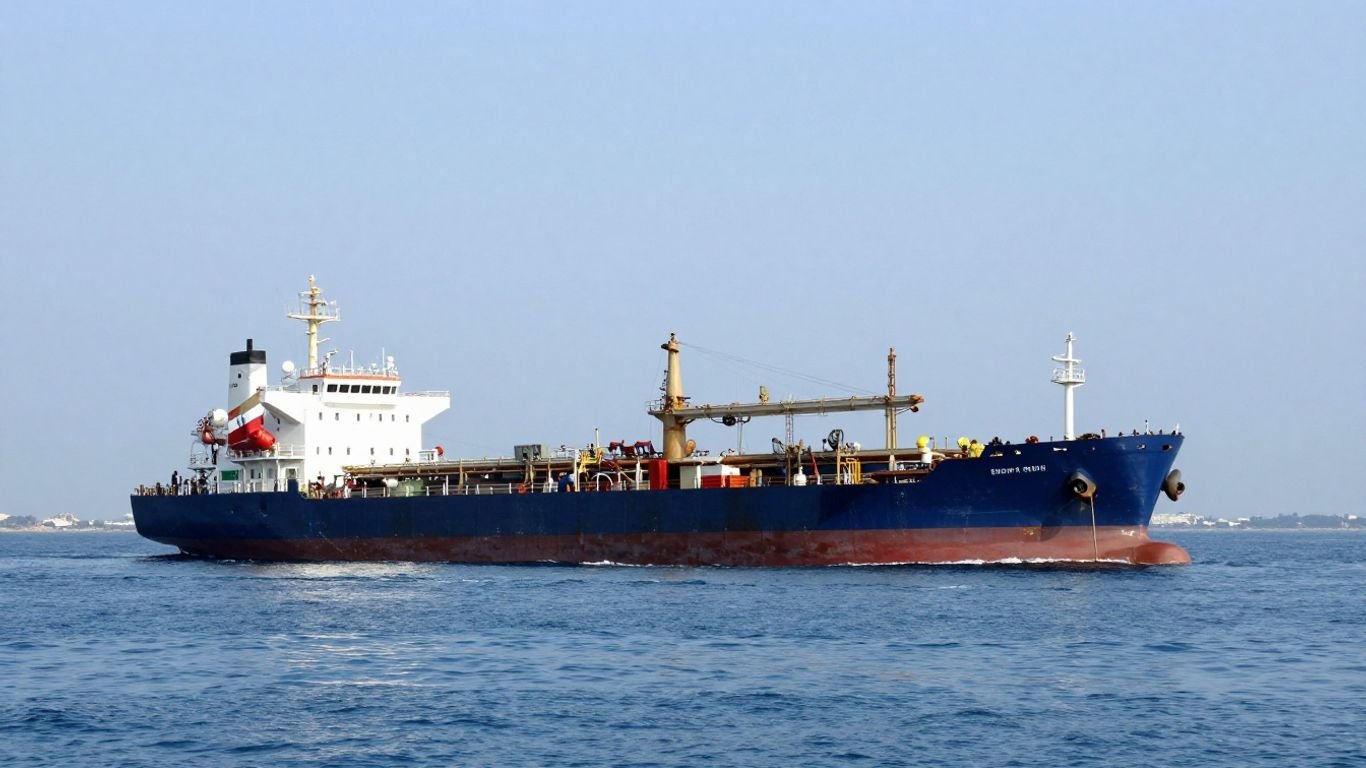
Iran has requested India to release three oil tankers that were seized in February. This demand is reportedly linked to ongoing discussions aimed at ensuring the safe passage of Indian-flagged or India-bound vessels through the Strait of Hormuz, a critical chokepoint for global oil trade. The negotiations highlight the complex geopolitical dynamics at play in the Persian Gulf region.
Key Takeaways
- Iran is leveraging the seized tankers as a bargaining chip in discussions with India.
- The talks focus on securing safe passage for Indian maritime traffic through the Strait of Hormuz.
- This development underscores the strategic importance of the Strait of Hormuz and the potential for regional tensions.
Diplomatic Maneuvers Amidst Regional Tensions
Sources familiar with the matter have revealed that Tehran has formally approached New Delhi with a proposal. The core of this proposal involves the return of three tankers that were impounded by Indian authorities earlier this year. In return, Iran is seeking assurances and cooperation from India regarding the security of its maritime interests in the Strait of Hormuz.
The Strait of Hormuz: A Vital Artery
The Strait of Hormuz, a narrow waterway connecting the Persian Gulf to the open ocean, is one of the world’s most important oil transit points. Approximately 30% of the world’s seaborne oil trade passes through this strategic chokepoint. Any disruption or perceived threat to shipping in this region can have significant repercussions on global energy markets and international relations.
India’s Balancing Act
India, a major energy importer, has a vested interest in maintaining stable shipping routes through the Strait of Hormuz. The country has been actively engaged in diplomatic efforts to de-escalate tensions in the region and ensure the unimpeded flow of its energy supplies. The current negotiations with Iran present a delicate balancing act for India, as it seeks to protect its economic interests while navigating complex international relations and potential sanctions.
![[Trump]'s approval rating plummets amid rising fuel costs and Iran conflict.](https://countrybrief.com/wp-content/uploads/2026/03/journalist2F3cdf5bad-d1bd-4221-860f-8d714a7337632Fthumbnail-768x432.jpeg)