
Navigating the Complexities of the Global Supply Chain in 2026
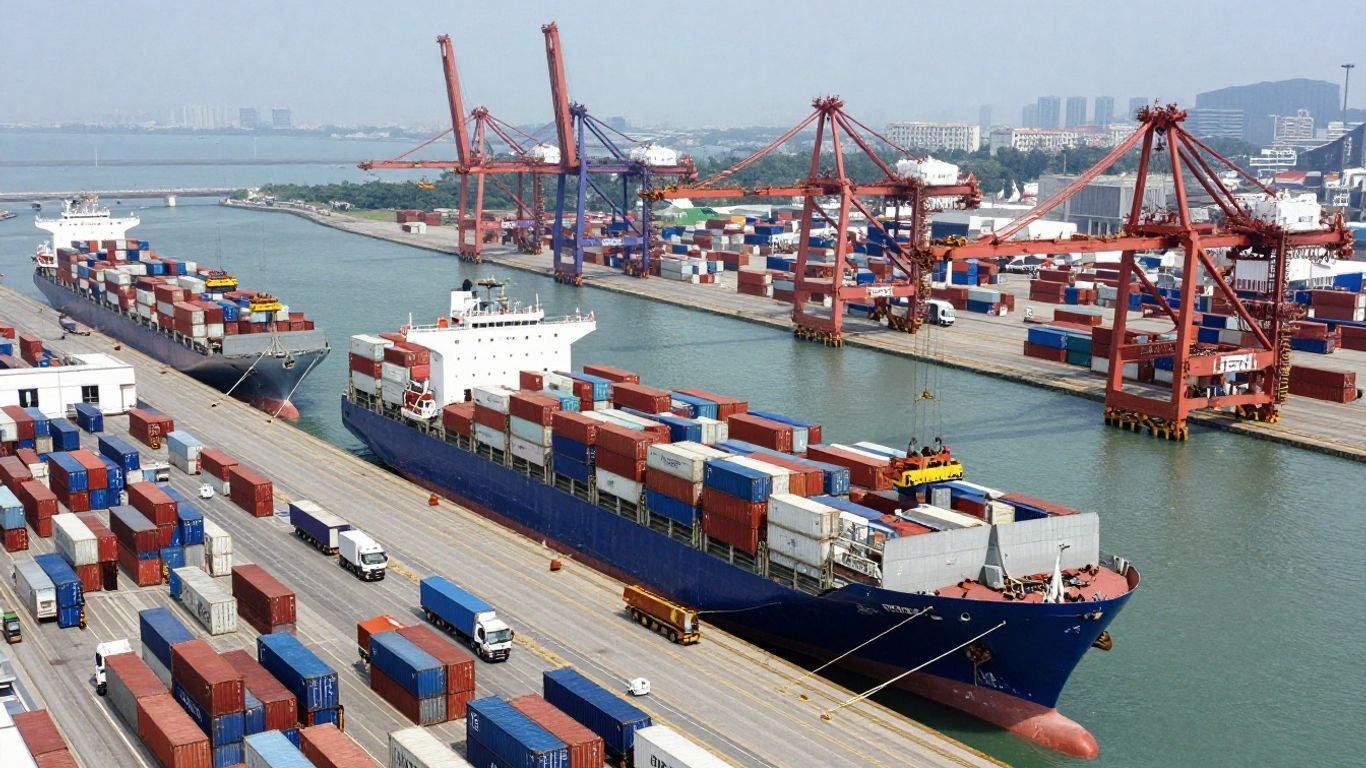
The global supply chain is facing a really complex time right now, and 2026 isn’t looking like it’ll be any simpler. We’re talking about a mix of trade tensions, new rules popping up everywhere, and a real struggle to find and keep good workers. Plus, with all the talk about climate change and making sure things are made ethically, companies have a lot more on their plates. It feels like every day there’s a new challenge to figure out, and just keeping things moving smoothly is a big job.
Key Takeaways
- Trade rules and tariffs are constantly changing, making it tricky to plan ahead for the global supply chain.
- Keeping up with all the new regulations and making sure everything is tracked properly is a huge task.
- Finding and training people for supply chain jobs is tough, and it’s a big concern for businesses.
- Using new tech like AI is becoming super important for companies to stay competitive.
- Making sure products are made ethically and sustainably is a growing demand from customers and regulators.
Navigating Geopolitical Tensions And Tariff Volatility

In 2026, the global supply chain is a real minefield. If you imported something last year, chances are the rules and the costs are different today. Tariffs and new trade disputes keep popping up, especially between the big players—the U.S., China, and the European Union. Some companies are just trying to hold on through all the chaos, but the truth is, complacency is no longer an option. Tariffs aren’t just temporary headaches—they’re the new normal, and they’re here to stay.
Understanding The New Trade Landscape
Tariffs once felt like just another government hassle or political talking point, but now they hit hard across the whole supply chain. Every shipment can rack up new costs overnight. Here’s how it’s affecting American companies:
| Year | % of Companies Citing Tariff Volatility as Major Concern |
|---|---|
| 2025 | 41% |
| 2026 | 72% |
It’s not just about higher costs. Now, people are:
- Rethinking their supplier lists (some folks swap countries, others go local)
- Checking documentation more closely (if your product origin is wrong, you’re in trouble)
- Facing delays at borders and ports
Inflation on inputs stings, but shifting suppliers based on tariffs instead of quality? That’s a recipe for real long-term trouble.
Building Scenario Models For Tariff Outcomes
You can’t just guess about tariffs anymore. Teams I talk to are:
- Running simulations for different tariff levels (5%, 10%, 25% spikes)
- Mapping new supply routes and weighing landed costs
- Working up worst-case budget impacts
Modern software pulls in real-time trade flows, so finance, procurement, and ops see exactly what a new tariff means for the bottom line before the first shipment leaves port. That’s how you avoid getting blindsided.
Strategic Trade Risk Management
It’s not enough to cross your fingers and hope the next election changes things. American business needs clear tactics, including:
- Expanding your supplier pool and nearshoring where possible
- Negotiating flexible contracts
- Keeping extra safety stock in key locations
- Keeping a close eye on your competitors (sometimes small moves give you a good lead)
Tariff volatility is pressure, but it’s also opportunity to move ahead if you’re smart, quick, and always a little skeptical about the next big political promise. Don’t trust international politics to settle down any time soon; build a playbook that’s ready for the next surprise.
Addressing The Exploding Regulatory Complexity
Multi-Tier Transparency As A Business Imperative
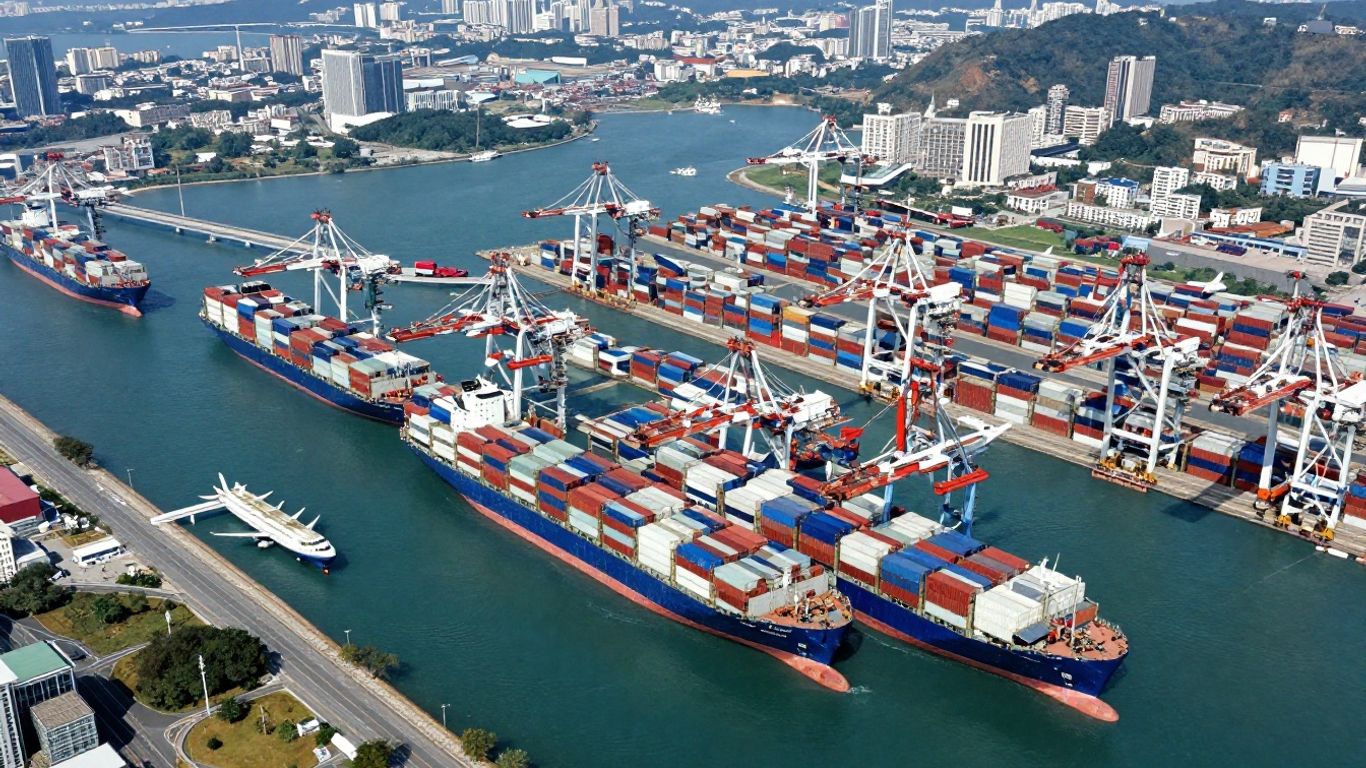
Look, the government’s always got new rules, and it feels like they’re coming out faster than we can keep up. For businesses trying to move goods across borders, this means you can’t just look at your direct suppliers anymore. You’ve got to know who their suppliers are, and maybe even who those guys are working with. It’s like a chain reaction, and if one link is weak or breaking some obscure rule, it can cause big problems for you down the line. We’re talking about fines, delays, and even getting shut out of markets if you’re not careful. It’s not just about being honest; it’s about survival in this new world.
Ensuring Compliance Across The Full Chain Of Custody
This whole chain of custody thing is getting serious. It’s not enough to have a piece of paper saying your product is okay. Regulators want to see the whole story, from the raw materials to the finished product on the shelf. This means keeping detailed records, proving where things came from, and making sure every step follows the book. Think about it: if you’re selling food, they want to know it wasn’t contaminated at any point. If it’s electronics, they want proof it was made with the right stuff and not in some sweatshop. It’s a lot of paperwork, and frankly, it’s a headache, but ignoring it is a recipe for disaster.
Leveraging Technology For Regulatory Tracking
Honestly, trying to keep track of all these rules and where everything came from by hand is a losing game. We need to get smart about this. Companies are starting to use software that can actually track products through the whole supply chain. It can flag potential issues before they become big problems, like a supplier not meeting a new standard or a shipment getting held up because of some paperwork mix-up. It’s about using the tools we have to make sense of the chaos. The ones who figure this out will be the ones who can actually move their products without getting bogged down by red tape.
The sheer volume of new regulations, often uncoordinated and sometimes contradictory, is creating a minefield for businesses. Simply reacting to changes is no longer a viable strategy; proactive adaptation and robust data management are now non-negotiable for market access and avoiding crippling penalties.
The Talent Crisis And Workforce Challenges
It’s getting tough out there to find good people for the supply chain. We’re seeing shortages everywhere, from the warehouse floor to the folks who manage the tech. This isn’t just a little hiccup; it’s a real problem that’s slowing things down and making it harder to get products where they need to go. The economy’s been a mess, and that’s not helping. Plus, everyone wants people with digital skills, and there just aren’t enough to go around. It feels like we’re constantly training new folks, only for them to leave for better pay or a different gig. This constant churn is costing businesses a fortune.
Combating Shortages And Retention Issues
We’ve got to get smarter about keeping the people we have. That means looking at pay, sure, but also making the job better. Think about better communication from the top down. When employees feel like they’re in the loop and their work matters, they tend to stick around. We’ve seen companies that actually talk to their workers, visit the stores, and share what’s going on – those places have lower turnover. It’s not rocket science, but it takes effort.
Accelerating Onboarding And Upskilling
Since finding experienced people is tough, we need to get new hires up to speed faster. That means training programs that actually work, and maybe even offering them in different languages so everyone can learn. We also need to help our current team learn new skills, especially with all the new technology coming in. Investing in people pays off in the long run, even if it costs a bit upfront.
The Strategic Role Of Human Expertise
Look, technology is great, and automation is going to take over some of the grunt work. But we still need smart people. The complex problems, the unexpected issues – that’s where human brains come in. We need people who can think critically and make good calls when things go sideways. Automation should help our workers, not replace them entirely. It frees them up to do the jobs that really require a human touch and a bit of common sense.
Embracing Digital Transformation And AI
Look, nobody’s saying this is going to be easy. The world’s supply chains are a mess, and pretending otherwise is just foolish. But if we’re going to get anywhere, we need to get serious about technology. We’re talking about AI, automation, and all that digital stuff. It’s not just for the big guys anymore; it’s becoming a necessity for anyone who wants to stay in the game. The old ways of doing things just aren’t cutting it in 2026.
AI Scaling Beyond Proof Of Value
For too long, a lot of this AI talk has been just that – talk. Companies throw money at pilot projects, hoping for a miracle, and then wonder why nothing really changes. It’s time to move past the hype and actually get AI working for us. We need it embedded in the tools we use every day, not just sitting on a shelf. Think about it: AI that helps with planning, managing risk, and making things run smoother. We’re talking about real results, not just fancy presentations. This is about making our supply chains smarter and more efficient, plain and simple. It’s about getting actual value out of these investments, not just ticking a box. We need to see AI integrated into platforms for sourcing, paying, and planning, driving real improvements. This is how we get a competitive edge.
Agentic Procurement And Connected Intelligence
This is where things get really interesting. We’re seeing AI agents that don’t just tell you what’s happening, but actually do things. Imagine agents that can handle supplier evaluations, keep an eye on risks, and even review contracts. They can manage requests for proposals, pick the best suppliers, and get them onboarded. They’re even flagging issues before they become big problems. This is what we call agentic procurement, and it’s changing the game. It means less busywork for people and more focus on the important stuff. When all these systems start talking to each other – procurement, finance, HR, you name it – that’s ‘Connected Intelligence’. It creates a smarter, more automatic system. It’s a big step, but many companies are ready for it, especially if they’ve already put in the groundwork with the right technology and data.
Digital Urgency For Competitive Edge
Let’s be blunt: if you’re not embracing digital transformation, you’re falling behind. It’s not a matter of ‘if’ anymore, it’s a matter of ‘when’ and ‘how fast’. We need to be looking at how AI can help us predict what customers want, manage inventory better, and keep things moving smoothly. This isn’t just about efficiency; it’s about survival. Companies that get this right will be the ones leading the pack. We need to make sure our teams have the tools and the training to use these new technologies. It’s about building a supply chain that can actually keep up with the demands of today’s world. We need to get this done, and we need to get it done now. The future of business depends on it, and frankly, we can’t afford to wait. It’s time to get serious about digitalizing operations.
The push for digital tools and AI isn’t just about keeping up with the Joneses. It’s about building a supply chain that’s tough, smart, and ready for whatever comes next. Ignoring this is like bringing a butter knife to a gunfight.
Prioritizing Sustainability And Ethical Sourcing
Look, nobody wants to be caught with their hand in the cookie jar, especially when it comes to where our stuff comes from. In 2026, the pressure is on to make sure our supply chains aren’t just efficient, but also clean and fair. This isn’t just about feeling good; it’s about avoiding a whole heap of trouble, like fines, bad press, and customers walking away.
ESG Metrics And Sustainable Procurement
We’re talking about keeping tabs on things like carbon emissions, especially the indirect ones (Scope 3), how much of our buying is actually sustainable, and if our suppliers are playing by the rules. It’s a lot to track, but ignoring it is a bigger risk.
Diversifying Supply Chains For Ethical Compliance
Trying to do the right thing often means not putting all your eggs in one basket. Relying too heavily on one region or one supplier can be a problem. We need to spread things out, find new partners, and maybe even bring some production closer to home. This isn’t just about avoiding ethical slip-ups; it can actually make us more reliable when things go sideways.
- Assess your current sourcing: Where are your goods really coming from, all the way down the line?
- Identify high-risk areas: Pinpoint suppliers or regions that might have ethical or environmental issues.
- Develop alternative sources: Find new suppliers or locations to reduce dependency.
- Build stronger supplier relationships: Work with partners to improve their practices.
The push for ethical sourcing isn’t just a trend; it’s becoming a requirement for doing business. Companies that get ahead of this will find themselves on firmer ground.
Balancing Environmental Footprint With Business Needs
It’s a balancing act, for sure. We need to cut down on our environmental impact, but we also have to keep the lights on and the business running. This means finding smart ways to reduce waste, use cleaner energy, and make sure our partners are doing the same, without breaking the bank. It’s about being responsible without being unrealistic.
Building Resilience Against Constant Disruption
Look, things are crazy out there. We’ve got storms popping up more often, cyber threats are like a swarm of gnats, and don’t even get me started on the political stuff messing with shipping lanes. It feels like every week there’s some new curveball thrown at the supply chain. You can’t just hope for the best anymore; you’ve got to plan for the worst.
Weathering Black Swan Events and Cyberattacks
These big, unexpected events, the so-called ‘black swans,’ can really mess things up. Think about a massive hurricane hitting a key port or a major cyberattack shutting down a logistics provider. It’s not just about losing a shipment; it can halt operations for days, even weeks. We’re seeing cyber threats get more sophisticated, and frankly, a lot of businesses are still treating cybersecurity like an afterthought. That’s a mistake. You need to bake security into everything, from your warehouse systems to how your employees handle data. It’s about having backup plans and making sure your digital backbone is tough.
Diversification of Suppliers and Nearshoring Strategies
Putting all your eggs in one basket, especially with a single supplier or in one country, is just asking for trouble. We’ve seen it time and again. If one place has a problem, your whole operation grinds to a halt. That’s why spreading things out is smart. Look at companies that are setting up shop closer to home, or at least in different regions. It might cost a bit more upfront, but it means you’re not completely at the mercy of events happening halfway across the world. It’s about having options and not being stuck when one part of the chain breaks. This is key for supply chain resilience.
AI For Demand Prediction And Inventory Management
This is where technology really steps in. Instead of just guessing what people will buy, we can use AI to get a much better picture. It looks at sales data, market trends, even weather patterns, to predict demand more accurately. Why does this matter? Because it means you’re not sitting on mountains of stuff nobody wants, and you’re not running out of the popular items. Smart inventory management means having the right goods in the right place at the right time. It cuts down on waste and keeps customers happy, which is the bottom line, right?
Elevating Supply Chain To A Strategic Function
Look, the days of the supply chain being just some back-office operation are over. It’s not just about moving boxes anymore. With all the craziness going on globally, from trade wars to unexpected disruptions, the supply chain has become a major player in how well a business actually performs. Companies that treat their supply chain as a strategic asset, not just a cost center, are the ones that will come out ahead. It’s about making smart decisions that impact the bottom line directly, not just shuffling paperwork.
Total Value As A Strategic Imperative
We’re seeing a big shift here. It’s not just about cutting costs anymore, though that’s still important. Now, it’s about the total value the supply chain brings to the table. This means looking at things like how quickly we can get products to customers, how reliable we are, and even how we handle our finances alongside our supply chain operations. Finance and supply chain leaders need to be on the same page, working together to manage things like working capital and risk. It’s a shared responsibility to keep the business healthy and growing.
- Cost Control: Still a must, but not the only goal.
- Working Capital: Freeing up cash tied up in inventory.
- Resilience: Being able to bounce back from problems.
- Growth: Supporting new market opportunities.
The old way of thinking about supply chains is outdated. Today, it’s about how the flow of goods, information, and money all work together to create real business value. Ignoring this connection is a recipe for disaster.
Centralization Of Supply Chain Operations
Many big companies are starting to pull their supply chain operations under one roof, kind of like how finance or HR got centralized years ago. It just makes sense. There are a lot of repetitive tasks in supply chains, and bringing them together can lead to big savings and better use of technology like AI. Plus, it gives you a clearer picture of what’s happening across the entire operation, from warehouses to delivery. This kind of setup helps make faster, smarter decisions and gives you better control over risks. It’s about getting more bang for your buck and having a more organized system. You can find more information on global trends.
Cross-Functional Collaboration For Trade Risk
Dealing with trade risks, like tariffs or new regulations, isn’t just a job for one department anymore. It requires everyone to chip in. Think about setting up a team with people from finance, operations, procurement, and IT. This group can meet regularly to share updates and figure out how to handle potential problems before they blow up. When everyone is talking and working together, you can spot new market chances and make your supply chains work better, giving you an edge over the competition. It’s about being proactive and using everyone’s brainpower to keep the business safe and profitable. This kind of collaboration is key to strategic actions that prevent inaction.
- Forming a dedicated trade risk council.
- Developing dashboards to show how trade decisions impact the business.
- Investing in technology for better data analysis and faster decision-making.
- Viewing trade management as a way to gain a competitive advantage.
Looking Ahead: What’s Next for Supply Chains?
So, what’s the takeaway from all this complexity? It’s pretty clear that the old ways of doing things just won’t cut it anymore. We’re seeing a big shift, where supply chains aren’t just about moving stuff from point A to point B. They’re becoming a core part of how businesses actually make money and stay ahead. Companies that are smart about using new tech, like AI, and that can actually keep up with all the new rules and global headaches, are the ones that will win. It’s not going to be easy, but if you’re willing to put in the work and think strategically, there are real opportunities out there. Don’t get left behind.
Frequently Asked Questions
What are the biggest challenges for global supply chains in 2026?
In 2026, global supply chains face many problems like sudden changes in trade rules, new tariffs, more complex regulations, and ongoing disruptions from things like weather, cyberattacks, and political conflicts. Companies also struggle to find and keep skilled workers and must keep up with new technology and stricter rules about being ethical and sustainable.
How do companies deal with changing tariffs and trade tensions?
Businesses try to handle changing tariffs by building models to predict different outcomes, diversifying their suppliers, and moving production closer to their main markets. They also use technology and data to quickly respond to new rules and costs, making their supply chains more flexible.
Why is transparency important in the supply chain?
Transparency means being able to see where products come from and how they move through the supply chain. This is important because new rules require companies to prove their products are made ethically and legally. Being transparent also helps companies build trust with customers and avoid fines.
How does technology help improve supply chains?
Technology, especially artificial intelligence (AI), helps companies track products, predict problems, and make better decisions faster. AI can also help with demand forecasting, finding the best routes for shipping, and making sure companies follow all the rules. This makes supply chains faster, smarter, and more reliable.
What are companies doing to be more sustainable and ethical?
Companies are using ESG (Environmental, Social, and Governance) metrics to measure how green and fair their supply chains are. They look for suppliers who follow good practices and try to reduce waste and pollution. Many also use technology to track their impact and make improvements.
How can supply chains become more resilient to disruptions?
To be more resilient, companies are spreading out their suppliers, using local sources when possible, and keeping extra inventory in key places. They also work closely with other departments, use AI to predict and avoid problems, and make quick decisions when unexpected events happen.